
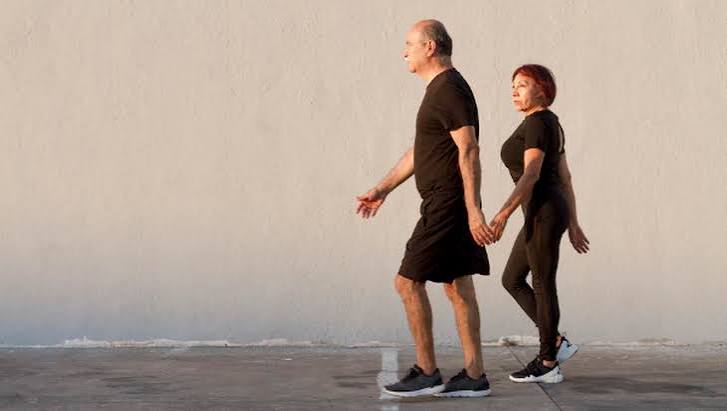
The practice of walking after meals and digestion has been validated by a growing body of clinical research that confirms what many traditional medicine systems have long recommended: a short post-meal walk — even as brief as 10–15 minutes at a gentle pace — measurably improves gastric emptying, lowers post-meal blood glucose, reduces acid reflux episodes, and supports consistent digestive motility in a way that sitting or lying down does not. The evidence is particularly strong for blood glucose management, where a 2022 meta-analysis found that 2–5 minute light walks after meals reduced 24-hour blood glucose levels more effectively than a single 30-minute walk at a different time of day.
- Even a 2–5 minute walk after meals has measurable blood glucose benefits — you do not need a long walk to get the post-meal digestive and metabolic benefit
- Walking after dinner (evening meal) has the strongest evidence for blood glucose management, as post-dinner glucose rises are typically the largest of the day in people with insulin resistance or type 2 diabetes
- Post-meal walking reduces acid reflux by maintaining an upright posture, supporting gastric emptying, and avoiding the supine position that allows gastric contents to reach the oesophagus — it is one of the most accessible GERD lifestyle modifications
- Gentle pace matters: walking should be comfortable, not brisk or vigorous immediately after a full meal — the digestive benefit comes from movement and posture, not intensity; too-vigorous walking after a large meal increases GI discomfort
- Post-meal walking works synergistically with meal composition: a lower-fat, lower-carbohydrate meal that already moderates post-meal glucose rise benefits even further from a post-meal walk, reducing peak glucose more than either intervention alone

The Science Behind Post-Meal Walking
Post-meal walking benefits digestion through three primary mechanisms that operate simultaneously: mechanical effects on the gastrointestinal tract, postural effects on acid reflux risk, and metabolic effects on blood glucose processing. Each mechanism is supported by independent research and the three together make post-meal walking one of the most efficient single health habits available — producing digestive, glycaemic, and cardiovascular benefits from as little as 10–15 minutes of gentle activity per meal.
Mechanical gastrointestinal effects: Walking produces a rhythmic compression and relaxation of the abdominal muscles that directly massages the stomach and intestines. This gentle mechanical stimulation increases gastric peristalsis — the wave-like contractions that move food from the stomach into the small intestine — and accelerates gastric emptying. Studies measuring gastric emptying rates (using radiolabelled meal studies) show that a 15–20 minute post-meal walk reduces gastric emptying time by approximately 30 minutes compared to seated rest. Faster gastric emptying reduces the volume of food sitting in the stomach, which reduces intra-gastric pressure and the likelihood of acid reflux, reduces bloating from gastric distension, and maintains forward food movement through the small intestine.
Postural acid reflux effects: Lying down or reclining after meals is one of the most consistent behavioural predictors of acid reflux episodes — gravity assists gastric acid in reaching the oesophagus when the body is horizontal. Walking maintains the upright posture that gravity requires to keep gastric contents in the stomach. This postural benefit is simple but significant: every minute spent walking after a meal is a minute not spent sitting or lying in a posture that promotes reflux. Post-meal walking is therefore a practical acid reflux management strategy that operates purely through posture and gravity without requiring any dietary change. For the full acid reflux dietary framework, see our article on acid reflux diet: foods to eat and avoid.
Blood glucose effects: Walking activates skeletal muscle contractions that increase glucose uptake into muscle cells through GLUT4 transporter activation — a process that operates partially independently of insulin. Post-meal glucose peaks occur 30–60 minutes after eating as carbohydrates are absorbed into the bloodstream. A walk during this window — even light-intensity walking — recruits large leg muscle groups that extract glucose from circulation, blunting the peak and reducing total glycaemic excursion. This effect is particularly significant for people with insulin resistance, pre-diabetes, or type 2 diabetes, where post-meal glucose spikes are the primary driver of HbA1c elevation and long-term complications.
Key Research on Post-Meal Walking
The evidence for post-meal walking has strengthened considerably in the past decade. Key studies:
The 2022 Sports Medicine meta-analysis: A systematic review and meta-analysis by Buffey et al. (2022) compared the effects of brief 2–5 minute light-intensity walks after meals versus standing versus sitting on post-meal blood glucose in adults with and without type 2 diabetes. Results showed that both standing and walking reduced post-meal glucose compared to sitting, but walking produced significantly greater glucose reduction than standing alone. The most notable finding was that three 2–5 minute light walks (one after each meal) reduced 24-hour blood glucose exposure more effectively than a single 30-minute moderate-intensity walk at a fixed time of day — highlighting the timing advantage of post-meal activity over consolidated exercise blocks.
Gastric emptying studies: Multiple scintigraphy studies (using radiolabelled meals that can be tracked with imaging) have confirmed that walking accelerates gastric emptying across a range of meal compositions. A 2008 study in the European Journal of Applied Physiology found that 20 minutes of walking at 3.5 km/h after a standard mixed meal significantly accelerated gastric emptying compared to seated rest, with most of the benefit occurring in the first 30 minutes post-meal.
IBS and bloating: A 2011 study in the American Journal of Gastroenterology (Villoria et al.) found that 15 minutes of walking at 2 mph after meals significantly accelerated intestinal gas clearance and reduced bloating symptoms in IBS patients compared to post-meal rest. The mechanism is the same as for general motility: walking promotes propulsive intestinal contractions that move gas through the colon more efficiently than rest.
How Long Should You Walk After Eating?
The research evidence suggests the following practical targets, with dose-response relationships confirmed across multiple studies:
- Minimum effective dose for blood glucose: 2–5 minutes of light walking — even this brief activity measurably blunts the post-meal glucose peak compared to sitting. Start here if you have no current post-meal walking habit.
- Target for digestive benefit: 10–15 minutes of gentle walking. This duration produces measurable gastric emptying acceleration and is the minimum duration shown to reduce bloating and gas in clinical studies.
- Optimal for combined benefits: 15–20 minutes of comfortable-paced walking (not brisk, not strenuous — a pace where conversation is easy). Most studies showing the full range of benefits use this duration.
- Maximum effective duration post-meal: 20–30 minutes is the range where most benefits are captured; extending beyond 30 minutes adds general exercise benefits but not additional specific post-meal digestive benefit. After 30 minutes, you are simply exercising rather than doing a specific post-meal walk.
Pace: Gentle to moderate — approximately 3–4 km/h or a pace at which you can hold a conversation comfortably. Do not attempt brisk or vigorous walking immediately after a full meal; this can cause nausea, cramping, and side stitches because vigorous exercise diverts blood flow away from the gut precisely when maximum digestive blood flow is needed. The digestive benefits of post-meal walking come from movement and posture, not from cardiovascular intensity.
When After Eating Should You Walk?
The timing question — how long after eating, not just how long to walk — is important and the answer depends on meal size:
- Light meal or snack: Begin walking 5–10 minutes after finishing. A light meal involves minimal gastric distension and the blood glucose peak occurs quickly (15–30 minutes post-meal), so starting the walk early captures more of the glucose-blunting window.
- Standard meal: Begin walking 10–15 minutes after finishing. This brief rest period allows initial gastric processing to begin before the added movement; starting immediately after a full meal can cause discomfort.
- Large or heavy meal: Wait 20–30 minutes before walking. A large meal creates significant gastric distension, and walking immediately increases the risk of nausea and discomfort. The benefit of starting later is less than the benefit of starting at all — even a walk that begins 30 minutes after a large meal improves gastric emptying and glucose management compared to no walk.
For acid reflux management specifically, the critical window is the 2–3 hours after eating — maintaining an upright posture (standing, walking, or sitting upright) throughout this window is the primary goal, and a walk within the first 30 minutes followed by upright sitting for the remaining time is more beneficial than a walk at hour 2 alone.
Post-Meal Walking for Specific Conditions
For Type 2 Diabetes and Pre-Diabetes
Post-meal walking has the strongest and most clinically validated evidence for blood glucose management in people with type 2 diabetes and pre-diabetes. Post-meal glucose spikes — not fasting glucose alone — are the primary driver of HbA1c elevation and the oxidative stress and vascular damage associated with diabetes complications. A 2016 study in Diabetologia found that three 10-minute post-meal walks reduced 24-hour glucose and insulin levels more effectively than a single 30-minute pre-meal walk in people with type 2 diabetes, emphasising that post-meal timing is specifically important, not just total daily step count. For people on glucose-lowering medications, discuss post-meal activity patterns with your healthcare provider as they may affect medication timing and hypoglycaemia risk.
For IBS and Bloating
Post-meal walking benefits IBS patients through both the motility and the stress-reduction pathways. Gas clearance studies (measuring intestinal gas volume and bloating symptoms before and after post-meal walks) consistently show that 15 minutes of walking significantly accelerates gas transit and reduces perceived bloating severity. For IBS-C (constipation-predominant) patients, regular post-meal walks also contribute to the overall motility stimulus that helps regulate bowel frequency. For IBS-D patients, gentle post-meal walking is generally well-tolerated and beneficial; vigorous post-meal exercise should be avoided, as it can accelerate transit to the point of urgency. For the full IBS management framework, see our article on IBS diet: a practical guide.
For GERD and Acid Reflux
Post-dinner walking is particularly valuable for GERD management when dinner is eaten later in the evening. The standard GERD guidance to avoid lying down within 3 hours of eating is most practically supported by a post-meal walk — it keeps you upright, actively supports gastric emptying, and passes 15–20 minutes of the critical post-meal window in a posture that prevents reflux. For people with nocturnal GERD (symptoms primarily at night), establishing a consistent post-dinner walking habit addresses the most clinically significant trigger — eating and then lying down within 1–2 hours — more effectively than any single dietary modification. For eating-out-specific reflux management, see our article on eating out with acid reflux.
For Constipation
Post-meal walking leverages a specific physiological reflex — the gastrocolic reflex — that links eating with increased colonic motility. When the stomach is filled with food, nerve signals and hormonal cues (gastrin, cholecystokinin) stimulate propulsive contractions in the colon, creating the urge to defecate that many people experience 30–60 minutes after meals. Post-meal walking amplifies this gastrocolic reflex through the additional motility stimulus of movement, making post-breakfast walks particularly effective for establishing regular morning bowel habits in people with constipation. For the dietary component of constipation management, see our article on constipation diet: what to eat and limit.
Practical Ways to Build a Post-Meal Walking Habit
The most common barrier to post-meal walking is not motivation but logistics — the natural end-of-meal pull toward sitting at a desk, returning to a screen, or resting on a sofa is strong, particularly at lunch and dinner. Practical approaches to overcome this:
- Link it to an existing habit: Attach the walk to the end of washing up after dinner, or to checking messages after lunch — habit stacking onto something you already do at that time reduces the activation energy required
- Use it for phone calls: Post-meal time is excellent for low-stakes phone calls, podcasts, or audio content — combining an enjoyable activity with walking removes the “opportunity cost” of time away from desk or screen
- Start with just 5 minutes: If a 15-minute walk feels like too much of a commitment initially, start with a 5-minute loop around the block after dinner. This is sufficient to produce blood glucose benefit and far better than nothing
- Morning walk as priority: If only one post-meal walk per day is realistic, post-breakfast walking captures the gastrocolic reflex timing and has the most consistent evidence for establishing regular bowel habits
- Office lunch walks: Post-lunch walking at work is one of the most accessible opportunities — 10 minutes outside after lunch improves afternoon energy and cognition as well as digestive benefit, providing a dual motivation
Frequently Asked Questions
Q: Is standing after meals as good as walking for digestion?
A: Standing is better than lying down or reclining, but less effective than walking for most digestive outcomes. For acid reflux, standing maintains the postural gravity effect equally well as walking. For blood glucose, the 2022 Sports Medicine meta-analysis found standing reduced post-meal glucose compared to sitting, but walking produced significantly greater reduction. For gastric emptying and gut motility, walking’s mechanical compression and relaxation effects are not replicated by stationary standing. The practical guidance is: if you cannot walk after a meal, standing is a useful alternative for acid reflux management; for blood glucose and gut motility, walking produces meaningfully better outcomes than standing.
Q: Can I walk immediately after eating, or do I need to wait?
A: For a light to standard meal, walking 10–15 minutes after finishing is comfortable and effective. Waiting is more about comfort than about digestive mechanism — there is no evidence that immediate post-meal walking (starting within 5 minutes of finishing) harms digestion; it may cause discomfort from gastric distension if the meal was large or included carbonated drinks. For acid reflux specifically, the sooner you start walking after eating the better, as every minute upright is a minute not at risk of reflux. For large or very heavy meals, waiting 20–30 minutes before beginning to walk reduces nausea risk without materially reducing the digestive and glycaemic benefits.
Q: Does it matter whether I walk before or after meals for gut health?
A: Yes — the timing matters for different outcomes. Post-meal walking produces specific benefits that pre-meal walking does not: the blood glucose-blunting effect requires walking during the post-meal absorption window (30–90 minutes after eating); the gastric emptying acceleration effect is specific to the post-meal period; and the acid reflux prevention effect is specifically about maintaining upright posture during the post-meal vulnerability window. Pre-meal walking increases insulin sensitivity and appetite regulation, and contributes to overall daily activity. Both have value, but they are addressing different aspects of digestive and metabolic health. For maximum overall benefit, pre-meal light movement (stretching, a brief walk) combined with a post-meal walk covers both sets of mechanisms.
Q: What if post-meal walking makes my symptoms worse?
A: Some people with gastroparesis (delayed gastric emptying), severe GERD, or IBS-D may find that any post-meal activity worsens symptoms. For gastroparesis, gastric emptying is already impaired and the additional motility stimulus from walking may cause nausea or vomiting — in this case, small, frequent meals with extended post-meal rest are typically recommended by gastroenterologists over post-meal activity. For IBS-D during an active flare, the transit-accelerating effect of post-meal walking may trigger urgency. If post-meal walking consistently worsens digestive symptoms despite trying gentle pace and waiting 20–30 minutes after eating, discuss this with your gastroenterologist before continuing. For most people without these specific conditions, any discomfort from post-meal walking is related to pace (too fast) or timing (too soon after a large meal) and resolves with adjustment.
Q: Does post-meal walking help with weight management?
A: Post-meal walking contributes to weight management through several complementary pathways. The direct caloric expenditure of 15 minutes of gentle walking is modest (approximately 50–80 kcal), but the cumulative effect of three post-meal walks daily (150–240 kcal) represents meaningful additional energy expenditure over time. More significantly, the blood glucose stabilisation from post-meal walking reduces insulin spikes that promote fat storage — lower post-meal glucose excursions mean lower insulin secretion, which reduces the signal for glucose to be converted to adipose tissue. Post-meal walking also reduces appetite in the 1–2 hours after eating compared to resting, through mechanisms involving GLP-1 (glucagon-like peptide-1) and peptide YY. For the evidence on weight management and liver health, see our article on weight management and liver health.
Q: Is there a best time of day for post-meal walking?
A: For overall digestive health and bowel regularity, the post-breakfast walk is most strategically timed — it leverages the gastrocolic reflex at the meal that most consistently triggers it, making it the most effective single post-meal walk for establishing regular morning bowel habits. For blood glucose management, the post-dinner walk has the strongest evidence — dinner is typically the largest meal and produces the largest post-meal glucose spike, and the later timing means evening inactivity (sitting or lying on the sofa) is the most common competing behaviour. For GERD specifically, the post-dinner walk is most critical because dinner proximity to bedtime creates the highest nocturnal reflux risk. If only one post-meal walk is possible per day, let your primary health concern guide the timing: constipation → post-breakfast; blood glucose/metabolic health → post-dinner; GERD → post-dinner.
This article is for educational purposes only and does not constitute medical advice. Always consult a qualified healthcare provider for personalised dietary and lifestyle guidance.
- Buffey AJ, et al. “The Acute Effects of Interrupting Prolonged Sitting Time in Adults with Standing and Light-Intensity Walking on Biomarkers of Cardiometabolic Health in Adults.” Sports Medicine. 2022;52(8):1765-1787.
- DiPietro L, et al. “Three 15-min bouts of moderate postmeal walking significantly improves 24-h glycemic control in older people at risk for impaired glucose tolerance.” Diabetes Care. 2013;36(10):3262-3268.
- Colberg SR, et al. “Postprandial walking is better for lowering the glycemic effect of dinner than pre-dinner exercise in type 2 diabetes.” Journal of Applied Physiology. 2009;106(2):570-576.
- Villoria A, et al. “Physical activity and intestinal gas clearance in patients with bloating.” American Journal of Gastroenterology. 2006;101(11):2552-2557.
- Ravich WJ, et al. “Effects of exercise on colonic function.” Gut. 1985;26(11):1179-1183.
- Borer KT. “Physical activity in the prevention and amelioration of osteoporosis in women.” Sports Medicine. 2005;35(9):779-830.
- Reynolds AN, et al. “Advice to walk after meals is more effective for lowering postprandial glycaemia in type 2 diabetes mellitus than advice that does not specify timing.” Diabetologia. 2016;59(12):2572-2578.
- Coleone JD, et al. “Short bouts of light walking after meal time significantly reduces blood glucose in sedentary healthy adults.” Plos One. 2021;16(10):e0258288.
- Murtagh EM, et al. “The effects of walking on risk factors for cardiovascular disease: an updated systematic review and meta-analysis of randomised control trials.” Preventive Medicine. 2015;72:34-43.
- Stanciu C, et al. “Effects of exercise on gastroesophageal reflux.” American Journal of Gastroenterology. 1992;87(9):1169-1174.
The finding that three 2-5 minute post-meal walks reduce 24-hour blood glucose more effectively than a single 30-minute walk is the most practically useful piece of information in this article. I have type 2 diabetes and had been told ‘get 30 minutes of exercise daily’ without any guidance on timing. That 30-minute walk has been happening at 8am before breakfast, which is when it’s convenient, but apparently produces less glucose benefit than three short walks tied to mealtimes. This seems like straightforward actionable information that should be in standard diabetes management advice — the post-dinner walk especially, since dinner is where my glucose spikes are largest. Starting this immediately.
The timing finding from the Buffey et al. 2022 meta-analysis is one of the more practically significant results in recent lifestyle medicine research, partly because it reframes the standard exercise advice for metabolic health. The conventional ‘get 30 minutes of moderate exercise daily’ message focuses on total volume and doesn’t specify timing — it’s agnostic to whether that 30 minutes happens before breakfast, during lunch, or after dinner. For blood glucose management specifically, that timing agnosticism turns out to be a meaningful omission: the post-meal window is when circulating glucose is highest and skeletal muscle glucose uptake has the most impact. The three-short-walks finding also has an important practical implication for people who find a single consolidated 30-minute exercise block difficult to fit into a day — three 5-minute post-meal walks are logistically much easier to integrate than one 30-minute session, and for the specific outcome of daily glucose management, they outperform it. This doesn’t mean the 30-minute walk has no value — it does, through different mechanisms — but for glucose specifically, distributed post-meal activity wins on timing.
The gastrocolic reflex section explains something I’ve experienced but never understood — why walking after breakfast specifically seems to help with morning bowel habits in a way that just sitting and waiting doesn’t. Knowing that eating fills the stomach and sends hormonal signals to the colon (through gastrin and cholecystokinin), and that walking amplifies this signal, makes the practice feel less like folk wisdom and more like a deliberate physiological intervention. Also helpful to know that the post-breakfast walk is the most strategically timed one for constipation specifically. I’ll prioritise that one over the others.