
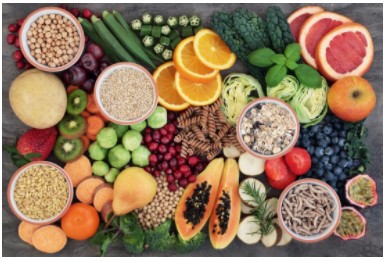
Not all “cancer-fighting” foods are equally supported by evidence. A food can show dramatic effects on cancer cells in a Petri dish and have no measurable impact on cancer rates in actual human beings — because bioavailability, absorption, metabolism, and the complexity of living biology between a lab dish and a human body are enormous. This distinction matters when you’re trying to prioritize your dietary attention.
This list was built on a single criterion: strength of human evidence. The tier system draws on prospective cohort studies and meta-analyses — data from real people followed over years and decades — not isolated cell-culture experiments. Foods with multiple independent meta-analyses showing consistent, dose-response risk reductions in humans rank higher than foods with compelling lab data but limited human evidence.
Twelve foods made the list. Six have strong human evidence (Tier 1 — ★★★); six have moderate evidence from human studies combined with strong mechanistic data (Tier 2 — ★★☆). All are practical, accessible, and suitable for regular inclusion in a real diet.

Evidence rating system: ★★★ Strong (multiple prospective cohort studies + meta-analyses with dose-response) | ★★☆ Moderate (strong mechanistic + consistent observational data) | ★☆☆ Emerging
Tier 1: Strong Human Evidence (★★★)
1. Cruciferous Vegetables — Broadest Cancer Protection in Any Food Category
★★★ | Top targets: Bladder, lung, colorectal, breast, prostate, ovarian
A 2010 meta-analysis (Tang et al.) found that the highest cruciferous vegetable consumers had 51% lower bladder cancer risk — the largest dietary cancer risk reduction documented for any cancer type. Across meta-analyses covering multiple cancer types, high cruciferous intake is consistently associated with 15–20% lower cancer risk.
When cells in broccoli, kale, Brussels sprouts, cauliflower, cabbage, and arugula are damaged by chopping or chewing, myrosinase converts glucosinolates into sulforaphane — which activates Nrf2 (Phase II detox enzyme induction) and inhibits HDAC (reactivating silenced tumor suppressor genes). Indole-3-carbinol (I3C) converts in the stomach to DIM, shifting estrogen metabolism toward cancer-protective metabolites.
- Chop or crush and rest 5 minutes before cooking — sulforaphane forms at room temperature before heat inactivates myrosinase
- Steam rather than boil (boiling leaches glucosinolates)
- Broccoli sprouts: 20–50× more glucoraphanin per gram than mature broccoli
- Target: 1 serving daily minimum
2. Cooked Tomatoes — Best Evidence for Prostate Cancer
★★★ | Top targets: Prostate (35% lower risk), lung, gastric
Men consuming 10 or more servings of tomato-based products per week had approximately 35% lower prostate cancer risk (Giovannucci et al., JNCI 1995). Each 2mg/day lycopene increase is associated with 6% lower prostate cancer risk in meta-analysis. Cooking transforms lycopene into more bioavailable cis-isomers; fat increases absorption 2–3×. Tomato paste has 4–10× the lycopene of fresh tomatoes.
Target: 5+ servings of cooked tomato products per week. A tablespoon of tomato paste in any soup, stew, or bean dish delivers concentrated lycopene with no extra effort.
3. Coffee — Strongest Protection for Liver and Endometrial Cancer
★★★ | Top targets: Liver (~40% lower risk), endometrial (~25%), colorectal (~15%)
IARC 2016 reclassified coffee from Group 2B to Group 3, specifically noting inverse associations with liver and endometrial cancer. Chlorogenic acids improve insulin sensitivity (reducing IGF-1-driven cancer promotion); diterpenes cafestol and kahweol are among the most potent natural Phase II detox enzyme inducers — present in unfiltered coffee (French press, espresso) and largely removed by paper filters.
Target: 3–4 cups per day, below 65°C. Very hot beverages (any content) are IARC Group 2A for esophageal cancer.
4. Garlic and Alliums — Strongest Evidence for Gastric Cancer
★★★ | Top targets: Gastric (30–50% lower risk), colorectal, esophageal
Multiple meta-analyses show 30–50% lower gastric cancer risk in highest garlic consumers — partly reflecting garlic’s documented ability to inhibit H. pylori (IARC Group 1 carcinogen; responsible for most gastric cancers) alongside allicin’s CYP2E1 inhibition and Phase II induction. Iowa Women’s Health Study: highest garlic intake → ~50% lower colon cancer risk. Onions additionally contribute quercetin (PI3K/AKT inhibitor).
Key rule: Chop or crush and rest 10 minutes before cooking. Add to essentially every savory dish.
5. Legumes — The Most Fiber-Dense Cancer-Preventive Food
★★★ | Top targets: Colorectal (9–18% lower risk), breast, gastric
Legumes are the single most fiber-dense plant protein source. Their fiber ferments to butyrate — an HDAC inhibitor that reactivates silenced tumor suppressor genes, induces apoptosis selectively in cancer cells, and reduces colonic cell proliferation. One cup of cooked lentils provides 16g of fiber — more than half the 30g daily cancer-prevention target in a single food. Legumes also contribute phytic acid, resistant starch, and folate (DNA methylation integrity).
Target: 1–2 servings daily. Canned lentils and chickpeas require no cooking.
6. Whole Grains — 17% Lower Colorectal Cancer Risk
★★★ | Top targets: Colorectal (17% lower at ≥3 servings/day), esophageal, gastric
WCRF 2018 meta-analysis: ≥3 servings/day whole grains → 17% lower colorectal cancer risk, clear dose-response. Beyond fiber, whole grains contribute phytic acid (antioxidant), plant lignans (converted to enterolactone/enterodiol by gut bacteria — modulate estrogen receptor activity), and saponins. Highest-fiber options: bulgur (8g/cup), barley (6g + butyrate-specific beta-glucan), quinoa (5g), whole wheat pasta (6g), oats (4g).
Target: ≥3 servings/day. Replace refined grains one-for-one.
Tier 2: Moderate Evidence (★★☆)
7. Green Tea — Best-Studied Natural Anti-Angiogenic
★★☆ | Top targets: Gastric (20–30% lower risk), breast, colorectal
EGCG in green tea inhibits VEGFR-2 (anti-angiogenic — blocks tumor blood vessel formation), mTORC1 (anti-proliferative), NF-κB (anti-inflammatory), and DNMT1 (epigenetic reactivation of silenced tumor suppressors). Japanese cohort studies show 20–30% lower gastric cancer risk in high green tea consumers. Matcha provides ~3× more EGCG than steeped green tea. Drink below 65°C. Avoid high-dose concentrated EGCG supplement extracts (hepatotoxicity risk). Target: 2–3 cups/day.
8. Berries — Ellagic Acid, Urolithins, and Anthocyanins
★★☆ | Top targets: Colorectal, esophageal, breast, oral
Blueberries, raspberries, strawberries, blackberries, pomegranate seeds, and tart cherries provide anthocyanins (NF-κB inhibition), ellagic acid (converted by gut bacteria to urolithins — anti-proliferative compounds in Phase II clinical trials for CRC prevention), and pterostilbene in blueberries (bioavailable mTOR inhibitor). Pomegranate has the highest ellagitannin content of any food; small human trials show PSA stabilization in men with recurrent prostate cancer. Frozen berries = phytochemically equivalent to fresh. Target: Daily; 1 cup.
9. Fatty Fish — EPA, DHA, and Cancer Mortality Reduction
★★☆ | Top targets: Colorectal, breast
EPA and DHA from salmon, sardines, mackerel, herring, and trout competitively inhibit arachidonic acid at COX-2, reducing PGE2 synthesis — PGE2 promotes tumor progression, suppresses NK cells, and facilitates metastasis. The VITAL trial (extended follow-up) found omega-3 supplementation reduced cancer mortality by approximately 17%. Fatty fish also provide vitamin D (VDR signaling → cell differentiation, apoptosis). Target: 2–3 servings per week (100–150g). Canned sardines or mackerel in olive oil = most affordable option.
10. Extra Virgin Olive Oil — The Mediterranean Diet’s Anti-Cancer Cornerstone
★★☆ | Top targets: Breast (Mediterranean diet studies), colorectal
Oleocanthal inhibits COX-1 and COX-2 by the same mechanism as ibuprofen (Beauchamp et al., Nature 2005). Hydroxytyrosol is one of the most potent antioxidant phenols in any food. Oleic acid downregulates HER2 oncogene expression in breast cancer cells in vitro. Mediterranean diet studies associate higher EVOO intake with lower overall cancer incidence. Target: 2–3 tablespoons/day as primary fat. Combine with cooked tomatoes — increases lycopene absorption 2–3×.
11. Soy Foods — Confirmed Safe and Possibly Protective in Breast Cancer
★★☆ | Top targets: Breast, endometrial, prostate
Genistein and daidzein bind ERβ preferentially (anti-proliferative in breast tissue); genistein inhibits EGFR, VEGF, and PI3K. Multiple meta-analyses confirm soy is safe in breast cancer survivors — the earlier concern about estrogen stimulation has been comprehensively refuted (Nechuta SJ et al., JAMA Internal Medicine 2012). Fermented soy (miso, tempeh, natto) provides higher isoflavone bioavailability. Target: 1–2 servings daily.
12. Mushrooms — Beta-Glucans, Immune Activation, and Clinical Evidence
★★☆ overall; PSK adjuvant therapy ★★★
Beta-glucans activate NK cells, macrophages, and dendritic cells via Dectin-1 — enhancing immune surveillance for tumor cells. PSK (polysaccharide K from Turkey tail mushroom) is an approved adjuvant cancer drug in Japan; meta-analyses of PSK-plus-chemotherapy show significant survival improvements in gastric and colorectal cancer. Cook all mushrooms — raw mushrooms contain agaritine (IARC Group 3 compound degraded by cooking). Target: 2–3 times/week in cooked form.
Summary: Cancer-Fighting Foods Ranked by Evidence
| Food | Evidence | Top Cancer Target | Key Compound | Practical Target |
|---|---|---|---|---|
| Cruciferous vegetables | ★★★ | Bladder, lung, CRC, breast | Sulforaphane, I3C/DIM | 1+ serving/day |
| Cooked tomatoes | ★★★ | Prostate | Lycopene | 5+ servings/week |
| Coffee | ★★★ | Liver, endometrial | Chlorogenic acids, diterpenes | 3–4 cups/day |
| Garlic + alliums | ★★★ | Gastric, CRC | Allicin, quercetin | Daily in cooking |
| Legumes | ★★★ | Colorectal | Fiber → butyrate, folate | 1–2 servings/day |
| Whole grains | ★★★ | Colorectal | Fiber, lignans | ≥3 servings/day |
| Green tea | ★★☆ | Gastric | EGCG | 2–3 cups/day |
| Berries | ★★☆ | Colorectal, esophageal | Anthocyanins, ellagic acid | Daily |
| Fatty fish | ★★☆ | Colorectal, breast | EPA/DHA | 2–3×/week |
| Olive oil (EVOO) | ★★☆ | Breast | Oleocanthal, hydroxytyrosol | 2–3 tbsp/day |
| Soy foods | ★★☆ | Breast, endometrial | Genistein, daidzein | 1–2 servings/day |
| Mushrooms | ★★☆ | Gastric, CRC | Beta-glucans, PSK | 2–3×/week |
How to Build a Cancer-Fighting Plate
- Half the plate: cruciferous vegetables + colorful produce
- Quarter plate: whole grains (barley, oats, brown rice, bulgur)
- Quarter plate: legumes or soy (lentils, chickpeas, tofu, edamame)
- Fat: extra virgin olive oil as primary cooking and dressing fat
- Cooked tomatoes in olive oil: 5+ times/week in sauces, soups, stews
- Fatty fish: 2–3 times/week, replacing red/processed meat
- Mushrooms: 2–3 times/week in stir-fries, soups, grain bowls
- Berries: daily with breakfast or as dessert
- Beverages: green tea (2–3 cups, below 65°C) and/or coffee (3–4 cups)
- Season every savory dish: garlic (chopped 10 min before cooking) + onions/leeks/shallots
This pattern naturally reaches 30g/day fiber, eliminates processed meat, and delivers key anti-cancer compounds across NF-κB, Nrf2, mTOR, IGF-1, angiogenesis, butyrate, and epigenetic pathways simultaneously.
Frequently Asked Questions
Which cancer-fighting food has the strongest evidence?
By strength of human evidence across the most cancer types: cruciferous vegetables. By strongest evidence for a specific cancer type: coffee (liver; ~40% reduction at 3–4 cups/day). By most consistent dose-response evidence: fiber-rich foods (legumes and whole grains) for colorectal cancer. No single food is universally “strongest” — different foods are strongest for different cancers, which is why covering multiple categories provides broader protection than relying on one superfood.
Can these foods fight cancer once it has developed?
These foods are studied primarily for cancer prevention — reducing probability of cancer initiation over years. Once cancer is under active treatment, nutritional priorities shift to maintaining body weight, preserving muscle mass, and meeting higher protein needs. Some compounds (mushrooms/PSK, omega-3, curcumin) have been studied as adjuncts to treatment with promising preliminary results. Do not attempt to treat active cancer with dietary changes without guidance from your oncology team.
What are the best cancer-fighting foods for women?
For women, highest-priority additions: cruciferous vegetables (I3C/DIM shifts estrogen metabolism favorably for breast and endometrial cancer), ground flaxseed (lignans modulate sex hormone activity), soy foods (ERβ binding; breast cancer safety confirmed), and coffee (endometrial cancer ~25% lower risk). The most impactful dietary action for women’s cancer risk: minimizing or eliminating alcohol — 7–10% increased breast cancer risk per drink/day with no safe threshold established.
What cancer-fighting foods should men prioritize?
For men, highest-priority: cooked tomatoes in olive oil (5+ servings/week; 35% lower prostate cancer risk at highest intake), cruciferous vegetables (sulforaphane for prostate and bladder), coffee (liver cancer ~40% lower risk), and garlic with onions (gastric and colorectal). For men with higher CRC risk: emphasize legumes and whole grains to maximize fiber and butyrate production.
What is the single best anti-cancer food to add to my diet?
If you had to add one food you don’t currently eat regularly: legumes (lentils, chickpeas, black beans). They provide the highest fiber concentration of any food group, deliver butyrate-producing substrate, phytic acid, resistant starch, and folate; directly displace red and processed meat; have strong evidence for colorectal cancer; are extremely affordable; store indefinitely; and canned varieties require zero preparation.
Are smoothies a good way to get cancer-fighting foods?
Yes, with caveats. Smoothies efficiently deliver berries, ground flaxseed, leafy greens, and oats. The caution: avoid large amounts of fruit juice or added sugar, which creates a high-glycemic drink driving insulin/IGF-1 signaling. Effective base: unsweetened plant milk + handful spinach + ½ cup frozen berries + 2 tbsp ground flaxseed + ½ cup rolled oats. No added sugar needed — berries provide natural sweetness.
What cancer-fighting foods are best for people who hate vegetables?
Coffee and garlic are two of the highest-evidence cancer-fighting foods that aren’t vegetables in the traditional sense. Tomatoes in sauce or paste form are invisible in pasta dishes and soups. Lentils take on the flavor of anything they’re cooked with. Frozen berries are sweet and require no preparation. Green tea can be mixed into lattes or smoothies as matcha. Whole grains replace refined grains without texture changes most people notice after brief adjustment. Onions, well-cooked, add sweetness to most savory dishes.
- World Cancer Research Fund / American Institute for Cancer Research. Diet, Nutrition, Physical Activity and Cancer: A Global Perspective. Third Expert Report. WCRF/AICR, 2018.
- Tang L, et al. Cruciferous vegetable intake and bladder cancer. Cancer Epidemiol Biomarkers Prev. 2010;19(6):1593-1600.
- Giovannucci E, et al. Intake of carotenoids and risk of prostate cancer. JNCI. 1995;87(23):1767-1776.
- Fahey JW, et al. Broccoli sprouts: an exceptionally rich source of inducers. PNAS. 1997;94(19):10367-10372.
- Beauchamp GK, et al. Ibuprofen-like activity in extra-virgin olive oil. Nature. 2005;437(7055):45-46.
- Nechuta SJ, et al. Soy food intake after breast cancer diagnosis and survival. JAMA Internal Medicine. 2012;172(8):620-629.
- International Agency for Research on Cancer. Monographs Vol 114 (Red Meat), Vol 116 (Coffee). Lyon: IARC, 2015–2016.
- Aune D, et al. Whole grain consumption and colorectal cancer risk. BMJ. 2016;353:i2716.
- Rock CL, Thomson CA, et al. ACS Guideline for Diet and Physical Activity for Cancer Prevention. CA Cancer J Clin. 2020;70(4):245-271.
As someone dealing with this personally, the the 12 most powerful cancer-fighting foods, section was very helpful. The section on managing this condition day-to-day was especially useful for meal planning. I wish I had found this article when I was first diagnosed — would have saved a lot of confusion.
Bookmarked this article on the 12 most powerful cancer-fighting foods, immediately — going to reference it regularly. What I liked most was that the article didn’t just say what to avoid — it also gave alternatives. Appreciate the effort that went into researching and writing this — it shows.
Thank you for covering the 12 most powerful cancer-fighting foods, so thoroughly without being overly technical. What I liked most was that the article didn’t just say what to avoid — it also gave alternatives. This is going into my health binder that I bring to every doctor’s visit.
Thank you for covering the 12 most powerful cancer-fighting foods, so thoroughly without being overly technical. I appreciate that the article is careful about distinguishing between what is known and what is still being researched. This gave me real confidence going into my next specialist appointment.
I have been reading about the 12 most powerful cancer-fighting foods, for weeks and this is the most thorough guide I found. The article answered questions I didn’t even know I had until I started reading. Looking forward to reading more articles from this website.
I shared this article on the 12 most powerful cancer-fighting foods, with my doctor and they appreciated the level of detail. The practical tips made this immediately actionable, not just theoretical. This is exactly why I prefer this website over generic health platforms.