

Chest pain sends approximately 8 million Americans to emergency departments each year, making it the second most common reason for an emergency visit in the United States. Yet despite this volume, only 15 to 25 percent of those presentations are ultimately diagnosed as acute coronary syndrome — a heart attack or its precursors. The majority are caused by musculoskeletal strain, gastrointestinal reflux, respiratory conditions, or anxiety. This statistical reality creates a serious diagnostic challenge: the conditions that cause chest pain range from completely benign to immediately life-threatening, and the symptoms can overlap significantly.
Understanding the heart-related causes of chest pain — and which warning signs demand emergency evaluation — is one of the most important pieces of cardiovascular health literacy any adult can have. The consequences of dismissing a cardiac cause are severe. The consequences of seeking care for something benign are trivial. This asymmetry should always inform the decision to seek emergency care.
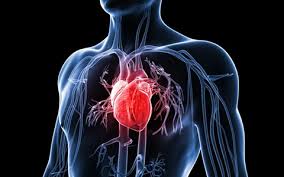
Heart-Related Causes of Chest Pain
Acute Coronary Syndrome
Acute coronary syndrome (ACS) is the most serious and time-sensitive heart-related cause of chest pain. It encompasses STEMI (ST-elevation myocardial infarction), NSTEMI (non-ST-elevation MI), and unstable angina — all representing degrees of acute coronary arterial obstruction from plaque rupture and thrombus formation.
The classic presentation is substernal pressure, squeezing, heaviness, or tightness — often described as “a weight on the chest” or “pressure like a fist.” The pain or discomfort may radiate to the left arm (most classic), jaw, neck, right arm, back, or shoulder. Associated symptoms are diagnostically important: diaphoresis (cold, clammy sweating), dyspnea, nausea or vomiting, and lightheadedness frequently accompany ACS and are not typically present with musculoskeletal or gastrointestinal causes.
Duration helps distinguish ACS from stable angina. Stable angina resolves within 2 to 10 minutes with rest or nitroglycerin. Symptoms lasting more than 20 minutes at rest are ACS until proven otherwise.
Atypical presentations are common and clinically important. Women, elderly adults, and patients with diabetes more frequently experience ACS without classic chest pressure — presenting instead with fatigue, dyspnea, nausea, jaw or back pain, or epigastric discomfort. Approximately 20 to 30 percent of myocardial infarctions cause no recognized chest pain at all (silent MI). The absence of classic chest pain does not rule out ACS.
Stable vs. Unstable Angina
Stable angina is a predictable pattern of chest tightness or pressure that occurs during physical exertion or emotional stress, resolves within 2 to 10 minutes with rest or sublingual nitroglycerin, and reproduces at approximately the same exertional threshold each time. It is caused by a coronary stenosis of 70 percent or greater that limits flow during demand but allows adequate perfusion at rest.
Stable angina, while indicating significant coronary artery disease, is not an emergency when it follows its typical pattern. What converts stable angina to an emergency is any change: new angina in someone who has never had it before, angina at rest, angina lasting longer than usual, or angina triggered at a lower threshold than previously. Any of these changes defines unstable angina — an acute coronary syndrome requiring immediate emergency evaluation.
Aortic Dissection
Aortic dissection must be specifically distinguished from acute MI because the treatments are opposite: thrombolytics and anticoagulation given for a presumed MI will dramatically worsen an aortic dissection.
The hallmark is the character of pain: sudden onset, maximum severity from the moment it begins, described as tearing, ripping, or stabbing — often felt in the back or between the shoulder blades as well as in the chest. Most patients describe it as the worst pain of their life. In contrast to MI, which typically builds gradually, dissection pain is instantaneous and at maximal intensity from the start.
Hypertension is the most important risk factor — present in approximately 70 percent of dissection patients. Other risk factors include Marfan syndrome, bicuspid aortic valve, prior aortic surgery, cocaine use, and pregnancy. Physical findings may include blood pressure differential greater than 20 mmHg between the two arms, pulse deficits, and a new aortic regurgitation murmur. Untreated Type A dissection (involving the ascending aorta) carries a mortality of approximately 1 to 2 percent per hour — among the most time-critical conditions in emergency medicine.
Pericarditis
Pericarditis — inflammation of the pericardial sac surrounding the heart — causes sharp, pleuritic chest pain that worsens with deep breathing, is aggravated when lying flat, and is classically relieved by leaning forward. This positional relief — reduced friction between inflamed pericardial layers when sitting upright and leaning forward — is the most distinctive feature of pericarditis pain.
Pericarditis most commonly follows a viral respiratory illness by 1 to 2 weeks. The classic ECG finding is diffuse saddle-shaped ST elevation in multiple leads with PR-segment depression — distinguishable from the regional ST elevation of STEMI. Treatment is NSAIDs combined with colchicine; colchicine reduces the recurrence rate from approximately 30 percent to under 20 percent. Corticosteroids are avoided as first-line therapy because they increase the recurrence risk.
Myocarditis
Myocarditis is inflammation of the heart muscle, usually from viral infection (most commonly Coxsackie B), producing chest pain that may be dull or sharp, accompanied by dyspnea, palpitations, and fever. Troponin elevation and ECG changes closely mimic ACS. The key distinction from ACS is normal coronary arteries — a young patient with troponin elevation and ECG changes after a viral illness who has normal coronaries on catheterization has myocarditis until proven otherwise. Cardiac MRI is the gold standard for diagnosis, showing midmyocardial or subepicardial enhancement — distinct from ischemic injury patterns. Severity ranges from mild and self-limiting to fulminant, requiring mechanical circulatory support.
Pulmonary Embolism
Pulmonary embolism causes pleuritic chest pain — sharp and worse with breathing — from right heart strain and, when PE causes pulmonary infarction, pleural irritation. Tachycardia and dyspnea are the most consistent findings. Risk factors include recent surgery or immobilization, DVT, active cancer, oral contraceptive use, and thrombophilic conditions. Massive PE with right ventricular failure presents as cardiovascular collapse — making it one of the cardiac causes of chest pain associated with hemodynamic instability.
Non-Cardiac Causes That Mimic Heart Pain
Gastroesophageal reflux disease (GERD) causes burning chest discomfort that may be substernal and radiate to the jaw — remarkably similar to ACS in some patients. Distinguishing features include postprandial onset, worsening when lying flat, and relief with antacids. However, GERD cannot be safely assumed until cardiac causes are excluded.
Musculoskeletal chest pain — including costochondritis and intercostal muscle strain — is typically reproduced or worsened by palpation of the chest wall, specific body positions, or movement. Reproducibility on palpation is the most useful distinguishing feature, though it is not perfectly specific.
Panic attacks produce chest tightness, palpitations, dyspnea, tingling, and a sense of impending doom that clinically mimics ACS. Panic attack is a diagnosis of exclusion: cardiac causes must be appropriately evaluated before attributing chest symptoms to anxiety. A history of anxiety does not protect someone from having a heart attack — both can coexist.
How Chest Pain Is Evaluated in the Emergency Department
A 12-lead ECG must be obtained and reviewed within 10 minutes of arrival — STEMI on ECG initiates immediate cath lab activation, with a door-to-balloon target of 90 minutes. High-sensitivity cardiac troponin (hsTnI or hsTnT) is drawn at 0 hours and again at 1 or 3 hours. Modern 0h/1h or 0h/3h serial troponin algorithms achieve sensitivity greater than 99 percent for excluding NSTEMI.
The HEART score assigns 0 to 2 points each across five domains: History of the chest pain (how typical for ACS), ECG appearance, Age, Risk factors for CAD, and initial Troponin. HEART scores of 0 to 3 identify low-risk patients with a 30-day major adverse cardiovascular event rate of approximately 1.7 percent — safe for discharge with outpatient follow-up. Scores of 4 to 6 are intermediate risk and warrant further observation or testing. Scores of 7 or higher indicate early invasive coronary angiography.
When to Call 911 for Chest Pain
Call 911 immediately — do not drive yourself — in any of these circumstances:
- Chest pain, pressure, tightness, or discomfort lasting more than 5 minutes at rest
- Chest pain accompanied by sweating, nausea, or fainting
- Sudden severe chest or back pain that feels tearing or ripping
- Chest pain with significant shortness of breath
- Chest pain radiating to the arm, jaw, or neck
- Chest pain in anyone with known coronary artery disease, prior heart attack, or prior stenting
- Any chest pain severe enough to wake you from sleep
While waiting for emergency services, chew (do not swallow whole) one 325 mg aspirin or four 81 mg aspirin if you are not allergic to aspirin and have not been told to avoid it. Aspirin’s antiplatelet effect begins within minutes and may reduce clot propagation in ACS. Ambulances provide pre-hospital ECG transmission that enables cath lab activation before the patient arrives — a capability that can reduce total ischemic time by 30 minutes or more compared to a patient who self-presents.
For the atherosclerosis process underlying most cardiac chest pain, see our article on what is atherosclerosis. For a detailed understanding of coronary artery disease, see our article on what is coronary artery disease. For the cardiovascular numbers that help assess your personal risk, see our article on heart health numbers every adult should know.
The American Heart Association provides patient resources on heart attack warning signs. The NIH National Heart, Lung, and Blood Institute explains heart attack symptoms and emergency response. The CDC publishes data on heart attack incidence and emergency response times.
Chest pain is never trivial to investigate when it appears for the first time or changes in character. The cost of a false alarm is a few hours in an emergency department. The cost of dismissing a true cardiac emergency can be irreversible myocardial damage or death. When in doubt, seek care.
Why Chest Pain in Women Is Often Missed
The underrecognition of cardiac chest pain in women is one of the most consequential diagnostic gaps in cardiovascular medicine. Multiple large studies have documented that women presenting with ACS to emergency departments wait longer for an ECG, are less likely to be admitted for monitoring, and are more likely to be discharged without a cardiac workup — leading to higher rates of missed MI and worse short-term outcomes compared with men presenting with equivalent risk profiles.
Several factors contribute. First, women more frequently present with atypical ACS symptoms — fatigue, dyspnea, jaw pain, back pain, nausea — rather than classic substernal pressure. Physicians trained primarily on the male ACS presentation pattern may not recognize these as cardiac equivalents. Second, women on average develop CAD approximately 7 to 10 years later than men, meaning they are older at first presentation and often carry more comorbidities that compete for diagnostic attention. Third, certain ACS subtypes — including spontaneous coronary artery dissection (SCAD), microvascular angina, and plaque erosion rather than rupture — are disproportionately common in women and may not produce the same biomarker elevations or angiographic findings as classic atherosclerotic ACS.
Current ACC/AHA ACS guidelines explicitly address sex-specific ACS presentations. For patients and families, the practical message is: in a woman who presents with unexplained fatigue, severe dyspnea, jaw pain, upper back pain, or nausea — particularly if she has cardiovascular risk factors — cardiac evaluation should be on the table even in the absence of classic chest pressure.
What Happens After a Chest Pain Evaluation Is Negative
A negative emergency chest pain workup — negative serial troponins, non-ischemic ECG, low HEART score — safely excludes ACS in the immediate presentation. But it is not a cardiovascular clean bill of health. It excludes an acute MI or plaque rupture event; it does not evaluate the underlying coronary anatomy, assess stable angina risk, or predict future events.
Patients discharged after a low-risk chest pain evaluation with cardiovascular risk factors — hypertension, diabetes, smoking history, elevated LDL, family history of premature CAD — should have an outpatient cardiology or primary care follow-up within 1 to 2 weeks. If symptoms recur, particularly with exertion or at rest, a formal stress test or coronary CTA is the appropriate next step. The emergency department visit is an opportunity to identify previously unknown cardiovascular risk, initiate conversations about risk factor management, and connect the patient to ongoing preventive care — even when the acute workup is reassuring.
Frequently Asked Questions About Chest Pain
Is all chest pain a heart attack?
No. The majority of chest pain presentations — even in emergency departments — turn out to be non-cardiac: musculoskeletal, gastrointestinal, respiratory, or anxiety-related. However, the overlap in symptoms between cardiac and non-cardiac causes is substantial enough that chest pain should always be evaluated medically rather than self-diagnosed as benign. The key rule: if you are uncertain whether your chest pain is serious, treat it as serious until a medical evaluation says otherwise.
How do I know if my chest pain is a heart attack or acid reflux?
The distinction cannot be made reliably by symptoms alone — which is why emergency physicians use ECG, troponin testing, and risk scoring rather than symptom history alone. Some useful distinctions: GERD pain is typically burning, worsened by lying flat or eating, and may respond to antacids; ACS pain is typically pressure or squeezing and may radiate to the arm or jaw. However, these distinctions are imperfect — some MI patients have antacid-responsive symptoms. When in doubt, seek evaluation rather than self-treating with antacids.
Can anxiety cause chest pain that feels like a heart attack?
Yes. Panic attacks produce chest tightness, palpitations, shortness of breath, tingling, and a sense of impending doom that is clinically indistinguishable from ACS on symptom history alone. Emergency departments evaluate cardiac causes thoroughly before attributing symptoms to anxiety. Importantly, a history of anxiety does not protect someone from having a heart attack — both can coexist, and dismissing chest pain as anxiety without proper evaluation has contributed to missed MIs.
What should I do while waiting for an ambulance for chest pain?
Stay still and seated — do not exert yourself. Call 911 if you have not already done so, and unlock your door so emergency responders can enter if needed. Chew (do not swallow whole) 325 mg of regular aspirin or four baby aspirin (81 mg each) if you are not allergic to aspirin and have not been instructed to avoid it. Loosen any tight clothing. If you have prescribed nitroglycerin for known angina, take it as directed. Stay on the phone with the 911 dispatcher.
Key Takeaways
- Heart-related chest pain ranges from stable angina (not an emergency in its stable pattern) to STEMI (minutes-to-catheterization emergency) — the character, duration, and associated symptoms help distinguish them
- ACS classic presentation: substernal pressure or squeezing, arm/jaw radiation, diaphoresis, nausea; atypical presentations common in women, elderly, diabetics
- Silent MI — no recognized chest pain — occurs in 20 to 30 percent of myocardial infarctions
- Aortic dissection: tearing/ripping pain at maximal intensity from onset, often interscapular; do not give thrombolytics without ruling this out
- Pericarditis: sharp, pleuritic, worse lying flat, better leaning forward; ECG shows diffuse saddle-shaped ST elevation and PR depression
- Myocarditis mimics ACS with troponin elevation but has normal coronary arteries; cardiac MRI is diagnostic
- Non-cardiac mimics: GERD (burning, postprandial), musculoskeletal (reproducible by palpation), panic attack (diagnosis of exclusion)
- HEART score 0–3: low risk, safe for discharge; score ≥7: early invasive strategy; hsTn 0h/1h algorithm: >99% sensitivity for MI
- Call 911 for: chest pain >5 min at rest, with sweating/nausea/syncope, radiation to arm/jaw, tearing quality, in anyone with known CAD
- Chew 325 mg aspirin while waiting for EMS if not contraindicated; do not drive yourself to the hospital
Chest Pain in Special Populations
Older adults present unique challenges in chest pain evaluation. Age-related changes in pain perception mean that elderly patients are more likely to experience ACS with reduced or absent chest pain. In patients over 75, dyspnea, confusion, syncope, and profound fatigue are recognized ACS equivalents — presentations that are easily attributed to other age-related conditions. Older patients with ACS also have higher baseline troponin levels, a higher prevalence of non-ischemic troponin elevation from comorbidities (chronic kidney disease, heart failure), and more complex coronary anatomy — all of which complicate both diagnosis and treatment decisions. Age is an independent predictor of both cardiovascular risk and procedural complication risk, requiring individualized risk-benefit assessment for revascularization.
In younger adults — particularly those under 40 — ACS is uncommon but not absent. Causes of MI in young adults include spontaneous coronary artery dissection (SCAD, predominantly in young women, often peripartum), cocaine or stimulant-induced coronary spasm, inherited thrombophilic conditions, and premature atherosclerosis from familial hypercholesterolemia. Young patients with MI are more likely to present with classic chest pain but are less likely to be suspected of having ACS at triage — contributing to delays in evaluation. Any young adult with unexplained severe chest pain should have a 12-lead ECG and troponin evaluation regardless of perceived low pretest probability.
Diabetic patients with long-standing diabetes and autonomic neuropathy may have completely absent anginal pain despite significant myocardial ischemia — a phenomenon called painless or silent ischemia. In these patients, dyspnea, fatigue, or unexplained glucose deterioration may be the only signals of an acute cardiac event. Diabetic patients with chest discomfort of any character — even if mild or atypical — warrant a lower threshold for cardiac evaluation.
The Role of Risk Factor Management After a Chest Pain Episode
Whether a chest pain evaluation reveals an acute cardiac cause or not, the episode is a clinical prompt to review and address cardiovascular risk factors. A patient who presents with chest pain, receives a negative ACS workup, and is found to have hypertension, LDL of 160 mg/dL, and a 10-year ASCVD risk of 15 percent has just had an opportunity to start preventive therapy that could prevent the heart attack that did not happen yet.
Primary care and cardiology follow-up after a chest pain ED visit should include review of blood pressure, lipid panel, fasting glucose or HbA1c, smoking status, and weight — alongside a frank conversation about what the visit revealed about the patient’s cardiovascular risk trajectory. The ACC/AHA Pooled Cohort Equations can be run at this visit to quantify 10-year ASCVD risk and guide statin therapy decisions. For patients at intermediate risk, coronary artery calcium scoring may be the most efficient next step to clarify whether preventive medication is warranted.
Chest pain that prompts an ED visit but turns out to be non-cardiac — musculoskeletal, gastrointestinal, or anxiety-related — still represents a moment to take stock. Anxiety disorders are independently associated with elevated cardiovascular risk over time. GERD severity often reflects dietary patterns that also promote cardiovascular risk. The conversation that follows a chest pain workup is as important as the workup itself — connecting a frightening symptom to a broader preventive care plan that addresses the long-term risk the symptom revealed.
Thank you for covering chest pain: heart-related causes and when so thoroughly without being overly technical. The practical tips at the end made this immediately actionable, not just theoretical. This gave me real confidence going into my next specialist appointment.
Finally a resource that explains chest pain: heart-related causes and when in plain language. The practical tips at the end made this immediately actionable, not just theoretical. This gave me real confidence going into my next specialist appointment.
This is one of the clearest explanations of chest pain: heart-related causes and when I have found. I appreciated how the article addressed both the clinical side and the practical lifestyle adjustments. This is going into my health binder that I bring to every doctor’s visit.
This is one of the clearest explanations of chest pain: heart-related causes and when I have found. The section on managing this condition day-to-day was especially useful for planning. Keep up this kind of thorough health journalism — it genuinely helps patients like me.
I never fully understood chest pain: heart-related causes and when until I read this. What I liked most was that the article didn’t just say what to avoid — it also gave alternatives. I wish I had found this article earlier — would have saved a lot of confusion.
I shared this article on chest pain: heart-related causes and when with my doctor and they appreciated the level of detail. I especially valued the explanation of why these recommendations exist, not just what they are. Appreciate the effort that went into researching and writing this — it shows.