
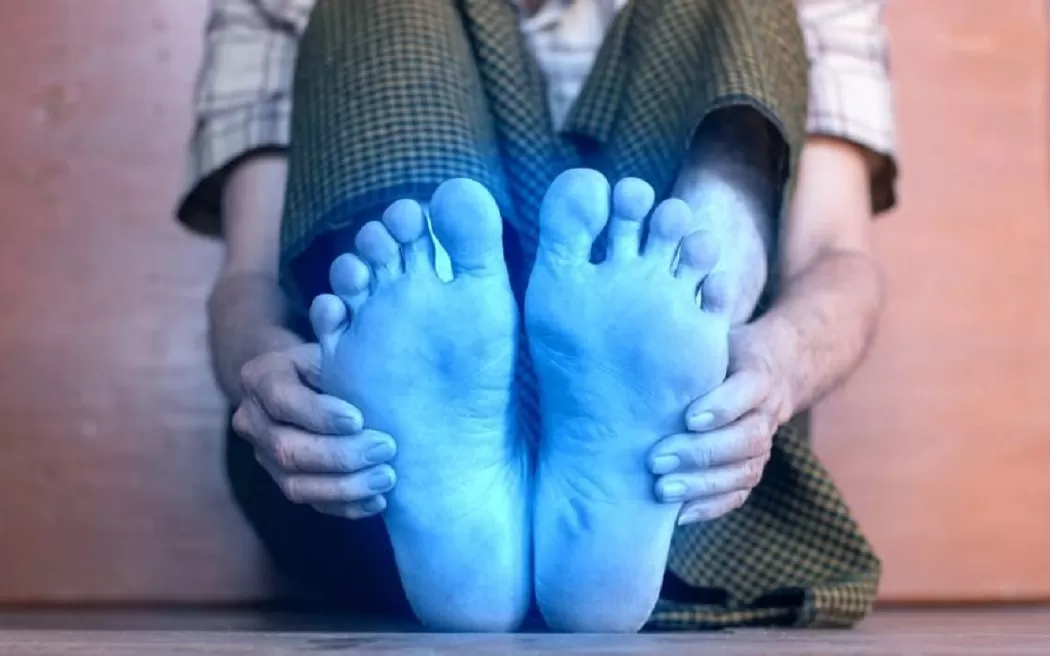
Cold hands and feet are among the most common complaints in primary care — and one of the most commonly dismissed. The body’s instinct to protect its core temperature by redirecting blood away from the extremities is a normal and well-designed physiological response to cold exposure. But when cold extremities occur in warm environments, persist long after rewarming, cause significant discomfort, involve dramatic color changes, or are associated with pain, ulcers, or other symptoms, they can be signaling a disorder of the circulatory system that requires evaluation and treatment. Understanding the spectrum of circulation causes behind cold hands and feet — from the common and benign to the serious and limb-threatening — helps identify when this familiar symptom deserves medical attention.
Normal Temperature Regulation and When It Goes Wrong
The body maintains core temperature through a tightly regulated balance between heat production and heat loss. When environmental temperature drops, the sympathetic nervous system triggers cutaneous vasoconstriction — narrowing of the small arteries and arterioles supplying the skin of the extremities. This shunts blood toward vital organs and away from the skin, reducing heat loss. The hands and feet, with their large surface area relative to their volume and their prominent cutaneous vascular beds, are the first areas to feel this effect: they cool rapidly with cold exposure and warm again within minutes of rewarming. This is a normal, healthy response. The problem arises when this vasoconstrictive response is exaggerated, triggered by stimuli that should not provoke it, or when it occurs because blood flow to the extremities is genuinely reduced by arterial disease, reduced cardiac output, or other pathological processes.
Raynaud’s Phenomenon: The Most Common Circulatory Cause
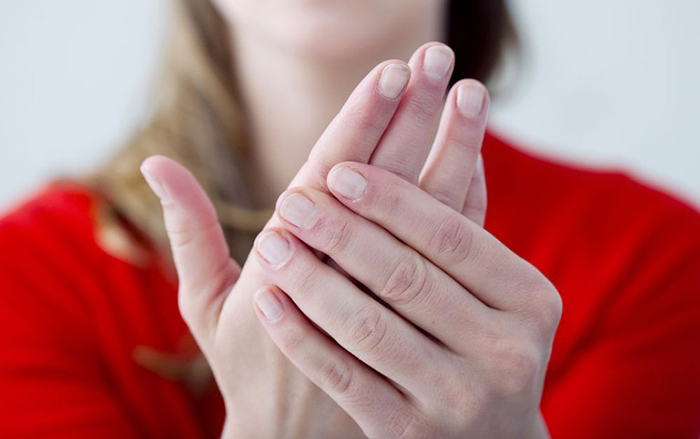
Raynaud’s phenomenon is the most common circulatory cause of cold hands and is defined by an exaggerated vasospastic response to cold exposure or emotional stress that produces characteristic color changes in the fingers. The classic presentation is a triphasic color sequence: the affected fingers turn white (pallor) as vasospasm cuts off blood flow, then blue (cyanosis) as the deoxygenated blood remaining in the capillaries is further depleted, then red (reactive hyperemia) as vasospasm releases and blood rushes back in. This sequence, though not always complete in every episode, is virtually diagnostic of Raynaud’s when observed or reported.
Raynaud’s phenomenon is divided into primary and secondary forms. Primary Raynaud’s — also called Raynaud’s disease — occurs without any underlying medical condition and is the more common form. It predominantly affects young women, typically begins in adolescence or early adulthood, produces symptoms that are uncomfortable but not dangerous, and does not cause permanent tissue damage. Episodes are triggered by cold and emotional stress and typically last 15 to 30 minutes before resolving with rewarming.
Secondary Raynaud’s — occurring in the context of an underlying disease — is more clinically significant. The most common underlying condition is systemic sclerosis (scleroderma), in which Raynaud’s may precede other disease manifestations by years and is associated with structural microvascular abnormalities that make episodes more severe and prolonged. Other connective tissue diseases that commonly cause secondary Raynaud’s include systemic lupus erythematosus, mixed connective tissue disease, Sjogren’s syndrome, and rheumatoid arthritis. In secondary Raynaud’s, episodes are more severe, may not fully resolve with rewarming, and can progress to digital ulcers or, in extreme cases, digital gangrene. Several medications can cause or worsen Raynaud’s: beta-blockers reduce peripheral vasodilation, ergotamine migraine medications are potent vasoconstrictors, and certain chemotherapy agents (bleomycin, cisplatin) cause endothelial damage and vasospasm. Vibration tool use (jackhammers, chainsaws) causes occupational vibration white finger, a form of secondary Raynaud’s from repeated mechanical trauma to the digital vasculature.
Peripheral Arterial Disease: Cold Feet from Narrowed Arteries
Peripheral arterial disease (PAD) is caused by atherosclerotic narrowing of the arteries supplying the lower extremities, most commonly the iliac, femoral, popliteal, and tibial arteries. Unlike Raynaud’s — which involves vasospasm of normal vessels — PAD involves fixed anatomical narrowing that limits maximum blood delivery. The cardinal symptom is intermittent claudication — cramping pain in the calf, thigh, or buttock that begins predictably after a fixed amount of walking and is completely relieved by a few minutes of rest. As PAD progresses, claudication occurs at shorter walking distances and eventually transitions to rest pain — pain in the foot and toes at rest, typically worse at night — which signals critical limb ischemia and the risk of tissue loss.
On examination, PAD produces cold, pale feet with diminished or absent dorsalis pedis and posterior tibial pulses, prolonged capillary refill, and sometimes skin changes including thinning, hair loss over the dorsum of the foot, and nail changes. The ankle-brachial index (ABI) — the ratio of ankle systolic blood pressure to brachial systolic blood pressure — is the standard noninvasive diagnostic test: a value of 0.9 or less indicates PAD; a value of 0.4 or less indicates critical limb ischemia with high risk of amputation without revascularization. Smoking is the most powerful modifiable risk factor for PAD, followed by diabetes, hypertension, hyperlipidemia, and age over 50. Diabetic PAD is further complicated by peripheral neuropathy, which reduces pain sensation and allows arterial insufficiency to progress undetected; diabetic patients with cold, insensate feet require careful regular foot examination.
Heart Failure and Reduced Cardiac Output
In patients with advanced heart failure, cold extremities — particularly cold, clammy hands — reflect the peripheral vasoconstriction that the body uses to maintain blood pressure in the setting of severely reduced cardiac output. When the heart cannot pump sufficient blood forward, the sympathetic nervous system and RAAS trigger profound peripheral vasoconstriction to preserve perfusion of the brain and heart at the expense of the extremities. This produces the “cold and wet” hemodynamic profile — poor peripheral perfusion with pulmonary congestion — that characterizes advanced decompensated heart failure and requires urgent intervention. Cold, clammy extremities in a patient with known heart failure — particularly when accompanied by low blood pressure, altered mental status, or markedly reduced urine output — indicate cardiogenic shock or its precursors and should prompt immediate medical evaluation.
Other Vascular and Non-Vascular Causes
Thoracic outlet syndrome — compression of the subclavian artery, vein, or brachial plexus between the first rib and clavicle — produces a characteristically unilateral cold hand and arm. Symptoms include arm fatigue and pain with overhead activities and intermittent coldness and pallor of the entire hand. Buerger’s disease (thromboangiitis obliterans) is an inflammatory occlusive condition of the small and medium arteries of the hands and feet that occurs almost exclusively in young men who smoke heavily; it can produce severe digital coldness, ischemic ulcers, and gangrene, and cessation of smoking is the only effective intervention.
Hypothyroidism reduces the basal metabolic rate, decreasing body heat production and producing cold intolerance — including cold hands and feet — as one of its most common symptoms. It also produces bradycardia and can reduce cardiac output. Anemia reduces the oxygen-carrying capacity of the blood; when the tissues must extract more oxygen from a reduced supply, peripheral blood appears more cyanotic, contributing to subjective coldness. Anxiety and emotional stress trigger sympathetic vasoconstriction, producing cold, clammy hands in acute stress responses; in patients with anxiety disorders, chronic sympathetic activation can cause persistent cold hands that are distinguished from Raynaud’s by the absence of the triphasic color change.
How to Distinguish the Cause
Several clinical features help narrow the differential diagnosis of cold hands and feet. Unilateral coldness affecting one hand or foot should always raise concern for a focal vascular cause: arterial embolism, PAD limited to one limb, thoracic outlet syndrome, or subclavian steal syndrome. Bilateral, symmetric coldness is more consistent with systemic causes: Raynaud’s, hypothyroidism, anemia, medication effects, or heart failure.
The triphasic color change of white-blue-red, triggered by cold or emotional stress, is almost pathognomonic of Raynaud’s phenomenon. Pain with walking that is relieved by rest, combined with diminished pedal pulses, points strongly to PAD. The presence of skin tightening on the fingers or face, digital ulcers, swallowing difficulty, or dry eyes and mouth alongside Raynaud’s should raise suspicion for secondary Raynaud’s in the context of a connective tissue disease and prompt evaluation by a rheumatologist. A thorough medication review should always be performed, as beta-blockers and ergotamine derivatives are frequent and reversible causes of cold extremities.
Evaluation and Treatment
Evaluation begins with a systematic history and physical examination. Pulse examination of the radial, femoral, popliteal, dorsalis pedis, and posterior tibial arteries identifies absent or diminished pulses. Capillary refill time provides a rapid bedside measure of peripheral perfusion. The ABI is the first-line diagnostic test for suspected PAD. Nailfold capillaroscopy — microscopic examination of the capillaries at the base of the fingernails — is used by rheumatologists to detect the abnormal capillary patterns characteristic of scleroderma and other connective tissue diseases in patients with suspected secondary Raynaud’s. Blood tests include a complete blood count (for anemia), TSH (for hypothyroidism), and antinuclear antibody (ANA) with specific autoantibodies (anti-Scl-70 for diffuse scleroderma, anti-centromere for limited scleroderma) in patients with suspected connective tissue disease. Duplex ultrasound, computed tomographic angiography (CTA), or magnetic resonance angiography (MRA) provide detailed arterial anatomy in patients with PAD requiring revascularization planning.
Treatment depends entirely on the underlying cause. For primary Raynaud’s, the cornerstone is behavioral modification: wearing layered clothing and warm gloves, avoiding cold exposure, and managing emotional stress. When behavioral measures are insufficient, calcium channel blockers — particularly nifedipine and amlodipine — are the first-line pharmacological treatment, reducing vasospasm frequency and severity. For severe secondary Raynaud’s, phosphodiesterase-5 inhibitors (sildenafil) and intravenous prostanoids (iloprost) are used for refractory cases or digital ulcers. For PAD, smoking cessation is the single most important intervention and significantly slows disease progression. A supervised exercise rehabilitation program significantly improves walking distance and is recommended as a first-line treatment for claudication. Antiplatelet therapy, statin therapy, and cardiovascular risk factor control address the atherosclerotic process. For limb-threatening ischemia, revascularization through endovascular angioplasty and stenting or surgical bypass restores blood flow and prevents amputation.
When to Seek Urgent Evaluation
Sudden onset of unilateral extremity coldness with pain, pallor, and absent pulses in a previously normal limb suggests acute arterial occlusion — a medical emergency requiring immediate vascular evaluation. Digital ulcers or blackened (gangrenous) fingertips in the setting of color changes require urgent assessment for severe Raynaud’s, critical limb ischemia, or systemic disease. Rest pain in the foot — constant pain in the toes and foot that worsens at night — indicates critical limb ischemia from PAD and requires urgent vascular referral. Cold hands or feet accompanied by joint pain, skin changes (tightening, thickening), swallowing difficulty, or dry eyes and mouth suggest a connective tissue disease requiring rheumatological evaluation.
Frequently Asked Questions
Are cold hands always a sign of Raynaud’s phenomenon?
No. Cold hands have many causes, and Raynaud’s is just one of them. What specifically points toward Raynaud’s is the combination of cold hands with the characteristic triphasic color change — white, then blue, then red — triggered by cold or emotional stress. Cold hands without color changes are more likely to reflect temperature-appropriate vasoconstriction, anemia, hypothyroidism, medication effects, or anxiety rather than Raynaud’s. If you have recurring color changes in your fingers triggered by cold or stress, it is worth mentioning to your physician even if episodes seem brief or manageable, to distinguish primary from secondary Raynaud’s and ensure appropriate evaluation.
Can cold feet be the first sign of peripheral arterial disease?
Yes. Cold feet — particularly when unilateral or accompanied by diminished pulses, slow capillary refill, or claudication pain — can be the presenting symptom of PAD before ulcers or critical ischemia develop. Many patients dismiss cold feet as an age-related change or attribute them to venous insufficiency without undergoing an ABI measurement, which is a simple bedside test that can identify PAD early. If you are over 50 with cardiovascular risk factors (smoking, diabetes, hypertension) and notice persistent coldness or paleness in one or both feet, an ABI measurement with your primary care physician is a reasonable first step.
Why do beta-blockers make my hands and feet cold?
Beta-blockers reduce cold extremities through two mechanisms. First, they block beta-2 adrenergic receptors in the peripheral vasculature that normally promote vasodilation, leaving alpha-1 vasoconstriction unopposed and producing peripheral vasoconstriction. Second, some beta-blockers reduce cardiac output, further limiting peripheral blood delivery. This effect is more pronounced with non-selective beta-blockers (propranolol, carvedilol) than with beta-1 selective agents (metoprolol, bisoprolol). If beta-blocker-induced cold extremities are significantly affecting quality of life, discussing a switch to a cardioselective beta-blocker or an alternative antihypertensive class with your physician is reasonable — though medication changes should never be made without medical guidance.
Can improving my heart failure treatment warm my cold hands and feet?
Yes, in patients whose cold extremities are driven by reduced cardiac output from heart failure. As guideline-directed medical therapy improves ventricular function and cardiac output, the compensatory peripheral vasoconstriction that the body uses to maintain blood pressure diminishes, and peripheral perfusion improves. Patients with advanced heart failure who respond well to optimization of heart failure medications — or who receive cardiac resynchronization therapy, left ventricular assist devices, or transplantation in end-stage disease — frequently notice improved warmth and color in their extremities as peripheral perfusion is restored. This is one of the clinical signs that cardiologists track as a marker of hemodynamic improvement.
For broader context on circulation and leg symptoms, see our article on leg swelling and heart health. For reference cardiovascular values relevant to circulatory health, see heart health numbers every adult should know. For information on heart rate changes that accompany reduced cardiac output, see our article on what resting heart rate tells you about your health.
The American Heart Association provides comprehensive information on peripheral artery disease and its relationship to heart health. The National Heart, Lung, and Blood Institute explains PAD diagnosis, risk factors, and treatment options. The CDC provides population-level data on PAD and its relationship to cardiovascular risk.
Cold hands and feet are a symptom that deserves to be taken seriously when persistent, symptomatic, or accompanied by any of the warning features described here. The causes range from the entirely benign — primary Raynaud’s in a young woman who finds her fingers turn white in the freezer aisle — to the potentially limb-threatening — critical limb ischemia from PAD in a long-term smoker whose foot is cool, pulseless, and beginning to develop an ulcer. Accurate diagnosis requires a systematic approach guided by the pattern of coldness, associated symptoms, and risk factors, and the treatments available today can substantially improve both symptoms and outcomes across this broad spectrum of circulatory causes.
Raynaud’s Phenomenon: Living With the Condition
For patients with primary Raynaud’s, the long-term prognosis is excellent. The condition is benign, does not progress to tissue damage, and often improves spontaneously in some patients over time. The goal of management is minimizing the frequency and duration of episodes. Beyond calcium channel blockers, several additional strategies are helpful. Keeping the whole body warm — not just the hands — is as important as local warming, because hypothermia of the torso triggers the same vasoconstrictive reflex that affects the extremities. Chemical hand warmers, battery-heated gloves, and immediate transition from outdoor cold to warm indoor environments reduce episode frequency. Biofeedback — training patients to voluntarily warm their fingers by visualizing blood flowing into them — has demonstrated modest efficacy in clinical trials and is a useful adjunct for motivated patients who prefer to minimize medication.
For patients with secondary Raynaud’s — particularly those with systemic sclerosis — the condition is closely integrated with the underlying disease and requires more aggressive management. Nailfold capillaroscopy plays an important role in monitoring the progression of microvascular damage in scleroderma: the pattern of capillary loss, avascular areas, and giant capillaries on capillaroscopy tracks with disease severity and helps predict the risk of digital ulcers. Patients with scleroderma-related Raynaud’s benefit from rheumatological co-management, with the goal of treating the underlying fibrotic and vascular process while aggressively managing the vasospastic component. Digital sympathectomy — surgical interruption of the local sympathetic nerves to the digits — is a last-resort option for severe refractory digital ischemia in secondary Raynaud’s when all medical options have been exhausted.
PAD and Cardiovascular Risk: The Systemic Dimension
Peripheral arterial disease is not an isolated lower-extremity problem — it is a marker of systemic atherosclerosis that carries significant cardiovascular risk. Patients with PAD have a 10-to-15-fold increased risk of myocardial infarction and stroke compared to the general population, and their 10-year cardiovascular event rate is comparable to that of patients with a prior heart attack. This systemic risk is the reason that PAD management extends well beyond treating the leg symptoms: statin therapy, antiplatelet therapy (aspirin or clopidogrel), antihypertensive control (targeting systolic blood pressure below 130 mmHg in most patients), and aggressive diabetes management are all components of comprehensive PAD care because they reduce the risk of heart attack and stroke, not just limb loss.
The overlap between PAD and coronary artery disease is substantial: approximately 30 percent of patients with PAD have significant coronary artery disease, and up to 40 percent of patients presenting for coronary bypass surgery have concomitant PAD. This means that a patient with cold, pale feet and diminished pedal pulses may also have narrowed coronary arteries that place them at risk for myocardial infarction — even if they have no cardiac symptoms. PAD is therefore an important reason to perform a thorough cardiovascular risk assessment and consider coronary artery evaluation in patients at high risk. The discovery of PAD from symptoms of cold feet or claudication should prompt a comprehensive cardiovascular evaluation rather than isolated management of the leg problem.
Small Vessel Disease and Microvascular Causes
Beyond the large-vessel diseases of PAD and Raynaud’s, several small-vessel conditions cause cold extremities through impairment of microcirculatory flow. Diabetic microangiopathy — thickening and fibrosis of the walls of small arteries and capillaries from chronic hyperglycemia — reduces blood flow to the skin and soft tissues of the feet. Combined with peripheral neuropathy, which eliminates the pain warning that would normally prompt patients to seek care, diabetic microangiopathy creates the dangerous condition of insensate, poorly perfused feet that are vulnerable to undetected injuries, ulcers, and infection. Careful glycemic control and regular foot examinations are essential for preventing the progression from cold, neuropathic feet to limb-threatening complications.
Vasculitis — inflammation of blood vessel walls from autoimmune conditions such as giant cell arteritis, polyarteritis nodosa, or ANCA-associated vasculitis — can produce ischemia of the extremities when it involves vessels supplying the hands and feet. Cold agglutinin disease, in which an abnormal IgM antibody causes red blood cell agglutination in the cold peripheral circulation, produces a syndrome of Raynaud’s-like color changes, livedo reticularis (a net-like purplish skin discoloration), and hemolytic anemia. Cryoglobulinemia — precipitation of abnormal proteins in cold temperatures within small vessels — causes similar findings and is associated with hepatitis C infection. These less common causes are worth considering when cold extremities are accompanied by unusual skin findings, unexplained anemia, or a known underlying systemic condition.
I have been reading about cold hands and feet: understanding circulation for weeks and this is the most thorough guide I have found. The article answered questions I didn’t even know I had until I started reading. Forwarding this to others in my support group who are dealing with similar issues.
My cardiologist recommended I look into cold hands and feet: understanding circulation and this article covered it perfectly. What I liked most was that the article didn’t just say what to avoid — it also gave alternatives. Keep up this kind of thorough health journalism — it genuinely helps patients like me.
Came across this while researching cold hands and feet: understanding circulation for a family member. The specific numbers and thresholds mentioned are exactly what I needed to understand my lab results. Looking forward to reading more articles from this website.
Really well-written article on cold hands and feet: understanding circulation. The connection between lifestyle choices and long-term outcomes is explained clearly here. This gave me real confidence going into my next specialist appointment.
Really well-written article on cold hands and feet: understanding circulation. What I liked most was that the article didn’t just say what to avoid — it also gave alternatives. Exactly the kind of evidence-based information that is hard to find in one place.
This breakdown of cold hands and feet: understanding circulation is exactly what patients need before a specialist appointment. It is refreshing to see an article that acknowledges individual variation rather than one-size-fits-all advice. This is going into my health folder that I bring to every doctor’s visit.