
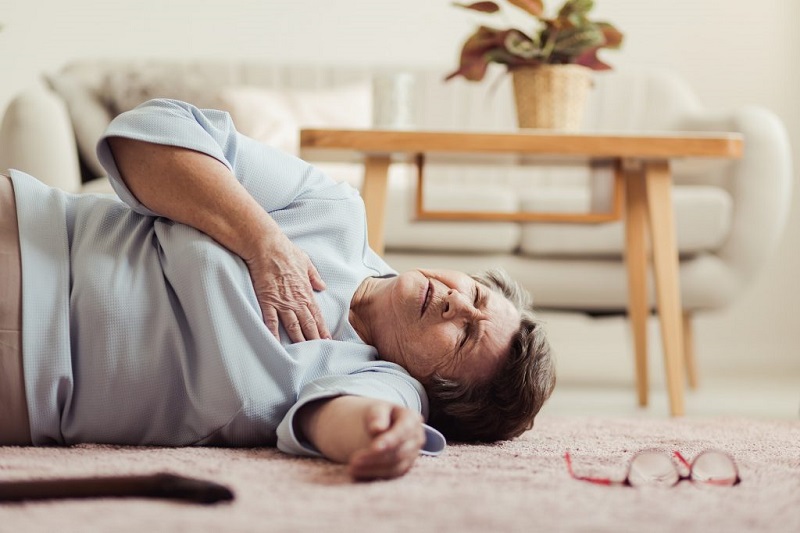
Fainting and heart rhythm problems are more closely connected than many people appreciate. While the vast majority of fainting episodes — medically termed syncope — arise from benign causes such as the common vasovagal reaction, a clinically important subset are caused by cardiac arrhythmias or structural heart disease. These cardiac causes of fainting carry a substantially different prognosis than benign vasovagal syncope and, in some cases, represent a warning event before sudden cardiac death. Learning to distinguish dangerous cardiac fainting from its benign counterparts, and understanding which heart rhythm problems are responsible, is essential for anyone who has experienced or witnessed a fainting episode.
What Happens in the Brain and Heart During Fainting
Syncope is defined as a transient, self-terminating loss of consciousness caused by global cerebral hypoperfusion — insufficient blood flow reaching the entire brain simultaneously. The brain requires continuous blood flow to maintain consciousness; at rest, cessation of cerebral perfusion for as little as six to eight seconds produces loss of consciousness. In a standing individual, this threshold is reached faster because less cerebral perfusion pressure is available against gravity.
In cardiac syncope, the mechanism is a sudden and severe reduction in cardiac output — either from an arrhythmia that prevents the heart from pumping effectively, or from a structural obstruction that limits blood delivery per beat. When cardiac output drops below the threshold necessary to maintain cerebral perfusion, consciousness is lost within seconds. The defining feature of cardiac syncope is its abruptness: the patient collapses with little or no warning, falls to the ground (often sustaining injuries), and may have brief myoclonic jerks (anoxic seizure activity from cerebral hypoxia) that mislead observers into thinking they witnessed a seizure. These brief muscle twitches differ from true epileptic seizures, which involve sustained tonic-clonic movements, post-ictal confusion, and tongue biting. Recovery from syncope is rapid because the underlying cause typically self-terminates — the arrhythmia converts or the patient’s fall to horizontal restores cerebral perfusion — distinguishing syncope from cardiac arrest, in which the arrhythmia does not self-terminate and requires external defibrillation.
Heart Rhythm Problems That Cause Fainting
Ventricular tachycardia (VT) — a rapid, abnormal heart rhythm originating in the ventricles — produces fainting by driving the heart rate so fast that the ventricles have insufficient time to fill with blood between contractions, causing a dramatic collapse in cardiac output. Sustained VT above 150–180 beats per minute typically produces syncope within seconds to minutes; VT can degenerate into ventricular fibrillation (VF), in which case the patient will not recover without defibrillation and the episode becomes a cardiac arrest. VT occurs most commonly in patients with structural heart disease — particularly prior MI with scar tissue that creates abnormal electrical circuits — and in inherited arrhythmia syndromes.
Complete heart block (third-degree AV block) is one of the most classic causes of fainting and heart rhythm problems. In complete heart block, conduction between atria and ventricles is entirely interrupted, so the ventricles beat at a slow escape rate of 20–40 bpm. The resulting sudden bradycardia causes profound reduction in cardiac output and typically produces sudden loss of consciousness without any warning — historically known as a Stokes–Adams attack. Sick sinus syndrome produces syncope through prolonged pauses in sinus node firing lasting three seconds or more. Torsades de pointes — polymorphic VT associated with a prolonged QT interval — causes fainting through episodes of fast, disorganized ventricular activity that reduce cardiac output to near zero. Torsades can be congenital (long QT syndrome) or acquired from medications that prolong the QT interval, including certain antibiotics (azithromycin, fluoroquinolones), antipsychotics (haloperidol, quetiapine), and antiarrhythmics (amiodarone, sotalol).
Structural Heart Disease Causing Fainting
Hypertrophic cardiomyopathy (HCM) is the most well-known structural cause of exertional syncope and sudden cardiac death in young people, including trained athletes. In HCM, abnormal thickening of the interventricular septum creates dynamic obstruction of the left ventricular outflow tract during exertion — the more vigorous the cardiac contraction, the more the hypertrophied septum obstructs outflow, paradoxically reducing cardiac output. Exertional syncope in a young patient without a prodrome and without an obvious vasovagal trigger should be considered HCM until proven otherwise, warranting urgent echocardiographic evaluation and restriction from competitive athletics until the diagnosis is clarified.
Severe aortic stenosis produces the classic clinical triad of angina, syncope, and dyspnea, signaling advanced disease. Exertional syncope in aortic stenosis occurs because the fixed obstruction prevents cardiac output from increasing during exertion while peripheral vasodilation from exercise simultaneously drops vascular resistance — causing systemic blood pressure to fall and cerebral perfusion to fail. Cardiac tamponade — fluid accumulation in the pericardial sac compressing the heart — and massive pulmonary embolism — acutely overloading the right heart — both cause syncope through severely restricted cardiac filling and output.
Vasovagal Fainting vs. Cardiac Fainting: The Critical Distinction
The single most important clinical distinction is the presence or absence of a prodrome before loss of consciousness. Vasovagal syncope almost universally produces a recognizable prodrome: warmth spreading across the face and chest, pallor, nausea, progressive lightheadedness, narrowing of vision, muffled hearing, and an overwhelming urge to sit or lie down. This prodrome provides an opportunity to protect oneself from injury before losing consciousness.
Cardiac syncope from ventricular arrhythmias or complete heart block typically has no prodrome or only the briefest warning of palpitations immediately before collapse. The person drops to the ground without warning and often sustains injuries from the fall. This absence of prodrome is the single most clinically important feature distinguishing high-risk from low-risk syncope: any syncopal episode without a recognizable prodrome in an adult, particularly in a person with known heart disease or during exertion, should be presumed to have a cardiac arrhythmic cause until definitively proven otherwise. Additional distinguishing features include the positional independence of cardiac syncope — vasovagal syncope requires the upright position, whereas arrhythmic syncope can occur in any position including lying down — and recovery pattern: vasovagal recovers within seconds to a minute of lying flat, while cardiac syncope may involve prolonged confusion or progression to arrest.
Red Flags That Make Fainting a Medical Emergency
Several features should prompt immediate emergency evaluation rather than delayed follow-up. Exertional syncope — loss of consciousness during physical exercise, not merely after stopping — suggests structural heart disease (HCM, aortic stenosis) or exercise-triggered arrhythmia and requires same-day evaluation. Syncope without any warning prodrome suggests arrhythmic cause. Syncope in the supine or sitting position cannot be explained by vasovagal mechanisms and points to a cardiac arrhythmic or structural cause. Syncope accompanied by chest pain, palpitations, or shortness of breath immediately before or after the episode suggests an arrhythmic or ischemic trigger. Syncope resulting in injury from an unprotected fall indicates no warning was available, pointing to abrupt arrhythmic syncope.
Family history of sudden cardiac death before age 50, or personal or family history of inherited arrhythmia syndromes (long QT syndrome, Brugada syndrome, HCM, arrhythmogenic right ventricular cardiomyopathy), dramatically elevates the probability of a dangerous cardiac cause. An abnormal ECG — showing prolonged QTc, Brugada pattern, pre-excitation (delta waves of Wolff–Parkinson–White), complete heart block, or evidence of prior MI — similarly raises the urgency of the evaluation.
How Fainting from Heart Rhythm Problems Is Diagnosed
The diagnostic evaluation begins with a 12-lead ECG at the first medical contact for all syncopal episodes. It is non-invasive, takes five minutes, and can immediately identify high-risk patterns: complete heart block, high-degree AV block, prolonged QT interval, Brugada pattern, delta waves of WPW, or evidence of prior MI. Ambulatory cardiac monitoring is the most important diagnostic tool for infrequent syncope: a 24–48 hour Holter monitor for very frequent events, a 30-day event recorder for less frequent episodes, or an implantable loop recorder (ILR) lasting up to three years for recurrent unexplained syncope. Echocardiography is indicated when structural heart disease is suspected. Exercise stress testing is appropriate when syncope occurs during exertion. Tilt table testing confirms suspected neurally-mediated syncope when arrhythmic causes have been excluded.
Treatment Options for Cardiac Syncope
Treatment is directed at the specific underlying arrhythmia or structural cause. Complete heart block and symptomatic sick sinus syndrome with syncope-producing pauses are treated with permanent pacemaker implantation. Patients with sustained VT, VF arrest, or high-risk structural heart disease require an implantable cardioverter-defibrillator (ICD) — a device that continuously monitors cardiac rhythm and delivers an internal shock to terminate life-threatening ventricular arrhythmias. Catheter ablation cures several arrhythmias: accessory pathway ablation for WPW, VT circuit ablation for post-MI scar-related VT, and SVT circuit ablation. For aortic stenosis with syncope, valve replacement — surgical or transcatheter (TAVR) — removes the obstruction. For vasovagal syncope, adequate hydration, avoidance of triggers, and physical counter-pressure maneuvers (leg crossing and tensing, handgrip) applied at the onset of prodromal symptoms reduce recurrence.
Understanding the cause of fainting through appropriate cardiac investigation, including awareness of irregular heartbeat causes and heart palpitation patterns, is the foundation for selecting the correct treatment. Monitoring key heart health numbers provides additional cardiovascular context. Authoritative resources on arrhythmia management are available from the American Heart Association, the National Heart, Lung, and Blood Institute, and the CDC.
Inherited Arrhythmia Syndromes That Cause Fainting
A group of inherited channelopathies — genetic disorders affecting the ion channels that generate and conduct cardiac electrical impulses — cause fainting and heart rhythm problems in people who have structurally normal hearts and no coronary disease. These conditions are particularly important because they affect young people, can cause sudden cardiac death as the first manifestation without any prior warning, and are not detectable on a standard echocardiogram since the heart’s structure appears entirely normal. Their diagnosis depends on ECG pattern recognition, genetic testing, and a high index of clinical suspicion.
Long QT syndrome (LQTS) is the most common inherited channelopathy, caused by mutations in genes encoding cardiac potassium, sodium, or calcium channels that prolong the QT interval and predispose to Torsades de pointes. LQTS presents with syncope during exercise (LQT1, the most common subtype — triggered by swimming or startling) or at rest/auditory stimulation (LQT2 — alarm clocks, sudden loud noises). Treatment includes beta-blockers, avoidance of QT-prolonging medications, and ICD for high-risk patients. Brugada syndrome is caused by a sodium channel mutation (SCN5A gene) that produces a characteristic ECG pattern (coved ST elevation in V1–V2) and predisposes to VF, most commonly at rest, during sleep, or with fever. A clinically important point is that fever can unmask or worsen the Brugada ECG pattern and trigger VF in affected individuals — patients with known Brugada syndrome should aggressively treat fevers and avoid drugs known to provoke the Brugada pattern.
Arrhythmogenic right ventricular cardiomyopathy (ARVC) involves progressive fibro-fatty replacement of right ventricular myocardium, creating a substrate for VT that originates from the RV. ARVC presents in young adults with VT-related syncope or SCD, often triggered by exercise or endurance training. The ECG may show an epsilon wave (a small deflection after the QRS in right precordial leads) and T-wave inversions in V1–V3. Diagnosis requires cardiac MRI documenting RV structural abnormalities. Affected patients must avoid competitive and endurance sports, as exercise accelerates disease progression and triggers arrhythmia. Catecholaminergic polymorphic VT (CPVT) produces bidirectional or polymorphic VT exclusively triggered by exercise or emotional stress in people with structurally normal hearts and normal resting ECGs. It is caused by mutations in the ryanodine receptor (RyR2) gene, which regulates calcium handling in cardiomyocytes. Beta-blockers and flecainide are the primary medical treatments; ICD is added for high-risk patients. CPVT is reliably diagnosed by exercise stress testing, which reproduces the characteristic VT pattern.
Syncope in Athletes: Special Considerations
Exertional syncope in athletes is a medical emergency that demands immediate and thorough cardiac evaluation before the athlete is cleared to return to sport. The differential diagnosis of exertional syncope in an athlete includes HCM, ARVC, CPVT, severe aortic stenosis, anomalous coronary artery origin (a congenital abnormality where the coronary artery originates from the wrong sinus and can be compressed during exertion), commotio cordis (VF triggered by a blunt chest blow at a specific cardiac cycle timing), and myocarditis (cardiac inflammation, often post-viral, that creates an arrhythmic substrate).
The challenge in athlete syncope is that highly trained endurance athletes also develop physiological cardiac changes — increased vagal tone, enlarged cardiac chambers, bradycardia — that can produce benign vasovagal episodes during intense exercise or in the immediate post-exercise period when venous pooling reduces preload. Post-exercise vasovagal syncope — occurring in the minutes after stopping intense exercise — is generally benign and related to the abrupt cessation of the leg muscle pump (which was returning venous blood to the heart) while the heart rate is still elevated. Syncope during exercise (not after) is far more concerning for a structural or arrhythmic cause and should be treated as a high-risk event.
Standard pre-participation cardiovascular screening for competitive athletes varies by country but typically includes a history focusing on syncope, palpitations, family history of SCD, and a physical examination. Many countries and sports organizations recommend or require a 12-lead ECG as part of pre-participation screening, following the International Criteria for ECG interpretation in athletes (Drezner criteria) that distinguish truly abnormal ECG findings from the physiological ECG changes of athletic training. Athletes with ECG findings suggesting HCM, ARVC, WPW, Brugada, or long QT require further evaluation before sports participation clearance.
Neurally-Mediated Syncope Variants Beyond Classic Vasovagal
The vasovagal reflex that underlies the most common form of fainting can be triggered by specific physiological situations beyond the classic triggers of prolonged standing, heat, pain, or emotional distress. These situational syncope variants share the same final pathway of vagal activation producing bradycardia and vasodilation, but have distinct triggering contexts that help identify them.
Micturition syncope — fainting associated with urination, typically occurring in older men urinating at night — results from the combination of vagal stimulation from bladder emptying, overnight pooling of venous blood from prolonged supine positioning, and the upright posture assumed for urination. Cough syncope occurs in patients with chronic obstructive pulmonary disease or other conditions producing vigorous, sustained coughing: the prolonged increased intrathoracic pressure from coughing reduces venous return and activates a vasovagal reflex. Carotid sinus hypersensitivity produces syncope from pressure on the carotid sinus — turning the head while wearing a tight collar, shaving the neck, or spontaneous sinus stimulation causes exaggerated bradycardia and hypotension. Carotid sinus massage (performed under supervised conditions) can reproduce this syndrome and guide management. Defecation syncope occurs from Valsalva-mediated venous return reduction combined with vagal activation during straining at stool.
All of these situational syncopes are benign in terms of their neurally-mediated mechanism, but they require medical attention to exclude cardiac causes, especially in older patients where the structural and arrhythmic risk is higher. When the history points convincingly to a specific situational trigger and the cardiac evaluation (ECG, echocardiogram) is normal, reassurance and situational modification (urinating seated for micturition syncope, cough suppressant treatment, avoiding tight collars for carotid sinus hypersensitivity) are typically sufficient.
Living with Cardiac Syncope: ICDs, Driving, and Activity Restrictions
For patients in whom fainting and heart rhythm problems have been attributed to a serious ventricular arrhythmia and treated with an ICD, several important lifestyle and safety considerations apply in the months following implantation. Driving restrictions after ICD implantation vary by country and jurisdiction, but most guidelines recommend a driving restriction of three to six months after an ICD shock or arrhythmic syncope event, on the basis that if VT recurs while driving, the driver poses a danger to themselves and others during the period before the ICD delivers therapy. Patients who receive an ICD for primary prevention (without a prior VT/VF episode) typically face shorter or no mandatory driving restrictions depending on regional guidelines.
Physical activity after ICD implantation is generally encouraged, with the important exception of avoiding sports where an ICD shock during play could cause secondary injury (extreme sports, solo swimming, contact sports where device trauma is a risk). Cardiac rehabilitation provides a structured, monitored framework for resuming exercise after ICD implantation or after arrhythmic syncope, with continuous telemetry monitoring during sessions to document rhythm behavior during exertion and build confidence in the device’s protection. Regular ICD device checks (typically every three to six months) allow remote monitoring of stored electrograms, battery status, lead integrity, and any arrhythmia episodes that occurred between visits, enabling the cardiologist to adjust programming to minimize inappropriate shocks (ICD shocks for non-VT rhythms such as SVT or artifact) while maintaining protection against true VT/VF.
For patients with vasovagal syncope, the psychosocial impact can be significant — fear of losing consciousness in public, anxiety about driving, or embarrassment about episodes — even though the condition is medically benign. Structured patient education about the trigger-prodrome-response cycle, practical training in counter-pressure maneuvers, and reassurance about the benign long-term prognosis typically reduce both the frequency of episodes and the anxiety burden. Support groups and cardiac rehabilitation programs that include vasovagal education can provide meaningful help for patients whose syncopal episodes are frequent enough to impair quality of life despite their non-dangerous nature.
When to Call 911 for a Fainting Episode
Not every fainting episode requires an emergency ambulance call, but several specific circumstances make 911 the correct immediate response. Call emergency services when: the person does not regain full consciousness within one to two minutes of lying flat; the person regains consciousness but has persistent chest pain, shortness of breath, or palpitations; the person sustains a significant head injury, laceration, or fracture from the fall; the fainting occurred during physical exercise rather than after stopping; there is a known history of cardiac disease, structural heart condition, or prior arrhythmia; or the person has no prodrome and no identifiable vasovagal trigger. In any of these situations, the risk of an underlying cardiac cause — or a serious injury — is high enough to warrant paramedic-level evaluation and cardiac monitoring en route to the hospital.
Bystanders should not attempt to put anything in the mouth of a person who has fainted, even if brief muscle twitching is observed — these anoxic jerks are not an epileptic seizure and do not require mouth protection. The appropriate immediate response is to gently lower the person to the floor (if they have not already fallen), place them in the supine position with legs elevated slightly to promote cerebral blood flow, loosen any tight clothing around the neck and chest, and monitor breathing and pulse while waiting for recovery or for EMS arrival. If the person does not have a pulse and is not breathing normally, CPR should be initiated immediately while someone else calls 911.
For individuals with a documented history of vasovagal syncope and a recognized prodrome, the trained response is different: at the first sensation of prodromal symptoms (warmth, tunnel vision, nausea), immediately perform physical counter-pressure maneuvers — either leg crossing with maximum leg and abdominal muscle tension, or both hands gripped into fists with arm and chest muscles tensed — while sitting or crouching rather than standing. These maneuvers, validated in the Physical Counterpressure Manoeuvres trial (PC-Trial), significantly increase peripheral vascular resistance and abort the vasovagal syncope before it progresses to loss of consciousness in the majority of patients who can apply them consistently at the onset of the prodrome.
This is one of the clearest explanations of fainting and heart rhythm problems I have found. It is refreshing to see an article that acknowledges individual variation rather than giving one-size-fits-all advice. Looking forward to reading more articles from this website.
Thank you for covering fainting and heart rhythm problems so thoroughly without being overly technical. I especially valued the explanation of why these recommendations exist, not just what they are. Exactly the kind of evidence-based information that is hard to find in one place.
As someone dealing with this personally, the fainting and heart rhythm problems section was very helpful. I have tried following advice from several sources but this is the most consistent with what my specialist told me. Thank you for making complex medical information accessible without dumbing it down.
Finally a resource that explains fainting and heart rhythm problems in plain language. What I liked most was that the article didn’t just say what to avoid — it also gave alternatives. Will definitely be coming back to this site for more health information.
As someone dealing with this personally, the fainting and heart rhythm problems section was very helpful. This is the kind of evidence-based writing that actually changes how people approach their health. Looking forward to reading more articles from this website.
Came across this while researching fainting and heart rhythm problems for a family member. The article answered questions I didn’t even know I had until I started reading. Appreciate the effort that went into researching and writing this — it shows.