
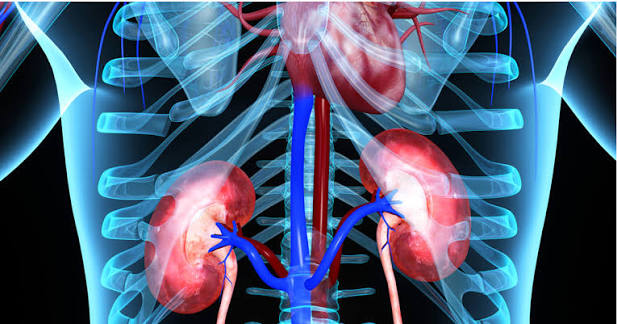
High blood pressure and kidney health are locked together in one of the most consequential vicious cycles in medicine. Hypertension damages the kidneys’ microscopic filtration units, reducing their ability to regulate blood volume and pressure — which in turn causes the kidneys to raise blood pressure further, driving more kidney damage, setting up a self-reinforcing cycle that progressively reduces kidney function toward end-stage renal disease. Hypertension is the second leading cause of end-stage renal disease (ESRD) in the United States, after diabetic nephropathy, accounting for approximately 26 to 30 percent of all patients who reach kidney failure and require dialysis or transplantation. Among patients already living with chronic kidney disease (CKD), hypertension is nearly universal: it is present in approximately 80 to 90 percent of CKD patients and becomes more prevalent and more severe as kidney function declines. Understanding the mechanisms connecting high blood pressure and kidney disease, the early warning signs of kidney damage, and the treatment strategies that protect both simultaneously is essential for anyone managing hypertension — because kidney protection and blood pressure control are not separate goals, they are the same goal achieved through the same interventions.
How the Kidneys Normally Regulate Blood Pressure
The kidneys are the primary long-term regulators of blood pressure in the human body — a role that operates through three major physiological systems that maintain blood pressure in a narrow range suited to adequate organ perfusion without causing vascular injury.
The most fundamental mechanism is volume regulation through pressure natriuresis. When blood pressure rises, the kidneys respond by increasing the excretion of sodium and water in the urine, reducing circulating blood volume and thereby lowering blood pressure back toward normal. When blood pressure falls, the kidneys retain more sodium and water, expanding blood volume and restoring pressure. When this mechanism is impaired — by loss of nephron mass, by sodium excess overwhelming the excretory capacity, or by diseases that activate the renin-angiotensin-aldosterone system inappropriately — sustained hypertension is the inevitable result.
The renin-angiotensin-aldosterone system (RAAS) is the kidneys’ hormonal response to perceived inadequate perfusion. Specialized cells in the juxtaglomerular apparatus release renin when they detect reduced renal arterial pressure or increased sympathetic stimulation. Renin triggers a cascade producing angiotensin II — a potent vasoconstrictor that raises systemic vascular resistance, stimulates aldosterone release (causing sodium retention), and directly promotes renal sodium reabsorption. In the context of CKD and hypertension, maladaptive RAAS activation perpetuates hypertension even when blood pressure is already elevated.
The third mechanism involves renal afferent nerves, which carry sensory information from the kidney to the central nervous system. In CKD, damaged kidneys send abnormal afferent signals that chronically increase central sympathetic nervous system activity, raising heart rate, cardiac output, and systemic vascular resistance — contributing to the sympathetically-driven hypertension characteristic of advanced kidney disease.
How High Blood Pressure Damages the Kidneys
Each kidney contains approximately one million glomeruli — tiny capillary tufts that are the primary filtration units of the kidney. Blood is filtered under pressure through the glomerular basement membrane by specialized cells called podocytes, which form slit-pore filtration barriers that prevent large molecules (like albumin) from passing into the filtrate. Hypertension disrupts this by transmitting elevated systemic blood pressure to the glomerular capillaries — a process called glomerular hypertension. The resulting high intraglomerular pressure mechanically stresses the glomerular basement membrane, injures the podocytes, and activates endothelial cells to produce inflammatory and profibrotic factors. Over time, this repeated injury leads to podocyte detachment, glomerulosclerosis (scarring of the glomerular tuft), and loss of individual nephron function.
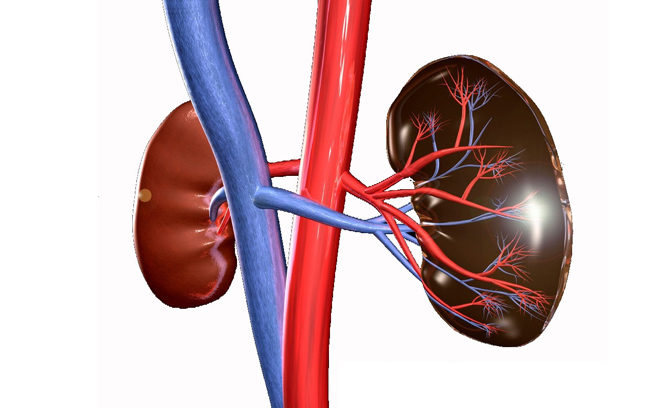
Angiotensin II plays a particularly important role in glomerular hypertension: it preferentially constricts the efferent arteriole (the blood vessel leaving the glomerulus) more than the afferent arteriole (the vessel entering), which raises intraglomerular pressure above what would be predicted from systemic blood pressure alone. This is the mechanistic basis for the specific renoprotective effect of ACE inhibitors and angiotensin receptor blockers — by blocking angiotensin II, these agents reduce efferent arteriolar tone, lowering intraglomerular pressure and thereby protecting the glomerulus even when systemic blood pressure reduction is modest.
In the small arteries and arterioles supplying the kidney, chronic hypertension causes hyaline arteriosclerosis — thickening of the vessel wall that narrows the lumen and impairs autoregulation of glomerular blood flow. The combination of glomerulosclerosis, arteriolar hyalinosis, tubular atrophy, and interstitial fibrosis constitutes the pathological picture of hypertensive nephrosclerosis — the renal diagnosis given to kidney damage primarily caused by chronic hypertension.
Albuminuria: The Early Warning Signal
The earliest detectable marker of hypertensive kidney damage is the appearance of albumin in the urine. Under normal circumstances, the intact glomerular filtration barrier prevents albumin from passing into the filtrate. When hypertensive injury damages the glomerular basement membrane and podocytes, albumin begins leaking into the urine in amounts that exceed the tubular capacity for reabsorption, producing measurable albuminuria.
Microalbuminuria — defined as a urine albumin-to-creatinine ratio (UACR) of 30 to 300 milligrams per gram — is the earliest stage of detectable kidney damage from hypertension and is also a recognized independent cardiovascular risk marker. Macroalbuminuria — UACR above 300 mg/g — reflects more advanced glomerular damage and is associated with substantially higher rates of progressive GFR decline and ESRD.
The clinical significance of albuminuria extends beyond kidney prognosis: it is also a strong predictor of cardiovascular events including myocardial infarction and stroke, independent of blood pressure level and GFR. Clinical guidelines recommend annual measurement of the UACR in all patients with hypertension. Reducing albuminuria to the lowest achievable level is a validated intermediate treatment target that correlates with long-term kidney and cardiovascular protection.
How Kidney Disease Raises Blood Pressure: The Vicious Cycle
When kidney function is compromised, the mechanisms that normally maintain blood pressure homeostasis are disrupted in ways that systematically push blood pressure higher, creating the vicious cycle that drives simultaneous progression of both conditions.
The most direct mechanism is sodium retention from reduced nephron mass. As nephrons are lost, the kidneys lose the ability to excrete sodium efficiently at any given blood pressure, shifting the pressure-natriuresis relationship to the right: a higher blood pressure is now needed to achieve the same degree of sodium excretion that a healthy kidney would achieve at normal pressure. This shift produces volume-dependent hypertension that is particularly sensitive to dietary sodium intake and responsive to diuretic therapy.
Maladaptive RAAS overactivation in CKD perpetuates hypertension even when systemic blood pressure is already elevated. Ischemic and scarred areas within the diseased kidney release renin as if renal perfusion were inadequate, generating angiotensin II-mediated vasoconstriction and aldosterone-driven sodium retention. Increased sympathetic nervous system activity, reduced nitric oxide production, and excess endothelin-1 from damaged kidney endothelium further compound the vasoconstriction. The net effect is a profoundly dysregulated vasomotor state that makes blood pressure control increasingly difficult as kidney function worsens.
The Long-Term Consequences: Hypertensive Nephrosclerosis to ESRD
The progressive loss of nephrons to hypertensive injury follows a predictable trajectory. Initially, surviving nephrons compensate by hyperfiltrating — each remaining nephron increases its individual filtration rate to maintain overall kidney clearance. However, hyperfiltration itself is injurious: the elevated flow and pressure through surviving glomeruli accelerates their own destruction, converting compensation into maladaptation.
As nephron loss becomes extensive — generally when GFR falls below 60 mL/min/1.73 m² (CKD Stage 3) — laboratory markers of kidney dysfunction begin to rise. End-stage renal disease (ESRD) — defined as GFR below 15 mL/min/1.73 m² or the initiation of kidney replacement therapy — represents the final consequence of this progressive cycle. Among the approximately 800,000 Americans currently on dialysis or living with a kidney transplant, hypertension (or combined hypertension and diabetes) is the documented primary cause in over 60 percent.
Blood Pressure Targets in Chronic Kidney Disease
Current KDIGO 2021 guidelines and the 2017 ACC/AHA hypertension guidelines both recommend a blood pressure target of less than 130/80 mmHg for adults with CKD, regardless of whether diabetes is present or absent. The SPRINT trial CKD subgroup, which included participants with eGFR of 20 to 59 mL/min/1.73 m², demonstrated that intensive blood pressure control below 120 mmHg systolic produced cardiovascular benefits similar to those in the overall trial, with the higher absolute benefit reflecting the elevated baseline risk of CKD patients. Concerns about acute kidney injury events in the intensive SPRINT arm were largely resolved by follow-up analyses showing most events were mild and transient.
ACE Inhibitors, ARBs, and Why They Are Special for Kidney Protection
Among the major antihypertensive medication classes, ACE inhibitors and angiotensin receptor blockers occupy a uniquely important position in the management of hypertension with kidney disease — not only because they lower blood pressure, but because they protect the kidney through mechanisms that operate beyond blood pressure reduction.
The key renoprotective mechanism is the selective dilation of the efferent arteriole. By blocking angiotensin II-mediated efferent arteriolar constriction, ACE inhibitors and ARBs reduce intraglomerular pressure, decreasing proteinuria and slowing the progression of glomerulosclerosis. The landmark IDNT trial (irbesartan in diabetic nephropathy) and RENAAL trial (losartan in diabetic nephropathy) both demonstrated that ARB therapy reduced the progression of CKD to ESRD and reduced proteinuria independently of blood pressure-lowering effect.
ACE inhibitors and ARBs predictably cause a modest rise in serum creatinine when initiated in patients with CKD — typically 10 to 20 percent — which paradoxically indicates that the medication is working as intended by reducing intraglomerular pressure. This expected creatinine rise should not prompt discontinuation unless the rise exceeds approximately 30 percent above baseline or serum potassium rises to dangerous levels. Combining an ACE inhibitor and an ARB together — dual RAAS blockade — is specifically contraindicated: the ONTARGET trial demonstrated that the combination produced no additional benefit while substantially increasing the risks of hyperkalemia and acute kidney injury.
Other Antihypertensives in CKD and the Role of SGLT2 Inhibitors
Diuretics are essential for controlling the volume-dependent component of CKD-related hypertension. In early to moderate CKD (eGFR above 30), thiazide diuretics — particularly chlorthalidone — effectively reduce blood pressure and sodium retention. As CKD advances below an eGFR of approximately 30, loop diuretics (furosemide, torsemide) are needed. Calcium channel blockers, particularly amlodipine, provide effective additional blood pressure lowering in CKD and are generally well-tolerated.
SGLT2 inhibitors — originally developed as glucose-lowering medications for type 2 diabetes — have emerged as one of the most important advances in cardiorenal medicine. The DAPA-CKD trial (dapagliflozin) and CREDENCE trial (canagliflozin) demonstrated that SGLT2 inhibitors reduce the progression of CKD, reduce albuminuria, and reduce cardiovascular events in patients with CKD — and the DAPA-CKD trial extended this benefit to patients with CKD without diabetes. The renoprotective mechanism includes reducing hyperfiltration through tubuloglomerular feedback, reducing intraglomerular pressure — complementary to the mechanism of ACE inhibitors and ARBs.
Lifestyle Changes for Protecting Blood Pressure and Kidney Health
Dietary sodium restriction is the most impactful single dietary change for patients with both hypertension and CKD. A sodium intake of less than 2,000 to 2,300 mg per day is recommended for CKD patients, and many with advanced CKD or resistant hypertension benefit from further restriction. Reducing sodium intake also enhances the antiproteinuric effect of ACE inhibitors and ARBs.
Avoiding nephrotoxic substances is critically important for CKD patients. Non-steroidal anti-inflammatory drugs (NSAIDs) — including over-the-counter ibuprofen and naproxen — cause acute afferent arteriolar constriction that acutely reduces GFR and can precipitate AKI or accelerate CKD progression in patients with reduced kidney reserve. Patients with established CKD should avoid regular NSAID use and should discuss any over-the-counter pain management needs with their healthcare provider.
Regular physical activity improves insulin sensitivity, lowers blood pressure, reduces proteinuria, and slows the progression of CKD. Weight management — particularly reducing abdominal obesity — directly reduces glomerular hyperfiltration in obese patients and improves both blood pressure control and kidney function trajectory. Smoking cessation is also specifically renoprotective: smoking accelerates CKD progression through worsened hypertension, increased sympathetic nervous system activity, and direct endothelial toxic effects on glomerular capillaries.
For patients trying to understand the full scope of how blood pressure affects their body, learning what high blood pressure is and what normal blood pressure looks like at different ages provides foundational context. Understanding the common causes of high blood pressure is relevant to identifying which risk factors are driving the kidney-blood pressure cycle. Learning about nighttime blood pressure patterns is particularly relevant for CKD patients, who commonly have non-dipping patterns that accelerate kidney damage. Authoritative guidance on kidney disease and blood pressure is available from the American Heart Association, the CDC, and the National Heart, Lung, and Blood Institute.
High blood pressure and kidney health are inseparable in both their pathophysiology and their management. The bidirectional relationship between them — where hypertension damages the kidney and kidney damage worsens hypertension — means that allowing either condition to go uncontrolled will inevitably worsen the other. The combination of antihypertensive medications with specific renoprotective properties — particularly ACE inhibitors, ARBs, and SGLT2 inhibitors — can slow progression significantly when started early and maintained consistently.
Renovascular Hypertension: When Kidney Arteries Cause High Blood Pressure
One important and potentially reversible form of kidney-related hypertension is renovascular hypertension — blood pressure elevation caused by narrowing of the arteries that supply the kidneys. When the renal artery on one or both sides is significantly stenotic, the affected kidney perceives reduced perfusion pressure and responds by overactivating the RAAS, producing severe and often treatment-resistant hypertension. Renovascular hypertension accounts for approximately 1 to 5 percent of all hypertension cases but represents a much higher proportion of cases of resistant or refractory hypertension.
Two distinct populations are affected. In older patients — particularly those with widespread atherosclerosis, diabetes, and a history of coronary or peripheral vascular disease — atherosclerotic renal artery stenosis is the most common form. The renal artery ostium (the origin of the renal artery from the aorta) is the most common site of stenosis, and the condition may be bilateral. In younger patients — particularly women of reproductive age — fibromuscular dysplasia (FMD) of the renal artery is the dominant form. FMD is a non-inflammatory, non-atherosclerotic disease of the arterial wall that produces a characteristic “string of beads” appearance on angiography, reflecting alternating areas of stenosis and microaneurysm formation. Unlike atherosclerotic renal artery stenosis, FMD responds very well to percutaneous balloon angioplasty and can often be cured with a single intervention.
Clinical clues to renovascular hypertension include: hypertension onset before age 30 (especially in women) or abrupt worsening of previously controlled hypertension; blood pressure that is resistant to three or more antihypertensive agents; an audible abdominal bruit over the renal arteries; flash pulmonary edema without clear cardiac cause; and a disproportionate rise in creatinine after initiating ACE inhibitor or ARB therapy (which reduces perfusion pressure to the stenotic kidney). Duplex ultrasound of the renal arteries is a non-invasive first-line screening test; CT angiography or MR angiography is used for more definitive assessment. Renal artery revascularization — by angioplasty with or without stenting for atherosclerotic disease, or by angioplasty alone for FMD — can improve or resolve hypertension in appropriately selected patients.
Potassium Management in CKD: Enabling Continued RAAS Blockade
One of the most clinically challenging aspects of managing hypertension in patients with chronic kidney disease is the risk of hyperkalemia — elevated serum potassium — associated with the ACE inhibitors and ARBs that are otherwise the cornerstone of renoprotective therapy. The kidney normally excretes potassium through a process stimulated by aldosterone acting on the distal nephron. In CKD, reduced nephron mass impairs potassium excretion, and the additional reduction in aldosterone activity caused by ACE inhibitors and ARBs further compromises potassium handling. The result is that many CKD patients develop elevated serum potassium when RAAS-blocking medications are started or dose-escalated — and historically, this hyperkalemia has forced clinicians to reduce the dose or discontinue these renoprotective agents, leaving the patient inadequately protected.
A significant advance in this area has been the development of new potassium binders — medications that bind potassium in the gastrointestinal tract and prevent its absorption, reducing serum potassium levels without the limitations of older binders like sodium polystyrene sulfonate. Patiromer (Veltassa) and sodium zirconium cyclosilicate (Lokelma) have been shown in clinical trials to effectively reduce serum potassium in CKD patients with hyperkalemia, and importantly, their use has been associated with the ability to maintain or resume ACE inhibitor and ARB therapy in patients who would otherwise have had to discontinue it. This represents a meaningful advance for patients with CKD and hypertension: the ability to control hyperkalemia pharmacologically and thereby preserve access to the renoprotective medications that are most important for slowing CKD progression.
CKD patients receiving ACE inhibitors, ARBs, or SGLT2 inhibitors should have serum potassium and creatinine monitored regularly — typically within one to two weeks of initiating or increasing the dose of a RAAS-blocking agent, and periodically thereafter. Dietary potassium counseling — reducing intake of very high-potassium foods such as certain fruits, vegetables, and salt substitutes that use potassium chloride — is also a component of hyperkalemia management in advanced CKD.
When to Evaluate for Kidney Damage in a Hypertensive Patient
All patients with newly diagnosed hypertension should have a baseline evaluation of kidney function that includes serum creatinine with an estimated GFR (eGFR) calculation, a basic metabolic panel to assess electrolytes and glucose, and a spot urine sample for albumin-to-creatinine ratio (UACR). These three data points together establish whether CKD is already present at the time of hypertension diagnosis, what the degree of kidney impairment is, and whether early glomerular injury (albuminuria) is detectable. A renal ultrasound may be added when renovascular hypertension, polycystic kidney disease, or obstructive uropathy is suspected based on clinical presentation.
Thereafter, monitoring frequency should be adjusted to the individual patient’s CKD stage, the rate of change in eGFR and albuminuria over time, and the medications being used. Patients with progressive CKD (sustained eGFR decline of more than 5 mL/min/1.73 m² per year, or eGFR already below 30) should be referred to a nephrologist for collaborative management. The combination of a nephrologist’s expertise in kidney disease management and a primary care clinician’s or cardiologist’s focus on comprehensive cardiovascular risk reduction provides the best long-term outcomes for patients with both hypertension and CKD.
I have been reading about high blood pressure and kidney health for weeks and this is the most thorough guide I have found. It is refreshing to see an article that acknowledges individual variation rather than giving one-size-fits-all advice. Keep up this kind of thorough health journalism — it genuinely helps patients like me.
Bookmarked this article on high blood pressure and kidney health immediately — going to reference it regularly. The specific numbers and thresholds mentioned are exactly what I needed to understand my lab results. This is going into my health binder that I bring to every doctor’s visit.
Finally a resource that explains high blood pressure and kidney health in plain language. The section on managing this condition day-to-day was especially useful for meal planning. Looking forward to reading more articles from this website.
This is one of the clearest explanations of high blood pressure and kidney health I have found. The specific numbers and thresholds mentioned are exactly what I needed to understand my results. Keep up this kind of thorough health journalism — it genuinely helps patients like me.
Really well-written article on high blood pressure and kidney health. The section on managing this condition day-to-day was especially useful for planning. Thank you for making complex medical information accessible without dumbing it down.
This breakdown of high blood pressure and kidney health is exactly what patients need before a specialist appointment. The article answered questions I didn’t even know I had until I started reading. Exactly the kind of evidence-based information that is hard to find in one place.