
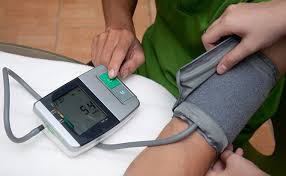
Normal blood pressure by age is not a single fixed number that applies equally to a 25-year-old and a 75-year-old. Blood pressure changes across the lifespan in predictable ways, and understanding what a reading means requires the context of where you are in life. While the clinical definition of optimal blood pressure — less than 120/80 mmHg — applies broadly to adults, the prevalence of hypertension, the patterns of blood pressure change, the treatment targets used by physicians, and the risks associated with specific readings all vary substantially by age group. This article explains what normal blood pressure by age looks like from young adulthood through old age, how blood pressure changes physiologically over time, and when a reading at any age warrants a conversation with a healthcare provider.
What Normal Blood Pressure Means and Why 120/80 Is the Reference Point
The 2017 American College of Cardiology / American Heart Association guideline defines blood pressure categories for adults that form the foundation for interpreting any reading. Normal blood pressure is systolic (upper number) below 120 mmHg and diastolic (lower number) below 80 mmHg. Elevated blood pressure — systolic between 120 and 129 mmHg with diastolic still below 80 — is not yet hypertension but signals that cardiovascular risk is beginning to rise and lifestyle modification is warranted. Stage 1 hypertension begins at 130/80 mmHg; Stage 2 at 140/90 mmHg. A hypertensive crisis — requiring urgent evaluation — is defined as blood pressure at or above 180/120 mmHg.
The 120/80 reference point was selected based on population-level epidemiological data showing that cardiovascular risk begins to rise continuously above this threshold. In the Prospective Studies Collaboration meta-analysis of over one million adults, cardiovascular mortality risk doubled for each 20 mmHg rise in systolic or 10 mmHg rise in diastolic above a baseline of 115/75 mmHg. Both the systolic and diastolic numbers matter independently: systolic pressure reflects the peak arterial force from cardiac contraction; diastolic reflects the residual arterial pressure during cardiac relaxation. Isolated elevation of either has cardiovascular significance.
Normal Blood Pressure for Children and Adolescents
Blood pressure interpretation in children and adolescents cannot be done using the adult categories of 120/80 as normal. Because blood pressure in youth varies significantly based on age, height, and sex, the 2017 American Academy of Pediatrics guideline classifies pediatric blood pressure using percentile tables derived from normative population data. Normal blood pressure in children is defined as below the 90th percentile for age, sex, and height. Elevated blood pressure is blood pressure at or above the 90th percentile but below the 95th percentile, or a reading of 120/80 mmHg or higher (whichever is lower). Stage 1 hypertension in children is from the 95th to the 99th percentile plus 12 mmHg; Stage 2 is above the 99th percentile plus 12 mmHg.
What this means practically is that a blood pressure reading of 115/75 mmHg might be perfectly normal for a tall 17-year-old adolescent, but elevated for a small 8-year-old child. Pediatric hypertension is increasingly recognized — driven largely by the obesity epidemic — and matters because blood pressure elevation in childhood tracks into adulthood. Children with elevated blood pressure are more likely to have hypertension as adults, and early-onset hypertension is associated with greater lifetime cardiovascular risk. Secondary causes of hypertension are more common in children than in adults and should be evaluated, particularly in younger children; causes include renal parenchymal disease, renovascular disease, and coarctation of the aorta.
Normal Blood Pressure for Young Adults (Ages 18–39)
For adults in the 18–39 age range, the optimal blood pressure target remains below 120/80 mmHg. In population surveys, the average blood pressure in healthy young adults is approximately 119/70 mmHg in women and 120/76 mmHg in men, with individual variation in either direction within the normal range. However, the 2017 ACC/AHA criteria classify approximately 23% of adults aged 18–39 as having Stage 1 or Stage 2 hypertension — a prevalence that reflects how commonly elevated blood pressure develops even in young adults, driven by high rates of obesity, poor diet, physical inactivity, and high dietary sodium in modern populations.
Hypertension in young adults is often undetected because young adults are less likely to attend regular preventive healthcare visits where blood pressure would be measured, and the absence of symptoms makes self-recognition impossible. Men in this age group have higher average blood pressure and higher hypertension prevalence than women of the same age — partly explained by the vasodilatory effects of estrogen in premenopausal women. The cardiovascular consequences of hypertension developing in young adulthood are significant because the cumulative duration of blood pressure elevation matters enormously: a 30-year-old with Stage 2 hypertension who remains undiagnosed and untreated has decades of exposure ahead that substantially amplifies lifetime cardiovascular risk.
Normal Blood Pressure for Middle-Aged Adults (Ages 40–59)
Blood pressure tends to rise progressively during the middle adult years, and the prevalence of hypertension increases markedly in the 40–59 age range. According to NHANES data, approximately 54% of adults aged 40–59 meet the 2017 ACC/AHA criteria for hypertension. The optimal target remains below 120/80 mmHg, but the proportion of the population achieving this level without medication declines substantially compared to young adulthood. The rise in blood pressure during middle age reflects progressive arterial stiffening, increasing activation of the renin-angiotensin-aldosterone system, rising rates of obesity and metabolic syndrome, and declining physical activity levels.
For middle-aged adults, the 40s and 50s are often the decade during which hypertension is first diagnosed and first treated. Hypertension detected and controlled during the middle decades substantially reduces the accumulation of target organ damage that drives heart attack, stroke, heart failure, and kidney disease risk in later life. Women approaching and passing menopause often experience an acceleration of blood pressure rise during this period, as the loss of estrogen increases arterial stiffness and removes the protective vasodilatory effect of sex hormones.

Normal Blood Pressure for Older Adults (Ages 60–79)
In adults aged 60–79, isolated systolic hypertension — elevated systolic blood pressure with diastolic in the normal or below-normal range — becomes increasingly common as the dominant pattern. This occurs because large elastic arteries stiffen with age, reducing their ability to buffer the systolic pressure wave generated by cardiac contraction. The prevalence of hypertension by the 2017 ACC/AHA criteria reaches approximately 74% in adults 65 and older.
The SPRINT trial enrolled adults ⁉50 years with elevated cardiovascular risk and randomized them to an intensive systolic target of below 120 mmHg versus a standard target of below 140 mmHg. The intensive treatment arm achieved a 25% reduction in major cardiovascular events and a 27% reduction in all-cause mortality — findings that strongly influenced the 2017 ACC/AHA guideline’s recommendation of below 130/80 mmHg for most adults with hypertension, including those 65 and older. The SPRINT MIND sub-study found that intensive blood pressure control also reduced the progression of mild cognitive impairment.
The potential downsides of intensive blood pressure targets in older adults include the risk of hypotension, falls, syncope, and electrolyte abnormalities. In patients with substantial frailty, orthostatic hypotension, history of falls, or multiple comorbidities limiting life expectancy, treatment targets must be individualized rather than mechanically applied. Understanding normal blood pressure by age in this group requires accounting for the individual’s overall physiological status alongside the population-level trial evidence.
Normal Blood Pressure for Adults Over 80
For adults in their eighties and beyond, blood pressure management requires the most careful individualization of any age group. Arterial stiffness is extreme, isolated systolic hypertension is near-universal among those with any blood pressure elevation, and concurrent frailty, polypharmacy, orthostatic hypotension, and cognitive impairment make aggressive blood pressure lowering potentially harmful for many individuals even while it remains beneficial for others. The key evidence comes from the HYVET trial, which enrolled adults 80 years or older with sustained systolic blood pressure of 160 mmHg or higher. Treatment to a target of below 150/80 mmHg reduced the rate of fatal or nonfatal stroke by 30%, total cardiovascular events by 34%, and all-cause mortality by 21% — establishing that treatment is beneficial even in octogenarians robust enough to participate in a clinical trial.
For the very elderly with frailty, dementia, or limited mobility, a higher blood pressure target — perhaps below 150/80 or even below 160/90 — may be more appropriate than pursuing values below 130/80. Orthostatic hypotension — a drop in systolic blood pressure of 20 mmHg or more upon standing — is common in elderly adults and becomes more common with antihypertensive medication, increasing fall risk. Blood pressure management in adults over 80 should always involve the treating physician weighing the population-level evidence against the individual patient’s functional status and goals of care.
How Blood Pressure Changes with Age: The Physiological Explanation
The progressive rise of systolic blood pressure across adulthood is primarily driven by the loss of arterial compliance that occurs as a normal part of aging and is dramatically accelerated by hypertension, diabetes, and atherosclerosis. Young arteries are elastic because their walls contain abundant elastin — a protein that allows arteries to distend under systolic pressure and recoil during diastole, buffering the pressure wave and helping maintain diastolic pressure. With aging, elastin becomes stiffer, is replaced in part by less distensible collagen, and the media accumulates calcium and lipid. These structural changes progressively reduce arterial compliance and increase pulse wave velocity — the speed at which the systolic pressure wave travels through the arterial tree — which translates directly into higher measured systolic blood pressure and a widened pulse pressure.
Sex differences in blood pressure trajectory add another important dimension to understanding normal blood pressure by age. Before approximately age 55, men have higher average blood pressure and higher hypertension prevalence than women. After menopause, the pattern reverses: women’s blood pressure rises more steeply, and by ages 65–75, hypertension prevalence is similar between sexes or higher in women. Estrogen promotes vasodilation through endothelial nitric oxide synthesis, suppresses sympathetic nervous system activity, and has direct effects on reducing arterial stiffness. The loss of estrogen at menopause removes these protective cardiovascular effects and accelerates the arterial aging processes that drive hypertension.
How to Measure Your Blood Pressure Accurately at Any Age
Accurate blood pressure measurement is essential for correctly applying normal blood pressure by age standards to an individual reading. The most common errors in blood pressure measurement inflate the reading and lead to overdiagnosis. The patient should be seated quietly for at least five minutes before measurement, with the back supported, feet flat on the floor, and the arm resting at heart level. The cuff must fit correctly — using a cuff that is too small is the single most common measurement error in clinical practice and will consistently overestimate blood pressure. Caffeine, tobacco, exercise, and a full bladder should be avoided for 30 minutes before measurement.
For home blood pressure monitoring, a validated upper arm device should be used. Wrist devices are not recommended because their accuracy depends heavily on arm position relative to the heart. Taking readings twice daily for seven days and averaging the results provides the most clinically useful home blood pressure profile. For older adults, measuring blood pressure in both the sitting and standing positions — one and three minutes after standing — identifies orthostatic hypotension, an important finding that changes clinical management in this age group. The Framingham Heart Study found that the lifetime risk of developing hypertension for adults with normal blood pressure at age 55 is approximately 90% — making regular monitoring across the lifespan essential for virtually everyone.
When to Talk to a Doctor About Blood Pressure by Age
At any age, a single blood pressure reading above 180/120 mmHg warrants same-day medical evaluation. For readings consistently above 130/80 mmHg on two or more separate occasions, a discussion with a healthcare provider is appropriate regardless of age. For adults under 40 with persistent Stage 1 hypertension, evaluation for secondary causes is often warranted before concluding that primary hypertension is present. For middle-aged adults, initiating lifestyle modification and in some cases medication at Stage 1 hypertension reduces lifetime cardiovascular risk more than waiting until Stage 2 develops. For older adults with readings above 150/90 mmHg, treatment is well-supported by evidence at every decade of life through the 80s. Additional information about understanding your blood pressure reading is available in our guides on what is high blood pressure, blood pressure symptoms, and the heart health numbers every adult should know. Authoritative population-level data on blood pressure norms and hypertension prevalence is available from the American Heart Association, the CDC, and the National Heart, Lung, and Blood Institute.
Salt Sensitivity and Dietary Sodium: How Age Affects Blood Pressure Response
One of the most clinically significant age-related changes in blood pressure physiology is the increase in salt sensitivity that occurs across the lifespan. Salt sensitivity refers to the degree to which blood pressure rises in response to increases in dietary sodium intake and falls when sodium is restricted. Young adults with normal kidney function and robust regulatory mechanisms tend to be less salt-sensitive — their kidneys can efficiently excrete excess sodium, and their blood pressure remains relatively stable across a wide range of sodium intakes. As adults age, kidney function declines, the capacity of the renin-angiotensin-aldosterone system to suppress appropriately in the face of high sodium intake is impaired, and arterial stiffness increases the blood pressure impact of any given volume of retained sodium.
The practical implication is that dietary sodium restriction has a more pronounced blood pressure-lowering effect in older adults than in younger ones, making it an especially valuable non-pharmacological intervention in people over 60. The DASH (Dietary Approaches to Stop Hypertension) diet — which is rich in fruits, vegetables, low-fat dairy, and whole grains while limiting saturated fat, red meat, and sodium — is particularly effective in older adults and in Black adults, both groups who tend to show higher degrees of salt sensitivity. The sodium-lowering component of the DASH diet alone can reduce systolic blood pressure by 5–10 mmHg in salt-sensitive individuals, a magnitude comparable to a low dose of a single antihypertensive medication. Understanding the age-related increase in salt sensitivity helps explain why normal blood pressure by age may require more dietary attention to sodium in middle and older age than it did in younger years, even in individuals who tolerated higher sodium intakes without blood pressure elevation when they were younger.
Blood Pressure, Cognitive Decline, and Brain Health Across the Lifespan
The relationship between blood pressure and brain health over the lifespan is complex and age-dependent — a nuance that is critical for understanding the full implications of normal blood pressure by age. In middle age and early older adulthood, elevated blood pressure is a strong and consistent risk factor for cognitive decline, vascular dementia, and Alzheimer’s disease. Hypertension accelerates cerebral small vessel disease — the accumulation of white matter lesions, lacunar infarcts, and microbleeds in the brain’s deep white matter — which impairs the connectivity between brain regions that underlies cognitive processing speed, executive function, and memory. The SPRINT MIND trial demonstrated that targeting systolic blood pressure below 120 mmHg in adults at elevated cardiovascular risk — compared with the standard target of below 140 mmHg — reduced the risk of mild cognitive impairment by 19%, providing direct evidence that blood pressure management protects the aging brain.
The relationship becomes more complex in very old age. Some observational studies have found that in adults over 80, lower blood pressure — particularly systolic pressure falling below 120 mmHg — is associated with higher rates of cognitive decline and dementia, raising the possibility that at very old ages, adequate cerebral perfusion pressure may require somewhat higher systemic blood pressure to maintain brain blood flow through stiffened, narrowed cerebral arteries. This has generated debate about whether aggressive blood pressure lowering in octogenarians with dementia or established cerebral small vessel disease might worsen rather than improve cognitive trajectories. The current clinical consensus remains that treating to evidence-based targets improves outcomes in robust older adults, but that individualization is essential in the very old and frail, taking into account cognitive status, fall risk, and individual cardiovascular risk profile.
The ACCORD Trial, Diabetic Hypertension, and Age-Specific Considerations
The ACCORD (Action to Control Cardiovascular Risk in Diabetes) trial provides an important counterpoint to the SPRINT findings and illustrates how the benefits of intensive blood pressure targets may vary by age, comorbidity, and underlying cardiovascular risk mechanism. ACCORD enrolled adults with type 2 diabetes mellitus and randomized them to intensive systolic blood pressure targets of below 120 mmHg versus standard targets of below 140 mmHg — a design superficially similar to SPRINT. Unlike SPRINT, ACCORD did not find a significant reduction in the primary cardiovascular composite outcome with intensive blood pressure control. The intensive treatment arm did achieve a significant reduction in stroke specifically, but this was offset by higher rates of serious adverse events including hypotension, syncope, and acute kidney injury. The divergent findings between ACCORD and SPRINT suggest that the cardiovascular risk pathways in diabetes-associated hypertension differ from those in non-diabetic hypertension, and that intensive blood pressure targets may not confer the same broad cardiovascular protection across all hypertensive populations.
For adults with diabetes and hypertension — a combination that dramatically amplifies cardiovascular and renal risk — the current guideline recommendation of below 130/80 mmHg reflects a balance between the ACCORD and SPRINT evidence. The age dimension is particularly important in diabetic hypertension: older adults with long-standing diabetes, established autonomic neuropathy (which impairs blood pressure regulation and increases orthostatic hypotension risk), and significant microvascular complications may face greater harms from intensive blood pressure targets than younger adults with earlier-stage disease. Normal blood pressure by age in the context of diabetes requires individualized target-setting that accounts for diabetes duration, the presence of complications, estimated life expectancy, and functional status — rather than applying a single population-level target uniformly.
Masked Hypertension, White Coat Effect, and Out-of-Office Measurement by Age
White coat hypertension — elevated blood pressure readings in the clinical setting with normal readings outside of it — becomes more common with advancing age, partly because older adults show more pronounced alerting and anxiety responses to the clinical environment and partly because their blood pressure variability is greater overall. This creates a diagnostic challenge: if clinical readings consistently overestimate true blood pressure in older adults, the diagnosis of hypertension and the titration of antihypertensive medications based on office readings alone may lead to overtreatment and the risks of hypotension and falls that accompany it. Conversely, masked hypertension — normal office readings with elevated out-of-office blood pressure — is also more common in older adults, particularly those with obstructive sleep apnea, and is associated with higher cardiovascular risk than would be suspected from office measurements alone.
Ambulatory blood pressure monitoring (ABPM), which records blood pressure automatically every 15–30 minutes over a 24-hour period, provides the most comprehensive and prognostically accurate picture of true blood pressure burden at any age, but is most clinically valuable in older adults where the discrepancy between office and out-of-office blood pressure tends to be largest. Normal 24-hour average blood pressure on ABPM is below 125/75 mmHg; normal daytime average is below 130/80 mmHg; normal nighttime average (during sleep) is below 110/65 mmHg. The failure to achieve the expected 10–20% nighttime dip in blood pressure — a pattern called non-dipping — is increasingly recognized in older adults and is associated with higher rates of stroke, heart failure, and kidney disease than daytime readings alone would predict. Incorporating out-of-office monitoring into blood pressure evaluation, especially for older adults where treatment decisions are most consequential, substantially improves the accuracy of determining what constitutes normal blood pressure by age for a specific individual.
Came across this while researching normal blood pressure by age: what for a family member. I especially valued the explanation of why these recommendations exist, not just what they are. Appreciate the effort that went into researching and writing this — it shows.
Bookmarked this article on normal blood pressure by age: what immediately — going to reference it regularly. The practical tips at the end made this immediately actionable, not just theoretical. I wish I had found this article when I was first diagnosed — would have saved a lot of confusion.
Bookmarked this article on normal blood pressure by age: what immediately — going to reference it regularly. The article answered questions I didn’t even know I had until I started reading. I wish I had found this article when I was first diagnosed — would have saved a lot of confusion.
This is one of the clearest explanations of normal blood pressure by age: what I have found. I especially valued the explanation of why these recommendations exist, not just what they are. This is exactly why I prefer this website over generic health platforms.
I never fully understood normal blood pressure by age: what until I read this. The practical tips made this immediately actionable, not just theoretical. Exactly the kind of evidence-based information that is hard to find in one place.
Came across this while researching normal blood pressure by age: what for a family member. The connection between lifestyle choices and long-term outcomes is explained clearly here. Keep up this kind of thorough health journalism — it genuinely helps patients like me.