
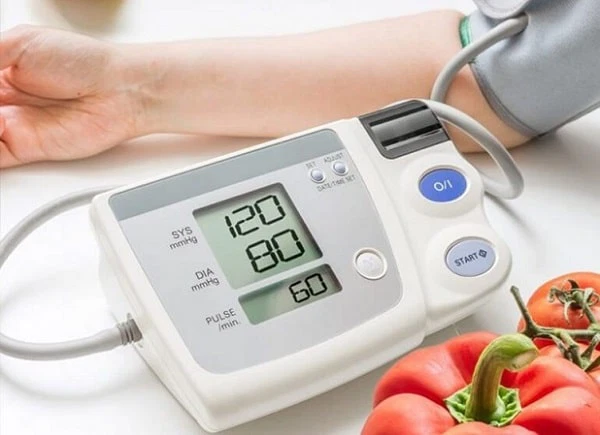
Systolic vs diastolic blood pressure — most people have had their blood pressure measured dozens of times and seen the result displayed as two numbers separated by a slash, yet many remain uncertain about what each number actually represents, why they sometimes move in different directions with age and with treatment, and which one their doctor pays most attention to. The distinction between systolic and diastolic blood pressure is not merely a technical detail; it reflects fundamentally different aspects of cardiovascular physiology, carries different implications for different age groups and clinical situations, and influences how physicians interpret blood pressure readings, classify hypertension, and set treatment targets. Understanding systolic vs diastolic blood pressure is foundational to understanding what your reading means and what actions it warrants.
What the Two Numbers Represent
The systolic blood pressure — the upper or first number in a reading — is the pressure exerted by blood on the walls of the arteries at the moment the heart contracts and ejects blood into the aorta. When the heart’s left ventricle squeezes, it generates a powerful pulse of high-pressure blood that travels through the aorta and into the branching arteries throughout the body. The peak of this pressure wave is what is measured as systolic blood pressure. A systolic reading of 120 mmHg means that at the moment of maximal cardiac contraction, the blood is pushing against the artery walls with a force sufficient to support a column of mercury 120 millimeters high.
The diastolic blood pressure — the lower or second number — is the pressure remaining in the arteries between heartbeats, when the heart is relaxing and refilling with blood from the veins before the next contraction. Even between heartbeats, blood continues flowing through the peripheral arteries and capillaries, driven by the elastic recoil of the aorta and large arteries and by the residual pressure remaining in the arterial system. The diastolic pressure represents the baseline level of arterial pressure that is maintained throughout the cardiac cycle. A diastolic reading of 80 mmHg means that between heartbeats, the minimum arterial pressure remains at a level sufficient to support an 80-millimeter column of mercury.
Blood pressure is measured using a cuff (sphygmomanometer) that is inflated around the upper arm above the level of systolic pressure, completely compressing the brachial artery and stopping blood flow. As the cuff slowly deflates, the pressure at which turbulent blood flow first resumes — audible through a stethoscope as the first Korotkoff sound, or detected by oscillometric automated devices as the onset of pressure oscillations — marks the systolic pressure. The pressure at which turbulent flow ceases and flow becomes laminar and silent marks the diastolic pressure.
Normal Ranges for Both Numbers
The 2017 American College of Cardiology / American Heart Association guideline classifies blood pressure using both numbers simultaneously, with either number capable of determining the classification when they fall into different categories. Normal blood pressure requires both systolic below 120 mmHg AND diastolic below 80 mmHg. Elevated blood pressure requires systolic between 120 and 129 mmHg while diastolic remains below 80. Stage 1 hypertension is defined as systolic 130–139 mmHg OR diastolic 80–89 mmHg — the higher of the two category determinations applies. Stage 2 hypertension is systolic 140 mmHg or higher OR diastolic 90 mmHg or higher. A hypertensive crisis is systolic at or above 180 mmHg OR diastolic at or above 120 mmHg.
The use of “OR” in the Stage 1 and Stage 2 definitions means that a person with systolic of 135 and diastolic of 75 has Stage 1 hypertension based on their systolic reading alone, even though their diastolic is normal. In practice, most people with hypertension have both numbers elevated (combined systolic-diastolic hypertension), but the patterns of isolated systolic or isolated diastolic elevation have different clinical significance and different epidemiological profiles by age.
Why Systolic Blood Pressure Gets More Clinical Attention
In adults over approximately 50 years of age, systolic blood pressure is the more important cardiovascular risk predictor. Systolic blood pressure rises progressively and continuously with age, while diastolic blood pressure tends to rise until approximately age 50–55 and then plateaus or even declines slightly. The Framingham Heart Study provided foundational evidence for the age-dependent shift in the relative importance of systolic versus diastolic blood pressure as cardiovascular risk predictors. In adults under 50, diastolic hypertension is the more common form. After age 50, systolic pressure becomes the stronger predictor, and the relationship between diastolic and risk attenuates or even reverses in older adults.
Landmark clinical trials established the clinical importance of systolic blood pressure in older adults: the Systolic Hypertension in the Elderly Program (SHEP, 1991) enrolled adults over 60 with isolated systolic hypertension and found that treatment reduced stroke by 36% and major cardiovascular events significantly. The Systolic Hypertension in Europe (Syst-Eur) trial confirmed similar benefits. These findings demonstrated that treating elevated systolic pressure even when diastolic is normal is clinically beneficial and important — a finding that was not obvious before these trials were conducted.
Isolated Systolic Hypertension: When the Top Number Is High Alone
Isolated systolic hypertension (ISH) is defined as systolic blood pressure at or above 140 mmHg with diastolic blood pressure below 90 mmHg. It is the most common pattern of hypertension in adults over 60. The mechanism is primarily arterial stiffness — the progressive loss of elasticity in the large elastic arteries, particularly the aorta, that occurs with aging and is accelerated by hypertension, diabetes, and atherosclerosis. Elastic arteries normally buffer the systolic pressure wave generated by ventricular contraction by expanding during systole and recoiling during diastole. As elastin is replaced by stiffer collagen and the media calcifies, this buffering function is lost. The systolic pressure wave is transmitted with less attenuation to the peripheral vasculature, driving systolic pressure higher, while diastolic pressure may fall or remain constant.
The clinical significance of ISH is substantial — it is not a benign variant simply because the diastolic component is normal. Adults with ISH have elevated risks of stroke, coronary events, heart failure, and kidney disease comparable to those with combined systolic-diastolic hypertension of similar severity. Treatment of ISH in older adults is effective and strongly supported by multiple randomized controlled trials including SHEP and Syst-Eur.
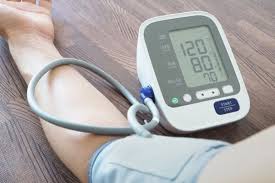
Isolated Diastolic Hypertension: When the Bottom Number Is High Alone
Isolated diastolic hypertension (IDH) is defined as diastolic blood pressure at or above 90 mmHg with systolic blood pressure below 130 mmHg. It is more characteristic of younger adults — typically those under 50 — rather than older adults with established arterial stiffness. The mechanism of IDH differs fundamentally from ISH: rather than arterial stiffness, IDH reflects elevated peripheral vascular resistance from constricted arterioles. When arterioles constrict — from increased sympathetic nervous system activity, circulating vasoconstrictors, obesity-related mechanisms, or secondary causes — diastolic pressure rises because the baseline arterial pressure between heartbeats is maintained by the constricted peripheral vessels.
Isolated diastolic hypertension in younger adults should prompt evaluation for secondary causes of hypertension, including primary hyperaldosteronism, pheochromocytoma, renovascular hypertension, obstructive sleep apnea, and medication-induced hypertension from NSAIDs, oral contraceptives, stimulants, or decongestants. Blood pressure persistently at or above 90 mmHg diastolic warrants lifestyle modification and, depending on overall cardiovascular risk, pharmacological treatment.
Pulse Pressure: What the Difference Between the Two Numbers Means
Pulse pressure — the arithmetic difference between systolic and diastolic blood pressure — reflects the mechanical properties of the large arteries. Normal pulse pressure in a young healthy adult is approximately 40 mmHg. Widened pulse pressure — generally defined as greater than 60 mmHg in adults — is a marker of arterial stiffness and is associated with increased cardiovascular risk independent of the absolute levels of systolic or diastolic pressure. A person with blood pressure of 160/70 mmHg has a pulse pressure of 90 mmHg — indicating severely stiffened arteries with a high-amplitude systolic pressure wave and poorly maintained diastolic pressure.
Narrowed pulse pressure — less than approximately 25 mmHg — suggests reduced cardiac output. When the heart cannot eject adequate stroke volume, the systolic pressure rise is blunted and the difference between systolic and diastolic decreases. Narrow pulse pressure is clinically associated with severe heart failure, cardiac tamponade, and hemodynamically significant aortic stenosis. Pulse pressure narrows progressively as shock develops, making it a useful marker of hemodynamic deterioration. The combination of systolic and diastolic readings — and their difference as pulse pressure — provides more cardiovascular information than either number alone.
Mean Arterial Pressure: The Average Perfusion Pressure
Mean arterial pressure (MAP) is a calculated value that approximates the average blood pressure throughout the entire cardiac cycle and represents the effective driving pressure for blood flow to organs. Because the heart spends more time in diastole than in systole at normal heart rates, MAP is closer to diastolic than to the simple arithmetic mean of systolic and diastolic. MAP is calculated as diastolic pressure plus one-third of pulse pressure, or equivalently as (systolic + 2 × diastolic) divided by three. For a blood pressure of 120/80 mmHg, MAP is approximately 93 mmHg.
Normal MAP is approximately 70–100 mmHg. When MAP falls below approximately 60 mmHg, organ autoregulation fails and tissue perfusion becomes inadequate — the physiological threshold for shock and acute organ injury. In critical care medicine and anesthesiology, MAP is the primary blood pressure parameter used for managing hemodynamically unstable patients, because it better reflects organ perfusion pressure than either systolic or diastolic alone. For patients with severe hypertension receiving intravenous antihypertensives in intensive care, MAP targets guide the rate of blood pressure reduction while protecting organ perfusion.
The J-Curve Phenomenon: When Diastolic Falls Too Low During Treatment
One of the most clinically important concepts specific to diastolic blood pressure is the J-curve phenomenon — the observation that in patients with established coronary artery disease, excessively low diastolic blood pressure during antihypertensive treatment may paradoxically increase cardiovascular risk by impairing coronary artery perfusion. Coronary artery blood flow occurs primarily during diastole, when the myocardium relaxes, intramyocardial pressure falls, and coronary resistance decreases. During systole, myocardial contraction compresses the intramural coronary vessels, limiting coronary flow. Coronary perfusion pressure is therefore determined largely by diastolic blood pressure, particularly in the face of coronary stenoses that reduce the resting perfusion reserve.
When antihypertensive therapy lowers diastolic blood pressure below approximately 60–65 mmHg in patients with significant coronary artery disease, coronary perfusion pressure may become insufficient to maintain adequate myocardial blood flow. The J-curve describes the U-shaped risk pattern where both very high and very low diastolic pressures associate with increased cardiovascular events. The clinical implication is most relevant when intensive blood pressure targets are pursued in elderly patients with known coronary artery disease — achieving very low diastolic readings in the process of controlling systolic pressure may need to be avoided. This adds nuance to understanding systolic vs diastolic blood pressure: while both numbers matter, their optimal ranges are not fully independent, and the diastolic floor in coronary disease patients represents a physiologically important constraint.
How Both Numbers Should Inform Your Blood Pressure Goals
Understanding systolic vs diastolic blood pressure ultimately means recognizing that the two numbers are complementary pieces of the same cardiovascular picture — neither tells the full story alone. A systolic reading of 145 mmHg with a diastolic of 65 mmHg means something very different from a systolic of 145 mmHg with a diastolic of 95 mmHg: the first pattern is consistent with isolated systolic hypertension in an older adult with arterial stiffness, while the second suggests combined hypertension with elevated peripheral resistance. The appropriate management, the likely underlying mechanisms, and the treatment responses may differ substantially between these two patients despite an identical systolic reading. Monitoring both numbers at home, understanding what each represents, and discussing the pattern of both readings with your healthcare provider enables the kind of informed partnership in blood pressure management that produces the best long-term cardiovascular outcomes. Additional context is available in our guides on what is high blood pressure, normal blood pressure by age, and the heart health numbers every adult should know. For comprehensive hypertension resources, see the American Heart Association, the National Heart, Lung, and Blood Institute, and the CDC.
Central Versus Peripheral Blood Pressure: A Critical Distinction
A conceptually important but clinically underappreciated distinction in understanding systolic vs diastolic blood pressure is the difference between peripheral blood pressure — measured at the brachial artery by a standard cuff — and central aortic blood pressure, which is the pressure the heart and brain actually experience. These two values are not identical, particularly in younger adults with healthy, elastic arteries. In young people with compliant arteries, a phenomenon called pulse pressure amplification occurs: the systolic pressure wave increases in amplitude as it travels from the large elastic aorta to the more muscular peripheral arteries. The result is that brachial artery systolic pressure may be 10–15 mmHg higher than the simultaneous aortic root pressure, while diastolic pressure is similar in both locations. As arteries stiffen with age, pulse pressure amplification decreases, and peripheral systolic pressure becomes a closer approximation of central aortic pressure.
The clinical implication of this central-peripheral discrepancy is significant when interpreting blood pressure readings in young adults. A 25-year-old with a brachial systolic of 135 mmHg may have a central aortic systolic of only 120–125 mmHg, because their elastic arteries amplify the peripheral reading. This explains in part why cardiovascular risk in young adults with modestly elevated peripheral systolic blood pressure may be lower than population-level risk tables based on peripheral readings would predict. Conversely, two antihypertensive drugs that achieve identical reductions in brachial blood pressure may produce different reductions in central aortic pressure — a finding demonstrated in the CAFE substudy of the ASCOT trial, which found that amlodipine-based therapy achieved greater reductions in central aortic pressure than atenolol-based therapy despite similar brachial blood pressure reductions, and that central aortic pressure reduction better predicted cardiovascular outcomes. Central blood pressure can be non-invasively estimated using applanation tonometry at the radial or carotid artery and calibration to brachial pressure — a technique available in research settings and increasingly in clinical practice.
Arterial Stiffness Measurement and Its Relationship to Systolic and Diastolic Pressure
The physiological concept underlying the progressive divergence of systolic and diastolic blood pressure with age — arterial stiffness — can be directly quantified using pulse wave velocity (PWV), which is considered the gold standard non-invasive measure of large artery stiffness. PWV is the speed at which the arterial pressure wave generated by cardiac contraction travels through the aorta and major arteries, measured in meters per second. Carotid-femoral PWV — measured using tonometry at the carotid and femoral arteries — is the most validated and prognostically powerful measure. In young healthy adults, aortic PWV is approximately 5–7 m/s; values above 10 m/s are considered elevated and are associated with significantly increased cardiovascular risk. Each 1 m/s increase in PWV is associated with approximately a 14% increase in cardiovascular events in population studies.
The relationship between arterial stiffness, PWV, and the systolic/diastolic pressure pattern is mechanistic and bidirectional — hypertension accelerates arterial stiffening, and arterial stiffening worsens systolic hypertension, creating a self-amplifying cycle. Higher PWV means the pressure wave travels faster and the reflected wave — which returns from peripheral reflection sites in the arterioles — arrives back at the aortic root during systole rather than diastole, augmenting systolic pressure and reducing diastolic pressure further. This phenomenon, called pulse wave reflection and late systolic augmentation, is the mechanism by which stiff arteries specifically raise systolic and lower diastolic, widening pulse pressure. Understanding that the widening gap between systolic and diastolic blood pressure in an aging patient directly reflects worsening arterial stiffness — and its cardiovascular consequences — is one of the most clinically valuable insights from the study of systolic vs diastolic blood pressure physiology.
Ambulatory Blood Pressure Monitoring: Systolic and Diastolic Thresholds Differ from Office Readings
Ambulatory blood pressure monitoring (ABPM) — which records blood pressure automatically every 15–30 minutes over a 24-hour period during normal daily activity and sleep — uses different threshold values for normal than office measurement, because out-of-office blood pressure is systematically lower than office blood pressure. For 24-hour average ABPM readings, the threshold for hypertension is a systolic of 125 mmHg or higher or a diastolic of 75 mmHg or higher. For daytime (awake) average readings, the threshold is systolic at or above 130 mmHg or diastolic at or above 80 mmHg. For nighttime (asleep) average readings, the threshold is systolic at or above 110 mmHg or diastolic at or above 65 mmHg. These lower ABPM thresholds compared to office thresholds reflect the absence of the alerting effect that elevates blood pressure in the clinical setting.
ABPM provides the most complete picture of both systolic and diastolic blood pressure behavior across the day and night — information that single office readings cannot provide. Masked nocturnal hypertension — where both daytime office and daytime ambulatory readings are normal, but nighttime systolic and diastolic pressure remains elevated — is associated with some of the highest cardiovascular risk of any blood pressure pattern, because the normal nocturnal dip in blood pressure that allows organ recovery is absent. Obstructive sleep apnea is the most common cause of masked nocturnal hypertension, because the repetitive hypoxia of apnea episodes drives sympathetic surges throughout the night that maintain elevated systolic and diastolic pressure during sleep. Identifying this pattern requires ABPM and cannot be inferred from any number of office or home daytime readings, illustrating that understanding systolic vs diastolic blood pressure in its full clinical dimension requires attention to when and how measurements are taken, not just what the numbers say when they are obtained.
Pseudohypertension: When Stiff Arteries Resist Cuff Compression
In very elderly patients with extremely calcified, rigid arteries, a phenomenon called pseudohypertension can cause standard cuff-based blood pressure measurements to significantly overestimate true intra-arterial pressure. Normally, cuff inflation compresses the brachial artery and stops blood flow when the cuff pressure exceeds the systolic pressure in the artery. In patients with severely calcified, noncompressible arteries, the artery wall requires much higher external pressure to occlude — the cuff reads a falsely elevated systolic and diastolic because it cannot compress the rigid vessel at normal pressures. The result is that the measured blood pressure may be 20–30 mmHg higher than the actual intra-arterial pressure, leading to a false diagnosis of severe hypertension or apparent treatment resistance in patients whose blood pressure is actually adequately controlled or even low.
Pseudohypertension can be suspected using Osler’s maneuver: the cuff is inflated above the apparent systolic pressure, and the examiner palpates the radial artery distal to the cuff. In patients with pseudohypertension, the radial artery remains palpable even with the cuff inflated above the measured systolic — because the rigid vessel has not been compressed despite the elevated cuff pressure. When pseudohypertension is suspected, ambulatory monitoring or intra-arterial pressure measurement provides the most accurate assessment of true blood pressure. Clinically, pseudohypertension should be considered in very elderly patients who develop symptoms of hypotension (dizziness, falls, fatigue) at antihypertensive doses that should be well-tolerated, yet whose measured blood pressure remains apparently uncontrolled. Understanding this phenomenon adds another dimension to the clinical interpretation of systolic vs diastolic blood pressure numbers in the very elderly population.
This is one of the clearest explanations of systolic vs diastolic blood pressure: what I have found. The practical tips at the end made this immediately actionable, not just theoretical. This gave me real confidence going into my next specialist appointment.
Finally a resource that explains systolic vs diastolic blood pressure: what in plain language. The section on managing this condition day-to-day was especially useful for meal planning. This gave me real confidence going into my next specialist appointment.
This is one of the clearest explanations of systolic vs diastolic blood pressure: what I have found. The specific numbers and thresholds mentioned are exactly what I needed to understand my lab results. Appreciate the effort that went into researching and writing this — it shows.
I never fully understood systolic vs diastolic blood pressure: what until I read this. What I liked most was that the article didn’t just say what to avoid — it also gave alternatives. This is exactly why I prefer this website over generic health platforms.
Finally a resource that explains systolic vs diastolic blood pressure: what in plain language. This is the kind of evidence-based writing that actually changes how people approach their health. Shared this with three friends who are dealing with related issues. Very useful resource.
Thank you for covering systolic vs diastolic blood pressure: what so thoroughly without being overly technical. The section on managing this condition day-to-day was especially useful for planning. Exactly the kind of evidence-based information that is hard to find in one place.