

Why high blood pressure is called a silent condition is a question that reveals one of the most counterintuitive and dangerous features of the most prevalent cardiovascular disease in the world. Hypertension — elevated blood pressure that kills more than 10 million people globally each year through stroke, heart attack, heart failure, and kidney failure — produces no pain, no obvious physical changes, and no perceivable internal sensation in the vast majority of people who have it, for most of the years or decades during which it is destroying the arteries, heart, brain, and kidneys. This silence is not incidental; it is a fundamental biological feature of how blood pressure damages the body, and understanding it is essential for understanding why hypertension is so difficult to prevent, detect, and treat at the population level.
What Makes High Blood Pressure Silent
The core reason why high blood pressure is called a silent condition is that elevated intraluminal arterial pressure does not directly stimulate nociceptors — the pain receptors that signal tissue injury and motivate people to seek care. Pain arises from tissue damage: inflammation, ischemia, mechanical disruption, or activation of pain receptors by chemical mediators of injury. Elevated blood pressure does none of these things directly. The arterial wall does not contain nociceptors that respond to sustained elevated intraluminal pressure; the mechanical stretch of elevated pressure does not generate pain signals the way that pressure on a nerve or stretching of a hollow viscus does. The cardiovascular system simply accommodates the elevated pressure — the heart works harder, the blood moves at higher pressure, and the arterial walls sustain sustained mechanical stress — all without any signal reaching consciousness.
Even more significantly, the body’s own pressure-sensing system adapts to chronically elevated blood pressure through baroreceptor resetting — a progressive upward recalibration of pressure set-points in the baroreceptors located in the carotid sinus and aortic arch. Once reset to a higher set-point after weeks to months of sustained elevated blood pressure, the baroreceptors no longer generate the signals that would be triggered by that same pressure in a normotensive individual. The body “learns” that the elevated pressure is normal and stops reacting to it — producing no autonomic response that the person would consciously experience. This physiological adaptation is part of why elevated blood pressure can persist for years without the person having any sense that something is wrong.
The Symptoms Many People Incorrectly Attribute to Hypertension
One of the most consequential medical misconceptions about high blood pressure is the widespread belief that it causes recognizable symptoms. Surveys consistently find that large proportions of the general public believe hypertension causes headaches, facial flushing, dizziness, or nosebleeds. These beliefs are not merely incorrect — they are actively dangerous, because they lead people to conclude that since they feel fine, their blood pressure must be acceptable, and that if their blood pressure were dangerously elevated, they would know it.
The evidence against a headache-hypertension connection in routine blood pressure elevation is substantial. Multiple studies — including classical work by Weiss (1972) and Bulpitt and colleagues (1976) — found no relationship between blood pressure levels in the mild-to-moderate hypertension range and headache incidence or severity. People who check their blood pressure when they have a headache may find elevated readings — but the correct interpretation is that headache itself temporarily raises blood pressure through sympathetic activation, not that the elevated blood pressure caused the headache. Facial flushing is caused by vasodilation — the opposite of the vasoconstriction accompanying hypertension — and is typically attributable to heat, alcohol, or rosacea. Nosebleeds are associated with severe hypertensive emergencies but are not reliably caused by routine Stage 1 or Stage 2 hypertension. The exception is hypertensive crisis (blood pressure at or above 180/120 mmHg), particularly hypertensive emergency with acute organ damage, which does produce severe headache, visual disturbances, confusion, or chest pain — but this affects only a small fraction of hypertensive patients and usually represents years of uncontrolled disease.
How Hypertension Silently Damages the Heart
The cardiovascular damage caused by sustained high blood pressure proceeds entirely without the person’s awareness, developing over years through processes that are microscopic in their early stages and produce no functional impairment until significant structural disease has developed. In the heart, the primary initial response to chronically elevated resistance is left ventricular hypertrophy — the progressive thickening of the muscular wall that develops as an adaptation to maintain cardiac output against elevated afterload. This process takes years to develop and produces no symptoms. The hypertrophied ventricle generates similar cardiac output as before, and the person feels no change in their physical capacity.
The danger lies in what left ventricular hypertrophy eventually becomes: a stiff, poorly relaxing ventricle that cannot fill normally during diastole, leading to elevated filling pressures, left atrial enlargement, and ultimately diastolic heart failure with preserved ejection fraction — which can present suddenly as acute pulmonary edema, the first event alerting the person that something is seriously wrong. Simultaneously, hypertension accelerates atherosclerosis in the coronary arteries through endothelial injury and foam cell accumulation that is entirely invisible to the patient until a plaque ruptures and causes a myocardial infarction. The molecular process of endothelial dysfunction and inflammatory cell infiltration — the earliest stages of atherosclerosis — produce no symptoms whatsoever and cannot be detected without sophisticated imaging.
How Hypertension Silently Damages the Brain
The brain sustains cumulative hypertensive damage through mechanisms that are clinically silent for years before producing detectable cognitive or neurological symptoms. Cerebral small vessel disease — characterized on MRI by white matter hyperintensities, lacunar infarcts, and microbleeds — reflects the progressive thickening, hyalinization, and eventual occlusion or rupture of small cerebral vessels from sustained elevated pressure. These lesions can be extensive on MRI while producing no clinically detectable neurological symptoms — a person may have dozens of silent lacunar infarcts and substantial white matter lesion burden without any awareness that their brain has sustained significant injury.
The clinical consequence of this silent accumulation is the insidious development of vascular cognitive impairment — slowing of processing speed, impairment of executive function, and eventually memory loss that can be mistaken for normal aging. By the time cognitive symptoms are noticeable, the underlying white matter damage may be extensive and largely irreversible. For many people with undiagnosed or untreated hypertension, stroke — the acute rupture or occlusion of a vessel in a hypertension-damaged artery — is the first clinical event that reveals the presence and severity of their blood pressure problem. Hypertension is the leading modifiable risk factor for both ischemic and hemorrhagic stroke, and the vast majority of this risk accrues silently before the stroke occurs.
How Hypertension Silently Damages the Kidneys
The kidneys are uniquely vulnerable to hypertensive damage because they contain the highest density of small arteries and arterioles of any organ, directly exposed to systemic blood pressure. Hypertensive nephrosclerosis — the progressive thickening and fibrosis of renal arterioles and consequent loss of glomeruli — develops over years and produces a very gradual decline in kidney function that is entirely asymptomatic until the disease is advanced. Serum creatinine may remain within the normal range even when GFR has declined by 30–40%, because normal kidney reserve is substantial and creatinine-based estimates of kidney function are insensitive to early loss.
The earliest detectable marker of hypertensive kidney damage — microalbuminuria, the appearance of small but abnormal amounts of albumin in the urine — is a laboratory finding, not a symptom. It produces no discomfort or change in urinary pattern that the person would notice. The progression from microalbuminuria to declining GFR to end-stage renal disease requiring dialysis unfolds entirely without symptoms until the final stages. Hypertension is the second most common cause of end-stage renal disease in the United States, and this damage accumulates silently for years before the terminal phase.
Why So Many People with Hypertension Don’t Know They Have It
The global awareness gap for hypertension is one of the most significant public health failures in modern medicine. The World Health Organization estimates that approximately 46% of adults with hypertension worldwide are unaware of their condition. In the United States, approximately 20% of adults with hypertension — nearly 20 million people — do not know they have it. This awareness gap exists precisely because of the silent nature of the condition: blood pressure is never measured unless a person accesses healthcare or specifically seeks screening, and many adults — particularly younger adults and men — do not have their blood pressure checked for years at a time.
The consequence is that the first time many people learn their blood pressure is dangerously elevated is after it has already caused an acute event. Studies of hypertension diagnosis timing show an average lag of years between hypertension onset and detection; by the time of diagnosis, many patients already show measurable signs of target organ damage on imaging — left ventricular hypertrophy on echocardiogram, white matter lesions on MRI, or microalbuminuria on urine testing. The cardiovascular “debt” accumulated during years of undiagnosed hypertension cannot be fully reversed by treating the condition after the first clinical event: left ventricular hypertrophy may partially regress with blood pressure control, but atherosclerotic coronary disease, renal arteriosclerosis, and white matter brain lesions do not regress significantly.
Medication Adherence and the Silent Condition Problem
Even among the 80% of hypertensive adults who know they have the condition, the silent nature of hypertension creates profound challenges for medication adherence. The most commonly cited reason for stopping antihypertensive medication is the simple fact that people feel no different with their blood pressure elevated and feel no immediate benefit from treatment. When blood pressure medication works correctly, nothing changes from the patient’s subjective experience — they feel neither better nor worse, and the only evidence that the medication is working is a number on a blood pressure monitor. For many people, the cost and inconvenience of daily medication without any perceptible benefit is insufficient motivation for long-term adherence.
Some patients stop medication when their clinic readings appear normal — misinterpreting medication-controlled blood pressure as evidence that hypertension has resolved, rather than understanding that the normal reading is the consequence of the medication and will reverse when stopped. Others discontinue when side effects are problematic — a valid concern that should prompt discussion about alternative agents rather than untreated hypertension. The solution to adherence challenges in a silent disease lies in education: helping people understand the mechanism of silent damage, the long-term consequences of uncontrolled pressure, and the concept that a normal blood pressure reading on medication is the goal of treatment, not a reason to discontinue it.
What Makes Screening and Monitoring the Only Defense
Because why high blood pressure is called a silent condition reflects fundamental biological reasons — it produces no symptoms, the body adapts to it, and the damage is molecular and cumulative — systematic measurement is the only reliable defense. The US Preventive Services Task Force recommends blood pressure screening for all adults 18 years and older. For adults with normal blood pressure, screening every three to five years in those under 40 without risk factors, and annually for those over 40 or with risk factors including obesity, positive family history, or Black race, is the current standard recommendation.
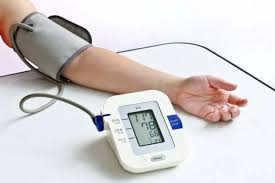
Home blood pressure monitoring — using a validated upper arm device, measuring twice daily for at least seven days — is increasingly recommended for both initial evaluation of elevated office readings and ongoing monitoring of treated hypertension. Because hypertension is silent, and because office readings are subject to white coat effect and measurement error, home monitoring provides a more accurate picture of true blood pressure burden. Understanding why high blood pressure is called a silent condition ultimately means understanding that the condition itself will never announce its presence — only regular measurement will. Our guides on what is high blood pressure, normal blood pressure by age, and how to measure blood pressure at home provide the practical tools for taking measurement into your own hands. Comprehensive hypertension information is available from the American Heart Association, the CDC, and the National Heart, Lung, and Blood Institute.
Silent Brain Infarcts: Invisible Strokes That Accumulate Without Awareness
Among the most striking manifestations of why high blood pressure is called a silent condition are the “silent brain infarcts” — small areas of brain tissue death caused by the occlusion of tiny penetrating arteries damaged by chronic hypertension — that are detectable on MRI but produce no recognized clinical event at the time they occur. Studies using brain MRI in population-based samples have found that approximately 20–25% of adults over 60 harbor at least one silent brain infarct on neuroimaging, and the prevalence rises steeply with age. The strong association between hypertension and silent brain infarcts reflects the central role of hypertensive small vessel disease in causing these lesions: the same arteriolar thickening, hyalinization, and reduced lumen size that produces symptomatic lacunar strokes also causes smaller occlusions that produce no immediately recognizable neurological deficit but that are nonetheless associated with an accelerated trajectory of cognitive decline, subsequent overt stroke, and dementia.
The clinical importance of silent brain infarcts extends beyond their direct effects. Each silent infarct represents a measurable loss of brain tissue and a marker of hypertensive small vessel disease severity. Adults with one or more silent brain infarcts are at substantially higher risk of future overt stroke, are more likely to show progressive white matter lesion accumulation on subsequent MRI, and demonstrate worse cognitive performance and faster cognitive decline than age-matched adults without silent infarcts. The insidious dimension of this phenomenon is that the individual has no experience of these events — no headache, no focal neurological symptom, no moment of awareness that their brain has been injured. The damage is discovered only if MRI is obtained for another reason, or if cognitive testing reveals impairment whose underlying structural cause can be identified on imaging. This is why high blood pressure is called a silent condition — not because no damage is occurring, but because the damage is fundamentally imperceptible to the person it is harming.
Nocturnal Hypertension: Damage That Occurs During Sleep
One of the most striking aspects of why high blood pressure is called a silent condition is that hypertensive organ damage does not pause during sleep — and for the substantial proportion of hypertensive adults who have elevated blood pressure specifically during the night, the period of sleep represents hours of ongoing cardiovascular stress that the person is entirely unaware of, cannot monitor with standard home devices, and that standard daytime clinic measurements will entirely miss. Normal blood pressure physiology involves a 10–20% fall in blood pressure during sleep — a pattern called dipping — that allows the heart, brain, and kidneys a period of reduced pressure load during the night. In patients who fail to achieve this normal nocturnal dip (non-dippers) or whose blood pressure paradoxically rises at night (reverse-dippers), the organ damage from sustained elevated pressure continues through the sleeping hours, adding to the total 24-hour blood pressure burden.
Obstructive sleep apnea is the most common cause of nocturnal hypertension and non-dipping, affecting millions of adults whose sleep-disordered breathing causes repetitive episodes of hypoxia, sympathetic nervous system activation, and acute blood pressure surges throughout the night. Many of these individuals have apparently well-controlled blood pressure on daytime office measurements — a pattern called masked nocturnal hypertension — because their treatment adequately controls daytime readings while their nighttime blood pressure remains elevated. Identifying nocturnal hypertension requires 24-hour ambulatory blood pressure monitoring, which provides a complete picture of blood pressure throughout the day and night, including the nocturnal dipping pattern. The additional cardiovascular risk from nocturnal hypertension — including the disproportionate clustering of strokes and heart attacks in the early morning hours, partially attributable to the morning blood pressure surge that follows nocturnal elevation — is a dimension of the silent condition that cannot be assessed by any measurement the individual can perform without specialized equipment.
Healthcare Access Inequity and the Undiagnosed Burden
The awareness gap for hypertension is not uniformly distributed across the population — it is substantially worse in communities and demographic groups with lower access to regular primary care, less health insurance coverage, and greater structural barriers to preventive healthcare engagement. In the United States, Black adults have the highest prevalence of hypertension and the worst outcomes from uncontrolled hypertension of any demographic group, driven by a complex combination of biological factors (including higher degrees of salt sensitivity, higher aldosterone levels, and different responses to antihypertensive drug classes), structural factors (including higher prevalence of poverty, lower rates of insurance, and greater exposure to chronic psychosocial stressors that elevate blood pressure through sympathetic activation), and systemic healthcare inequities that produce worse access to and quality of hypertension care. These same groups bear a disproportionate burden of undiagnosed hypertension — precisely because the condition is silent and detection requires healthcare access that is less available to them.
Community blood pressure screening programs — conducted in pharmacies, churches, community centers, and workplaces — have been shown to substantially increase hypertension awareness in underserved communities by bringing blood pressure measurement to people where they already gather, without requiring a clinic visit. The effectiveness of these programs illustrates that the silent condition problem is partly a detection problem: given that hypertension will never announce itself, creating accessible, low-barrier screening opportunities outside the formal healthcare system is an essential complement to traditional clinic-based detection. For individuals, understanding why high blood pressure is called a silent condition is the first step toward taking personal responsibility for regular monitoring — because the condition itself will never volunteer the information that it is present. Regular blood pressure measurement, whether at a pharmacy, a community event, or at home with a validated device, is the only mechanism by which the silence of this condition can be broken.
The Cardiovascular Debt of Undetected Hypertension
A useful conceptual framework for understanding why timely detection of this silent condition matters so profoundly is the idea of cardiovascular debt — the cumulative structural damage that accumulates in the heart, brain, kidneys, and arteries during every year that hypertension goes undetected and untreated. Unlike financial debt, cardiovascular debt cannot be fully repaid once incurred. Each year of sustained elevated blood pressure deposits another increment of atherosclerotic plaque in the coronary and carotid arteries, accelerates another layer of left ventricular wall thickening, adds another micron of renal arteriolar fibrosis, and contributes another cluster of white matter lesions in the cerebral vasculature. When blood pressure control is finally achieved — through lifestyle modification, medication, or both — some of this damage is partially reversible: left ventricular mass decreases with sustained blood pressure control, endothelial function improves, and the rate of further damage accumulation slows dramatically. But the existing atherosclerotic plaques do not regress significantly, the renal arterioles do not regenerate, and the white matter lesions do not clear.
The practical implication is profound: every year that hypertension goes undetected is a year during which irreversible organ damage accumulates that cannot be recovered by any subsequent treatment. A person who is diagnosed with hypertension at age 45 and treated effectively will have accumulated fewer years of end-organ injury than a person who goes undetected until age 60 — even if both eventually achieve the same blood pressure control. This is the most compelling case for understanding why high blood pressure is called a silent condition and why regular screening is not a bureaucratic recommendation but a genuine opportunity to prevent irreversible cardiovascular damage before it accumulates beyond repair. The silence of hypertension is not passive; it is the active, ongoing accumulation of organ injury that will eventually become symptomatic — and at that point, the window for complete prevention has already closed.
This is one of the clearest explanations of why high blood pressure is called I have found. What I liked most was that the article didn’t just say what to avoid — it also gave alternatives. This is going into my health binder that I bring to every doctor’s visit.
This is one of the clearest explanations of why high blood pressure is called I have found. What I liked most was that the article didn’t just say what to avoid — it also gave alternatives. I wish I had found this article when I was first diagnosed — would have saved a lot of confusion.
This is one of the clearest explanations of why high blood pressure is called I have found. It is refreshing to see an article that acknowledges individual variation rather than giving one-size-fits-all advice. Thank you for making complex medical information accessible without dumbing it down.
This breakdown of why high blood pressure is called is exactly what patients need before a specialist appointment. The article answered questions I didn’t even know I had until I started reading. Exactly the kind of evidence-based information that is hard to find in one place.
Thank you for covering why high blood pressure is called so thoroughly without being overly technical. It is refreshing to see an article that acknowledges individual variation rather than one-size-fits-all advice. Keep up this kind of thorough health journalism — it genuinely helps patients like me.
I have been reading about why high blood pressure is called for weeks and this is the most thorough guide I found. The article answered questions I didn’t even know I had until I started reading. Exactly the kind of evidence-based information that is hard to find in one place.