
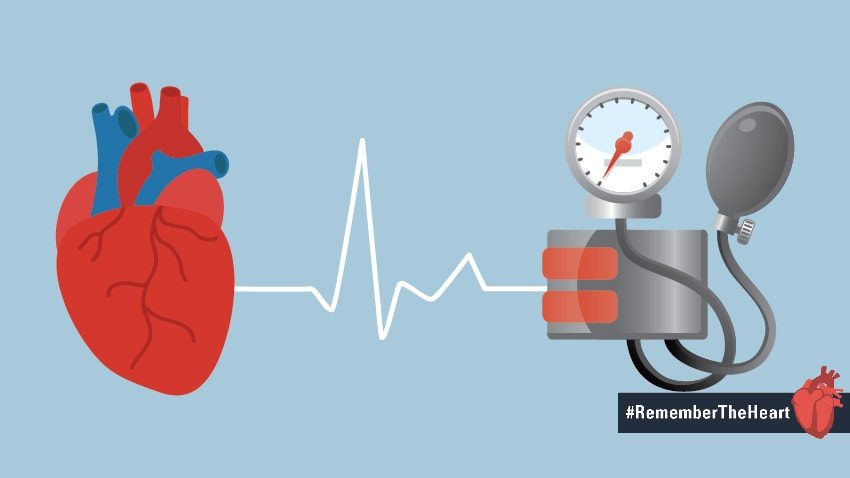
What is high blood pressure, and why does understanding it matter? High blood pressure — medically known as hypertension — is a condition in which the force of blood pushing against the walls of the arteries is persistently elevated above the levels the cardiovascular system can tolerate without damage. It affects nearly half of all adults in the United States and more than one billion people worldwide, making it one of the most common and consequential chronic medical conditions in existence. Despite its prevalence, hypertension is frequently misunderstood — often dismissed as a minor inconvenience, confused with anxiety or stress, or unknown to the person who has it. Understanding what high blood pressure actually is, how it is classified, what it does to the body over time, and how it is accurately measured is the foundation of effective prevention and management.
How Blood Pressure Works
Blood pressure is the force that circulating blood exerts on the walls of the arteries as the heart pumps it through the body. It is expressed as two numbers: the systolic pressure — the higher number — which represents the pressure in the arteries when the heart contracts and ejects blood into the aorta; and the diastolic pressure — the lower number — which represents the pressure remaining in the arteries between heartbeats when the heart is relaxing and refilling. Blood pressure is measured in millimeters of mercury (mmHg) and written as systolic over diastolic — for example, 120/80 mmHg.
The level of blood pressure at any moment is determined by two fundamental factors: cardiac output — the volume of blood the heart pumps per minute — and total peripheral vascular resistance — the resistance the arterial walls offer to blood flow, largely determined by the degree of constriction or dilation of the small arteries (arterioles). Blood pressure rises when cardiac output increases, when arterioles constrict, or both. It falls when the heart pumps less or when arterioles dilate. Throughout a normal day, blood pressure fluctuates significantly — rising during physical activity, emotional stress, or pain, and falling during sleep. Hypertension is defined not by a single elevated reading but by a persistently elevated average level across multiple measurements and circumstances.
Blood Pressure Categories Explained
The 2017 American College of Cardiology / American Heart Association guideline defines blood pressure categories that are now the standard in the United States. Normal blood pressure is less than 120 mmHg systolic and less than 80 mmHg diastolic — the level at which cardiovascular risk is minimized. Elevated blood pressure — systolic 120–129 mmHg with diastolic below 80 — is not yet hypertension but represents a stage where lifestyle changes can prevent progression. Stage 1 hypertension begins at 130–139 mmHg systolic or 80–89 mmHg diastolic — a threshold lowered from the previous standard of 140/90 because evidence showed cardiovascular risk rises progressively beginning at these levels. Stage 2 hypertension is 140 mmHg systolic or higher, or 90 mmHg diastolic or higher, where medication is typically recommended alongside lifestyle modification. Hypertensive crisis — blood pressure of 180/120 mmHg or higher — is a medical emergency if accompanied by acute organ damage, or requires urgent management if organ damage is absent.
The rationale for lowering the Stage 1 threshold from 140/90 to 130/80 was based on extensive evidence that cardiovascular risk rises continuously beginning at blood pressure levels of 115/75 mmHg, with risk roughly doubling for each 20/10 mmHg increment above that level. The 2017 guideline recognized that blood pressure in the 130–139/80–89 range carries meaningfully elevated cardiovascular risk that warrants active management, even if medication is not always the first response at this level.
Primary vs Secondary High Blood Pressure
The vast majority of hypertension — approximately 90–95% of cases — is classified as primary or essential hypertension, meaning it develops without a single identifiable underlying cause. Primary hypertension reflects a complex interaction between genetic predisposition and lifestyle and environmental factors including excess dietary sodium, obesity, physical inactivity, chronic psychological stress, heavy alcohol use, obstructive sleep apnea, and age-related changes in arterial stiffness and kidney function. No single gene or single environmental exposure fully explains primary hypertension; it develops through the cumulative effect of multiple small influences on blood pressure regulation over years.
Secondary hypertension — accounting for 5–10% of cases — has a specific identifiable cause that, when treated, can substantially reduce or resolve the elevated blood pressure. The most important secondary causes include renovascular hypertension (narrowing of the renal arteries activating the renin-angiotensin-aldosterone system), primary hyperaldosteronism (autonomous excess aldosterone production causing sodium retention and hypokalemia), obstructive sleep apnea (nocturnal hypoxia triggering chronic sympathetic activation), chronic kidney disease, thyroid disease, pheochromocytoma (a rare catecholamine-secreting adrenal tumor), and coarctation of the aorta. Medications including NSAIDs, oral contraceptives, and decongestants can also cause or worsen hypertension. Identifying secondary hypertension matters because treating the underlying cause can achieve blood pressure control that medications alone cannot.
What Happens Inside the Body When Blood Pressure Is High
Sustained elevation of blood pressure initiates a cascade of pathological changes that develop silently over years before producing clinical symptoms. The arterial walls are the primary site of initial injury — the sustained mechanical stress of elevated intraluminal pressure damages the arterial endothelium, triggering inflammation, oxidative stress, and dysfunction of the endothelium’s normal vasodilatory and anti-thrombotic functions. Over time, this endothelial injury promotes atherosclerosis — the build-up of lipid-containing plaques in the arterial wall — at a dramatically accelerated rate. The left ventricle responds to the increased resistance against which it must pump by increasing the thickness of its muscular wall — left ventricular hypertrophy — which over years leads to stiffening of the ventricle, impaired relaxation and filling (diastolic dysfunction), and eventually the heart failure with preserved ejection fraction that is one of the most common forms of heart failure in older adults.
Organs Damaged by Untreated High Blood Pressure
Untreated hypertension damages multiple organ systems through accelerated atherosclerosis, direct mechanical stress on small arteries and arterioles, and hypertensive end-organ injury. In the heart, consequences include left ventricular hypertrophy progressing to heart failure, accelerated coronary artery disease, and atrial fibrillation from left atrial enlargement. Hypertension is the leading modifiable risk factor for both ischemic and hemorrhagic stroke — two to three times the risk compared to normotensive individuals — and a major contributor to vascular dementia through cumulative small vessel disease in the brain. The kidneys are particularly vulnerable; hypertensive nephrosclerosis progressively impairs kidney function over years, and hypertension is the second most common cause of end-stage renal disease requiring dialysis. Hypertensive retinopathy reflects the state of small vessels throughout the body. In the large arteries, sustained elevated pressure accelerates aortic aneurysm formation and peripheral arterial disease.
How Blood Pressure Is Measured Correctly
Accurate blood pressure measurement requires attention to technique that is frequently neglected in busy clinical settings. The patient should be seated quietly for at least five minutes before measurement, with the back supported, feet flat on the floor, and the arm resting at heart level on a flat surface. The cuff must be the appropriate size — a cuff too small will overestimate and a cuff too large will underestimate blood pressure. Caffeine, smoking, exercise, and a full bladder should be avoided for 30 minutes before measurement, and the patient should not talk during the reading. At least two readings should be taken at each visit, one to two minutes apart, with the average used.
White coat hypertension — elevated blood pressure in the clinical setting but normal readings outside of it — affects 15–30% of people with apparent hypertension and may represent a normal stress response to the medical environment rather than true sustained hypertension. Masked hypertension — normal readings in the clinical setting but elevated readings at home — is associated with higher cardiovascular risk because it means the person has genuinely elevated blood pressure throughout much of the day but appears controlled in the clinic. Ambulatory blood pressure monitoring (ABPM) — wearing a device that takes automatic readings over 24 hours — is the gold standard for diagnosis. Home blood pressure monitoring using a validated upper arm device, taking readings twice daily for seven days, provides an accessible alternative that correlates well with cardiovascular outcomes.
Why So Much Hypertension Remains Uncontrolled
Despite hypertension being one of the most treatable cardiovascular conditions, approximately 46% of people with hypertension in the United States do not have their blood pressure adequately controlled. The foundational challenge is that hypertension is asymptomatic in the vast majority of people until it has already produced organ damage or an acute cardiovascular event. This absence of symptoms removes the natural motivation to seek care, adhere to medication, and pursue lifestyle changes that people normally require to engage with medical treatment. Treatment adherence to antihypertensive medications is poor across all populations, with fewer than 50% of patients remaining adherent to prescribed regimens at 12 months. Access to regular healthcare for blood pressure monitoring and medication management is unequally distributed, with lower-income populations — who carry higher hypertension burdens — facing greater barriers to consistent care. Understanding what high blood pressure is — its definition, its silent mechanism of damage, and its treatability — is the prerequisite for effective individual and public health action. Related topics including normal blood pressure by age, blood pressure symptoms: what is true and what is not, and monitoring key heart health numbers provide the broader context needed for comprehensive cardiovascular risk management. Authoritative hypertension resources are available from the American Heart Association, the National Heart, Lung, and Blood Institute, and the CDC.
Treatment Adherence, Access to Care, and the Path Forward
Treatment adherence to antihypertensive medications is poor across all populations, with studies showing that fewer than 50% of patients remain adherent to prescribed regimens at 12 months. Multiple factors drive non-adherence: side effects that range from fatigue and sexual dysfunction with older antihypertensives to cough from ACE inhibitors and ankle swelling from dihydropyridine calcium channel blockers; the cost of medications in systems with inadequate drug coverage; pill burden in patients already taking multiple medications for diabetes, cholesterol, or other chronic conditions; and simply forgetting to take medication that produces no immediate perceivable benefit. Health literacy plays a crucial role — patients who understand the mechanism by which high blood pressure causes heart attacks and strokes, and who understand that blood pressure medication prevents these events without eliminating the risk if stopped, are substantially more adherent than those who take medication without understanding why.
Access to regular healthcare for blood pressure monitoring and medication management is unequally distributed, with lower-income populations — who carry higher hypertension burdens — facing greater barriers to consistent care. Black adults in the United States have the highest prevalence of hypertension of any major demographic group, develop hypertension earlier, experience more severe end-organ damage, and have substantially worse cardiovascular and renal outcomes than white adults — differences that reflect decades of structural inequities in access to healthcare, housing, nutrition, stress burden, and exposure to neighborhood-level environmental risk factors. Pharmacologically, Black adults with hypertension respond better on average to calcium channel blockers and thiazide diuretics as initial monotherapy than to ACE inhibitors or ARBs, a finding from the landmark ALLHAT trial with important clinical implications when initiating treatment. Effective individual management of hypertension requires accurate diagnosis, appropriate medication selection, systematic monitoring, and the kind of sustained engagement with healthcare that structural inequities make more difficult for those who need it most.
Nocturnal Hypertension, Morning Blood Pressure Surge, and Ambulatory Monitoring Patterns
Normal blood pressure follows a circadian pattern — falling by 10–20% during sleep relative to daytime average (a pattern called dipping) and rising sharply in the early morning hours upon awakening. This circadian variation has important clinical implications. Non-dipping — the failure of blood pressure to fall by the expected percentage during sleep — is associated with substantially higher cardiovascular risk than daytime blood pressure levels alone would suggest. Non-dippers and reverse-dippers (whose blood pressure actually rises at night) experience disproportionately higher rates of stroke, coronary events, and kidney damage. Obstructive sleep apnea is a major cause of non-dipping because the intermittent hypoxia of apnea episodes triggers repetitive surges of sympathetic nervous system activation and catecholamine release throughout the night, maintaining elevated nocturnal blood pressure and cardiovascular stress throughout sleep.
The morning blood pressure surge — the rapid rise in blood pressure that occurs on awakening and in the first hours of the day — is associated with the well-documented morning peak in cardiovascular events, including the clustering of heart attacks and strokes in the hours following awakening. The mechanisms include the rapid transition from parasympathetic-dominant sleep to sympathetic-dominant wakefulness, cortisol and catecholamine release, platelet activation, and an increase in blood viscosity. For patients on antihypertensive medication, the timing of dosing can influence morning blood pressure control. The HYGIA chronotherapy trial (though subsequently subject to controversy about data integrity) raised interest in the hypothesis that bedtime dosing of certain antihypertensives might provide better nocturnal and morning control than morning dosing. Ambulatory blood pressure monitoring remains the only reliable method for identifying nocturnal hypertension, non-dipping, and morning surge patterns — information that clinic measurements cannot provide and that may significantly alter treatment decisions in patients with apparent office hypertension control but ongoing cardiovascular events or target organ damage.
Resistant Hypertension, Secondary Evaluation, and Emerging Treatments
Resistant hypertension is defined as blood pressure that remains above target despite adherence to at least three antihypertensive medications at maximum tolerated doses, including a long-acting calcium channel blocker, a renin-angiotensin-aldosterone system blocker (ACE inhibitor or ARB), and a thiazide-type diuretic. True resistant hypertension affects approximately 10–15% of patients with hypertension and represents one of the most challenging management problems in cardiology. The first step in evaluating apparent resistance is confirming genuine medication adherence through direct measurement (urine or blood drug level testing), because medication non-adherence accounts for a substantial proportion of apparent resistant cases. White coat effect causing apparent resistance in patients whose office readings are high but home readings are controlled is the second major category. Pseudoresistance from inadequate cuff technique must also be excluded, particularly in patients with very large arm circumferences or extremely rigid arteries (pseudohypertension in the elderly).
Once true resistant hypertension is confirmed, thorough evaluation for secondary causes is essential — particularly primary hyperaldosteronism, which studies have found to be far more prevalent than previously recognized, affecting perhaps 5–10% of all hypertensive patients and an even higher proportion of those with resistant hypertension. Renal artery stenosis, obstructive sleep apnea, chronic kidney disease, and less common causes including pheochromocytoma and Cushing’s syndrome should be systematically evaluated. When secondary causes have been excluded and adherence confirmed, adding a fourth agent — typically spironolactone (an aldosterone antagonist) — is the most evidence-supported next step for truly resistant hypertension. Device-based therapies including catheter-based renal sympathetic denervation have undergone significant resurgence of interest following better-designed randomized controlled trials that addressed the methodological limitations of the earlier SYMPLICITY HTN-3 trial, which failed to show significant blood pressure reduction. The current evidence supports modest but real blood pressure reductions from renal denervation in carefully selected patients, and ongoing trials are refining the patient selection criteria and procedural techniques.
Arterial Stiffness, Pulse Pressure, and the Changing Face of Hypertension with Age
The nature of hypertension changes substantially with age, reflecting the progressive stiffening of large elastic arteries — particularly the aorta — that occurs as part of normal aging and is accelerated by hypertension itself. In younger adults, elevated blood pressure typically involves both systolic and diastolic elevation because peripheral vascular resistance is increased but arterial compliance is relatively preserved. With advancing age, large arteries lose elasticity — their walls become stiffer from cross-linking of collagen, accumulation of calcium and lipid in the media, and loss of elastic tissue — reducing their ability to buffer the systolic pressure wave generated by ventricular ejection. This manifests as isolated systolic hypertension — elevated systolic blood pressure with normal or even low diastolic — which becomes the dominant form of hypertension in adults over 60. Pulse pressure (the arithmetic difference between systolic and diastolic pressure) widens as arterial stiffness increases and is itself an independent predictor of cardiovascular risk in older adults, reflecting the hemodynamic stress that stiff arteries impose on the heart and peripheral vasculature.
Arterial stiffness can be quantified by measuring pulse wave velocity (PWV) — the speed at which the pressure wave generated by ventricular contraction travels along the arterial tree. Higher PWV indicates stiffer arteries; carotid-femoral PWV above 10 m/s is considered elevated and is associated with increased cardiovascular risk independent of blood pressure. In older adults with isolated systolic hypertension, the J-curve phenomenon is a clinically important consideration — the observation that in patients with established coronary artery disease, lowering diastolic blood pressure below approximately 60–65 mmHg during treatment may paradoxically worsen myocardial perfusion, because coronary filling primarily occurs during diastole when the myocardium relaxes and coronary resistance falls. This concern is most relevant in older patients with known CAD on intensive antihypertensive regimens, where blood pressure targets must balance systolic reduction benefits against the risk of excessive diastolic lowering. Understanding what is high blood pressure in older adults requires awareness of these age-specific hemodynamic features and the different risk-benefit calculations that apply to this population compared to younger hypertensive patients.
Hypertension in Pregnancy: A Distinct and Serious Clinical Syndrome
Hypertension in pregnancy represents a separate category of blood pressure disorders with distinct mechanisms, risks, and treatment considerations. Gestational hypertension — new-onset elevated blood pressure after 20 weeks of gestation without proteinuria or other features of end-organ involvement — affects approximately 6–8% of pregnancies. Preeclampsia is the more serious syndrome: new-onset hypertension after 20 weeks accompanied by proteinuria, or by severe features including thrombocytopenia, impaired liver function, renal insufficiency, pulmonary edema, or new-onset headache unresponsive to medication. Preeclampsia complicates 5–8% of pregnancies and remains a leading cause of maternal and fetal morbidity and mortality globally. The pathophysiology centers on abnormal placentation and deficient remodeling of the spiral arteries that supply the placenta, leading to placental ischemia, systemic endothelial dysfunction, and the clinical syndrome of generalized vasoconstriction, proteinuria, and end-organ involvement. HELLP syndrome — the combination of hemolysis, elevated liver enzymes, and low platelet count — is a severe variant that can develop rapidly and requires urgent delivery.
Treatment of hypertension in pregnancy requires careful selection of antihypertensives because many standard agents are contraindicated. ACE inhibitors and ARBs are absolutely contraindicated throughout pregnancy due to severe fetal nephrotoxicity and oligohydramnios causing fetal limb contractures and pulmonary hypoplasia. The antihypertensives considered safest in pregnancy include methyldopa (a centrally acting sympatholytic that has been used in pregnancy for decades with reassuring fetal safety data), labetalol (a combined alpha- and beta-blocker), and nifedipine (a long-acting dihydropyridine calcium channel blocker). For acute severe hypertension in pregnancy (systolic above 160 mmHg), intravenous labetalol or hydralazine, or oral nifedipine, are standard acute treatments aimed at preventing maternal hemorrhagic stroke. The only definitive treatment for preeclampsia is delivery, creating a clinical dilemma when preeclampsia develops early in gestation — between continuing pregnancy to improve fetal maturity and the maternal risks of ongoing preeclamptic disease. Women with a history of preeclampsia have substantially elevated lifetime cardiovascular risk, approximately twice the risk of heart attack and stroke compared to women with uncomplicated pregnancies, indicating that preeclampsia is not simply a pregnancy complication but a marker of underlying cardiovascular vulnerability.
How High Blood Pressure Differs from Hypertensive Crisis
The distinction between chronically elevated blood pressure requiring standard management and a hypertensive emergency requiring immediate hospitalization is clinically critical and depends not on the absolute blood pressure level alone but on the presence or absence of acute end-organ damage. Hypertensive emergencies — defined as severely elevated blood pressure (typically above 180/120 mmHg) with concurrent evidence of acute target organ damage — require immediate parenteral antihypertensive therapy in an intensive care setting. The end-organ damage patterns that define hypertensive emergencies include hypertensive encephalopathy (cerebral edema causing confusion, headache, and seizures), acute intracerebral hemorrhage, aortic dissection, acute myocardial infarction or unstable angina, acute decompensated heart failure with pulmonary edema, acute kidney injury with rapidly rising creatinine, and microangiopathic hemolytic anemia from fibrinoid necrosis of arterioles.
The treatment of hypertensive emergencies is carefully calibrated to avoid overcorrection — because chronically hypertensive patients have adapted to elevated pressures, and their cerebral, coronary, and renal autoregulatory curves are shifted to higher pressure ranges, sudden normalization of blood pressure can produce acute ischemia in organs accustomed to higher perfusion pressure. General guidelines recommend reducing mean arterial pressure by no more than 10–25% in the first hour and then gradually to a target over the following 24 hours — with the specific rate and target depending on the organ involved. In acute ischemic stroke, aggressive blood pressure lowering is generally avoided except in specific circumstances (blood pressure above 220/120 mmHg in patients not receiving thrombolytics, or above 185/110 mmHg in those receiving tPA) because abrupt lowering may extend the ischemic penumbra. In aortic dissection, by contrast, very rapid blood pressure reduction — with heart rate control to reduce aortic wall stress — is essential to prevent extension of the dissection. These distinctions illustrate that understanding what is high blood pressure requires recognizing the full spectrum from asymptomatic chronic elevation through life-threatening hypertensive emergency.
Really well-written article on what is high blood pressure?. The section on managing this condition day-to-day was especially useful for meal planning. Will definitely be coming back to this site for more health information.
Came across this while researching what is high blood pressure? for a family member. I appreciated how the article addressed both the clinical side and the practical lifestyle adjustments. Exactly the kind of evidence-based information that is hard to find in one place.
Came across this while researching what is high blood pressure? for a family member. The specific numbers and thresholds mentioned are exactly what I needed to understand my lab results. Will definitely be coming back to this site for more health information.
Really well-written article on what is high blood pressure?. This is the kind of evidence-based writing that actually changes how people approach their health. Appreciate the effort that went into researching and writing this — it shows.
Bookmarked this article on what is high blood pressure? immediately — going to reference it regularly. I appreciated how the article addressed both the clinical side and the practical adjustments. Keep up this kind of thorough health journalism — it genuinely helps patients like me.
Really well-written article on what is high blood pressure?. I appreciate that the article is careful about distinguishing between what is known and what is still being researched. This is exactly why I prefer this website over generic health platforms.