
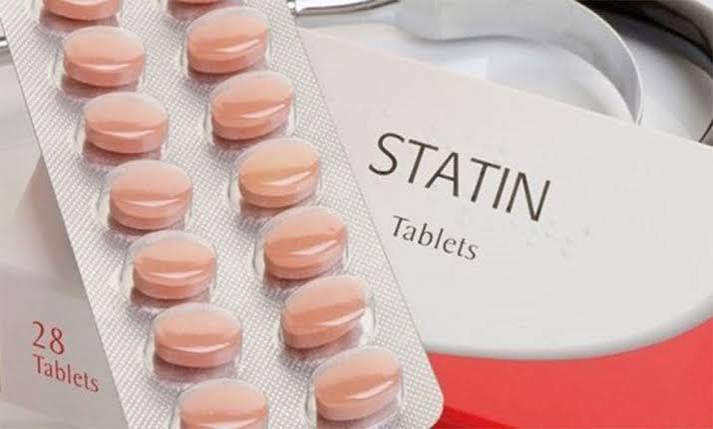
Statins are among the most widely prescribed medications in the world and among the most rigorously studied in the history of medicine. They have been shown across thousands of clinical trials and meta-analyses to reduce LDL cholesterol by 30 to 60 percent and to reduce major cardiovascular events — heart attacks, strokes, cardiovascular death — by roughly 20 to 35 percent in people at elevated risk.
They are also among the most misunderstood medications in terms of their side effects, their mechanism, and the appropriate decision-making framework for who should take them. Concerns about muscle pain, cognitive effects, and liver damage — many of which are overstated or reflect an expectation effect rather than a pharmacological one — cause a substantial proportion of patients to stop statins prematurely, increasing their cardiovascular risk.
This article provides what adults need to know about statins: how they work, what the evidence shows, who is most likely to benefit, which side effects are real and which are not, and how statins interact with dietary approaches to cholesterol management.
How Statins Work — The Mechanism
Statins are HMG-CoA reductase inhibitors — they block 3-hydroxy-3-methylglutaryl coenzyme A reductase, the rate-limiting enzyme in the liver’s cholesterol biosynthesis pathway. Reducing the activity of this enzyme decreases the liver’s endogenous cholesterol production.
When the liver senses lower intracellular cholesterol, it compensates through a pathway involving SREBP-2 (sterol regulatory element-binding protein 2) — the same transcription factor that responds when soluble fiber forces the liver to convert cholesterol into bile acids. SREBP-2 drives increased expression of LDL receptors (LDLRs) on hepatocyte surfaces. With more LDL receptors, the liver clears circulating LDL from the bloodstream more efficiently — producing the characteristic LDL reduction that is the primary therapeutic goal of statin therapy.
A high-intensity statin such as atorvastatin 80 mg or rosuvastatin 40 mg typically reduces LDL cholesterol by 50 to 60 percent. A person with a baseline LDL of 160 mg/dL might achieve an on-treatment LDL of 65 to 75 mg/dL on maximal statin therapy — within the guideline-recommended range for high-risk patients.
Beyond their LDL-lowering effect, statins have pleiotropic effects — additional biological actions that may contribute to cardiovascular benefit independent of LDL reduction. These include reduced vascular inflammation (lower CRP and other inflammatory markers), improved endothelial function, stabilization of atherosclerotic plaques, and inhibition of platelet aggregation. These pleiotropic effects are one reason why statins’ cardiovascular benefits sometimes exceed what the magnitude of LDL reduction alone would predict.
How Much Do Statins Lower LDL?
Statin potency is classified by the expected magnitude of LDL reduction:
High-intensity statins (expected LDL reduction of ≥50%): atorvastatin 40 mg or 80 mg per day; rosuvastatin 20 mg or 40 mg per day.
Moderate-intensity statins (expected LDL reduction of 30–49%): atorvastatin 10 mg or 20 mg; rosuvastatin 5 mg or 10 mg; simvastatin 20 mg or 40 mg; pravastatin 40 mg or 80 mg; lovastatin 40 mg.
Low-intensity statins (expected LDL reduction of less than 30%): simvastatin 10 mg; pravastatin 10 mg or 20 mg; lovastatin 20 mg.
A useful principle is the “rule of 6”: each doubling of statin dose adds approximately 6 percent additional LDL reduction. This means the difference between atorvastatin 10 mg and atorvastatin 40 mg is greater than the difference between 40 mg and 80 mg — diminishing returns at higher doses. When LDL reduction beyond what maximal statin achieves is needed, adding a complementary agent (such as ezetimibe) is more effective than simply escalating statin dose.
Who Benefits From Statins — The Four Clinical Groups
The 2019 ACC/AHA Guideline identifies four groups for whom statin therapy is supported by strong evidence:
Group 1: Clinical ASCVD. Anyone with a prior MI, stroke, unstable angina, coronary revascularization, or peripheral arterial disease. High-intensity statin is the standard of care for this group. The cardiovascular event reduction is approximately 25 to 35 percent reduction in MACE for each 40 mg/dL LDL reduction maintained over years of treatment. For someone who has already had a heart attack, treating 15 to 20 patients for 5 years prevents one additional major event.
Group 2: LDL ≥190 mg/dL. Very high LDL — possibly from familial hypercholesterolemia or combined dietary and genetic factors. High-intensity statin is recommended regardless of calculated cardiovascular risk, because lifelong LDL elevation substantially increases cumulative risk.
Group 3: Diabetes, age 40–75 years, LDL 70–189 mg/dL. Adults with diabetes have elevated cardiovascular risk beyond what LDL alone reflects, because diabetes damages blood vessels independently. Moderate-intensity statin is recommended; high-intensity when 10-year cardiovascular risk exceeds 20 percent.
Group 4: Primary prevention, 10-year ASCVD risk ≥7.5%, LDL 70–189 mg/dL, no prior ASCVD. For this group, a clinician-patient risk discussion using the Pooled Cohort Equations, combined with “risk enhancers” and possibly a coronary artery calcium score, guides the decision. Statin initiation is appropriate when the risk discussion favors benefit.
The underlying quantitative evidence: the Cholesterol Treatment Trialists Collaboration meta-analysis, pooling data from over 170,000 participants in 26 major statin trials, found that each 1 mmol/L (approximately 39 mg/dL) reduction in LDL on statin therapy reduces major vascular events by approximately 22 percent per year of treatment. This relationship is consistent across risk groups.
Common Side Effects — What’s Real and What’s Nocebo
Muscle symptoms (statin-associated muscle symptoms, SAMS): The most commonly reported statin side effect. Observational studies report 5 to 20 percent of users experiencing muscle aches attributable to their statin. However, the landmark 2020 SAMSON (Self-Assessment Method for Statin Side-effects Or Nocebo) randomized double-blind crossover trial found a striking result: in patients who had previously stopped statins due to intolerable side effects, 90 percent of their muscle-related symptoms also occurred when they took a placebo. The vast majority of muscle symptoms attributed to statins in clinical practice are not pharmacologically caused — they are nocebo effects driven by expectation and anxiety about taking a medication associated with muscle pain.
True statin-related muscle effects do exist. The spectrum ranges from myalgia (muscle discomfort without elevated CK) to myopathy (elevated CK, muscle damage) to rhabdomyolysis (severe muscle breakdown — very rare, fewer than 1 case per 10,000 users per year, almost always associated with drug interactions).
New-onset diabetes: High-intensity statins slightly increase the risk of developing type 2 diabetes — approximately a 10 percent relative risk increase, or roughly 1 additional diabetes case per 255 patients treated for 4 years. This risk is concentrated in individuals with impaired fasting glucose or prediabetes. For patients at cardiovascular risk high enough to warrant a statin, the cardiovascular benefit substantially and consistently outweighs the diabetes risk.
Liver enzyme elevation: Mild, asymptomatic transaminase elevation in ~1–3% of users; almost always clinically insignificant. The FDA removed the requirement for routine liver function monitoring during statin therapy in 2012, reflecting the absence of evidence that monitoring prevents clinically meaningful liver injury.
Cognitive complaints: Self-reported memory problems have been attributed to statins anecdotally, leading to an FDA label warning. However, large-scale randomized controlled trials and cognitive studies have not found evidence that statins impair cognition. Some observational studies suggest statins may be associated with reduced dementia risk. Current consensus: cognitive impairment is not a genuine class effect.
Drug Interactions to Know
The most clinically relevant statin interactions involve drugs that inhibit CYP3A4 — the liver enzyme that metabolizes simvastatin, lovastatin, and atorvastatin. When CYP3A4 is inhibited, statin blood levels rise, increasing muscle-related risk.
Major CYP3A4 inhibitors that raise statin levels:
- Certain antibiotics: clarithromycin, erythromycin
- Antifungals: itraconazole, ketoconazole, voriconazole
- HIV protease inhibitors: ritonavir, lopinavir
- Amiodarone (heart rhythm medication)
- Diltiazem and verapamil (calcium channel blockers)
- Large amounts of grapefruit juice
Lower-interaction options: Rosuvastatin and pravastatin are metabolized through pathways less affected by CYP3A4 inhibition, making them preferable for patients taking interacting medications. Patients should disclose all medications and supplements to their prescribing physician when starting a statin and when any new medications are added.
Can You Stop Taking Statins?
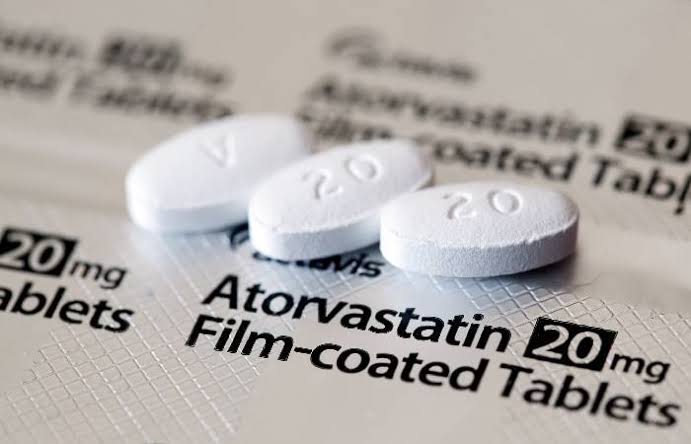
Stopping a statin does not cause withdrawal symptoms, but LDL cholesterol typically rises back toward pre-treatment baseline within 2 to 6 weeks — meaning most cardiovascular protection is lost when the medication is discontinued.
For patients with established ASCVD (Group 1), discontinuing a statin significantly increases the risk of recurrent cardiovascular events. Statins are essentially a lifelong medication for this group.
Before stopping for side effects, several alternatives are worth exploring with the prescribing physician:
- Switch to a different statin. Rosuvastatin and pravastatin (more hydrophilic, lower lipophilicity) tend to have lower rates of muscle-related side effects in some patients. Switching from simvastatin or atorvastatin to rosuvastatin resolves muscle symptoms in many patients.
- Lower the dose. A moderate-intensity statin provides meaningful LDL reduction and cardiovascular benefit — less than high-intensity, but substantially more than no statin.
- Every-other-day dosing. Rosuvastatin’s long half-life makes every-other-day dosing pharmacologically reasonable for patients who cannot tolerate daily dosing.
Statins and Diet — Working Together
Statins and dietary modification work through complementary mechanisms that add to each other. A common misconception is that starting a statin makes dietary cholesterol management irrelevant — this is incorrect.
Dietary saturated fat reduction continues to provide LDL reduction even on a statin, because saturated fat suppresses LDL receptor expression through the SREBP-2/LDLR pathway while statins reduce the endogenous cholesterol competing with those receptors. On maximal statin therapy, additional dietary optimization can produce a further 10 to 15 percent LDL reduction. High-fiber diet adds the bile acid binding mechanism independently of statin action. Plant sterols, omega-3 fatty acids, and other dietary interventions each target different aspects of cardiovascular risk.
The combined approach — statin plus dietary fat optimization plus high soluble fiber — typically achieves greater LDL reduction and cardiovascular risk reduction than statin therapy alone.
Beyond Statins — Ezetimibe and PCSK9 Inhibitors
When maximal statin therapy does not achieve sufficient LDL reduction, two classes of add-on therapy are available.
Ezetimibe blocks cholesterol absorption in the small intestine through inhibition of the NPC1L1 transporter. On top of statin therapy, ezetimibe typically reduces LDL by an additional 18 to 20 percent. The IMPROVE-IT trial confirmed that the LDL reduction from ezetimibe translates to cardiovascular event reduction. Ezetimibe is generic, relatively inexpensive, well-tolerated, and is the standard first add-on when statin alone is insufficient.
PCSK9 inhibitors (evolocumab, alirocumab) are injectable monoclonal antibodies that block PCSK9 — a protein that degrades LDL receptors. By inhibiting PCSK9, these drugs increase functioning LDL receptors, producing an additional 50 to 60 percent LDL reduction on top of statin plus ezetimibe. The FOURIER trial (evolocumab) and ODYSSEY OUTCOMES trial (alirocumab) both showed significant reductions in major cardiovascular events. PCSK9 inhibitors are currently reserved for very-high-risk patients not achieving LDL targets on statin plus ezetimibe due to their high cost.
For more on what raises LDL beyond medication considerations, see causes of high cholesterol. For understanding your cholesterol numbers, see LDL vs HDL cholesterol and what is cholesterol. For dietary approaches that complement statin therapy, see saturated fat and cholesterol and natural ways to support healthy cholesterol.
Sources
American Heart Association — Statins: Are They Right for You? (heart.org) | American College of Cardiology — 2019 ACC/AHA Cholesterol Guideline (acc.org) | US Food and Drug Administration — Statin Drug Safety Updates (fda.gov) | Cholesterol Treatment Trialists Collaboration. Lancet 2010;376:1670–81 | Wood FA et al. (SAMSON Trial). NEJM 2020;383:2182–8 | Sabatine MS et al. (FOURIER). NEJM 2017;376:1713–22
How Long Does It Take for Statins to Work?
LDL cholesterol begins to fall within days of starting a statin, but the full effect typically takes 4 to 6 weeks. This is because statins reduce endogenous cholesterol production continuously — the LDL receptors upregulated by SREBP-2 clear circulating LDL steadily, and the blood pool reaches a new equilibrium within weeks rather than immediately.
A follow-up lipid panel is typically drawn 4 to 12 weeks after starting or changing a statin, both to confirm the expected LDL reduction and to assess tolerability. If LDL targets are not achieved, dose adjustment or the addition of ezetimibe is considered at this point rather than waiting for a longer period.
The cardiovascular event reduction from statin therapy builds over years of continuous use. Short-term event reduction in the first year is modest; the full cardiovascular benefit in high-risk populations becomes substantial after 3 to 5 years of consistent therapy. This is why statins are considered lifelong for patients with established ASCVD — the benefit compounds with duration.
Statins, Inflammation, and Beyond — Understanding Pleiotropic Benefits
While LDL reduction is the primary mechanism of statin benefit, the pleiotropic effects of statins — biological actions beyond cholesterol lowering — are increasingly recognized as contributing to cardiovascular risk reduction.
Anti-inflammatory effects: Statins reduce C-reactive protein (CRP) independently of LDL reduction. The JUPITER trial enrolled 17,802 patients with LDL below 130 mg/dL but elevated high-sensitivity CRP ≥2 mg/L, a marker of systemic inflammation. Rosuvastatin reduced CRP by 37 percent, LDL by 50 percent, and major cardiovascular events by 44 percent compared to placebo — suggesting that some patients with “normal” LDL but elevated inflammatory markers benefit from statin therapy through both cholesterol and anti-inflammatory mechanisms.
Plaque stabilization: Atherosclerotic plaques that rupture — causing heart attacks and strokes — typically contain a large lipid-rich necrotic core covered by a thin fibrous cap. Statins reduce lipid accumulation within plaques and may thicken the fibrous cap, making plaques more stable and less likely to rupture even before the overall plaque size meaningfully decreases. Intravascular ultrasound studies (REVERSAL, ASTEROID) have shown plaque regression or stabilization with intensive statin therapy.
Endothelial function: Statins improve the ability of blood vessel walls to produce nitric oxide, which promotes vasodilation and reduces the inflammatory adhesion of monocytes to vessel walls. This benefit appears within weeks of starting statin therapy, before significant LDL reduction has occurred — evidence that some of the vascular benefit is independent of cholesterol.
Monitoring and Follow-Up on Statin Therapy
Once statin therapy is established and LDL targets are confirmed, most patients require relatively simple follow-up. Key monitoring points:
Lipid panel: Recheck 4–12 weeks after starting or changing dose to confirm LDL response. Once at goal and stable, annual lipid panels are typically sufficient for most patients.
Muscle symptoms: Patients should report new muscle pain, weakness, or dark urine (which can indicate myoglobinuria from rhabdomyolysis). If muscle symptoms develop, CK measurement helps distinguish pharmacological myopathy from the far more common nocebo-driven myalgia. Mild CK elevation (less than 4 times the upper limit of normal) without symptoms is typically not an indication to stop the statin. CK above 10 times normal with symptoms warrants holding the medication and reassessment.
Liver function tests: Routine monitoring is no longer required per FDA guidance, but baseline liver function testing before starting statins is reasonable. Testing should be repeated if symptoms of liver injury develop (jaundice, severe fatigue, right upper quadrant pain).
Blood glucose: Given the modest risk of statin-associated new-onset diabetes, patients with prediabetes or risk factors for diabetes should have periodic fasting glucose or HbA1c monitoring. This allows early detection and lifestyle intervention if glucose levels trend upward on therapy.
Statins and Specific Populations — What Changes
While the core mechanism and benefit of statins is consistent, certain populations have unique considerations that affect prescribing decisions.
Older adults (≥75 years): For older adults without established ASCVD, the benefit-risk calculation shifts. In adults aged 75 and over, there is less randomized trial data supporting primary prevention statin use, the number-needed-to-treat increases, and polypharmacy concerns and muscle fall risk receive more weight. For those with established ASCVD, secondary prevention evidence remains strong across age groups, and most guidelines continue to support statin use in older adults with prior cardiovascular events. The prescribing decision in older adults without prior ASCVD is more individualized, weighing life expectancy, functional status, and patient preferences.
Women of reproductive age: Statins are contraindicated in pregnancy — they cross the placenta and are classified FDA category X due to potential harm to fetal development of the mevalonate pathway. Women planning pregnancy should discontinue statins prior to conception. For women with familial hypercholesterolemia or very high-risk ASCVD who are pregnant, bile acid sequestrants (colesevelam, cholestyramine) are sometimes considered, as they do not cross the placenta, though efficacy is limited compared to statins.
Chronic kidney disease (CKD): CKD significantly increases cardiovascular risk. The SHARP trial showed that the simvastatin plus ezetimibe combination reduced major atherosclerotic events in CKD patients. Rosuvastatin and pravastatin are preferred in CKD because they are not renally excreted to the same degree as some other statins, and simvastatin dose should not exceed 20 mg in patients with severe renal impairment due to interaction concerns. Statin use is recommended for CKD patients with cardiovascular risk profiles similar to the general population guidelines.
Patients with liver disease: Active liver disease and unexplained persistent transaminase elevations greater than 3 times the upper limit of normal remain contraindications. However, nonalcoholic fatty liver disease (NAFLD/NASH) — which is extremely common and actually increases cardiovascular risk — is not a contraindication to statin therapy. In fact, some evidence suggests statins may have a hepatoprotective effect in NAFLD, and the cardiovascular benefit in NAFLD patients with dyslipidemia is clearly favorable. Statins should not be withheld from NAFLD patients based on liver disease concerns absent active hepatitis or elevated transaminases.
Adherence — The Biggest Predictor of Real-World Outcomes
The most rigorous clinical trials of statins achieve their cardiovascular event reductions under conditions of consistent, high adherence — typically 85 to 95 percent adherence over the trial period. In real-world practice, statin adherence is substantially lower. Studies consistently show that 30 to 50 percent of patients who are prescribed a statin have stopped taking it within 1 year, and adherence continues to decline over subsequent years.
This adherence gap is the single largest driver of the difference between what statins achieve in trials and what they achieve at the population level. A statin’s efficacy in a clinical trial is irrelevant to a patient who stops taking it after 6 months because of concerns about side effects, cost, or a belief that their cholesterol is now “cured.”
Several factors improve statin adherence:
- Clear explanation of the mechanism and lifelong nature. Patients who understand that statin therapy works continuously — not just until LDL reaches a target and then “done” — are more likely to continue. LDL rises back toward baseline within weeks of stopping because the underlying biology (liver cholesterol synthesis, LDLR expression) reverts.
- Proactive side effect discussion. Acknowledging the SAMSON trial findings — that most muscle symptoms experienced by people on statins are real discomfort but not pharmacologically caused by the statin — can reduce nocebo-driven discontinuation without dismissing patient concerns.
- Addressing cost barriers. Most statins (atorvastatin, rosuvastatin, simvastatin, pravastatin) have been generic for years and are available at very low cost. The GoodRx or patient assistance program costs for atorvastatin 40 mg is often under $15/month at pharmacies that accept discount cards.
- Annual review and recalibration. Patients who receive annual cardiovascular risk discussions — where their current LDL, risk factors, and statin are explicitly reviewed — have higher long-term adherence than patients who receive an initial prescription and no follow-up framing.
As someone dealing with this personally, the statins: what adults should know about section was very helpful. The section on managing this condition day-to-day was especially useful for meal planning. Will definitely be coming back to this site for more health information.
Really well-written article on statins: what adults should know about. I have tried following advice from several sources but this is the most consistent with what my specialist told me. Forwarding this to others in my support group who are dealing with similar issues.
Bookmarked this article on statins: what adults should know about immediately — going to reference it regularly. I appreciated how the article addressed both the clinical side and the practical lifestyle adjustments. Keep up this kind of thorough health journalism — it genuinely helps patients like me.
My doctor recommended I look into statins: what adults should know about and this article covered it perfectly. I appreciated how the article addressed both the clinical side and the practical adjustments. Shared this with three friends who are dealing with related issues. Very useful resource.
Really well-written article on statins: what adults should know about. The practical tips made this immediately actionable, not just theoretical. This is exactly why I prefer this website over generic health platforms.
Finally a resource that explains statins: what adults should know about in plain language. This is the kind of evidence-based writing that actually changes how people approach their health. Will definitely be coming back to this site for more health information.