
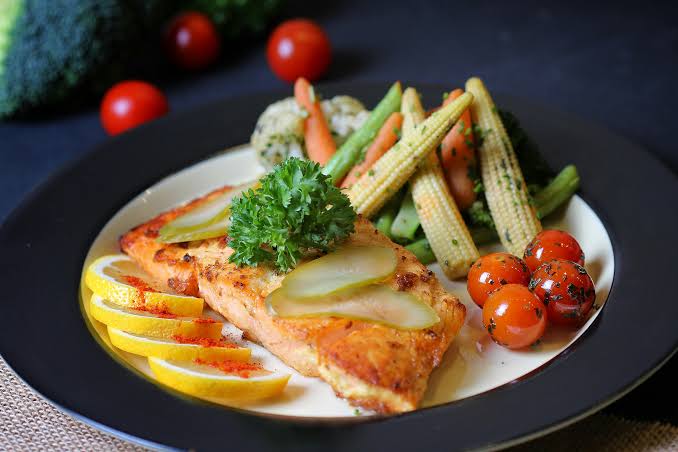
The natural ways to support healthy cholesterol are more evidence-backed — and more mechanistically grounded — than most people expect. Soluble fiber, plant sterols, specific dietary fat swaps, omega-3 fatty acids, exercise, and weight management each work through distinct biological pathways that are well-understood and quantifiable. When these approaches are combined, research shows they can produce LDL reductions approaching what a moderate-intensity statin achieves.
This matters because approximately 93 million American adults have total cholesterol above 200 mg/dL, and many of them are not yet at the threshold for medication or prefer to optimize lifestyle first. The approaches described here are not vague wellness advice — they are interventions with dose-response relationships, clinical trial evidence, and mechanistic explanations that connect directly to how cholesterol metabolism actually works.
How Natural Approaches Affect Cholesterol — The Mechanisms
Before looking at specific interventions, it helps to understand the four main biological pathways that dietary and lifestyle changes can target:
LDL receptor upregulation. The liver clears LDL from the bloodstream by expressing LDL receptors (LDLRs) on hepatocyte surfaces. Soluble fiber forces the liver to divert cholesterol into bile acid production, depleting the liver’s intracellular cholesterol and triggering SREBP-2 — the same transcription factor pathway that statins activate — to upregulate LDL receptors. Dietary saturated fat does the opposite: it suppresses LDLR expression, which is why replacing saturated fat with unsaturated fat reduces LDL.
Cholesterol absorption blockade. Plant sterols and stanols — structurally similar to cholesterol — compete for the NPC1L1 transporter in the small intestine wall. At therapeutic concentrations (around 2g per day), they displace dietary and biliary cholesterol from the transporter, reducing net cholesterol absorption by approximately 50 percent.
Triglyceride reduction and lipoprotein remodeling. Omega-3 fatty acids, exercise, and weight loss each reduce VLDL production or increase VLDL clearance, lowering circulating triglycerides. Because VLDL is the precursor to LDL, reducing VLDL production also tends to reduce LDL particle number.
Reverse cholesterol transport. HDL’s core function is removing excess cholesterol from peripheral tissues and returning it to the liver. Aerobic exercise improves HDL particle function and number through increased lipoprotein lipase activity and other mechanisms.
Soluble Fiber — The Most Consistently Evidence-Backed Approach
Among all dietary cholesterol interventions, soluble fiber has the most consistent and best-characterized evidence base. It works by forming a viscous gel in the small intestine that traps bile acids — the cholesterol-derived compounds the liver secretes to emulsify dietary fat. When bile acids are carried out in stool rather than reabsorbed, the liver must synthesize new bile acids from circulating cholesterol, depleting its intracellular cholesterol supply and triggering LDL receptor upregulation through the SREBP-2 pathway.
Meta-analyses consistently show that each additional 5 to 10 grams of soluble fiber per day reduces LDL cholesterol by approximately 5 to 11 mg/dL.
Best food sources of soluble fiber:
- Oats and oat bran: The beta-glucan in oats is the most studied soluble fiber for cholesterol. FDA-qualified health claim: 3g oat beta-glucan/day reduces heart disease risk.
- Barley: Also rich in beta-glucan; similarly effective per gram of soluble fiber delivered.
- Legumes: Lentils, chickpeas, kidney beans, black beans — ½ cup cooked provides 2–4g soluble fiber.
- Psyllium husk: The most concentrated supplement form; available as Metamucil and generics. Ten to twelve grams per day in water before meals is the studied dose.
- Apples and pears: Pectin in fruit skin provides soluble fiber. One medium apple ≈ 1g soluble fiber.
- Ground flaxseed: Two tablespoons provides ~2g soluble fiber plus ALA omega-3.
Fiber intake should be increased gradually — one new source at a time over 2 to 3 weeks — to allow gut adaptation and avoid gas and bloating. For a deeper look at fiber’s specific mechanisms, see our article on fiber and cholesterol.
Plant Sterols and Stanols — Blocking Cholesterol at the Gate
Plant sterols and stanols are naturally occurring structural analogs of cholesterol found in plants. In the small intestine, they compete directly with cholesterol for the NPC1L1 transporter responsible for cholesterol absorption. At therapeutic doses, they reduce net cholesterol absorption by approximately 50 percent, forcing the liver to pull more LDL from the bloodstream.
The dose-response is well established: 2 grams per day reduces LDL by approximately 8 to 10 percent in most adults. This threshold is endorsed by both the American Heart Association and the European Food Safety Authority based on meta-analysis of over 80 controlled trials.
Plant sterols occur naturally in nuts, seeds, legumes, and whole grains — but at concentrations far below the therapeutic threshold. Reaching 2g/day practically requires:
- Fortified margarines and spreads (Benecol, Flora ProActiv) — 0.8–1g per serving
- Fortified orange juice or yogurt drinks — ~1g per serving
- Plant sterol/stanol supplements — 0.8–1g per capsule
Plant sterols must be consumed with meals containing fat to be effective, and they are additive with statin therapy — studies show 10 to 12 percent additional LDL reduction when plant sterols are added to existing statin treatment.
Upgrading Dietary Fat — What to Swap and Why
Saturated fatty acids (SFA) suppress the expression of LDL receptors on liver cells — the primary mechanism by which they raise LDL. Replacing saturated fat with polyunsaturated fat removes this suppression. The estimated effect: replacing 5 percent of total caloric intake from SFA with PUFA reduces LDL by approximately 10 percent.
Practical swaps with meaningful impact:
- Butter → olive oil or avocado oil: Butter is 51% SFA; olive oil is 14% SFA and 73% MUFA. Olive oil does not raise LDL and may mildly lower it.
- Red meat → fatty fish, legumes, or poultry: One of the most impactful single food substitutions for long-term LDL control. Replaces SFA with omega-3 PUFA (fish) or protein + fiber (legumes).
- Coconut oil → canola oil or olive oil: Coconut oil is 82% saturated fat — higher than butter. Despite popular health claims, no randomized controlled trial evidence supports cardiovascular benefit from coconut oil; it consistently raises LDL in controlled trials.
- Full-fat dairy → fermented dairy or plant-based alternatives: Fermented dairy (yogurt, kefir) appears to have more favorable effects than butter despite similar SFA content, possibly due to the fermentation matrix.
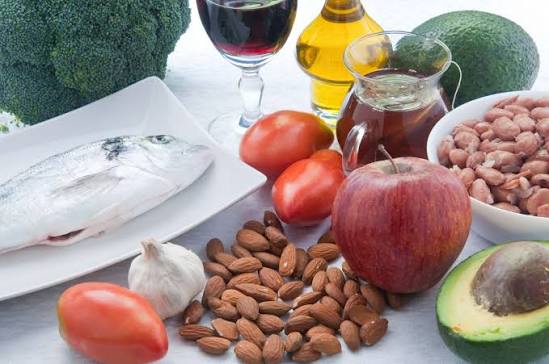
The Mediterranean dietary pattern — olive oil, fatty fish, legumes, nuts, vegetables, and whole grains — has produced consistent cardiovascular event reduction across large randomized trials. The PREDIMED trial showed 30 percent reduction in major cardiovascular events in high-risk patients following a Mediterranean diet with extra olive oil or nuts compared to a low-fat control diet.
Natural Ways to Support Healthy Cholesterol Through Exercise and Weight Loss
Exercise and weight management are two of the most effective — and most underutilized — natural ways to support healthy cholesterol levels, particularly for improving the full lipid profile rather than just LDL.
Aerobic exercise: 150 minutes per week of moderate-intensity exercise (brisk walking, cycling, swimming) reduces triglycerides by approximately 10 to 20 percent and increases HDL cholesterol by approximately 3 to 6 percent. LDL changes modestly from exercise alone (~3–5 mg/dL reduction), but exercise contributes through lipoprotein lipase activity — the enzyme responsible for cleaving triglycerides from VLDL particles — and through remodeling of LDL toward larger, less atherogenic particles.
Weight loss: Body fat, particularly visceral abdominal fat, drives increased free fatty acid flux to the liver, stimulating hepatic VLDL synthesis. Weight loss reverses this process across the full lipid profile:
- ~0.8 mg/dL LDL reduction per kilogram lost
- ~1.9 mg/dL triglyceride reduction per kilogram lost
- ~0.4 mg/dL HDL increase per kilogram lost
A 10 percent reduction in body weight typically produces an LDL reduction of 10 to 15 mg/dL and triglyceride reduction of 20 to 30 percent — maintained as long as the weight loss is sustained.
Omega-3 Fatty Acids — Strongest Evidence for Triglycerides
Omega-3 fatty acids have their primary and most clinically meaningful effect on triglycerides rather than LDL. EPA and DHA at 2 to 4 grams per day reduce triglycerides by 20 to 50 percent — with greater reduction in patients with higher baseline triglycerides. The REDUCE-IT trial (2018) showed that 4g/day pure EPA (icosapentaenoic acid) reduced major cardiovascular events by 25 percent in statin-treated patients with elevated triglycerides, exceeding what triglyceride reduction alone would predict.
The American Heart Association recommends two servings of fatty fish per week (salmon, mackerel, sardines, trout, herring) as a practical way to maintain omega-3 status — each 3.5-oz serving of salmon provides approximately 1.8g EPA + DHA.
ALA — the plant-derived omega-3 in flaxseed, chia seeds, and walnuts — converts to EPA and DHA at only ~5–10% efficiency. ALA still provides anti-inflammatory benefit and is worthwhile in a cholesterol-supporting diet, but does not substitute for marine omega-3s in people with very elevated triglycerides. For more detail, see our article on omega-3 and heart health.
Nuts, Garlic, and Berberine — What the Evidence Actually Shows
Nuts: A meta-analysis of 25 intervention trials found that ~28g (one handful) of tree nuts per day reduces LDL by approximately 3 to 5 mg/dL. Walnuts, almonds, cashews, and pistachios have all shown benefit. The mechanisms include MUFA and PUFA content, plant sterols, arginine (which supports nitric oxide and vascular function), and fiber. Nuts do not cause weight gain when they replace other snack foods rather than being added on top of current caloric intake.
Garlic: Meta-analyses show modest reductions in total cholesterol (~5–6 mg/dL) and LDL (~3–5%) compared to placebo. The effect is real but small — consistently smaller than soluble fiber or plant sterols. Aged garlic extract (standardized for S-allylcysteine) is more consistently studied and shows modest blood pressure benefit in addition. Garlic is a valuable culinary choice but should not be expected to produce substantial LDL reduction alone.
Berberine: An alkaloid from Berberis plants with a specific mechanism: it activates PCSK9 degradation, increasing functional LDL receptor number through a pathway complementary to statins. A 2019 meta-analysis found berberine (500mg two to three times daily) reduced LDL by approximately 23 mg/dL and triglycerides by approximately 44 mg/dL. These are meaningful reductions. However, berberine is not FDA-approved for cholesterol and has clinically significant drug interactions (inhibits CYP3A4 and P-glycoprotein, affecting cyclosporine, anticoagulants, and some statins). It should be used under physician supervision and avoided in pregnancy.
Red yeast rice: Contains monacolin K — chemically identical to lovastatin, a prescription statin. Products with substantial monacolin K can reduce LDL by 15 to 25 percent but carry the same side effect profile as statin therapy (muscle and liver risks). The FDA has taken enforcement action against high-monacolin-K products as unapproved drugs. Monacolin K content varies enormously between retail brands — a genuine quality control and safety issue.
The Portfolio Diet — Combining Natural Approaches for Statin-Level Results
Individual dietary interventions each produce modest LDL reductions. But when multiple evidence-based approaches are combined, the total effect is substantially larger and additive.
The Portfolio Diet, developed by Dr. David Jenkins at the University of Toronto, combines four natural cholesterol-lowering components: plant sterols (2g/day), viscous soluble fiber (20g/day), soy protein (50g/day replacing animal protein), and nuts (23g/day almonds). In a meta-analysis of 7 randomized controlled trials, the Portfolio Diet produced an average LDL reduction of approximately 30 percent — comparable to a moderate-intensity statin. For motivated individuals who prefer dietary management before considering medication, this represents the realistic ceiling of what combined dietary intervention can achieve.
Even partial implementation — 10g soluble fiber, 2g plant sterols, and a daily handful of nuts — reliably produces 10 to 20 percent LDL reduction. To understand how your numbers relate to cardiovascular risk, see our articles on what is cholesterol, LDL vs HDL cholesterol, and saturated fat and cholesterol.
Sources
American Heart Association — Cholesterol Prevention and Treatment (heart.org) | NIH MedlinePlus — High Blood Cholesterol (medlineplus.gov) | European Food Safety Authority — Plant Sterols and Blood Cholesterol (efsa.europa.eu) | Jenkins DJ et al. Portfolio Dietary Pattern and Cardiovascular Disease. Progress in Cardiovascular Diseases 2018;61:185–98 | Bhatt DL et al. (REDUCE-IT Trial). NEJM 2019;380:11–22
Reading Food Labels for Cholesterol-Relevant Nutrients
Putting dietary cholesterol management into practice requires navigating food labels effectively. Several label components matter most for people focused on LDL reduction:
Saturated fat: Listed in grams per serving on all standard Nutrition Facts panels. The American Heart Association recommends limiting saturated fat to 5 to 6 percent of total calories — for a 2,000-calorie diet, that’s approximately 11 to 13 grams per day. A single tablespoon of butter contains 7 grams, making butter the largest single controllable SFA source in most diets.
Trans fat: Any amount above 0g per serving is problematic. Be aware that products can list “0g trans fat” while still containing partially hydrogenated oils — the FDA rules allow rounding down to zero if trans fat content is below 0.5g per serving. Always check the ingredients list for “partially hydrogenated oil” when trans fat content matters, particularly in shelf-stable baked goods and microwave popcorn.
Dietary fiber: The Nutrition Facts panel lists total dietary fiber per serving, not soluble fiber specifically. Oat-based products, legumes, and psyllium supplements are the most reliable concentrated sources of the soluble fraction. As a rough rule: if a food’s fiber comes primarily from oats, barley, legumes, or fruit, a substantial portion is likely soluble.
Plant sterol/stanol content: Only required on the label if the manufacturer makes a health claim about cholesterol reduction. If you’re using a fortified product (margarine, juice, yogurt drink), the serving description typically states the sterol content explicitly — look for products specifying 0.8g or more per serving to build toward the 2g/day therapeutic threshold.
Combining Approaches — Building a Practical Daily Protocol
The most effective cholesterol-supporting dietary pattern combines multiple mechanisms simultaneously. Rather than treating each intervention as separate, a daily protocol that integrates soluble fiber, plant sterols, healthy fat substitutions, and omega-3s works across all four biological pathways at once.
A practical daily framework:
- Breakfast: Oatmeal made with water (1 cup dry oats = ~4g beta-glucan) + tablespoon ground flaxseed + walnuts or almonds. Swap any butter or cream for plant-based or low-fat option. This delivers ~5g soluble fiber, 1–2g plant sterols (if fortified spread added), and ALA omega-3 in a single meal.
- Lunch: Large salad with legumes (½ cup chickpeas or lentils = ~3g soluble fiber), olive oil dressing (replaces SFA dressings), avocado (MUFA). Add canned salmon or sardines twice weekly for EPA/DHA.
- Snack: One handful of mixed tree nuts (28g) — contributes MUFA, plant sterols, arginine.
- Dinner: Fatty fish (salmon, mackerel, sardines) twice weekly, legume-based meals on other nights, olive oil as primary cooking fat. A fortified plant sterol margarine on whole grain bread contributes 0.8–1g plant sterols toward the daily 2g target.
- Supplement (if needed): Psyllium husk in water before two meals adds 10–12g soluble fiber/day for people not meeting the fiber target through food alone.
This integrated approach can realistically deliver 12 to 20g soluble fiber, 1.5 to 2g plant sterols, meaningful PUFA from fish and nuts, and olive oil replacing SFA — collectively capable of producing 15 to 30 percent LDL reduction depending on baseline diet and consistency.
What Not to Rely On — Overhyped “Cholesterol Fixes”
Several popular “natural cholesterol remedies” lack the evidence to support their reputation:
Apple cider vinegar: Frequently promoted online for cholesterol reduction. Clinical trials have not demonstrated meaningful effects on LDL cholesterol. Some very small studies have shown modest triglyceride reductions that may be secondary to reduced appetite — not a direct lipid-lowering mechanism.
Niacin (vitamin B3) as a supplement: Niacin raises HDL and lowers triglycerides — effects that look favorable on paper. However, the AIM-HIGH trial (niacin added to statins in patients with controlled LDL) and the HPS2-THRIVE trial (niacin/laropiprant) both found no reduction in cardiovascular events and significant increases in adverse effects including flushing, blood sugar elevation, and serious infections. Current cardiovascular guidelines no longer recommend niacin for cholesterol management when statins are available.
Antioxidant supplements (vitamin E, vitamin C, beta-carotene): Despite their biological plausibility as cardiovascular protectors, large randomized trials have consistently found no reduction in cardiovascular events from supplemental antioxidants. Vitamin E supplementation may actually increase all-cause mortality at high doses (HOPE trial). These supplements should not be expected to improve cholesterol or cardiovascular outcomes.
Detox teas and cleanses: No evidence of cholesterol reduction from any purported “cleansing” product. Cholesterol is not a toxin removed by liver cleanses — it is a regulated metabolite. Products making these claims are misrepresenting how cholesterol metabolism works.
How Long Does It Take to See Results From Dietary Changes?
One of the most common questions when starting a cholesterol-supporting dietary protocol is how quickly changes will appear on a lipid panel. The timeline varies by intervention:
Soluble fiber: Effects on LDL begin within days of consistent high-fiber intake, as bile acid trapping and subsequent liver cholesterol mobilization occur with each meal. A meaningful reduction (3–7 mg/dL) is typically visible on a lipid panel at 4 to 6 weeks of consistent high-fiber intake. The bile acid depletion cycle is continuous — effects are sustained as long as fiber intake is maintained, and reverse within weeks when fiber intake drops.
Plant sterols: Similar timeline to fiber — sterol competition with cholesterol absorption begins immediately with each dose taken at a meal, and steady-state LDL reduction appears within 3 to 4 weeks on a lipid panel. The reduction is maintained consistently as long as the daily 2g dose is kept up.
Dietary fat substitution: Changes in the SFA:PUFA ratio in the diet affect LDL receptor expression through the SREBP-2 pathway, which responds within days to changes in intrahepatic cholesterol. Full blood lipid effect is typically visible in 4 to 8 weeks after a significant fat quality change, particularly if combined with other interventions.
Exercise: Triglyceride reductions from aerobic exercise are relatively quick — even a single session of moderate aerobic exercise transiently lowers triglycerides. Sustained changes (10–20% TG reduction, modest HDL increase) establish within 4 to 8 weeks of regular 150-minute/week programs. LDL changes from exercise take longer and are more dependent on associated weight loss.
Weight loss: LDL responds gradually to progressive weight loss — the ~0.8 mg/dL per kilogram rule represents the cumulative effect as fat mass decreases. A 5–7 kg weight loss (11–15 lbs) over 2 to 3 months will typically produce a measurable LDL reduction on a follow-up lipid panel.
Practically: a follow-up lipid panel at 6 to 8 weeks after implementing a comprehensive dietary protocol (soluble fiber + plant sterols + dietary fat upgrade) gives meaningful data on response. A lipid panel taken too early (before 4 weeks) may not capture the full effect of dietary changes.
When Natural Approaches Are Enough — and When They Are Not
Natural dietary and lifestyle approaches are most powerful in specific situations, and understanding their ceiling helps set realistic expectations.
When natural approaches are likely sufficient:
- Borderline high LDL (130–159 mg/dL) with low cardiovascular risk: A comprehensive dietary protocol (Portfolio Diet approach) can bring LDL into the desirable range (<130 mg/dL) without medication in many adults with borderline elevation and no major risk factors.
- Pre-hypertension-level triglycerides (150–500 mg/dL): Omega-3 supplementation, reduction of refined carbohydrates, alcohol reduction, and weight loss together can normalize elevated triglycerides without medication in most adults.
- Primary prevention in adults without established ASCVD and 10-year risk <7.5%: Guidelines do not universally recommend statins in this group. Lifestyle-first approach is appropriate and often sufficient to maintain favorable risk over years.
When natural approaches are unlikely to be sufficient alone:
- Familial hypercholesterolemia: LDL ≥190 mg/dL due to genetic LDL receptor dysfunction typically cannot be adequately controlled through diet alone. Even the Portfolio Diet’s 30% LDL reduction still leaves LDL at very high-risk levels for someone starting at 250 mg/dL. Medication is standard of care in this group.
- Established ASCVD (prior heart attack, stroke, coronary artery disease): The absolute cardiovascular benefit of high-intensity statin therapy in this group is large and well-established; dietary optimization should be added to, not substituted for, medical therapy.
- LDL significantly elevated (>160 mg/dL) with elevated 10-year cardiovascular risk: Natural approaches reduce LDL incrementally; the combination of elevated LDL and elevated risk typically warrants discussion with a clinician about whether medication is appropriate alongside lifestyle change.
Natural dietary approaches and medical therapy are not mutually exclusive — they work through complementary mechanisms and additive effects. The most effective cardiovascular risk reduction strategy for many patients is a combination of optimized diet, regular exercise, and targeted medication when the risk profile warrants it.
I shared this article on natural ways to support healthy cholesterol with my doctor and they appreciated the level of detail. The specific numbers and thresholds mentioned are exactly what I needed to understand my lab results. Appreciate the effort that went into researching and writing this — it shows.
Bookmarked this article on natural ways to support healthy cholesterol immediately — going to reference it regularly. I have tried following advice from several sources but this is the most consistent with what my specialist told me. This is going into my health binder that I bring to every doctor’s visit.
Came across this while researching natural ways to support healthy cholesterol for a family member. I especially valued the explanation of why these recommendations exist, not just what they are. Appreciate the effort that went into researching and writing this — it shows.
As someone dealing with this personally, the natural ways to support healthy cholesterol section was very helpful. The article answered questions I didn’t even know I had until I started reading. This is going into my health folder that I bring to every doctor’s visit.
Finally a resource that explains natural ways to support healthy cholesterol in plain language. This is the kind of evidence-based writing that actually changes how people approach their health. Looking forward to reading more articles from this website.
My doctor recommended I look into natural ways to support healthy cholesterol and this article covered it perfectly. The specific numbers and thresholds mentioned are exactly what I needed to understand my results. Appreciate the effort that went into researching and writing this — it shows.