
Circulation Problems in Older Adults: Signs and Care
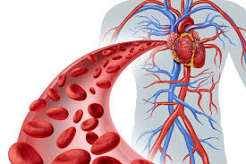
Circulation problems in older adults are among the most prevalent and most consequential health challenges in geriatric medicine — affecting an estimated 20 to 30 percent of adults over 65 in some form, and carrying significant implications for functional independence, fall risk, wound healing, and cardiovascular event risk. Unlike many conditions that have a single identifiable cause, age-related circulation problems typically involve multiple simultaneous mechanisms: progressive arterial stiffness reducing vascular compliance, venous valve degeneration causing venous insufficiency, microvascular rarefaction impairing tissue oxygen delivery, and autonomic dysfunction producing unstable blood pressure responses to positional changes.
Understanding the specific mechanisms of age-related circulatory change — and the specific conditions that result from each — allows older adults and their healthcare providers to target interventions effectively, rather than applying generalized “circulation support” approaches that may not address the dominant mechanism for a given patient. This article reviews the major types of circulation problems common in older adults, their characteristic signs and symptoms, when to seek medical evaluation, and the evidence-based management strategies that can meaningfully improve circulation and quality of life in aging patients.
Why Circulation Problems Increase with Age — The Underlying Mechanisms
The circulatory changes of aging are gradual, cumulative, and — beyond a certain point — structurally irreversible, though many of their functional consequences remain amenable to treatment. The key mechanisms include:
Arterial stiffness: The aorta and large elastic arteries gradually stiffen with age through progressive calcification of the arterial media (the muscular-elastic middle layer), fragmentation of elastin fibers (which normally provide arterial compliance), and accumulation of collagen cross-links that reduce arterial wall distensibility. The result is increasing pulse pressure (the difference between systolic and diastolic blood pressure) with age — as the stiffened aorta can no longer buffer the pressure pulse of each cardiac ejection. Systolic blood pressure rises even as diastolic pressure remains stable or falls slightly, producing the characteristic isolated systolic hypertension of aging. Increased arterial stiffness is both a marker and a mechanism of accelerated cardiovascular risk: elevated pulse wave velocity (the gold-standard non-invasive measure of arterial stiffness) is an independent predictor of myocardial infarction, stroke, and cardiovascular mortality.
Venous insufficiency: The leg veins bear the greatest hemodynamic challenge in the venous system — maintaining unidirectional flow against gravity from the feet to the heart. The bicuspid venous valves that enable this unidirectional flow are subjected to decades of hydrostatic pressure loading and repeated shear stress during the calf muscle pump cycle. Over time, valve leaflets develop fibrotic thickening, lose coaptation, and allow retrograde flow (venous reflux) — producing the venous hypertension, varicose veins, chronic leg edema, skin changes, and venous ulcers characteristic of chronic venous insufficiency. Prevalence of venous insufficiency increases steeply with age: estimated at less than 5 percent in adults under 40, rising to 20 to 30 percent in adults over 70.
Autonomic dysfunction and orthostatic hypotension: The autonomic nervous system normally compensates for positional changes (lying to sitting, sitting to standing) through baroreceptor-mediated reflexes that rapidly increase heart rate and peripheral vascular resistance to maintain blood pressure. With aging, baroreceptor sensitivity declines, the sympathetic nervous system response to positional change slows, and the capacity for rapid heart rate increase diminishes (partly from reduced beta-adrenergic receptor responsiveness to catecholamines). The result: orthostatic hypotension — a drop in systolic blood pressure of 20 mmHg or more (or diastolic 10 mmHg or more) within 3 minutes of standing — affects approximately 20 percent of community-dwelling adults over 65 and up to 50 percent of nursing home residents over 75.
Microvascular rarefaction and endothelial dysfunction: Aging is associated with progressive reduction in capillary density (rarefaction) in skeletal muscle, skin, and other tissues — reducing the surface area available for oxygen and nutrient exchange. Simultaneously, endothelial dysfunction (reduced nitric oxide production and increased oxidative stress in the vascular endothelium) impairs the vasodilatory response to exercise and tissue metabolic demand. Together, these microvascular changes reduce the effective oxygen delivery to aging tissues — contributing to the reduced exercise tolerance, slower wound healing, increased cold sensitivity, and impaired cognitive blood flow regulation characteristic of aging.
Peripheral Artery Disease in Older Adults — Prevalence and Presentation
Peripheral artery disease is one of the most prevalent circulation problems in older adults, yet remains dramatically under-recognized and under-treated. Estimated prevalence: 12 to 15 percent of adults over 65 and 20 percent or more of adults over 75 — yet approximately half of affected individuals are asymptomatic (no claudication), and among the symptomatic, many attribute their leg pain with walking to “normal aging” or arthritis rather than vascular disease.
PAD in older adults has distinct clinical features compared to younger patients. Classic claudication (reproducible calf pain with walking, relieved by rest within 10 minutes) occurs in only about one-third of older adults with PAD. More common presentations in older adults include: atypical exertional leg symptoms (hip, thigh, or buttock pain rather than calf pain — indicating more proximal disease in the aortoiliac segment); reduced walking speed and endurance without recognized pain (the patient simply walks less and attributes it to “getting old”); leg weakness rather than typical pain during exertion; and non-healing wounds of the feet and lower legs (presenting directly as critical limb-threatening ischemia without antecedent claudication in patients who were already sedentary before ischemia became critical).
The ankle-brachial index (ABI) — comparing blood pressure at the ankle to blood pressure at the brachial artery using a Doppler probe — is the recommended screening test for PAD in older adults. ABI below 0.9 diagnoses PAD with over 90 percent sensitivity and specificity. ACC/AHA guidelines recommend ABI screening for adults over 65 (or over 50 with a history of smoking or diabetes) due to the high asymptomatic PAD prevalence and the high associated cardiovascular risk — PAD is a cardiovascular disease equivalent, carrying myocardial infarction and stroke risk equivalent to known coronary artery disease, even in the absence of symptoms.
Orthostatic Hypotension — A Major Circulation Problem in Aging
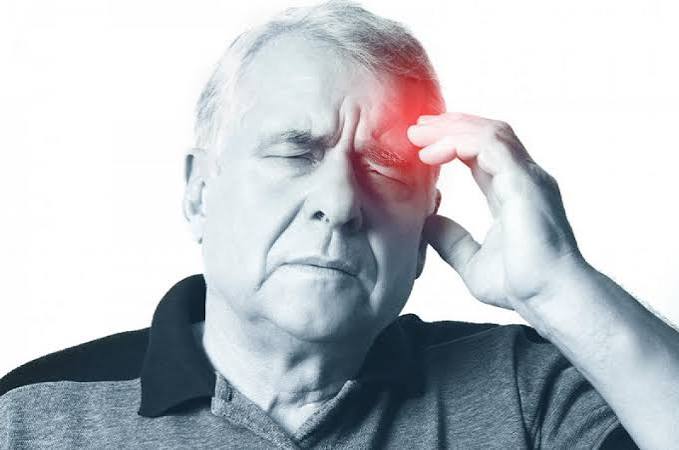
Orthostatic hypotension — a sustained blood pressure drop of 20 mmHg systolic or 10 mmHg diastolic upon standing — is a critical and frequently underappreciated circulation problem in older adults. Its consequences are immediate and serious: falls and fall-related injuries (the leading cause of injury-related death in adults over 65 in the United States), syncope (transient loss of consciousness from cerebral hypoperfusion), near-syncope, and dizziness that reduces confidence and mobility in already-compromised older adults.
The causes of orthostatic hypotension in older adults are multifactorial and frequently additive: age-related baroreceptor dysfunction (reduced sensitivity of the carotid and aortic baroreceptors to blood pressure drops); dehydration (common in older adults due to reduced thirst perception and diuretic use); polypharmacy — particularly antihypertensives (especially alpha-blockers and diuretics), medications for Parkinson disease, tricyclic antidepressants, and alpha-1 receptor blocking prostate medications — which can each independently cause or worsen orthostatic hypotension; and underlying autonomic neuropathy from diabetes, Parkinson disease, or primary autonomic failure.
The assessment of orthostatic hypotension requires measurement of blood pressure in both the supine position and after 1 and 3 minutes of standing — not sitting, as the full orthostatic challenge occurs only upon full upright posture. Lying-to-standing blood pressure checks should be part of the standard geriatric assessment for any older adult presenting with falls, dizziness, or syncope. Management includes: hydration optimization (8 to 10 glasses of water daily unless contraindicated); medication review and deprescribing of causative agents where possible; physical counterpressure maneuvers (crossing legs, tensing leg muscles, squatting when lightheaded); gradually rising from lying to sitting and pausing before standing; and for severe cases, compression garments (abdominal binders plus thigh-high compression stockings) to reduce venous pooling in the lower body, or pharmacological agents (fludrocortisone, midodrine) under specialist guidance.
Chronic Venous Insufficiency in Older Adults — Managing Leg Edema and Skin Changes
Chronic venous insufficiency (CVI) is the most prevalent vascular condition in older adults after hypertension, affecting an estimated 25 to 40 percent of older women and 10 to 20 percent of older men. Its spectrum ranges from cosmetic varicose veins (CEAP class C2) through persistent leg edema (C3), skin changes (hyperpigmentation, lipodermatosclerosis — C4), and healed or active venous ulcers (C5-C6) — the most severe complication, which affects approximately 1 percent of adults over 60 and is one of the most resource-intensive wound care challenges in geriatric medicine.
The management of chronic venous insufficiency in older adults centers on graduated compression stockings as the cornerstone intervention — with important caveats specific to the older adult population. Compression stockings reduce venous hypertension, improve calf pump function, reduce edema, improve skin nutrition, and promote venous ulcer healing and prevention. However, older adults face specific barriers to compression use: difficulty donning stiff compression stockings (finger and hand dexterity may be impaired by arthritis); skin fragility (compression applied over atrophic, fragile skin in patients with severe CVI or steroid-exposed skin can cause pressure injury); and the critical contraindication of coexisting PAD — compression in a patient with ABI below 0.6 reduces arterial perfusion to an already-ischemic limb and can precipitate critical ischemia and limb loss. For this reason, ABI measurement before prescribing compression is an absolute requirement in older adults with leg edema, who commonly have coexisting PAD.
In addition to compression, the management of venous insufficiency in older adults includes: regular walking exercise (the calf muscle pump is the most effective mechanism for improving venous return — see our related article on how walking supports circulation); leg elevation above heart level for 30 to 60 minutes twice daily when feasible; skin care with emollient moisturizers to prevent xerosis and breakdown; wound care for venous ulcers (typically compression bandaging, wound dressings, and specialist referral for non-healing ulcers); and in selected patients, venous ablation procedures (endovenous thermal ablation, sclerotherapy, or surgical stripping of the incompetent superficial venous segments causing the greatest reflux).
Signs of Circulation Problems in Older Adults That Need Medical Attention
While many age-related circulation changes are gradual and manageable, certain signs indicate circulation problems in older adults that require prompt or urgent medical evaluation:
Signs requiring same-day or emergency evaluation: Sudden unilateral leg swelling with pain (DVT — same-day duplex ultrasound); sudden onset cold, pale, painful leg (acute limb ischemia — emergency, call 911); chest pain with dyspnea and leg edema (pulmonary embolism or decompensated heart failure — emergency); and falls with head injury or loss of consciousness (syncope from orthostatic hypotension — same-day evaluation).
Signs requiring prompt outpatient evaluation: Non-healing wound or ulcer on the foot or lower leg (ischemic or venous ulcer); persistent unilateral leg edema (rule out DVT); new or worsening leg pain with walking (claudication — new PAD or PAD progression); recurrent dizziness or near-syncope on standing (orthostatic hypotension — medication review and tilt assessment); and new onset of distal foot or toe pain at rest, especially at night (rest pain — critical limb ischemia).
See our related articles on poor circulation in the legs, peripheral artery disease symptoms, swollen ankles and circulation, cold feet and circulation problems, and how walking supports circulation. The NHLBI PAD resources for patients, CDC data on falls and older adults, and Society for Vascular Surgery venous disease resources provide additional guidance for older adults and their families.
- Fowkes FG, et al. Comparison of global estimates of prevalence and risk factors for peripheral artery disease in 2000 and 2010. Lancet. 2013;382(9901):1329-1340.
- Labropoulos N, et al. Progression of Superficial Vein Thrombosis and Venous Insufficiency. J Vasc Surg. 2002;35(5):973-978.
- Freeman R, et al. Consensus statement on the definition of orthostatic hypotension. Clin Auton Res. 2011;21(2):69-72.
- Gerhard-Herman MD, et al. 2016 AHA/ACC Guideline on Management of Lower Extremity PAD. J Am Coll Cardiol. 2017;69(11):e71-e126.
- O’Brien E, et al. Hypertension in Older Adults. J Hypertens. 2010;28(Suppl 1):S1-S16.
Heart Failure and Circulation Problems in Older Adults
Heart failure — the inability of the heart to pump sufficient blood to meet the body’s metabolic demands — is predominantly a disease of older adults, with approximately 80 percent of the 6.7 million Americans living with heart failure being over 65 years old. Heart failure produces circulation problems through two distinct mechanisms depending on its type:
Heart failure with reduced ejection fraction (HFrEF) — systolic heart failure, where the left ventricle cannot contract sufficiently to expel an adequate stroke volume — reduces forward cardiac output, causing low-output circulation problems: cold extremities, reduced exercise tolerance, fatigue, cognitive slowing from reduced cerebral blood flow, and prerenal azotemia from reduced renal perfusion. The peripheral vasoconstriction triggered by the sympathetic nervous system’s response to low cardiac output produces cool, mottled extremities and low-volume peripheral pulses — signs of advanced HFrEF with significantly reduced cardiac output reserve.
Heart failure with preserved ejection fraction (HFpEF) — the predominant form in older adults, particularly older women with hypertension, obesity, and atrial fibrillation — impairs diastolic filling of the stiff, non-compliant left ventricle, producing elevated filling pressures that back up into the pulmonary circulation and then the systemic venous circulation. The result is pulmonary congestion (dyspnea on exertion, orthopnea), systemic venous congestion (elevated jugular venous pressure, hepatic congestion, and bilateral ankle edema — the most visible peripheral circulation sign of HFpEF), and reduced exercise capacity from impaired cardiac output augmentation during exertion. HFpEF bilateral ankle edema is frequently mistaken for venous insufficiency edema — the distinction being that HFpEF edema extends above the ankle, includes pretibial and even scrotal or abdominal edema in severe cases, and is accompanied by dyspnea, orthopnea, and elevated BNP levels.
The management of heart failure in older adults requires careful attention to balance: diuresis to reduce venous congestion and edema must be balanced against the risk of dehydration and orthostatic hypotension — both particularly dangerous in older adults. The neurohormonal blockade (ACE inhibitors or ARBs, beta-blockers, aldosterone antagonists, and SGLT2 inhibitors for HFrEF) that forms the cornerstone of HFrEF treatment must be initiated and titrated carefully in older adults, accounting for renal function, potassium levels, and blood pressure response. Specialist co-management of heart failure in older adults with multiple comorbidities is consistently associated with better outcomes than primary care management alone.
Atrial Fibrillation, Stroke Risk, and Circulation in Older Adults
Atrial fibrillation (AF) — the most common sustained cardiac arrhythmia — affects approximately 10 percent of adults over 65 and up to 15 to 18 percent of adults over 80, making it one of the most prevalent circulation-related conditions in the older adult population. AF produces circulation problems through two distinct mechanisms:
Cardiac output impairment: Loss of the organized atrial contraction in AF reduces ventricular filling (the “atrial kick” normally provides 15 to 25 percent of ventricular filling volume — a contribution that becomes more critical when the ventricle is stiff and preload-dependent, as in HFpEF) and produces an irregular, variable heart rate that impairs cardiac output efficiency. Many older adults in AF experience significant fatigue, dyspnea, and reduced exercise tolerance even when the ventricular rate is adequately controlled — reflecting the loss of atrial mechanical contribution to cardiac output.
Thromboembolic risk: Stasis of blood in the fibrillating (non-contractile) left atrium — particularly in the left atrial appendage — promotes thrombus formation. Left atrial appendage thrombus can embolize to the cerebral circulation, producing ischemic stroke — the most feared complication of AF. The annual stroke risk in older adults with AF is 3 to 5 percent without anticoagulation — and unlike strokes from atherosclerotic disease, AF-related cardioembolic strokes tend to be large, disabling, and fatal. Oral anticoagulation (warfarin or direct oral anticoagulants — DOACs) reduces AF-related stroke risk by approximately 64 percent. The CHA₂DS₂-VASc score (a validated risk calculator incorporating age over 65 and over 75 as weighted risk factors) guides anticoagulation decisions in AF — with most adults over 65 with AF qualifying for anticoagulation based on age alone.
Anticoagulation in older adults with AF requires careful attention to bleeding risk (particularly intracranial and gastrointestinal hemorrhage risk, which increases with age, renal impairment, and concomitant antiplatelet therapy) and falls risk — a commonly cited concern in older adults who have frequent falls. Evidence consistently shows that for most older adults with AF and fall risk, the stroke prevention benefit of anticoagulation outweighs the bleeding risk from falls — the number of falls needed to cause intracranial hemorrhage from a fall is estimated to be 295 falls annually, while unprotected AF carries approximately 5 percent annual stroke risk. Fall prevention interventions should be pursued alongside anticoagulation, not instead of it, for most older AF patients.
Diabetes and Circulation Problems in Older Adults — A Compounding Risk
Diabetes mellitus — affecting approximately 25 percent of adults over 65 in the United States — dramatically accelerates age-related circulatory deterioration by simultaneously damaging large vessels (macroangiopathy — accelerated atherosclerosis in coronary, cerebral, and peripheral arteries), small vessels (microangiopathy — capillary basement membrane thickening impairing oxygen and nutrient exchange in retina, kidney, and peripheral nerves), and the peripheral nervous system (diabetic peripheral neuropathy — loss of protective sensation, motor function, and autonomic regulation in the feet and lower legs).
The consequences of diabetes-accelerated circulation problems in older adults are severe and multisystem: peripheral artery disease develops 10 to 15 years earlier in diabetics than in non-diabetics, with greater severity and more frequent involvement of the tibial and peroneal arteries (the small distal arteries supplying the foot) — making surgical revascularization technically more challenging and outcomes less favorable. Diabetic foot complications — the combined consequence of PAD-related ischemia, neuropathy-related loss of protective sensation, and immune dysfunction enabling infection — cause more than 60 percent of all non-traumatic lower extremity amputations in the United States, a disproportionate share of which occur in older adults with long-standing diabetes.
The management of diabetic circulation problems in older adults requires comprehensive multidisciplinary care: glycemic optimization (HbA1c targets individualized for older adults — more liberal in frail older adults with life expectancy under 5 years, given the greater risk of hypoglycemia and its consequences in this population); cardiovascular risk factor management (blood pressure, LDL cholesterol, antiplatelet therapy); regular vascular surveillance (annual ABI and foot examination with monofilament and tuning fork testing for neuropathy); diabetic foot care education and podiatric follow-up; and prompt wound care referral for any diabetic foot wound, regardless of size.
Exercise for Circulation Problems in Older Adults — What the Evidence Supports
Physical activity is among the most consistently effective interventions for improving circulatory function in older adults — with evidence spanning arterial stiffness, venous return, cardiac function, orthostatic tolerance, and PAD walking capacity. The circulatory benefits of regular moderate exercise in older adults include:
Arterial stiffness reduction: Regular aerobic exercise training (walking, cycling, swimming — 150 minutes weekly of moderate intensity) reduces pulse wave velocity — the gold-standard measure of arterial stiffness — by approximately 5 to 10 percent over 12 weeks of training in previously sedentary older adults. This reduction is comparable in magnitude to the arterial stiffness reduction achieved by antihypertensive medications in some studies, and the two effects are partially additive.
Venous return improvement: The calf muscle pump activated during walking produces 3 to 4 times higher venous return than standing still, directly addressing the venous stasis that drives both DVT risk and venous insufficiency symptom worsening. Even in frail older adults who cannot maintain a sustained 30-minute walk, brief 5 to 10 minute walking intervals several times daily provide meaningful venous return benefit and should be encouraged.
Orthostatic tolerance improvement: Regular aerobic exercise training improves baroreceptor sensitivity and blood volume — both counteracting the age-related orthostatic hypotension mechanisms. Specific exercises that train standing tolerance (standing from sitting repeatedly — “sit-to-stand” exercises) improve the neuromuscular responses that prevent fainting when rising. These can be performed safely by most older adults with orthostatic hypotension and may be more practical than formal exercise programs for frail older adults.
PAD claudication improvement: Supervised exercise therapy produces the most dramatic functional improvement of any intervention for PAD claudication — 100 to 150 percent improvement in pain-free walking distance and 150 to 200 percent improvement in maximum walking distance after 12 weeks of structured treadmill walking programs. For older adults with PAD, the functional benefits of supervised exercise therapy translate directly into independence — the ability to walk to the mailbox, navigate a grocery store, and maintain community ambulation are all improved by the walking distance gains from supervised exercise therapy.
For frail older adults who cannot achieve the standard supervised exercise therapy intensity, adapted programs using shorter sessions, more frequent rest breaks, and home-based walking augmented by regular telephone or clinic follow-up still produce meaningful benefits — with evidence from randomized trials in older PAD patients showing significant walking improvement from home-based walking programs compared to usual care even in patients unable to attend formal SET programs.
I shared this article on circulation problems in older adults: signs with my doctor and they appreciated the level of detail. The article answered questions I didn’t even know I had until I started reading. Exactly the kind of evidence-based information that is hard to find in one place.
I shared this article on circulation problems in older adults: signs with my doctor and they appreciated the level of detail. The specific numbers and thresholds mentioned are exactly what I needed to understand my lab results. Thank you for making complex medical information accessible without dumbing it down.
Came across this while researching circulation problems in older adults: signs for a family member. I appreciated how the article addressed both the clinical side and the practical lifestyle adjustments. Exactly the kind of evidence-based information that is hard to find in one place.
As someone dealing with this personally, the circulation problems in older adults: signs section was very helpful. What I liked most was that the article didn’t just say what to avoid — it also gave alternatives. Thank you for making complex medical information accessible without dumbing it down.
I never fully understood circulation problems in older adults: signs until I read this. I appreciated how the article addressed both the clinical side and the practical adjustments. This gave me real confidence going into my next specialist appointment.
Finally a resource that explains circulation problems in older adults: signs in plain language. The practical tips made this immediately actionable, not just theoretical. Looking forward to reading more articles from this website.