
Heart Disease and Mental Health: The Evidence-Based Connection
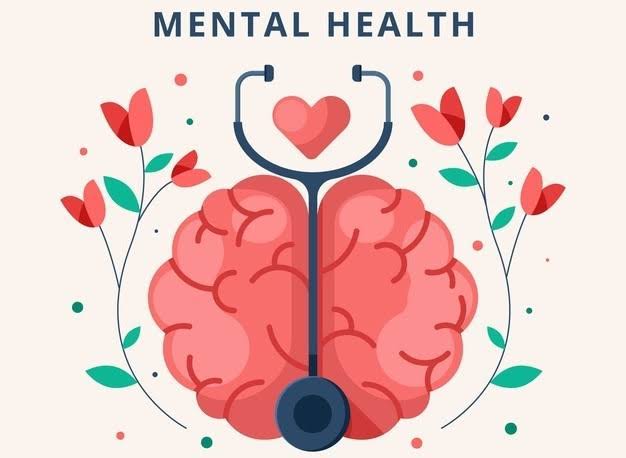
The relationship between heart disease and mental health is one of the most clinically important and historically underappreciated connections in medicine. For decades, cardiology and psychiatry operated in separate silos — cardiologists focused on plaques, valves, and pumps; psychiatrists on thoughts, emotions, and behaviors — with limited systematic attention to how profoundly each domain affects the other. The evidence that has accumulated over the past 30 years has fundamentally changed this picture: depression, anxiety, chronic stress, social isolation, and other psychological conditions are now established risk factors for cardiovascular disease and powerful determinants of outcomes in patients with existing cardiac conditions.
This is not a relationship of correlation — the biological mechanisms connecting mental and cardiovascular health are increasingly well characterized. Chronic psychological distress activates the hypothalamic-pituitary-adrenal (HPA) axis and sympathetic nervous system, producing sustained elevations in cortisol, adrenaline, and inflammatory cytokines. These neuroendocrine and inflammatory changes accelerate atherosclerosis, promote platelet aggregation and hypercoagulability, impair endothelial function, increase heart rate and blood pressure, and create the same systemic inflammatory environment that underlies cardiovascular disease progression. The pathways are direct, measurable, and clinically meaningful — making mental health an integral component of comprehensive cardiovascular care rather than an ancillary concern.
Depression and Heart Disease — A Bidirectional Relationship
Depression and heart disease share a bidirectional relationship — each condition increases the risk of developing the other, and each worsens the prognosis of the other once both are present.
Depression increases cardiovascular disease risk: Multiple large prospective studies have confirmed that major depressive disorder in otherwise healthy individuals significantly increases the risk of developing coronary artery disease. The Interheart study, which examined risk factors for first MI across 52 countries, identified psychosocial factors (depression, stress, and social isolation) as accounting for approximately 30 percent of the population-attributable risk for MI — comparable to smoking and dyslipidemia. Meta-analyses of prospective cohort studies find that depression doubles the risk of MI and cardiovascular mortality in previously healthy populations, independent of traditional cardiovascular risk factors. The mechanisms include the neuroendocrine and inflammatory pathways described above, plus behavioral consequences of depression (poor diet, physical inactivity, smoking, alcohol use, poor sleep) that independently increase cardiovascular risk.
Heart disease causes and worsens depression: Receiving a diagnosis of significant cardiac disease is a profound psychological stressor — one that alters patients’ sense of their body’s reliability, their mortality salience, their capacity for valued activities, and their social roles and relationships. Major depressive disorder affects 15 to 25 percent of patients in the year following myocardial infarction, heart failure diagnosis, or cardiac surgery — two to three times the general population prevalence. Heart failure patients have a 40 percent prevalence of depressive symptoms. Patients who develop depression after a cardiac event have substantially worse cardiovascular outcomes: two to threefold higher rates of recurrent MI and cardiovascular death, lower medication adherence, reduced participation in cardiac rehabilitation, lower physical activity, and more frequent hospitalizations.
The mechanisms by which depression worsens cardiac prognosis include direct biological effects (HPA axis dysregulation, sympathetic hyperactivation, elevated inflammatory markers such as CRP and IL-6, platelet hyperreactivity, impaired heart rate variability) and behavioral pathways (depression reduces motivation for medication adherence, exercise, healthy eating, and attendance at follow-up appointments — all behaviors that independently predict cardiac outcomes). The interaction between biological and behavioral pathways makes the combined effect larger than either alone: a depressed post-MI patient who does not take their medications, does not exercise, and does not attend follow-up is at dramatically higher risk than the clinical risk score based on cardiac factors alone would predict.
Anxiety, Chronic Stress, and Cardiovascular Disease
Anxiety disorders and chronic psychological stress exert cardiovascular effects through overlapping but distinct mechanisms from depression, and their prevalence in cardiac populations is similarly high.
Anxiety and panic disorder activate the sympathetic nervous system intensely — producing acute surges in heart rate, blood pressure, and catecholamines that can trigger cardiac arrhythmias, precipitate coronary vasospasm, or — in patients with established coronary disease — provoke myocardial ischemia. Panic attacks can be clinically indistinguishable from cardiac events based on symptoms alone: rapid heart rate, chest pressure, shortness of breath, and fear of dying are common to both. Many patients with undiagnosed panic disorder receive extensive cardiac workup before the diagnosis is made; conversely, some patients with genuine cardiac conditions have their symptoms attributed to anxiety, resulting in diagnostic delays. The distinction often requires both thorough cardiac evaluation to exclude structural or arrhythmic causes and mental health assessment to identify anxiety as a contributing or primary diagnosis.
Post-traumatic stress disorder (PTSD) is associated with a 55 percent increased risk of cardiovascular events in large epidemiological studies, independent of traditional cardiovascular risk factors and comorbid depression. The sustained sympathetic hyperactivation, HPA axis dysregulation, inflammatory activation, and high rates of cardiovascular risk behaviors (smoking, alcohol use, physical inactivity) in PTSD create a cardiovascular risk profile that warrants clinical attention. Veterans and others with PTSD represent an important cardiovascular risk group where mental health treatment has direct cardiovascular benefit potential.
Chronic work stress, including high-demand/low-control job environments, job insecurity, long working hours, and workplace conflict, consistently associates with elevated cardiovascular risk in prospective studies. The Whitehall II study, which followed 10,000 British civil servants for decades, found that those in low-control work environments had significantly higher rates of coronary heart disease than those with greater job autonomy, independent of socioeconomic status and traditional risk factors. The mechanisms involve chronic sympathetic activation, sleep disruption, stress-driven unhealthy behaviors, and reduced time for health-promoting activities.
Social Isolation, Loneliness, and the Heart
Social isolation and loneliness are emerging as major cardiovascular risk factors that only recently have received systematic clinical attention. A 2016 meta-analysis published in Heart found that social isolation increased the risk of coronary heart disease by 29 percent and stroke by 32 percent, independent of established risk factors. Loneliness — which is a subjective feeling of social disconnection that does not always correlate with objective isolation — similarly associates with elevated cardiovascular mortality. The mechanisms include direct physiological effects (loneliness activates the same stress response systems as other psychological threats) and behavioral pathways (isolated individuals are less likely to receive medication reminders, social support for health behaviors, or timely emergency assistance when cardiac symptoms occur).
The cardiovascular impact of social isolation became dramatically apparent during the COVID-19 pandemic, which produced profound social isolation alongside direct viral cardiac effects. The long-term cardiovascular consequences of pandemic-era social isolation — disrupted exercise routines, increased sedentary behavior, reduced access to preventive care, and the psychological effects of prolonged social disconnection — are still being assessed but are expected to contribute to elevated cardiovascular risk in affected populations for years.
Social connection interventions — structured social support programs, cardiac peer support groups, group cardiac rehabilitation (which provides both exercise benefits and social connection), and digital community platforms for patients with specific cardiac conditions — have shown cardiovascular benefits in multiple studies beyond what can be explained by direct behavioral changes alone. Social support appears to buffer cardiovascular stress reactivity, improve medication adherence, and provide emotional resources that enhance the psychological resilience needed for long-term cardiovascular self-management.
Evidence-Based Interventions for the Mind-Heart Connection
Cognitive behavioral therapy (CBT) for depression and anxiety in cardiac patients has demonstrated both psychological and cardiovascular benefits in randomized trials. The ENRICHD trial, which enrolled 2,481 post-MI patients with depression or social isolation, found that CBT significantly reduced depressive symptoms compared to usual care; the cardiovascular outcome differences were modest in the overall trial but significant in subgroups, and later analyses confirmed that depression remission (regardless of treatment modality) was associated with substantially better cardiovascular outcomes. CBT also addresses the cardiac-specific cognitive distortions common in post-MI patients: catastrophizing (interpreting any chest sensation as a sign of another heart attack), avoidance (refusing exercise because it feels unsafe), and health anxiety (hypervigilance to physical symptoms).
Antidepressant therapy with selective serotonin reuptake inhibitors (SSRIs) is safe and effective for depression in cardiac patients — the SADHART trial demonstrated that sertraline was safe post-MI and effective for depression reduction. SSRIs may also have direct cardiovascular benefits through antiplatelet effects (serotonin release from platelets contributes to platelet aggregation; SSRI-mediated platelet serotonin depletion reduces aggregability). Tricyclic antidepressants are generally avoided in cardiac patients because of their cardiotoxic effects (QT prolongation, conduction abnormalities, and anticholinergic effects that increase heart rate).
Exercise is one of the most potent interventions for both depression and cardiovascular disease — and the two benefits are additive in cardiac patients. Regular aerobic exercise reduces depression severity comparably to antidepressant medication in multiple meta-analyses, through mechanisms including increased BDNF (brain-derived neurotrophic factor), serotonin and dopamine neurotransmitter modulation, hypothalamic-pituitary-adrenal axis normalization, and reduction of systemic inflammation. For cardiac patients, exercise produces the same neurobiological benefits for mood plus the direct cardiovascular benefits of improved fitness, reduced resting heart rate, improved endothelial function, and reduced inflammatory burden — making it uniquely valuable as an intervention that simultaneously treats both conditions.
Mindfulness-based stress reduction (MBSR) and other mind-body interventions have accumulated growing evidence for cardiovascular benefit. A 2017 scientific statement from the American Heart Association reviewed the evidence for yoga, meditation, and other mind-body practices on cardiovascular risk factors and found evidence supporting benefits for blood pressure reduction, smoking cessation, and psychological well-being — with emerging evidence for benefit on cardiovascular event rates in high-risk patients. These interventions are particularly valuable as complements to standard cardiovascular care, addressing the stress-inflammation-cardiovascular risk pathway that pharmacotherapy alone does not fully address.
The American Heart Association’s mental health and heart health resources provide comprehensive information on the mind-heart connection. The CDC heart disease prevention information addresses behavioral and psychological risk factors. The NHLBI stress management guide provides practical strategies for managing stress to protect heart health.
Related reading: How to Lower Heart Disease Risk | Major Risk Factors for Heart Disease | What Causes Heart Disease? | Heart Disease Prevention for Women | Heart Disease Prevention for Men
Sources
- Lichtman JH, et al. Depression as a Risk Factor for Poor Prognosis Among Patients With Acute Coronary Syndrome. Circulation. 2014;129(12):1350-1369.
- Rosengren A, et al. Association of Psychosocial Risk Factors With Risk of Acute Myocardial Infarction in 11,119 Cases and 13,648 Controls (INTERHEART Study). Lancet. 2004;364(9438):953-962.
- Holt-Lunstad J, Smith TB, Layton JB. Social Relationships and Mortality Risk. PLoS Med. 2010;7(7):e1000316.
- Berkman LF, et al. Effects of Treating Depression and Low Perceived Social Support on Clinical Events After Myocardial Infarction (ENRICHD). JAMA. 2003;289(23):3106-3116.
- Glassman AH, et al. Sertraline Antidepressant Heart Attack Randomized Trial (SADHART). JAMA. 2002;288(6):701-709.
- Levine GN, et al. Psychological Health, Well-Being, and the Mind-Heart-Body Connection. Circulation. 2021;143(10):e763-e783.
Personality, Hostility, and Cardiovascular Risk
The relationship between personality and heart disease has evolved substantially from the original “Type A” and “Type B” personality framework. The original Type A construct — competitive, time-pressured, impatient, and driven — was initially proposed as a coronary risk factor but subsequent research found the association was primarily driven by one specific component: hostility and cynical distrust of others, not the achievement-orientation or time urgency dimensions. Hostility — characterized by cynical attitudes toward others, easily triggered anger, and aggressive reactions — consistently associates with increased cardiovascular risk across multiple prospective studies, through mechanisms including exaggerated cardiovascular reactivity (larger heart rate and blood pressure responses to interpersonal stressors), sustained sympathetic activation, elevated inflammatory markers, and social consequences (hostility reduces social support by making relationships difficult to maintain).
Type D personality (distressed personality) is a more recent construct that combines negative affectivity (tendency to experience negative emotions — anxiety, depression, tension, irritability) with social inhibition (tendency to suppress emotional expression in social situations because of fear of rejection or disapproval). Type D personality, assessed with the 14-item DS14 questionnaire, is present in approximately 25 to 30 percent of cardiac patients and is associated with three to four times higher risk of cardiovascular mortality, recurrent MI, and rehospitalization in patients with established coronary artery disease. The mechanisms include the sustained neuroendocrine and inflammatory effects of chronic negative affect, impaired ability to access social support, reduced utilization of cardiac rehabilitation, and poor adherence to secondary prevention behaviors. Type D patients are less likely to report symptoms to their physicians, less likely to comply with lifestyle recommendations, and more likely to have depression and anxiety as comorbidities.
The recognition of personality-cardiovascular risk associations does not imply that personality is destiny or that stable personality traits cannot be meaningfully modified. Psychological interventions targeting hostility reduction (anger management training, CBT for hostile cognitions), social skills and communication (reducing social inhibition), and emotional regulation (mindfulness and stress reduction approaches) have demonstrated both psychological improvements and reductions in physiological markers of cardiovascular risk. The goal is not personality transformation but targeted improvement in the specific dimensions — hostile thinking patterns, social withdrawal, catastrophizing — that exert the strongest cardiovascular effects.
Positive Psychological Factors — Optimism and the Protected Heart
While the cardiovascular effects of negative psychological states have been extensively studied, an emerging body of research examines whether positive psychological factors — optimism, purpose in life, emotional vitality, and gratitude — actively protect cardiovascular health rather than merely representing the absence of risk.
The evidence is increasingly compelling. The Women’s Health Initiative — which followed more than 100,000 women for 8 years — found that optimistic women had significantly lower rates of coronary heart disease, stroke, and cardiovascular mortality than pessimistic women, after controlling for depression, health behaviors, and traditional cardiovascular risk factors. A meta-analysis of 15 prospective studies found that high optimism was associated with a 35 percent lower risk of cardiovascular events. The MESA (Multi-Ethnic Study of Atherosclerosis) cohort found that higher emotional vitality predicted slower progression of subclinical coronary atherosclerosis measured by coronary artery calcium scoring.
Purpose in life — having a sense of meaning and direction in one’s existence — has emerged as a particularly robust positive psychological predictor of cardiovascular outcomes. The Rush Memory and Aging Project found that higher purpose in life was associated with a 27 percent lower risk of myocardial infarction and a 22 percent lower risk of stroke during follow-up. Mechanistically, purpose in life correlates with better sleep quality, lower inflammatory markers, healthier autonomic function, and better health behaviors — suggesting it may protect cardiovascular health through multiple pathways simultaneously. These findings support the clinical relevance of existential and meaning-centered dimensions of psychological care in cardiac populations, beyond the focus on pathology reduction that characterizes most standard approaches.
Screening, Recognition, and Integrated Care
Despite the strong evidence for the mental health-cardiovascular connection, psychological assessment remains systematically underperformed in most cardiology settings. Surveys of cardiac programs find that only 20 to 40 percent routinely screen for depression, and even fewer screen systematically for anxiety, PTSD, or social isolation — conditions that are equally prevalent and clinically important. Several validated, brief screening tools can be efficiently incorporated into cardiac practice:
The PHQ-9 (Patient Health Questionnaire-9) is a 9-item self-report measure of depressive symptoms severity that takes approximately 2 minutes to complete, has excellent sensitivity and specificity for major depressive disorder, and is validated specifically in cardiac populations. Scores of 10 or above indicate moderate-to-severe depression warranting clinical attention and mental health referral consideration. The PHQ-2 (the first two items of the PHQ-9, addressing anhedonia and depressed mood) provides an ultra-brief 2-question screen that can be completed verbally in under a minute and identifies those who need full PHQ-9 assessment.
The GAD-7 (Generalized Anxiety Disorder-7) is the parallel 7-item self-report measure for anxiety, with similar psychometric properties and clinical utility. The PHQ-4 combines the PHQ-2 and first two GAD-7 items into a 4-question ultra-brief screen for both depression and anxiety — scoring 6 or above suggests the need for more comprehensive assessment of both conditions.
The 2021 AHA Scientific Statement on “Psychological Health, Well-Being, and the Mind-Heart-Body Connection” (Levine et al., Circulation) explicitly recommends that all patients with cardiovascular disease be screened for depression and anxiety as part of routine cardiac care, with positive screens prompting follow-up assessment and referral. Collaborative care models — in which a mental health professional is embedded in or closely coordinated with the cardiac care team — have demonstrated the greatest effectiveness in improving both psychological outcomes and cardiovascular outcomes in patients with comorbid cardiac and mental health conditions, because they eliminate the referral barrier (patients not following through on separate mental health appointments) and enable integrated treatment planning.
What Patients Can Do — Practical Strategies for the Mind-Heart Connection
Understanding the bidirectional relationship between mental health and cardiovascular health equips patients to take evidence-based steps that simultaneously benefit both domains:
Be honest with your cardiac care team about psychological symptoms. Depression, anxiety, excessive stress, and social isolation are clinically relevant cardiovascular risk factors — not personal weaknesses or secondary concerns relative to “the heart problem.” Reporting psychological symptoms accurately to your cardiologist or primary care provider enables appropriate screening, treatment, and referral. Untreated depression in a post-MI patient is not a private matter — it is a cardiovascular risk factor that warrants clinical management like any other.
Prioritize regular moderate physical activity. Exercise is the single intervention with the strongest combined evidence base for both cardiovascular and mental health benefit — the two effects are additive rather than separate. For cardiac patients, structured cardiac rehabilitation programs provide the safest, most evidence-based exercise setting; for others, 150 minutes of moderate aerobic activity weekly (30 minutes five times per week) is the minimum recommended target for cardiovascular benefit, and also the dose that produces the most robust antidepressant effects in exercise-depression research.
Actively cultivate social connection. Maintaining meaningful social relationships — not just acquaintances, but close connections involving emotional reciprocity and support — is one of the most potent protective factors for both mental and cardiovascular health. The magnitude of social connection’s benefit on longevity is comparable to quitting smoking. Joining structured groups (cardiac support groups, exercise classes, community organizations, faith communities, volunteer programs) provides both social connection and the structure and purpose that additional evidence identifies as protective for heart health.
Consider evidence-based mind-body practices. Mindfulness-based stress reduction (MBSR), yoga, tai chi, and relaxation training all have evidence supporting benefits for blood pressure, stress markers, anxiety, and depression in cardiac populations. These practices do not require expensive programs — structured MBSR apps (Headspace, Calm, Insight Timer) provide accessible entry points, and 8-week MBSR programs are offered by hospitals, community centers, and online platforms. For patients with significant anxiety or depression, these practices work best as complements to professional treatment (CBT, medication) rather than substitutes.
Proactively address sleep. Poor sleep is both a cardiovascular risk factor and a powerful bidirectional mediator of mental health — disrupted sleep worsens depression and anxiety, while depression and anxiety worsen sleep, creating self-reinforcing cycles. Adults should target 7 to 9 hours of consistent sleep per night; those with symptoms of obstructive sleep apnea (snoring, witnessed apneas, excessive daytime sleepiness) should be screened, given the strong associations between untreated OSA and both cardiac events and depression.
I shared this article on heart disease and mental health: the with my doctor and they appreciated the level of detail. I have tried following advice from several sources but this is the most consistent with what my specialist told me. Looking forward to reading more articles from this website.
Finally a resource that explains heart disease and mental health: the in plain language. The article answered questions I didn’t even know I had until I started reading. This gave me real confidence going into my next specialist appointment.
As someone dealing with this personally, the heart disease and mental health: the section was very helpful. It is refreshing to see an article that acknowledges individual variation rather than giving one-size-fits-all advice. This gave me real confidence going into my next specialist appointment.
I never fully understood heart disease and mental health: the until I read this. It is refreshing to see an article that acknowledges individual variation rather than one-size-fits-all advice. This is going into my health folder that I bring to every doctor’s visit.
This is one of the clearest explanations of heart disease and mental health: the I have found. The section on managing this condition day-to-day was especially useful for planning. Appreciate the effort that went into researching and writing this — it shows.
Bookmarked this article on heart disease and mental health: the immediately — going to reference it regularly. It is refreshing to see an article that acknowledges individual variation rather than one-size-fits-all advice. I wish I had found this article earlier — would have saved a lot of confusion.