
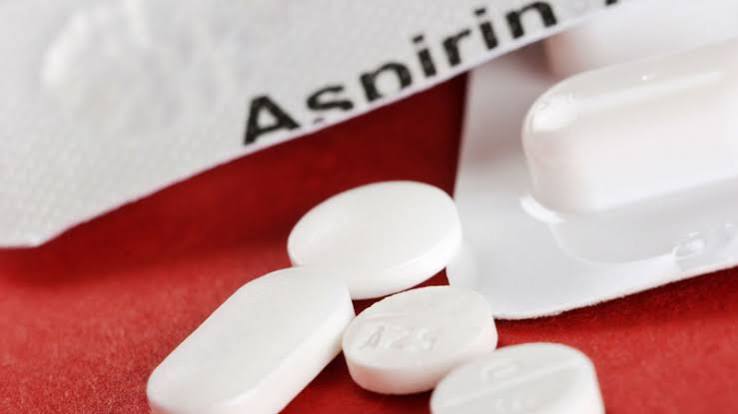
Aspirin and Heart Health: What to Know
For decades, the daily aspirin was one of the most widely followed — and widely recommended — pieces of cardiovascular advice in medicine. Take a low-dose aspirin every day and reduce your heart attack risk. By the early 2010s, tens of millions of adults in the United States were taking aspirin prophylactically, many without ever discussing it with a physician. Then, in 2018, three major randomized controlled trials published simultaneously upended this consensus for a large portion of those patients. Today, whether aspirin helps or harms a given individual depends on a specific and important distinction: whether they already have established cardiovascular disease, or whether they are trying to prevent cardiovascular disease from ever developing.
This article explains the evidence on aspirin and heart health, how aspirin works, why the guidelines changed for primary prevention, and who still benefits clearly from aspirin therapy. Understanding this distinction may affect a medication decision millions of adults are currently making — often without knowing the evidence has shifted.
How Aspirin Works
Aspirin belongs to the nonsteroidal anti-inflammatory drug (NSAID) family but is used in cardiovascular medicine primarily for its antiplatelet effect rather than its anti-inflammatory properties. At the low doses used in cardiovascular prevention (75 to 100 mg per day), aspirin irreversibly inhibits cyclooxygenase-1 (COX-1) — an enzyme found in platelets that is responsible for producing thromboxane A2 (TXA2). TXA2 is a potent platelet activator and vasoconstrictor: it recruits additional platelets to a site of vascular injury and causes the surrounding blood vessel to constrict, amplifying clot formation.
Because platelets are anucleate (they lack a nucleus and cannot synthesize new proteins), they cannot regenerate the COX-1 that aspirin has permanently inactivated. This means a single aspirin dose suppresses platelet thromboxane production for the entire 7 to 10 day lifespan of the platelet. New platelets entering the circulation eventually restore normal platelet function — which is why stopping aspirin before surgery requires 7 to 10 days to fully restore pre-aspirin platelet aggregation. This persistent, predictable antiplatelet effect distinguishes aspirin from reversible platelet inhibitors and is the pharmacological basis for its use in secondary cardiovascular prevention.
Secondary Prevention — The Clear Case for Aspirin
In patients with established atherosclerotic cardiovascular disease — a prior myocardial infarction, ischemic stroke or TIA, coronary artery bypass graft surgery, prior coronary stenting, or documented coronary artery disease on imaging — aspirin’s cardiovascular benefit is well established and not in question. The Antithrombotic Trialists’ Collaboration pooled data from more than 195 randomized trials involving over 100,000 high-risk patients and found that aspirin therapy reduced serious vascular events (non-fatal heart attack, non-fatal stroke, and vascular death) by approximately 25% compared to placebo. This is a clinically meaningful and durable effect across different types of established vascular disease.
Aspirin 75 to 100 mg (commonly referred to as low-dose or “baby” aspirin) is the recommended dose for secondary prevention in cardiovascular guidelines globally. The ADAPTABLE trial (New England Journal of Medicine Evidence, 2021), which randomized 15,076 patients with established cardiovascular disease to 81 mg versus 325 mg aspirin for a median of 2.5 years, found no significant difference in the primary composite of cardiovascular death, myocardial infarction, or stroke between the two doses. However, patients in the 325 mg group were significantly more likely to switch to a lower dose during the study (usually to 81 mg due to GI side effects) — confirming that 81 mg achieves equivalent cardiovascular protection with better tolerability and is now the universally preferred secondary prevention dose.
For patients who have experienced an acute coronary syndrome (unstable angina or heart attack) or who undergo coronary stenting, aspirin is combined with a P2Y12 inhibitor — typically ticagrelor — as dual antiplatelet therapy (DAPT) for 6 to 12 months. This combination more powerfully suppresses platelet aggregation through complementary mechanisms: aspirin blocks TXA2 production while the P2Y12 inhibitor blocks ADP-mediated platelet activation, together achieving greater platelet inhibition than either agent alone during the highest-risk period after an acute cardiac event or stent placement.

The 2018 Evidence Shift — Primary Prevention
The reversal of aspirin’s primary prevention status — for patients without established cardiovascular disease — is one of the most significant guideline changes in cardiovascular medicine in recent years. Three major randomized controlled trials, all published in 2018, converged on the same conclusion: for most adults without established CVD, aspirin does not provide net cardiovascular benefit and may cause net harm through increased bleeding.
The ASPREE trial (McNeil et al., New England Journal of Medicine, 2018) enrolled 19,114 community-dwelling adults aged 70 or older in Australia and the United States who had no established cardiovascular disease, dementia, or significant physical disability at enrollment. Participants were randomized to aspirin 100 mg daily or placebo and followed for a median of 4.7 years. The primary endpoint — a composite of death, dementia, or persistent physical disability — showed no significant benefit from aspirin. The secondary cardiovascular endpoint (cardiovascular events including fatal MI, stroke, and hospitalization) was not significantly reduced. Major bleeding, however, was 38% higher in the aspirin group. A particularly striking and unexpected finding was that all-cause mortality was 13% higher in the aspirin group, driven predominantly by cancer deaths (3.01% versus 2.66%), a difference that remains unexplained and is still under active research investigation.
The ARRIVE trial (Gaziano et al., Lancet, 2018) enrolled 12,546 patients with moderate estimated cardiovascular risk — a 10-year risk of approximately 17% for men — who had no established CVD. Aspirin 100 mg versus placebo over five years showed no significant reduction in the composite cardiovascular endpoint. GI events occurred at twice the rate in the aspirin group. It is worth noting that the actual cardiovascular event rate in ARRIVE was substantially lower than predicted (approximately 4% versus 17% estimated), suggesting that modern risk factor management with statins and antihypertensives may have reduced background risk in this “moderate-risk” population below the threshold where aspirin adds net value.
The ASCEND trial (Bowman et al., New England Journal of Medicine, 2018) focused on patients with diabetes mellitus but no established cardiovascular disease — a population previously thought to be at high enough absolute risk to benefit from aspirin. Over 7.4 years, aspirin 100 mg reduced serious vascular events by 12% (8.5% versus 9.6%) but increased major GI bleeding and other serious bleeding by 29% (4.1% versus 3.2%). The number of serious vascular events prevented by aspirin was similar to the number of serious bleeding events caused — rendering the net clinical benefit essentially neutral even in this higher-risk primary prevention population.
Current ACC/AHA Recommendations on Aspirin
The ACC/AHA 2022 primary prevention guidelines represent the current standard based on these and subsequent data analyses:
- Adults aged 40 to 59 with a 10-year ASCVD risk of 10% or greater: Low-dose aspirin might be considered (Class IIb, Weak), but only after an individualized discussion weighing expected benefit versus bleeding risk — this is explicitly a shared decision-making recommendation, not a routine one
- Adults aged 60 or older: Routine initiation of aspirin for primary prevention is not recommended (Class III: Harm) — the risks of bleeding outweigh any cardiovascular benefits
- Adults with established cardiovascular disease: Aspirin is still recommended unless specific contraindications (severe bleeding history, allergy) make it unsafe
- Adults already taking aspirin without established CVD: This requires an explicit conversation with a physician — many people started aspirin years ago based on older guidelines and have not revisited the decision since
The critical practical implication: if you are taking a daily aspirin solely because you heard it was “good for your heart” but have never had a heart attack, stroke, coronary stenting, or similar procedure — and particularly if you are 60 or older — this is worth discussing with your physician. Do not stop aspirin abruptly without medical guidance if you have any established cardiovascular disease.
Aspirin for Acute Myocardial Infarction
Regardless of the primary prevention debate, one aspirin recommendation remains universally applicable: when a person is experiencing symptoms that might indicate a heart attack (severe chest pain, chest pressure radiating to the arm or jaw, sudden shortness of breath, cold sweating), they should immediately chew (not swallow whole) one aspirin tablet — ideally 325 mg, or the closest available dose — while calling emergency services. Chewing aspirin, rather than swallowing it whole, significantly accelerates absorption and achieves therapeutic platelet inhibition within 10 to 15 minutes versus 45 to 60 minutes with intact tablets.
The ISIS-2 trial, which enrolled 17,187 patients with suspected acute MI, demonstrated that aspirin alone reduced five-week vascular mortality by 23% — an effect comparable to intravenous streptokinase (a clot-dissolving thrombolytic). The combination of aspirin plus streptokinase reduced mortality by 42%. This remains one of the most powerful single interventions available to a bystander or patient during an acute cardiac event, well before hospital-level care is initiated.
The Right Dose — 81 mg Is Preferred
The ADAPTABLE trial settled the long-standing question about optimal aspirin dose for secondary prevention. Enrolling 15,076 patients with established cardiovascular disease across 40 US health systems, ADAPTABLE randomized patients to 81 mg or 325 mg daily for a median of 26 months. There was no statistically significant difference in the primary composite of cardiovascular death, MI, or stroke. However, 325 mg patients were more than twice as likely to switch to 81 mg (primarily due to GI intolerance) compared to the reverse. This confirmed 81 mg as the clinically preferred dose: equal cardiovascular efficacy, fewer side effects, and better real-world adherence. There is no established cardiovascular benefit to taking 325 mg aspirin daily for secondary prevention, and doing so only increases the risk of gastrointestinal bleeding and other side effects.
NSAID Interaction — An Underappreciated Risk
Nonsteroidal anti-inflammatory drugs (NSAIDs) — including ibuprofen (Advil, Motrin) and naproxen (Aleve) — compete with aspirin for the same COX-1 binding site. If ibuprofen or naproxen is taken before aspirin, it can block aspirin’s access to COX-1, preventing the irreversible acetylation that produces aspirin’s antiplatelet effect. The FDA has issued a specific advisory: patients taking aspirin for cardiovascular purposes should take aspirin at least 30 minutes before taking ibuprofen, or wait at least 8 hours after ibuprofen before taking aspirin, to ensure aspirin’s antiplatelet effect is not blocked. This interaction is almost completely unknown to patients who take both medications — it represents a clinically meaningful but widely unappreciated cardiovascular risk for aspirin-dependent patients who also use ibuprofen for pain or fever. Acetaminophen (Tylenol) does not inhibit platelet COX-1 and does not interfere with aspirin’s antiplatelet effect — it is the appropriate over-the-counter analgesic/antipyretic for aspirin-dependent cardiovascular patients when pain or fever relief is needed.
GI Side Effects — The Enteric Coating Misconception
Aspirin increases the risk of gastrointestinal bleeding approximately 1.5 to 2 times compared to placebo, regardless of dose (though higher doses carry greater risk). Many patients take enteric-coated aspirin (such as Ecotrin) believing it protects them from GI complications. Enteric coating delays aspirin absorption until it reaches the small intestine rather than dissolving in the stomach — this reduces upper gastrointestinal irritation and dyspepsia symptoms. However, randomized trials and endoscopic studies have found no significant reduction in the rate of actual gastrointestinal bleeding with enteric-coated versus uncoated aspirin. The GI bleeding from aspirin is largely systemic (mediated through prostaglandin suppression throughout the GI mucosa) rather than local (from direct gastric acid contact), so coating the tablet does not prevent the mechanism responsible for bleeding.
Patients at high GI risk — those with a prior GI bleed, H. pylori infection, age over 65, or who take other NSAIDs or anticoagulants concurrently — should take a proton pump inhibitor (PPI, such as omeprazole or pantoprazole) along with aspirin. PPIs reduce aspirin-associated upper GI bleeding risk by approximately 70 to 80% in randomized trials and are the most effective strategy for reducing GI complications in aspirin-dependent patients who have modifiable GI risk factors.
Aspirin and Colorectal Cancer Prevention
Beyond its cardiovascular applications, aspirin has attracted substantial research attention for its potential role in colorectal cancer prevention. Multiple large observational cohort studies have found that regular aspirin use is associated with a 10 to 20% lower incidence of colorectal cancer in the general population. The most striking trial evidence comes from patients with Lynch syndrome — an inherited DNA mismatch repair disorder that dramatically increases lifetime colorectal cancer risk. The CAPP2 trial found that aspirin 600 mg per day in Lynch syndrome patients reduced colorectal cancer incidence by approximately 50% over a 10-year follow-up period, with most of the protection becoming apparent after five or more years of use.
Despite this compelling mechanistic and epidemiological evidence, aspirin is not currently recommended by major oncological or cardiovascular guidelines solely for colorectal cancer prevention in average-risk adults, primarily because the net benefit-to-bleeding-risk calculation has not been convincingly established for this indication outside of high-risk hereditary syndromes. The USPSTF (United States Preventive Services Task Force) gave low-dose aspirin a “C” recommendation for colorectal cancer prevention in average-risk adults — meaning the decision should be individualized, not universally implemented.
Conclusion
Aspirin and heart health occupy a more nuanced space than “take an aspirin a day” ever suggested. For patients with established atherosclerotic cardiovascular disease, aspirin remains a cornerstone of secondary prevention with robust evidence supporting a 25% reduction in recurrent events. For acute myocardial infarction, chewing aspirin immediately is among the most powerful time-sensitive interventions available. For primary prevention in adults without established CVD, the 2018 evidence shift and subsequent ACC/AHA guidelines have fundamentally changed the recommendation — routine aspirin is no longer appropriate for most adults, and those over 60 who take aspirin primarily for primary prevention should have an explicit conversation with their physician about whether to continue. Knowing your indication, your dose, how aspirin interacts with NSAIDs, and what GI protection measures are available allows you to use aspirin — when appropriate — as safely and effectively as possible.
Aspirin Resistance — Does It Exist?
The concept of “aspirin resistance” — where some patients fail to achieve adequate platelet inhibition despite taking aspirin regularly — has attracted significant clinical attention, with estimates suggesting 10 to 25% of patients may exhibit insufficient aspirin response as measured by laboratory tests of platelet function. However, the clinical significance of laboratory-defined aspirin resistance is less clear than the term implies.
True aspirin resistance in the pharmacological sense refers to inadequate suppression of thromboxane A2 production despite regular low-dose aspirin. This can occur due to concurrent NSAID use (which competitively blocks aspirin’s access to COX-1 — as described above), poor medication adherence (the most common cause), cigarette smoking (which may increase platelet turnover, diluting aspirin’s effect with uninhibited new platelets), and polymorphisms in the COX-1 gene or thromboxane receptor that alter aspirin’s binding efficiency. Diabetes and obesity may also impair aspirin’s antiplatelet response through mechanisms not yet fully understood.
The practical clinical challenge is that testing for aspirin resistance with platelet function assays adds cost and complexity without a clearly established management pathway: switching to higher aspirin doses does not reliably overcome resistance and increases bleeding risk, while switching to alternative antiplatelet agents like clopidogrel in secondary prevention patients has not been shown to produce better cardiovascular outcomes than aspirin in patients with apparent aspirin resistance. For most clinicians, the most productive response to suspected aspirin inadequacy is reviewing adherence and eliminating concurrent NSAID use, rather than laboratory testing or empiric agent switching.
Special Populations — Aspirin in the Elderly and Diabetics
Two populations warrant specific consideration: older adults and people with diabetes. The ASPREE trial, which specifically enrolled adults aged 70 or older, found that this age group did not derive net cardiovascular benefit from aspirin for primary prevention — while their absolute bleeding risk (intracranial hemorrhage, major GI bleeding) was substantially higher than in younger adults, given age-related changes in hemostasis, kidney function, and the likelihood of concurrent anticoagulant or NSAID use. The absolute excess bleeding risk in ASPREE’s elderly cohort was approximately 0.6% per year — a meaningful absolute difference at the population level. Current guidelines are clear: adults aged 60 or older should not initiate aspirin for primary prevention, and those who are already taking it for this reason should have an explicit conversation with their physician about whether to continue.
For patients with diabetes — a population long assumed to be at high enough cardiovascular risk to derive net benefit from aspirin — the ASCEND trial provided the definitive evidence of clinical equipoise between vascular event prevention and bleeding induction. This means diabetes alone is no longer sufficient justification for aspirin primary prevention; the decision remains individualized based on the full cardiovascular risk profile and bleeding risk factors of the individual patient.
Related Topics on Horizon Health Guide
- Blood Thinners: Why They Are Used — comprehensive overview of anticoagulants (warfarin, DOACs) alongside antiplatelet agents including aspirin, with full context on when each type is appropriate
- Common Heart Medications Explained — aspirin in the context of all eight major cardiovascular drug classes, including beta blockers, statins, and ACE inhibitors
- Cholesterol Medications: What Adults Should Know — how statin therapy and aspirin work together in secondary cardiovascular prevention
- Walking for Heart Health — how regular exercise complements aspirin therapy in cardiovascular risk reduction for secondary prevention patients
- Alcohol and Heart Health — alcohol’s interaction with aspirin (increased GI bleeding risk when combined) and its broader cardiovascular effects
Clinical References and Further Reading
- ASPREE Trial — NEJM 2018: aspirin vs. placebo in 19,114 older adults without CVD — no CV benefit; 38% higher major bleeding; unexpected higher all-cause mortality
- ASCEND Trial — NEJM 2018: aspirin in 15,480 diabetics without established CVD — modest CV benefit offset by equivalent bleeding increase; net benefit neutral
- ISIS-2 Trial — The Lancet 1988: aspirin in 17,187 suspected acute MI patients — 23% reduction in vascular mortality; foundational evidence for acute MI treatment
Pingback: Preventive Heart Care for Older Adults
Pingback: Diuretics for Blood Pressure and Heart Failure
Pingback: Medication Safety for Heart Patients
Really well-written article on aspirin and heart health. The specific numbers and thresholds mentioned are exactly what I needed to understand my lab results. Forwarding this to others in my support group who are dealing with similar issues.
Really well-written article on aspirin and heart health. I especially valued the explanation of why these recommendations exist, not just what they are. I wish I had found this article when I was first diagnosed — would have saved a lot of confusion.
Thank you for covering aspirin and heart health so thoroughly without being overly technical. I especially valued the explanation of why these recommendations exist, not just what they are. Looking forward to reading more articles from this website.
Thank you for covering aspirin and heart health so thoroughly without being overly technical. The specific numbers and thresholds mentioned are exactly what I needed to understand my results. Forwarding this to others in my support group who are dealing with similar issues.
I shared this article on aspirin and heart health with my doctor and they appreciated the level of detail. The practical tips made this immediately actionable, not just theoretical. Appreciate the effort that went into researching and writing this — it shows.
Bookmarked this article on aspirin and heart health immediately — going to reference it regularly. This is the kind of evidence-based writing that actually changes how people approach their health. Exactly the kind of evidence-based information that is hard to find in one place.