
Age and Type 2 Diabetes Risk: Why the Numbers Rise After 45
Among the risk factors for Type 2 diabetes, age stands as one of the most consistently documented — and one of the most biologically complex. The relationship between age and Type 2 diabetes risk is not simply a matter of time passing but of specific, measurable physiological changes that accumulate across decades and gradually shift the balance between insulin supply and demand in ways that make hyperglycemia increasingly likely. The American Diabetes Association identifies age 45 as the threshold for routine diabetes screening in adults without other risk factors, and the data supports this: Type 2 diabetes prevalence rises from roughly 4% in adults in their 30s to over 25% in adults in their 60s, with the steepest increase occurring in the 45–65 age bracket. Understanding why aging drives this risk — and which aspects of aging are modifiable — transforms age from a passive vulnerability into an actionable framework for targeted prevention. Our guide on diabetes risk factors covers the complete risk picture; this article focuses specifically on the mechanisms by which aging changes glucose metabolism and what those changes mean practically for people over 45.
Age-Related Decline in Beta Cell Function
Pancreatic beta cells — the insulin-secreting cells that are essential for maintaining blood glucose in a normal range — undergo gradual functional and structural changes with aging that reduce their ability to compensate for insulin resistance. Several mechanisms contribute. Beta cell mass modestly declines with age, partly through programmed cell death (apoptosis) that exceeds replacement in older adults. More significantly, the remaining beta cells become less capable of the rapid first-phase insulin secretion that normally peaks within 2–4 minutes of a glucose challenge — a critical early response that immediately signals peripheral tissues to prepare for glucose uptake. This blunted first-phase response is one of the earliest detectable changes in beta cell aging and is measurable in people with normal fasting glucose and normal A1C — meaning the deficit is present before standard screening tests become abnormal. As beta cell capacity declines and is no longer sufficient to compensate for the simultaneous development of age-related insulin resistance, post-meal glucose begins to rise, fasting glucose follows, and the progression toward prediabetes and Type 2 diabetes accelerates. The beta cell aging process is accelerated by chronic glucotoxicity (exposure to elevated blood glucose), which damages beta cells and reduces their function further — creating a feed-forward cycle that explains why early intervention matters. Our guide on what is insulin explains how insulin is produced and secreted, providing the baseline understanding needed to appreciate how age-related functional decline in these processes affects glycemic control.
Sarcopenia: Muscle Loss as a Metabolic Driver of Age-Related Diabetes Risk
Skeletal muscle is the body’s primary site of insulin-stimulated glucose disposal — after a meal, muscle accounts for approximately 80–85% of the glucose that insulin drives out of the bloodstream. The progressive loss of muscle mass and function that accompanies aging — a process called sarcopenia — therefore has direct and substantial effects on glucose metabolism and diabetes risk. Sarcopenia begins as early as the fourth decade of life, with losses of approximately 1–2% of muscle mass per year accelerating after age 60. In the absence of deliberate resistance training and adequate protein intake, most adults lose 30–50% of their peak muscle mass between ages 40 and 80. This muscle loss reduces the total capacity for insulin-mediated glucose uptake, meaning that the pancreas must secrete more insulin to achieve the same glucose-lowering effect — a demand that strains already aging beta cells. Reduced muscle mass is associated with elevated post-meal glucose spikes, higher A1C, and significantly higher Type 2 diabetes risk in longitudinal studies, independent of total body weight or BMI. Critically, this represents a modifiable aspect of aging: resistance training consistently preserves and in many cases increases muscle mass even in older adults, and the metabolic benefit — restored insulin-mediated glucose disposal — is directly protective against age-related diabetes development. Our guide on what is insulin resistance covers how reduced muscle glucose disposal capacity produces the same insulin resistance phenotype as excess adiposity, explaining why sarcopenia and obesity both elevate diabetes risk through converging mechanisms.

Age-Related Increases in Visceral Fat: The Metabolic Shift of Middle Age
Body composition changes profoundly with aging even in adults who maintain the same total body weight: muscle mass declines while fat mass increases, and fat redistribution shifts fat from subcutaneous deposits (relatively metabolically inert) toward visceral deposits (highly metabolically active and strongly linked to insulin resistance). This change in fat distribution — sometimes called the “middle-age spread” — occurs through multiple mechanisms: declining sex hormone levels (estrogen in women, testosterone in both sexes), increased cortisol sensitivity, reduced growth hormone output, and the muscle loss that reduces the metabolically active tissue that competes with fat for caloric substrate. The result is that a 55-year-old who weighs the same as they did at 35 may have 5–10% more total body fat and a substantially higher proportion of visceral fat than they had two decades earlier — producing significantly more metabolic risk at the same number on the scale. This is one of the reasons that BMI becomes a less reliable predictor of metabolic health in older adults: two people of the same height, weight, and BMI at age 55 can have very different visceral fat profiles depending on their muscle mass, physical activity history, and hormonal trajectory. Waist circumference — a proxy for visceral fat — is a more meaningful measure of metabolic risk in middle-aged and older adults than BMI alone. Our guide on belly fat and diabetes risk covers the clinical significance of visceral fat and how to measure it, and explains why the same waist circumference targets apply with equal or greater force in older adults.
Declining Physical Activity With Age: A Reversible Risk Factor
Average physical activity levels decline substantially across the lifespan in most adults, and this decline is one of the most important modifiable contributors to the age-related increase in diabetes risk. Physical activity directly improves insulin sensitivity through multiple mechanisms: it drives insulin-independent glucose uptake in muscle through AMPK activation, it reduces visceral fat, it preserves muscle mass, and it improves mitochondrial function in muscle cells. When activity declines with age, all of these benefits are lost simultaneously — and the metabolic consequences accumulate rapidly. Research comparing active and sedentary older adults consistently finds that active older adults maintain insulin sensitivity comparable to much younger individuals, while sedentary older adults show dramatically accelerated metabolic aging. The relationship is dose-dependent: even modest increases in physical activity — from sedentary to “light movers” — produce measurable improvements in glucose metabolism. The threshold for significant metabolic benefit in older adults is approximately 150 minutes of moderate-intensity aerobic activity per week, consistent with general adult recommendations — and resistance training specifically targeting preservation of muscle mass is an essential component for older adults that is often inadequately emphasized in general physical activity guidance. Our guide on sedentary lifestyle and blood sugar covers the specific mechanisms by which inactivity raises blood glucose and what minimum activity thresholds produce meaningful metabolic protection.
Screening Recommendations for Adults Over 45
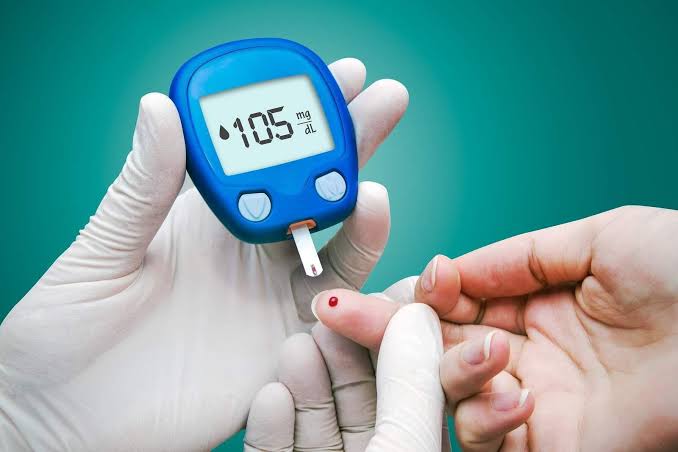
The American Diabetes Association recommends that adults without known risk factors for diabetes begin routine screening at age 45, with a fasting plasma glucose, A1C, or oral glucose tolerance test. If the result is normal, screening should be repeated every 3 years. Adults with additional risk factors — family history of diabetes, overweight or obesity, physical inactivity, history of gestational diabetes, hypertension, elevated triglycerides or low HDL, or belonging to a high-risk ethnic group — should be screened earlier and more frequently regardless of age. For adults who are already over 45 and have never been screened, doing so is a high-priority step: the prediabetes stage, where intervention is most effective, is often asymptomatic and can last years before progressing to symptomatic diabetes. Our guide on what the A1C test means explains how this commonly used screening test works and how to interpret results across the normal-prediabetes-diabetes spectrum. Our guide on fasting blood sugar explained covers the fasting glucose alternative and how the two tests compare. For older adults already managing prediabetes or early Type 2 diabetes, our guide on home blood sugar monitoring explains how regular self-monitoring supports proactive management of the age-related glycemic changes that make diabetes control progressively more challenging without active intervention.
Mitochondrial Aging and Its Impact on Insulin Sensitivity
Mitochondria — the cellular organelles that convert fuel (glucose and fatty acids) into energy (ATP) — undergo structural and functional decline with aging in a process called mitochondrial dysfunction. In skeletal muscle, which contains some of the highest mitochondrial densities of any tissue, age-related mitochondrial dysfunction reduces the cell’s capacity to oxidize (burn) glucose and fatty acids efficiently. When mitochondria cannot process fuel effectively, lipid intermediates accumulate within muscle cells — particularly diacylglycerol and ceramides — that directly inhibit insulin signaling pathways. This is the same lipotoxicity mechanism that drives insulin resistance in obesity, but in the context of aging it occurs even without excess fat intake, through the failure of the cellular machinery that normally processes fuel cleanly. Exercise training — particularly endurance exercise — is the most powerful known stimulus for mitochondrial biogenesis (the formation of new mitochondria) in skeletal muscle and is effective at restoring mitochondrial function and insulin sensitivity in older adults. Studies measuring mitochondrial density and activity in older adults who engage in regular aerobic exercise find mitochondrial profiles comparable to those of individuals decades younger, providing direct mechanistic support for exercise as a counter to age-related metabolic decline. Our guide on what causes high blood sugar covers the full range of mechanisms that produce hyperglycemia, of which age-related mitochondrial dysfunction in muscle is one of the most significant and least discussed contributors outside of clinical research.
Medication Burden and Blood Sugar in Older Adults
Older adults carry a substantially higher medication burden than younger adults — a median of 5 or more prescription medications for adults over 65 — and many of these medications have direct or indirect effects on blood glucose that compound age-related metabolic vulnerability. Corticosteroids (prednisone, prednisolone, methylprednisolone) used for inflammatory conditions like rheumatoid arthritis, COPD, and autoimmune diseases produce dose-dependent hyperglycemia through multiple mechanisms, including direct stimulation of hepatic glucose production and induction of peripheral insulin resistance. Thiazide diuretics (hydrochlorothiazide), commonly used for hypertension and heart failure, are associated with modest hyperglycemia and increased Type 2 diabetes risk through mechanisms involving potassium depletion (which impairs insulin secretion) and direct insulin signaling interference. Beta-blockers (metoprolol, atenolol) can mask the symptoms of hypoglycemia and may modestly impair insulin secretion, complicating glucose management in people already using insulin or sulfonylureas. Niacin (used for dyslipidemia) and some antipsychotics (olanzapine, quetiapine) are associated with significant insulin resistance and glucose elevation. For older adults managing multiple conditions and taking multiple medications, understanding which medications can affect blood glucose allows for more accurate interpretation of glucose readings (an unexplained glucose rise after starting a new medication warrants review) and more targeted conversations with prescribing providers about monitoring frequency and medication alternatives. Our guide on how to track your blood sugar numbers includes medication-related glucose changes as one of the contextual factors worth recording alongside glucose readings for exactly this reason — so that patterns become visible rather than remaining unexplained.
Hypoglycemia Risk in Older Adults: The Other Side of the Age-Diabetes Relationship
While aging increases the risk of developing Type 2 diabetes through the mechanisms described above, it simultaneously increases the risk of hypoglycemia (low blood sugar) in people who are already treated for diabetes — and this bidirectional vulnerability is one of the most important and most underdiscussed aspects of diabetes management in older adults. Older adults have several physiological characteristics that make them more vulnerable to hypoglycemia and to its consequences: impaired counter-regulatory hormone response to hypoglycemia (the epinephrine and glucagon responses that signal low blood sugar and trigger corrective actions become blunted with age); reduced awareness of hypoglycemia symptoms (many older adults do not feel the typical warning symptoms of trembling, sweating, and rapid heartbeat at the same glucose level that would produce these symptoms in younger adults); and greater susceptibility to the consequences of hypoglycemia, including falls, cardiac arrhythmias, cognitive impairment, and loss of consciousness. The result is that blood glucose targets for older adults with established diabetes are intentionally higher than for younger adults — current guidelines from the American Diabetes Association and the American Geriatrics Society recommend individualized A1C targets for older adults, with less stringent goals (A1C 7.5–8.0%) for individuals with multiple comorbidities, limited life expectancy, or impaired hypoglycemia awareness, compared to the standard 7.0% target for younger healthier adults. People over 65 managing diabetes should discuss their hypoglycemia risk specifically with their provider, ensuring that medication regimens do not prioritize tight glucose control at the cost of hypoglycemia safety. Our guide on hypoglycemia symptoms, causes and what to do covers the warning signs and correct responses to low blood sugar that are essential knowledge for older adults on glucose-lowering medications.
Practical Strategies for Managing Age-Related Diabetes Risk After 45
The age-related mechanisms that drive Type 2 diabetes risk — beta cell decline, sarcopenia, visceral fat redistribution, mitochondrial dysfunction, and reduced physical activity — all share a common feature: they respond meaningfully to lifestyle intervention even when they have already begun. This is the clinical message that counterbalances the statistical reality of rising diabetes prevalence with age: the individual’s choices about physical activity, diet, and health monitoring continue to matter substantially into the 60s, 70s, and beyond, because the causal pathways are biologically responsive rather than fixed. Practically, the highest-impact age-specific strategies include:
- Prioritizing resistance training: Strength training 2–3 times per week, targeting all major muscle groups, is the most effective intervention for preserving muscle mass and glucose disposal capacity with aging. Even beginning resistance training in the 60s and 70s produces meaningful improvements in muscle mass and insulin sensitivity.
- Maintaining protein intake: Older adults require higher protein intake per kilogram of body weight than younger adults to maintain muscle mass — approximately 1.2–1.6 g/kg/day versus the standard recommendation of 0.8 g/kg/day. Distributing protein across meals (rather than concentrating it at dinner) maximizes muscle protein synthesis per gram consumed.
- Monitoring body composition, not just weight: Because body fat can increase while weight stays constant (due to simultaneous muscle loss and fat gain), tracking waist circumference alongside weight provides a more complete picture of the metabolic changes that drive diabetes risk in older adults.
- Increasing screening frequency: Adults over 45 with any additional risk factor should be screened annually rather than every 3 years, given the higher background rate of progression from normal to prediabetes to diabetes at this life stage.
- Addressing sleep quality: Sleep disorders — particularly obstructive sleep apnea, which is both more common with age and more metabolically disruptive — should be identified and treated, as they directly worsen insulin resistance and glucose control.
Our guide on morning blood sugar: what it means provides practical guidance specifically relevant to older adults, who are disproportionately affected by the dawn phenomenon and the Somogyi effect — the hormonal drivers of elevated morning glucose that become more pronounced with aging. Our guide on what is prediabetes covers the intervention point where addressing age-related risk factors is most effective, and explains how monitoring results at the prediabetes stage should inform the intensity and urgency of lifestyle modification efforts.
Age Is Not the Enemy — Inactivity and Poor Lifestyle Are
The most important reframe for anyone reading about age and Type 2 diabetes risk is to recognize that age itself is not the enemy — the specific lifestyle patterns that tend to accumulate with age are. The metabolic changes described above — sarcopenia, visceral fat redistribution, mitochondrial dysfunction, reduced physical activity — are all accelerated by sedentary behavior and poor nutrition, and all are mitigated substantially by the opposite. Large prospective studies following adults over decades have consistently shown that people who remain physically active and maintain healthy dietary patterns show dramatically slower rates of metabolic aging than age-matched sedentary peers — with beta cell function, insulin sensitivity, and muscle mass profiles that are sometimes comparable to individuals 10–15 years younger chronologically. The takeaway is not that age does not matter — it clearly does — but that the trajectory of metabolic aging is one of the most modifiable aspects of health across midlife and beyond. Every decade of sustained physical activity after age 45 adds metabolic protection that compounds over time, and beginning exercise and dietary improvement in the 50s, 60s, or even 70s still produces clinically meaningful reductions in diabetes risk and improvements in glucose control. Our guide on weight gain and insulin resistance explains how the lifestyle factors that drive insulin resistance — excess adiposity and physical inactivity — are the proximate causes of most age-related diabetes cases, reinforcing that age is best thought of as a modifier of lifestyle risk rather than an independent, uncontrollable cause. People who understand this distinction find it empowering rather than fatalistic: the question is not “what will age do to my glucose?” but “what am I doing with my lifestyle as I age that will determine whether my glucose stays in a healthy range?” Our guide on what is blood sugar provides the foundational framework for understanding what normal glucose regulation looks like and what it takes to maintain it across a lifetime — the starting point for making sense of all the age-related changes discussed in this guide.
Sources: American Diabetes Association. “Standards of Medical Care in Diabetes.” Diabetes Care 2024. | Centers for Disease Control and Prevention — National Diabetes Statistics Report. | National Institute of Diabetes and Digestive and Kidney Diseases — Risk Factors for Type 2 Diabetes. | Chang AM, Halter JB. “Aging and insulin secretion.” Am J Physiol Endocrinol Metab 2003. | Cruz-Jentoft AJ et al. “Sarcopenia.” Age and Ageing 2019.
As someone dealing with this personally, the age and type 2 diabetes risk: section was very helpful. What I liked most was that the article didn’t just say what to avoid — it also gave alternatives. Shared this with three friends who are dealing with related issues. Very useful resource.
Bookmarked this article on age and type 2 diabetes risk: immediately — going to reference it regularly. The article answered questions I didn’t even know I had until I started reading. Keep up this kind of thorough health journalism — it genuinely helps patients like me.
Thank you for covering age and type 2 diabetes risk: so thoroughly without being overly technical. I appreciated how the article addressed both the clinical side and the practical adjustments. Keep up this kind of thorough health journalism — it genuinely helps patients like me.