

The relationship between fiber and blood sugar control is one of the most consistent findings in nutritional medicine: adults who consume the most dietary fiber have substantially lower rates of Type 2 diabetes, better postprandial glucose responses, and more stable fasting blood sugar than those consuming the least — independent of other dietary factors. Dietary fiber exerts its blood sugar benefits through multiple simultaneous mechanisms, from slowing glucose absorption in the small intestine to feeding beneficial gut bacteria that improve insulin sensitivity, and its effects are measurable after both single meals and sustained dietary changes. Understanding specifically how different types of fiber affect blood sugar, which foods deliver the most metabolically active fiber, and how to reach adequate daily fiber intake gives adults with prediabetes or diabetes one of the most accessible and side-effect-free nutritional tools available for glucose management.
Each 10-gram increase in daily dietary fiber intake is associated with a 27% reduction in Type 2 diabetes risk in large prospective meta-analyses. Adults consuming 25–38 grams of fiber daily have HbA1c values averaging 0.5–0.6% lower than those consuming under 15 grams — equivalent to the effect of some oral diabetes medications.
How Fiber Slows Blood Sugar: The Biological Mechanisms
Dietary fiber influences blood glucose regulation through four distinct and complementary biological pathways, each operating at a different stage of digestion and metabolism. The first and most immediate mechanism is physical viscosity: soluble fiber dissolves in water during digestion to form a thick, gel-like substance in the small intestine that physically slows the diffusion of glucose molecules from the gut lumen into intestinal absorptive cells. This gel layer acts as a diffusion barrier — the same quantity of digestible carbohydrate from a high-fiber meal is absorbed into the bloodstream more slowly and over a longer time period than from a low-fiber meal, producing a lower, flatter postprandial glucose curve rather than a sharp spike. The second mechanism is gastric emptying delay: fiber-rich foods require more digestive processing and slow the rate at which partially digested food moves from the stomach into the small intestine, extending the total time over which glucose is absorbed and further reducing peak blood glucose concentration. The third mechanism operates in the colon, where fermentable fibers — primarily soluble fiber and resistant starch — are metabolized by colonic bacteria into short-chain fatty acids (SCFAs): acetate, propionate, and butyrate. These SCFAs enter the portal circulation and liver, where propionate suppresses hepatic glucose production (one of the primary drivers of elevated fasting blood sugar in Type 2 diabetes) and butyrate improves insulin sensitivity in colonocytes and systemically. The fourth mechanism is enteroendocrine stimulation: fiber fermentation products and physical fiber presence in the gut stimulate the release of incretin hormones (GLP-1 and PYY) from gut enteroendocrine cells, which amplify insulin secretion in response to glucose and increase satiety — reducing food intake and improving the insulin response to whatever carbohydrate is consumed. These four mechanisms operate simultaneously, explaining why the blood sugar benefits of fiber and blood sugar control extend well beyond the simple “slower absorption” explanation to include improvements in fasting glucose, insulin sensitivity, gut microbiome health, and satiety that persist beyond the immediate postprandial window. The American Diabetes Association’s guide to types of carbohydrates explains the role of fiber within the broader carbohydrate management framework for adults with diabetes and prediabetes.
Soluble vs. Insoluble Fiber: Blood Sugar Roles and Best Food Sources
Dietary fiber is categorized into two primary types — soluble and insoluble — that differ in their physical properties, digestive behavior, and specific contributions to blood sugar regulation:
- Soluble fiber dissolves in water to form the viscous gel responsible for the most direct blood sugar benefits described above. It slows glucose absorption, stimulates GLP-1 release, feeds colonic bacteria to produce SCFAs, and reduces LDL cholesterol. Best food sources: oats and oat bran (beta-glucan), legumes (lentils, chickpeas, kidney beans, black beans), apples and pears (pectin), psyllium husk (the most concentrated soluble fiber supplement), chia seeds and flaxseeds, barley, and citrus fruits. Beta-glucan from oats has the strongest individual evidence base for postprandial glucose reduction: 3 grams of oat beta-glucan per meal (achievable with one large bowl of oatmeal or two servings of oat bran) reduces postprandial glucose peak by approximately 30–40 mg/dL in adults with Type 2 diabetes in clinical studies.
- Insoluble fiber does not dissolve in water and passes largely intact through the small intestine without forming a gel. Its direct blood sugar effect per gram is lower than soluble fiber, but it contributes to satiety through gut distension, accelerates intestinal transit time (reducing the overall period of food-gut contact), and serves as a substrate for certain beneficial gut bacteria. Best food sources: whole wheat and wheat bran, vegetables (particularly celery, broccoli, cauliflower, green beans), nuts, and whole grain cereals. Most high-fiber foods contain a mixture of both types, with legumes and oats being especially rich in soluble fiber and whole wheat products being especially rich in insoluble fiber.
For adults prioritizing fiber and blood sugar control, soluble fiber sources — particularly oats, legumes, and psyllium — deserve emphasis because of their more direct and measurable postprandial glucose benefits. However, total fiber intake from both types is predictive of long-term diabetes risk in epidemiological studies, and the practical goal of reaching 25–38 grams of daily total fiber is most achievable by increasing consumption across both fiber types rather than focusing exclusively on soluble fiber sources. Our guide on sugar, carbs, and diabetes risk covers the broader carbohydrate quality framework within which fiber-rich food choices replace refined, low-fiber carbohydrates that drive the most significant blood sugar risk.
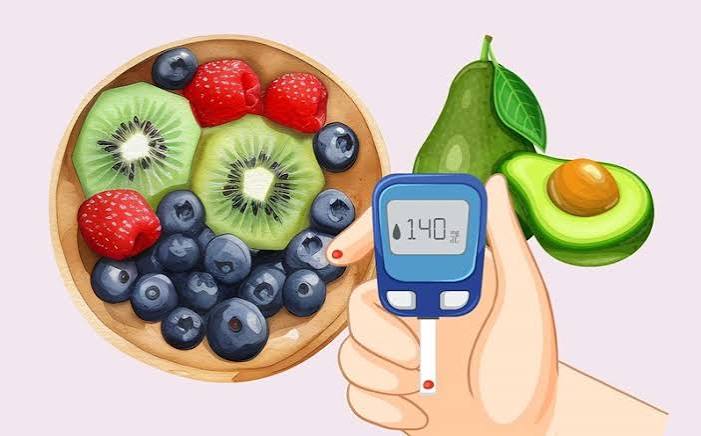
Top High-Fiber Foods for Blood Sugar Management
The following food categories consistently appear at the top of research-supported high-fiber food recommendations for adults managing blood sugar, combining high fiber density with favorable glycemic profiles and practical accessibility:
- Legumes (lentils, chickpeas, black beans, kidney beans): The single most fiber-dense, blood-sugar-protective food category in the diet, combining 6–9 grams of fiber per half-cup cooked serving with 7–9 grams of protein, low glycemic index (20–40), and resistant starch that feeds colonic bacteria. Meta-analyses show that legume consumption is associated with 35–40% lower Type 2 diabetes risk in the highest versus lowest consumption quintile. Adding half a cup of legumes to one meal per day is the most impactful single dietary change for both fiber intake and blood sugar outcomes in most dietary patterns.
- Oats and barley: The richest sources of beta-glucan, the soluble fiber with the strongest individual evidence for postprandial glucose reduction. Steel-cut oats provide approximately 4 grams of fiber per half-cup dry serving, of which 2 grams is beta-glucan. Choosing steel-cut or rolled oats over instant oats preserves more of the physical grain structure that slows digestion — instant oats, despite identical fiber content per gram, produce a higher glycemic response because finer processing allows faster enzymatic access to starch.
- Non-starchy vegetables: Broccoli, cauliflower, Brussels sprouts, leafy greens, asparagus, and bell peppers provide 2–4 grams of fiber per cup cooked with minimal carbohydrate content — making them uniquely valuable for adding fiber volume without adding meaningful carbohydrate load. Filling half the plate with non-starchy vegetables (as in the plate method described in our guide on portion control for blood sugar support) simultaneously increases fiber intake and reduces the proportion of the meal dedicated to higher-glycemic carbohydrate sources.
- Berries: Blueberries, raspberries, strawberries, and blackberries combine 3–8 grams of fiber per cup with high polyphenol content (anthocyanins that independently improve insulin sensitivity) and relatively low glycemic index and load. Raspberries and blackberries are particularly fiber-dense at 6–8 grams per cup — higher than most other fruits.
- Nuts and seeds: Almonds (3.5g fiber per ounce), chia seeds (10g per ounce), and flaxseeds (8g per two tablespoons) provide concentrated fiber with healthy fats and protein in compact serving sizes. Chia seeds and flaxseeds are especially notable: when mixed with liquid they form a gel that directly replicates the viscous fiber mechanism in the gut, producing measurable postprandial glucose reduction when added to meals or beverages.
Daily Fiber Targets and Practical Ways to Reach Them
Current dietary guidelines recommend 25 grams of fiber per day for women and 38 grams for men, targets that the majority of American adults fall far short of — the average adult consumes approximately 15 grams of daily fiber, about 40–60% of the recommended amount. Reaching adequate fiber intake requires deliberate food selection rather than passive accumulation through typical dietary patterns, since the modern food environment — with its prevalence of processed, refined, low-fiber foods — does not naturally deliver adequate fiber without intentional choices. The most practical approaches to reaching fiber targets:
- Start with a high-fiber breakfast: Oatmeal (4g fiber), topped with chia seeds (5g per tablespoon) and berries (3–6g per half cup) can deliver 12–15 grams of fiber — nearly half the daily target — in a single meal. This front-loads fiber intake to exploit its blood-sugar-slowing effects when the day’s carbohydrate load begins, and establishes a favorable glucose trajectory for the remainder of the day.
- Add legumes to at least one meal daily: Half a cup of lentils (8g), chickpeas (6g), or black beans (7.5g) added to a soup, salad, grain bowl, or side dish is the single most efficient fiber addition available. One daily legume serving alone covers 25–35% of the daily fiber target while providing the soluble fiber most relevant to postprandial glucose reduction.
- Choose whole grain over refined grain at every opportunity: Switching from white bread (0.6g fiber per slice) to whole grain bread (1.9–3g per slice), from white rice (0.6g per half cup) to brown rice (1.8g), and from regular pasta (1.8g per cup) to whole grain pasta (4g) incrementally increases daily fiber at every grain-containing meal without requiring recipe changes.
- Increase gradually to avoid gastrointestinal discomfort: Rapidly increasing fiber intake from a low baseline can cause bloating, gas, and intestinal discomfort as colonic bacteria adapt to increased fermentation substrate. Adding approximately 5 grams of additional fiber per week over 4–6 weeks allows the gut microbiome and gastrointestinal motility to adjust without discomfort. Drinking adequate water during this adaptation period (fiber absorbs water in the gut and can cause constipation if fluid intake is insufficient) supports comfortable fiber increase. Our guide on hydration and blood sugar covers the specific role of water intake in metabolic health that complements fiber’s blood sugar benefits.
Fiber Supplements: When Food Is Not Enough
For adults who cannot reach adequate dietary fiber through food alone — due to food preferences, digestive sensitivities, or practical constraints — psyllium husk is the most evidence-supported fiber supplement for blood sugar management. Psyllium is a concentrated soluble fiber (approximately 7 grams of fiber per tablespoon) derived from the seeds of Plantago ovata that forms a particularly viscous gel in the gut, producing the diffusion barrier and GLP-1 stimulation that drive the most direct postprandial glucose benefits. Multiple randomized controlled trials show that 10–15 grams of psyllium per day (taken with meals, dissolved in at least 8 ounces of water) reduces postprandial glucose by 11–20 mg/dL, lowers fasting glucose by 4–7 mg/dL, and reduces HbA1c by 0.4–0.8% in adults with Type 2 diabetes over 6–12 weeks. Psyllium is available inexpensively as unflavored powder (Metamucil unflavored, generic psyllium husk) and should be taken with a full glass of water to prevent gastrointestinal obstruction. Other fiber supplements — methylcellulose (Citrucel), guar gum, beta-glucan concentrated supplements — have smaller evidence bases for blood sugar specifically but are appropriate alternatives for adults who cannot tolerate psyllium. The NIDDK’s fiber and digestive health guidance and the CDC’s healthy eating for diabetes prevention resources both support dietary fiber as a core component of nutritional management for blood sugar and diabetes prevention. For the comprehensive dietary approach within which fiber optimization produces the greatest metabolic benefit, our guide on diabetes prevention: a practical guide integrates fiber intake with the full suite of evidence-based lifestyle interventions, and our guide on reading food labels for blood sugar shows how to identify and compare fiber content across packaged foods to build higher-fiber dietary patterns from everyday grocery choices.
Fiber and the Gut Microbiome: The Long-Term Blood Sugar Connection
Beyond its direct physical effects on glucose absorption, dietary fiber exerts profound and long-lasting influence on blood sugar regulation through its role as the primary nutritional substrate for the gut microbiome — the trillions of bacteria, fungi, and other microorganisms that inhabit the large intestine and collectively influence metabolism, immunity, and even brain function. The composition and diversity of the gut microbiome is now recognized as a significant independent predictor of insulin sensitivity, glucose regulation, and Type 2 diabetes risk: adults with more diverse, fiber-fed microbiomes show better insulin sensitivity, lower fasting glucose, and lower diabetes incidence than those with depleted, low-diversity microbiomes associated with low-fiber Western dietary patterns. The connection is mechanistic: beneficial microbiome species — particularly Bifidobacterium, Lactobacillus, Faecalibacterium prausnitzii, and Akkermansia muciniphila — use fermentable dietary fiber as their primary energy source, producing the short-chain fatty acids (acetate, propionate, butyrate) that drive improvements in insulin sensitivity, hepatic glucose production suppression, and gut barrier integrity. A compromised gut barrier — which occurs when beneficial fiber-fed bacteria decline and is associated with the “leaky gut” phenomenon — allows bacterial endotoxins (lipopolysaccharides, LPS) to enter the portal circulation and trigger systemic inflammation that directly impairs insulin receptor signaling in liver and muscle, worsening insulin resistance independently of dietary composition. Restoring dietary fiber intake from a low baseline replenishes beneficial microbiome species within 2–4 weeks and begins reducing systemic inflammation markers within 4–8 weeks — producing gradual but sustained improvements in insulin sensitivity and fasting glucose that compound over months of consistent high-fiber dietary patterns. The microbiome-mediated effects of fiber and blood sugar control help explain why the long-term benefits of high-fiber dietary patterns in large cohort studies exceed what would be predicted from fiber’s immediate physical effects on glucose absorption alone: the microbiome benefits of sustained fiber intake produce metabolic improvements that go beyond postprandial glucose reduction to improve the underlying insulin sensitivity that determines how effectively any meal is metabolized. Adults at elevated diabetes risk who increase dietary fiber to recommended levels should expect the most significant microbiome-mediated benefits to emerge over months rather than days — distinct from the immediate postprandial glucose reduction that occurs with every high-fiber meal and provides the tangible short-term feedback that motivates continued dietary change.
Resistant Starch: The Third Type of Fiber With Unique Blood Sugar Benefits
Resistant starch — starch that resists digestion in the small intestine and reaches the colon largely intact, where it is fermented by colonic bacteria — occupies a middle ground between traditional dietary fiber and digestible starch, with unique and particularly potent blood sugar benefits that complement those of soluble and insoluble fiber. Unlike digestible starch, resistant starch does not raise blood glucose during its passage through the small intestine, and it feeds colonic bacteria to produce exceptionally high quantities of butyrate — the SCFA most associated with improved insulin sensitivity, suppressed hepatic glucose production, and gut barrier protection. Several categories of foods are particularly rich in resistant starch:
- Cooked and cooled starchy foods: When cooked starchy foods — rice, pasta, potatoes, legumes — are cooled after cooking, a portion of their digestible starch retrogrades into resistant starch through a physical crystallization process. Cold cooked rice has approximately 40–50% more resistant starch than freshly cooked warm rice; cold pasta similarly. Reheating after cooling partially but not completely reverses this conversion — the resistant starch content remains higher after reheating than before the cool cycle. This simple cooking modification — cook rice or pasta the day before, refrigerate overnight, and reheat to serve — reduces the postprandial glucose response from a rice or pasta meal by 15–25% in clinical studies, requiring no change in ingredients, portion size, or recipe.
- Slightly underripe bananas: Green and slightly yellow (rather than fully ripe) bananas contain 4–6 grams of resistant starch per medium banana, compared to only 1–2 grams in fully ripe bananas where resistant starch has converted to digestible sugars during ripening. Consuming slightly underripe bananas rather than overripe ones meaningfully reduces their glycemic impact while preserving their potassium, vitamin B6, and fiber content.
- Legumes: Lentils, chickpeas, and beans contain significant amounts of resistant starch alongside their soluble fiber content, contributing to their exceptionally low glycemic index (20–40) that makes them uniquely blood-sugar-friendly among carbohydrate-containing foods.
- Oats: Raw oats (as in overnight oats or oat-based preparations that are not cooked) contain more resistant starch than cooked oats, where heat converts some resistant starch to digestible starch. Overnight oats soaked in milk or yogurt without heating preserve more of the raw oat resistant starch, potentially providing a lower glycemic response than equivalent hot oatmeal.
Integrating resistant starch-rich foods and cooking techniques alongside traditional high-fiber foods amplifies the total prebiotic substrate available to beneficial gut bacteria and the total non-digestible carbohydrate that bypasses small intestinal glucose absorption — compounding the blood sugar benefits achievable through dietary carbohydrate modification without requiring caloric restriction or carbohydrate elimination. For adults serious about optimizing fiber and blood sugar control through dietary means, the combination of soluble fiber (from oats, legumes, psyllium), insoluble fiber (from vegetables and whole grains), and resistant starch (from cooled cooked starches and underripe bananas) creates a comprehensive, multi-mechanism fiber strategy that addresses blood sugar from the gut to the liver to the systemic metabolic environment. This evidence-based fiber strategy integrates naturally with the broader dietary approach described in our guide on how to lower Type 2 diabetes risk, where fiber optimization is one component of the complete nutritional intervention framework with the strongest evidence base for meaningful and sustained reduction in diabetes risk and HbA1c in adults with elevated metabolic risk.
Fiber Intake Across the Lifespan: Children, Aging, and Special Populations
Optimal fiber intake for blood sugar protection varies across life stages, with specific considerations for children, older adults, and those with existing gastrointestinal conditions. Children with family histories of Type 2 diabetes or obesity benefit from early establishment of high-fiber dietary patterns: research shows that children consuming adequate fiber (14 grams per 1,000 calories — the adult-equivalent standard) develop better insulin sensitivity profiles by early adolescence compared to low-fiber consumers, with the protective effect persisting into adulthood. Establishing fiber habits in childhood through legume-inclusive school lunches, whole grain bread as the household default, and vegetable-centered meals creates the palate and dietary norm most likely to sustain protective fiber intake through the decades when Type 2 diabetes risk accumulates. Older adults face specific fiber challenges: reduced appetite, dental issues that limit raw vegetable consumption, constipation from reduced gut motility that makes adequate water consumption with fiber more important, and medication interactions (particularly warfarin, where psyllium supplement timing relative to medication doses should be discussed with a pharmacist). Despite these challenges, older adults benefit from fiber’s blood sugar effects as much as younger adults, and high-fiber dietary patterns are protective against both blood sugar deterioration and the constipation and diverticular disease that are more prevalent with aging. Adults with irritable bowel syndrome (IBS) require individualized fiber approaches: soluble fiber (psyllium, oats) generally improves IBS symptoms while some fermentable fibers (legumes, certain vegetables) can worsen bloating and abdominal pain in IBS-dominant fiber-sensitive individuals. Working with a registered dietitian to identify which fiber sources are best tolerated within IBS constraints allows these adults to capture blood sugar benefits of fiber while minimizing gastrointestinal discomfort. The broad applicability of fiber and blood sugar control benefits across diverse populations — with appropriate individualization for age, health status, and gastrointestinal tolerance — makes dietary fiber one of the most universally recommendable nutritional interventions for metabolic health protection throughout life.
Sources: American Diabetes Association — types of carbohydrates and fiber; National Institute of Diabetes and Digestive and Kidney Diseases (NIDDK) — dietary fiber and digestive health; Centers for Disease Control and Prevention — healthy eating for diabetes prevention; meta-analyses on dietary fiber intake and Type 2 diabetes risk and HbA1c published in Diabetes Care, the American Journal of Clinical Nutrition, and JAMA Internal Medicine.
I have been reading about fiber and blood sugar control for weeks and this is the most thorough guide I found. The connection between lifestyle choices and long-term outcomes is explained clearly here. Looking forward to reading more articles from this website.
This is one of the clearest explanations of fiber and blood sugar control I have found. It is refreshing to see an article that acknowledges individual variation rather than one-size-fits-all advice. I wish I had found this article earlier — would have saved a lot of confusion.
As someone dealing with this personally, the fiber and blood sugar control section was very helpful. The practical tips made this immediately actionable, not just theoretical. Looking forward to reading more articles from this website.