
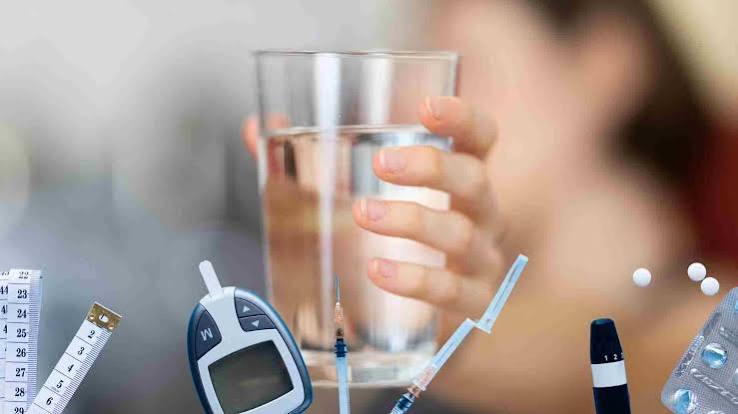
The connection between hydration and blood sugar is more direct and clinically significant than most adults — and many healthcare providers — realize. Water constitutes approximately 60% of the human body and serves as the medium in which all metabolic reactions occur, including glucose transport, insulin signaling, and renal glucose excretion. When fluid intake falls below physiological requirements, blood becomes more concentrated, glucose concentration per unit of blood volume rises, vasopressin (antidiuretic hormone) is released to conserve water in ways that simultaneously stimulate hepatic glucose production, and the kidneys’ capacity to excrete excess glucose is impaired. These dehydration-driven metabolic effects raise blood sugar independently of diet, exercise, or medication — meaning that an adult with prediabetes who is chronically mildly dehydrated will show higher fasting glucose readings than they would with optimal hydration, regardless of other management efforts. Understanding the specific mechanisms through which hydration status affects blood sugar, the optimal fluid intake for metabolic health, and which beverages support versus impair blood glucose control gives adults a frequently overlooked but practically accessible lever for improving their daily glucose readings.
Adults drinking fewer than 500 mL (about 2 cups) of water per day have a 28% higher risk of developing hyperglycemia over 9 years compared to those drinking 1 liter or more daily. Even mild dehydration (1–2% body water loss) raises blood glucose concentration by 3–5 mg/dL through vasopressin-stimulated hepatic glucose output.
How Dehydration Raises Blood Sugar: The Vasopressin Pathway
The most direct mechanism linking hydration and blood sugar involves vasopressin (also called antidiuretic hormone, ADH) — a hormone released by the posterior pituitary gland in response to dehydration and rising blood osmolality (the concentration of dissolved particles in blood). When fluid intake is insufficient and blood osmolality rises, vasopressin is secreted to signal the kidneys to reabsorb more water, reducing urine output to conserve body fluids. However, vasopressin’s effects extend well beyond kidney water reabsorption: it acts on liver cells (hepatocytes) through V1a receptors to stimulate glycogenolysis (breakdown of stored liver glycogen into glucose) and gluconeogenesis (production of new glucose from amino acids and glycerol) — directly raising circulating blood glucose through the same hepatic pathway that stress cortisol uses. Epidemiological evidence supports this mechanism: a large prospective cohort study following 3,615 adults over nine years found that those with higher plasma vasopressin concentrations (a biomarker of relative dehydration) had significantly higher fasting blood glucose at follow-up and a 28% higher risk of developing hyperglycemia, independent of BMI, total fluid intake, and other metabolic risk factors. A separate mechanism of dehydration-driven blood sugar elevation involves simple hemoconcentration: as blood volume decreases with dehydration, the same quantity of glucose is dissolved in less fluid, mechanically increasing the blood glucose concentration per unit volume without any change in total blood glucose content. This effect can produce blood glucose readings 5–15 mg/dL higher than the true underlying glucose level in significantly dehydrated individuals — a clinically relevant source of apparent glucose elevation that can lead to unnecessary medication adjustments if dehydration is not recognized and corrected first. For adults managing blood sugar with medications, particularly those on medications with diuretic effects (SGLT2 inhibitors, which deliberately increase urinary glucose excretion but also increase urinary water loss), adequate hydration is particularly important to prevent the compounding dehydration that can worsen glucose concentration elevation. The NIDDK’s guide to managing diabetes addresses hydration within the comprehensive self-management framework for adults with diabetes.
How Much Water Is Enough for Blood Sugar Management
General hydration recommendations — 8 glasses (2 liters) per day for women, 10–13 glasses (2.7–3.7 liters) for men from all fluid sources (the “8×8” simplification represents the lower bound of recommended female intake) — provide useful starting targets but should be individualized based on body size, activity level, climate, and metabolic medication status. Adults with diabetes or prediabetes have additional reasons to prioritize consistent, adequate hydration beyond the general population recommendations: the kidneys rely on adequate fluid to excrete the glucose they filter from blood, and chronic mild dehydration impairs this renal glucose excretion pathway, allowing blood glucose to remain elevated for longer after meals. Adults taking SGLT2 inhibitors (empagliflozin, dapagliflozin, canagliflozin) — medications that lower blood sugar by deliberately increasing urinary glucose excretion — experience greater obligate urinary water loss and require higher fluid intake than those on other diabetes medications to maintain adequate hydration. Practical hydration monitoring requires no measurement equipment beyond attention to urine color: pale yellow urine indicates adequate hydration; dark yellow or amber urine indicates dehydration; colorless urine may indicate overhydration (rare with water but possible with some medical conditions). Establishing consistent hydration habits — drinking a glass of water upon waking, with each meal, and between meals during the afternoon — distributes fluid intake throughout the day and prevents the dehydration that tends to accumulate during busy mornings when water intake is easiest to forget. The relationship between hydration and blood sugar is particularly relevant during exercise and hot weather, when fluid losses through sweating can produce dehydration rapidly enough to affect blood glucose readings within hours — making pre-exercise and during-exercise hydration a specific concern for adults managing blood sugar through physical activity as described in our guide on exercise and diabetes prevention.
Best and Worst Beverages for Blood Sugar Control
Not all beverages contribute equally to hydration and blood sugar outcomes — the glucose, sugar, and caloric content of different beverage choices dramatically affects their net metabolic impact, with some hydrating beverages producing serious blood sugar harm that offsets any hydration benefit:
- Water (best choice): Zero calories, zero carbohydrates, zero blood sugar effect, maximum hydration benefit. Plain water remains the gold standard beverage for adults managing blood sugar — it provides pure hydration without any glucose, insulin, or caloric burden. Sparkling water (unflavored) provides equivalent hydration with the palatability of carbonation for adults who find plain water unappealing.
- Unsweetened tea (excellent): Green tea, black tea, and herbal teas — consumed without added sugar or sweetened creamers — provide hydration with additional metabolic benefits from polyphenol content. Green tea’s catechins (particularly EGCG) independently improve insulin sensitivity and reduce fasting glucose in clinical studies, with a meta-analysis showing that 3–4 cups per day reduces fasting glucose by an average of 1.5 mg/dL and HbA1c by 0.09%. Black tea similarly contains theaflavins and thearubigins that improve postprandial glucose responses in multiple small randomized trials.
- Black coffee (beneficial in moderation): Despite coffee’s acute effect of mildly raising blood glucose through caffeine-stimulated cortisol and adrenaline, habitual coffee consumption is associated with 25–40% lower Type 2 diabetes risk in large prospective meta-analyses — an effect attributed to chlorogenic acids and other polyphenols that improve insulin sensitivity over time. Black coffee (without added sugar or cream) provides this benefit without additional caloric or carbohydrate burden. The acute glucose-raising effect of caffeine is most relevant in adults already managing diabetes, who may observe slightly elevated morning readings on high-coffee days.
- Sugar-sweetened beverages (worst choice): Regular sodas, fruit punches, sports drinks, sweetened teas, and flavored coffees provide liquid calories and sugars that produce the most rapid blood glucose spikes of any common food or beverage source. As detailed in our guide on sugar, carbs, and diabetes risk, SSBs are the single dietary source most consistently and strongly associated with increased Type 2 diabetes risk — and provide no hydration advantage over water despite their fluid content. Replacing SSBs with water is the most impactful single fluid choice change for blood sugar management.
- Fruit juice (avoid for blood sugar management): Even 100% fruit juice without added sugars delivers 24–36 grams of naturally occurring sugar per 8-oz serving without the fiber of whole fruit — producing blood glucose effects nearly identical to sugar-sweetened beverages despite its “natural” sourcing. Replacing juice with whole fruit preserves the metabolic benefits of fruit consumption while eliminating the rapid liquid glucose delivery that makes juice harmful for blood sugar control.
- Diet sodas and artificially sweetened beverages (neutral to uncertain): Diet sodas and beverages sweetened with non-nutritive sweeteners (stevia, erythritol, sucralose, aspartame) contain negligible carbohydrates and do not directly raise blood glucose. Their long-term metabolic effects are debated: some studies suggest artificial sweeteners alter gut microbiome composition and impair glucose tolerance with habitual consumption, while other large studies show neutral or beneficial associations with diabetes risk. For adults seeking to replace SSBs without abandoning carbonated beverages entirely, diet sodas are substantially preferable to regular sodas from a direct blood sugar perspective, though plain sparkling water is preferred when possible.
Hydration and Kidney Function in Diabetes: An Underappreciated Connection
For adults with established Type 2 diabetes, adequate hydration and blood sugar management extends to the specific concern of diabetic kidney protection — one of the most serious long-term complications of poorly controlled diabetes. The kidneys filter approximately 180 liters of blood per day, reabsorbing glucose when blood glucose is in the normal range and allowing glucose to “spill” into urine when blood glucose exceeds the renal threshold (approximately 180 mg/dL). This glycosuria (glucose in urine) acts as a natural glucose disposal mechanism that partially offsets hyperglycemia, but it also requires significant fluid to flush the excreted glucose from the urinary tract — creating an obligate fluid requirement that rises with blood glucose level. The osmotic diuresis (increased urination from high glucose drawing water into urine) associated with poorly controlled diabetes causes significant fluid losses that, if not replaced by adequate water intake, compound the dehydration-driven glucose elevation in a vicious cycle: high blood sugar causes more urination, more urination causes more dehydration, dehydration causes more vasopressin release, vasopressin stimulates more hepatic glucose output, and blood sugar rises further. Breaking this cycle requires both blood sugar management (to reduce the osmotic diuresis driver) and proactive hydration (to replace the fluid losses and suppress the vasopressin-hepatic glucose pathway). Long-term dehydration in adults with diabetes also impairs the kidneys’ ability to filter waste products and maintain acid-base balance, accelerating the progression toward diabetic nephropathy (kidney disease) — the leading cause of kidney failure in developed countries, affecting approximately 40% of adults with Type 2 diabetes over a 20–25 year period. The CDC’s diabetes complication prevention guidance and the American Diabetes Association’s kidney disease resources both emphasize adequate hydration as a component of kidney protection strategy for adults managing diabetes. For the comprehensive lifestyle framework that integrates hydration with dietary management, physical activity, stress reduction, and sleep optimization for full metabolic protection, our guide on diabetes prevention: a practical guide provides the unified approach to risk reduction that addresses all modifiable lifestyle factors simultaneously.
Hydration Timing and Blood Sugar: When Water Intake Matters Most
For adults managing blood sugar, the timing of water intake throughout the day influences not only average hydration status but the specific blood glucose effects of dehydration at the metabolically most critical periods. Strategic hydration timing targets the moments when hydration and blood sugar interactions are most clinically impactful:
- Upon waking: Overnight fasting produces mild dehydration in most adults — 6–8 hours without fluid intake creates a cumulative fluid deficit that concentrates blood and triggers modest vasopressin secretion. Drinking 400–500 mL (approximately 1.5–2 cups) of water within 30 minutes of waking rehydrates plasma, suppresses overnight vasopressin activity, and helps clear the mild hemoconcentration that can inflate fasting blood glucose readings taken first thing in the morning. Adults who check fasting blood sugar and find unexpectedly high readings should consider whether morning dehydration is contributing before attributing elevated readings entirely to overnight hepatic glucose production or dietary factors.
- Before meals: Drinking 400–500 mL of water 20–30 minutes before meals serves dual purposes for blood sugar management: it partially fills the stomach, reducing meal portion size through pre-meal satiety (a benefit confirmed in multiple randomized trials showing reduced caloric intake at subsequent meals); and it ensures optimal hydration at the time of greatest glucose load, when adequate plasma volume is needed for efficient glucose distribution and insulin-mediated disposal. Pre-meal water consumption is one of the simplest and most evidence-supported strategies for simultaneously reducing portion size and supporting glycemic management at meals.
- During and after exercise: Physical activity for blood sugar management — as covered in our guides on exercise and diabetes prevention and exercise after meals and blood sugar — produces significant sweat-mediated fluid losses that can cause exercise-induced dehydration if fluid replacement is inadequate. Even mild exercise-induced dehydration (1–2% body weight) impairs exercise performance and reduces the postprandial glucose-lowering effect of exercise by compromising muscle blood flow and glucose delivery. Drinking water before, during (every 15–20 minutes for sessions longer than 30 minutes), and after exercise maintains the optimal hydration for maximal blood sugar management from physical activity.
- In hot weather and high-temperature environments: Heat increases sweat rate and fluid losses, accelerating dehydration and its blood-sugar-concentrating effects more rapidly than in temperate conditions. Adults with diabetes managing blood sugar in hot weather should increase fluid intake substantially beyond baseline targets — adding at least 1–2 additional cups of water per hour of outdoor activity in temperatures above 85°F (29°C) — and should monitor blood glucose more frequently in heat exposure, as dehydration-driven glucose elevation can mimic or compound hyperglycemia from medication insufficiency or dietary excess.
Electrolytes, Sports Drinks, and Blood Sugar: What Adults Need to Know
Beyond water quantity, the electrolyte composition of hydrating beverages affects both hydration efficacy and blood sugar outcomes in ways that are particularly relevant for adults with diabetes or prediabetes who exercise regularly or who lose significant sweat. Sodium, potassium, and magnesium are the primary electrolytes lost in sweat, and sodium in particular is needed for optimal water retention and cellular hydration — pure water consumption without adequate electrolytes during very prolonged exercise (more than 90 minutes) can dilute plasma sodium and impair rehydration. However, the commercial sports drinks (Gatorade, Powerade, and similar) designed to replace exercise electrolytes contain 14–34 grams of sugar per 12-oz serving — a significant glucose load that raises blood sugar and offsets the metabolic benefit of the exercise they are consumed alongside. For adults managing blood sugar who exercise for 60 minutes or less, plain water is sufficient hydration without the sugar burden of sports drinks. For exercise sessions exceeding 60–90 minutes, sugar-free electrolyte replacements (electrolyte tablets dissolved in water, low-calorie electrolyte powders, or coconut water in modest quantities for mild exercise) can provide the sodium and potassium needed for optimal hydration without the glucose spike from sugar-sweetened sports drinks. Avoiding sports drinks as a routine hydration strategy — even when not exercising — is particularly important for adults with blood sugar concerns: sports drinks are frequently consumed as everyday beverages by adults who perceive them as healthier than sodas, when in fact they contain equivalent or higher amounts of added sugar and produce comparable blood glucose spikes from their rapid glucose and sucrose content. The American Diabetes Association’s exercise safety guidance addresses fluid and carbohydrate management during exercise for adults with diabetes, providing specific recommendations for adjusting hydration and nutrition based on exercise duration, intensity, and blood glucose monitoring during activity. Integrating adequate hydration with the comprehensive lifestyle approach for blood sugar management — including the dietary strategies from our guides on fiber and blood sugar control, protein and blood sugar balance, and healthy fats and blood sugar — ensures that this frequently overlooked but metabolically significant lifestyle factor is included in the complete evidence-based approach to blood glucose management and diabetes prevention.
Hydration and Blood Sugar in Older Adults: Special Considerations
Older adults face compounding hydration challenges that make the hydration and blood sugar relationship particularly important and particularly vulnerable in this population. Several age-related physiological changes impair fluid homeostasis in aging: the thirst sensation diminishes with age (older adults can become clinically dehydrated without feeling thirsty, a phenomenon called “hypodipsia of aging”); kidney concentrating ability declines, reducing the efficiency of water conservation through urine concentration; body water percentage decreases as muscle mass (which is high in water content) is replaced by fat (which is lower in water content); and the medications commonly taken by older adults — diuretics for hypertension and heart failure, and SGLT2 inhibitors for diabetes — increase urinary fluid losses. These combined factors mean that older adults with prediabetes or diabetes are at substantially higher risk of chronic mild dehydration than younger adults — and its blood-sugar-elevating consequences — without the reliable thirst signal that would prompt adequate spontaneous drinking. The clinical consequence of age-related dehydration and its effect on blood sugar is compounded by the fact that elevated blood glucose itself increases urine output through osmotic diuresis, creating a vicious cycle where age-related dehydration raises blood glucose, high blood glucose causes more urination and more dehydration, and worsening dehydration further elevates blood glucose concentration through the vasopressin-hepatic glucose pathway. Practical interventions for maintaining adequate hydration in older adults managing blood sugar include: scheduled drinking rather than thirst-responsive drinking (setting reminders to drink a glass of water at specific times throughout the day, regardless of perceived thirst); consuming water-rich foods (cucumbers, celery, watermelon, soups, yogurt) that contribute to daily fluid balance without requiring deliberate drinking; and using urine color monitoring as an objective hydration indicator rather than relying on subjective thirst, since the thirst mechanism is unreliable in older adults. Our guide on diabetes and healthy aging covers the comprehensive metabolic management considerations for older adults that hydration optimization complements as part of an age-appropriate lifestyle approach to blood sugar control. For the complete integrated framework that connects hydration with dietary management, physical activity, stress reduction, and sleep optimization for maximum metabolic health benefit across the adult lifespan, our guide on diabetes prevention: a practical guide provides the evidence-based synthesis of all lifestyle interventions most strongly supported by clinical trial data for reliable, sustained reduction in diabetes risk and improvement in long-term blood glucose control.
Practical Daily Hydration Habits for Blood Sugar Management
Building consistent hydration habits is the most reliable way to ensure that hydration and blood sugar management becomes automatic rather than effortful. Scheduling water intake at anchor points in the day — upon waking, before each meal, mid-morning, mid-afternoon, and before bed — distributes hydration across waking hours and prevents the afternoon dehydration that commonly develops when water intake is concentrated in the morning. Keeping a refillable water bottle visible on the desk, kitchen counter, and car cup holder reduces the friction between intention and action, leveraging the environmental design principle that visible cues drive habitual behavior more reliably than willpower or intention alone. Flavoring water with cucumber slices, lemon, mint, or berries improves palatability for adults who find plain water unappealing, increasing voluntary intake without adding the sugar or calories that would compromise the metabolic benefit of choosing water over sweetened alternatives. Tracking daily water intake for two to four weeks — whether with a marked water bottle, a hydration app, or a simple tally — builds awareness of baseline intake and reveals patterns of chronic under-drinking that are common and often entirely unrecognized. Our guide on stress management and blood sugar complements hydration as part of the complete lifestyle framework for metabolic health.
Sources: National Institute of Diabetes and Digestive and Kidney Diseases (NIDDK) — managing diabetes; American Diabetes Association — kidney disease and diabetes; Centers for Disease Control and Prevention — diabetes complication prevention; prospective cohort research on vasopressin, hydration status, and glycemia published in Diabetes Care and the European Journal of Nutrition; meta-analyses on tea, coffee, and Type 2 diabetes risk.
As someone dealing with this personally, the hydration and blood sugar section was very helpful. I appreciated how the article addressed both the clinical side and the practical adjustments. Thank you for making complex medical information accessible without dumbing it down.
I shared this article on hydration and blood sugar with my doctor and they appreciated the level of detail. This is the kind of evidence-based writing that actually changes how people approach their health. Thank you for making complex medical information accessible without dumbing it down.
As someone dealing with this personally, the hydration and blood sugar section was very helpful. The connection between lifestyle choices and long-term outcomes is explained clearly here. Shared this with three friends who are dealing with related issues. Very useful resource.