
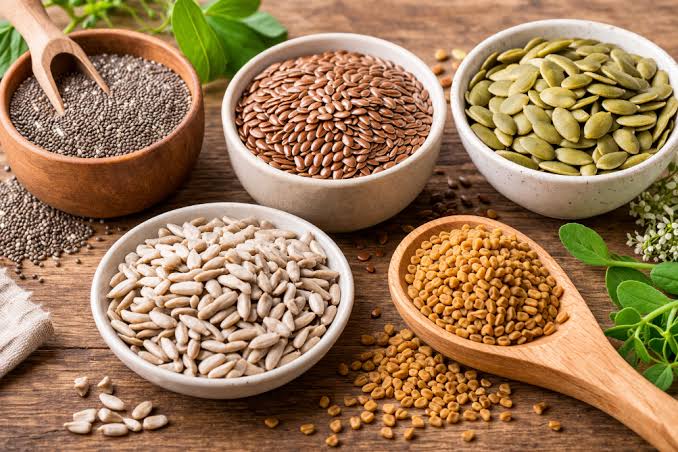
The relationship between healthy fats and blood sugar is frequently misunderstood — dietary fat does not directly raise blood glucose (fat contains no carbohydrate and converts to glucose only to a negligible degree), but fat significantly influences insulin sensitivity, postprandial glucose responses, cardiovascular risk, and long-term diabetes susceptibility through its effects on adipose tissue inflammation, cell membrane composition, and pancreatic beta-cell function. The key distinction for metabolic health is not fat quantity but fat quality: unsaturated fats from olive oil, avocados, nuts, seeds, and fatty fish are consistently associated with improved insulin sensitivity and reduced diabetes risk, while saturated fats from red meat and full-fat dairy products and trans fats from partially hydrogenated oils impair insulin receptor signaling and drive adipose tissue inflammation that worsens insulin resistance. Understanding which fats protect blood sugar, how much to consume, and how they interact with carbohydrate choices gives adults a comprehensive macronutrient framework for metabolic health that goes beyond the simplistic “reduce all fat” guidance that dominated nutritional recommendations for decades.
Replacing 5% of daily saturated fat calories with monounsaturated fat reduces Type 2 diabetes risk by 15% in large prospective cohort studies. The Mediterranean dietary pattern — rich in olive oil, nuts, and fish — reduces diabetes incidence by 23–30% compared to standard low-fat dietary advice in randomized controlled trials.
How Dietary Fat Affects Insulin Sensitivity and Blood Sugar
Dietary fat influences insulin sensitivity through its incorporation into cell membranes — the phospholipid bilayers of every cell in the body, including the muscle, liver, and fat cells that express insulin receptors and are most critical for glucose disposal. The fatty acid composition of cell membranes directly affects membrane fluidity and insulin receptor function: membranes rich in unsaturated fatty acids (from olive oil, nuts, and fish) maintain greater fluidity and insulin receptor sensitivity, while membranes high in saturated fatty acids (from red meat and tropical oils) are more rigid and show impaired insulin receptor conformation and downstream signaling. This cell membrane mechanism explains why the type of fat consumed predicts insulin sensitivity independently of total fat quantity and body weight — it is a direct molecular effect on the machinery of insulin action rather than an indirect effect through calories or weight. Beyond membrane composition, specific fat types activate distinct intracellular signaling pathways: saturated fatty acids (particularly palmitate from animal sources) activate toll-like receptor 4 (TLR4) on immune cells and adipocytes, triggering pro-inflammatory cytokine production (TNF-alpha, IL-6, IL-1beta) that directly inhibits insulin receptor substrate phosphorylation and impairs insulin signaling. Long-chain omega-3 fatty acids (EPA and DHA from fatty fish) counteract this inflammatory signaling by activating anti-inflammatory G protein-coupled receptors and producing specialized pro-resolving mediators (resolvins, protectins) that reduce adipose tissue inflammation, improving insulin sensitivity from the inflammatory side of the equation. The practical consequence is that replacing saturated fat with unsaturated fat in the diet — independent of total fat or caloric intake — produces measurable improvements in insulin sensitivity within 4–8 weeks, providing one of the most direct dietary interventions for addressing the insulin resistance that underlies prediabetes and Type 2 diabetes progression. The American Diabetes Association’s guidance on fats and diabetes and the NIDDK’s dietary guidance for diabetes both recommend emphasizing unsaturated fats from plant and fish sources within a diabetes-prevention or management dietary pattern.
Monounsaturated Fats: Olive Oil, Avocados, and Blood Sugar
Monounsaturated fatty acids (MUFAs), found most abundantly in olive oil, avocados, almonds, and peanuts, are the fat category with the longest clinical track record for improving insulin sensitivity and reducing diabetes risk. The PREDIMED randomized controlled trial — one of the largest and most rigorously conducted dietary intervention trials in history — randomized over 7,000 adults at high cardiovascular risk to Mediterranean diet with extra-virgin olive oil, Mediterranean diet with nuts, or low-fat control diet. After five years, the olive oil Mediterranean diet group showed 40% lower new diabetes diagnoses than the low-fat control group, and the nuts Mediterranean diet group showed 18% lower new diagnoses — outcomes driven primarily by the replacement of refined carbohydrates and saturated fats with monounsaturated fats and tree nuts. Mechanistically, MUFAs improve insulin receptor sensitivity by incorporating into cell membranes as flexible, unsaturated fatty acids that maintain membrane fluidity; extra-virgin olive oil additionally provides oleocanthal and hydroxytyrosol — polyphenols with potent anti-inflammatory activity that independently reduce adipose tissue cytokine production and improve insulin signaling. For blood sugar at the meal level, fat slows gastric emptying in a dose-dependent manner — adding olive oil or avocado to a carbohydrate-containing meal reduces the postprandial glucose peak from that meal by 10–20% by slowing the rate of glucose delivery to the small intestine. This is the mechanistic basis for the common observation that a Mediterranean-style meal of grilled fish with vegetables and olive oil produces a much lower glucose response than an equivalent carbohydrate load from a fat-free pasta dish — despite similar total carbohydrate content, the fat content of the Mediterranean meal substantially attenuates postprandial glucose absorption speed. Our guide on healthy meal timing for blood sugar covers how meal composition — including fat content — interacts with the circadian timing of meals to determine the net postprandial glucose effect of any eating occasion.

Omega-3 Fatty Acids: Fish, Flaxseeds, and Insulin Sensitivity
Long-chain omega-3 polyunsaturated fatty acids — EPA (eicosapentaenoic acid) and DHA (docosahexaenoic acid) from fatty fish, and ALA (alpha-linolenic acid) from flaxseeds, chia seeds, walnuts, and hemp seeds — are the fat subtype with the strongest anti-inflammatory evidence and among the most consistent positive associations with metabolic health outcomes. Large prospective cohort studies show that adults consuming the most EPA and DHA (primarily from fatty fish consumption) have 10–25% lower Type 2 diabetes risk than those consuming the least, an effect that is stronger in populations where baseline fatty fish intake is low. The mechanism is multifactorial: EPA and DHA incorporate into cell membranes and adipose tissue, where they serve as substrate for anti-inflammatory lipid mediators (resolvins E-series from EPA, D-series resolvins and protectins from DHA) that resolve chronic adipose tissue inflammation and improve insulin receptor signaling; omega-3 fatty acids also reduce hepatic triglyceride production (benefiting the hepatic insulin resistance associated with fatty liver disease), lower plasma triglycerides, and improve endothelial function. Plant-based ALA from flaxseeds, chia seeds, and walnuts undergoes only partial conversion to EPA and DHA in the body (approximately 10–15% efficiency for EPA, lower for DHA), meaning that plant-based omega-3 sources alone are unlikely to achieve the cellular EPA and DHA concentrations produced by regular fatty fish consumption. Adults following plant-based dietary patterns should consider algae-derived DHA and EPA supplements — which provide the long-chain omega-3 fatty acids that fish themselves obtain from algae — as an effective alternative to fish consumption that provides equivalent metabolic benefits without animal product consumption. For healthy fats and blood sugar from omega-3 sources, the practical targets are 2–3 servings of fatty fish (salmon, sardines, mackerel, herring, anchovies) per week, or daily supplementation with 1–2 grams of combined EPA+DHA for adults who do not regularly consume fatty fish.
Saturated and Trans Fats: The Blood Sugar Risks to Minimize
While the focus on healthy fats and blood sugar appropriately emphasizes what to include, understanding which fats most impair metabolic health helps adults make the replacement decisions — substituting the most harmful fat sources with the most beneficial — that produce the greatest metabolic improvements. Saturated fats from red meat, full-fat dairy, butter, coconut oil, and palm oil impair insulin receptor function through cell membrane rigidity and TLR4-mediated adipose inflammation. The dose-response relationship is clear: each 5% increment of total energy from saturated fat, when not replaced by unsaturated fat or carbohydrate, increases insulin resistance and HbA1c measurably over 4–8 weeks of dietary exposure. Trans fats — primarily from partially hydrogenated vegetable oils found in some processed baked goods, fried foods, and margarines, though largely removed from the US food supply after the 2018 FDA ban on partially hydrogenated oils — are the most metabolically harmful dietary fat, producing greater insulin resistance impairment than equivalent amounts of saturated fat and additionally increasing cardiovascular risk markers (LDL cholesterol, lipoprotein(a), inflammatory markers) that compound the diabetes-cardiovascular risk nexus. While trans fat from partially hydrogenated oils has been largely eliminated from US packaged foods, naturally occurring trans fats in ruminant animal fat (dairy, beef, lamb) are present at lower concentrations and are less metabolically harmful than artificial trans fats. The practical strategy is not to eliminate all saturated fat (which would require eliminating nutritious whole foods like eggs, dairy, and meat entirely) but to replace the most concentrated saturated fat sources — processed meat, butter, full-fat dairy used at scale — with unsaturated fat alternatives (olive oil instead of butter, nuts instead of chips, fatty fish instead of red meat) to achieve the metabolic benefits of fat quality substitution without requiring wholesale dietary restructuring. Our guide on sugar, carbs, and diabetes risk covers how reducing refined carbohydrates and replacing them partly with healthy fats creates the macronutrient composition most consistently associated with reduced diabetes risk and improved blood sugar control, and our guide on diabetes prevention: a practical guide integrates fat quality within the comprehensive dietary approach with the strongest clinical trial evidence for sustainable diabetes risk reduction.
Nuts, Seeds, and Blood Sugar: The Evidence
Nuts and seeds represent the most consistently metabolically beneficial fat-containing food category for blood sugar management in the research literature — combining healthy unsaturated fats with protein, fiber, magnesium, and polyphenols in a food matrix that produces uniquely favorable metabolic effects. Large meta-analyses show that consuming 1–2 ounces of tree nuts (almonds, walnuts, cashews, pistachios, hazelnuts) per day reduces fasting blood glucose by an average of 3–4 mg/dL, lowers HbA1c by 0.07–0.09%, and improves insulin sensitivity in adults with Type 2 diabetes — with additional reductions in LDL cholesterol and cardiovascular risk markers that are particularly valuable given the elevated cardiovascular risk of this population. Walnuts deserve special mention: they are the richest plant source of ALA omega-3 fatty acids (2.5g per ounce) and have shown particularly strong associations with reduced diabetes risk in prospective studies, with each daily serving associated with approximately 5–8% lower diabetes incidence. Almonds provide exceptional magnesium content (77mg per ounce) — important because magnesium is a cofactor in insulin receptor signaling and adults with prediabetes or diabetes frequently show magnesium deficiency that impairs insulin function. Pistachios have a unique advantage: their shells slow eating pace and provide a visual cue of quantity consumed, naturally supporting portion control that limits total caloric intake while delivering the metabolic benefits of the nut’s fat and protein content. For blood sugar specifically, adding a small handful of nuts (1 oz, approximately 160–180 calories) to a meal containing carbohydrates reduces the postprandial glucose peak from those carbohydrates by 15–20% — partly through fat-mediated gastric emptying delay and partly through the protein and fiber content of the nuts that independently slow glucose absorption. For adults managing carbohydrate portions as described in our guide on portion control for blood sugar support, replacing a high-carbohydrate afternoon snack (crackers, chips, granola bars) with a measured nut serving simultaneously reduces carbohydrate load, adds metabolically protective fats and protein, and provides sustained satiety that prevents overconsumption at the next meal — a particularly high-value dietary substitution for blood sugar management purposes.
The Low-Fat Diet Myth and Blood Sugar: What the Evidence Actually Shows
For decades, dietary guidelines emphasized reducing total fat intake as the primary nutritional intervention for metabolic and cardiovascular health — a paradigm that led to the widespread development and consumption of low-fat, fat-free, and “reduced-fat” packaged foods that replaced removed fat with added sugars and refined carbohydrates to maintain palatability. The metabolic consequences of this fat-reduction-with-sugar-replacement dietary pattern are now well-characterized: the fat reduction produced no meaningful reductions in diabetes incidence (and in some populations increased it), while the sugar and refined carbohydrate additions that replaced fat directly worsened insulin resistance, raised triglycerides, lowered HDL cholesterol, and increased postprandial glucose responses. Large randomized trials comparing low-fat diets to Mediterranean diets (higher in unsaturated fat) consistently show that Mediterranean dietary patterns produce superior outcomes on insulin sensitivity, HbA1c, fasting glucose, and long-term diabetes risk compared to low-fat alternatives of equivalent calories — definitively resolving the “fat is bad for blood sugar” hypothesis in favor of “fat quality matters, fat quantity does not.” The practical implications are clear: adults managing blood sugar should not restrict healthy fat sources (olive oil, avocados, nuts, fatty fish) out of concern that fat will impair glucose management — these foods improve it. The fats that deserve restriction are saturated fats from processed meats and excessive animal fat, and trans fats from partially hydrogenated oils — replaced by the unsaturated alternatives that research consistently identifies as protective. For adults accustomed to the low-fat dietary paradigm, this evidence-based reorientation — adding olive oil to vegetables rather than steaming them fat-free, choosing full-fat Greek yogurt over non-fat flavored yogurt, eating avocado daily rather than avoiding it for fat content — produces both greater metabolic benefit and greater dietary satisfaction than continuing to restrict all fat in hopes of blood sugar improvement that the evidence does not support. The comprehensive evidence on dietary fat and diabetes prevention, integrated with carbohydrate quality, fiber, protein, and meal timing considerations, is presented in our guide on diabetes prevention: a practical guide, which provides the unified nutritional framework that most reliably reduces diabetes risk and improves long-term blood sugar control through lifestyle modification. Our guide on reading food labels for blood sugar provides the practical label-reading skills needed to identify and avoid the hidden sugars that food manufacturers frequently added to low-fat products — allowing adults to accurately assess the net metabolic impact of “reduced-fat” and “low-fat” packaged foods on blood sugar rather than being misled by front-of-package marketing claims.
Practical Ways to Replace Harmful Fats With Healthy Fats Daily
Implementing the evidence on healthy fats and blood sugar requires concrete substitution strategies that fit into existing meal patterns without requiring complete dietary restructuring. The most impactful fat substitutions — replacing saturated and refined fat sources with monounsaturated and omega-3 alternatives — achieve the greatest metabolic improvement per unit of dietary change:
- Replace butter with extra-virgin olive oil: Swapping butter (high in saturated fat) for extra-virgin olive oil (high in oleic acid, a MUFA, plus anti-inflammatory polyphenols) for cooking, sautéing, and bread dipping reduces saturated fat intake while adding the most evidence-supported healthy fat for blood sugar protection. One tablespoon of olive oil contains approximately 10g of monounsaturated fat and negligible saturated fat — compared to butter’s 7g of saturated fat per tablespoon. Using olive oil liberally in cooking is consistent with the Mediterranean dietary pattern that has the strongest randomized trial evidence for diabetes prevention.
- Replace chips and crackers with nuts as snacks: The standard afternoon snack of potato chips (predominantly refined carbohydrate and omega-6 vegetable oils) replaced by a small handful of almonds, walnuts, or mixed nuts reduces both the refined carbohydrate load and the unhealthy fat content of the snack while adding the protein, fiber, and healthy fats that reduce subsequent meal glucose responses through the satiety and gastric emptying mechanisms described above.
- Eat fatty fish twice per week: Replacing two weekly meat-centered dinners with salmon, sardines, mackerel, or herring provides the EPA and DHA omega-3 targets associated with reduced inflammation and improved insulin sensitivity, simultaneously reducing saturated fat exposure from meat. For adults who find fatty fish preparation challenging, canned sardines and canned salmon are convenient, inexpensive, and nutritionally equivalent to fresh preparations — making the omega-3 target achievable within budget and time constraints that preclude frequent fresh fish cooking.
- Add avocado to at least one daily meal: Half an avocado (approximately 100 calories, 10g of monounsaturated fat, 5g of fiber) added to a salad, egg dish, or grain bowl simultaneously increases healthy fat and fiber content, slows postprandial glucose absorption from accompanying carbohydrates, and adds potassium and folate that support cardiovascular and metabolic health. The creaminess and satiety of avocado makes it a particularly successful replacement for cheese, mayonnaise, or other higher-saturated-fat toppings in sandwiches and salads.
- Use chia or flaxseeds in breakfast foods: Adding one tablespoon of chia seeds (5g fiber, 2g ALA omega-3) or ground flaxseed (3g ALA, 2g fiber) to oatmeal, yogurt, or a smoothie provides plant-based omega-3 fatty acids and soluble fiber simultaneously — two nutrients with independent and complementary blood sugar benefits — in a preparation that requires no cooking skill and adds minimal preparation time.
These substitution strategies collectively shift dietary fat composition toward the unsaturated-dominant pattern most consistently associated with improved insulin sensitivity and reduced diabetes risk in both mechanistic and large-scale epidemiological research. When combined with the carbohydrate quality improvements covered in our guide on sugar, carbs, and diabetes risk, the fiber increases from our guide on fiber and blood sugar control, and the protein optimization from our guide on protein and blood sugar balance, these fat quality improvements create a comprehensive macronutrient framework that simultaneously addresses insulin resistance from the inflammatory, membrane composition, and glucose absorption dimensions — providing the most evidence-based and practically sustainable dietary foundation for long-term blood sugar protection and diabetes prevention available through nutritional modification alone. The CDC’s diabetes prevention healthy eating guidance supports this integrated dietary approach as the nutritional component of the comprehensive lifestyle intervention with the most reliable evidence base for reducing Type 2 diabetes incidence in adults at elevated metabolic risk.
Coconut Oil, Butter, and Controversies: What the Evidence Shows
Coconut oil and butter have attracted significant popular interest as purportedly “healthy” saturated fat sources — claims that deserve scrutiny against the clinical evidence on healthy fats and blood sugar. Coconut oil is approximately 90% saturated fat, with the predominant fatty acid being lauric acid (a 12-carbon medium-chain saturated fatty acid). Proponents claim that medium-chain triglycerides (MCTs) in coconut oil are handled differently from long-chain saturated fats and may benefit metabolic health. The clinical evidence does not support these claims for blood sugar management: systematic reviews of randomized controlled trials on coconut oil consistently show that coconut oil raises LDL cholesterol more than most other dietary fats, with no consistent improvements in insulin sensitivity, fasting glucose, or HbA1c compared to unsaturated fat alternatives. The American Heart Association and American Diabetes Association both advise limiting coconut oil consumption rather than using it as a health food. Butter similarly consists predominantly of long-chain saturated fatty acids with some short-chain fatty acids from dairy fermentation — and while not as harmful as trans fats, butter remains a concentrated source of the saturated fats most strongly associated with impaired insulin receptor signaling and elevated cardiovascular risk. The consistent evidence from clinical trials and large prospective cohort studies favors olive oil over butter and other tropical oils as the primary cooking fat for adults managing blood sugar, reflecting the well-established superiority of monounsaturated fats over saturated fats for insulin sensitivity and long-term metabolic outcomes. Understanding these distinctions — supported by robust clinical trial evidence rather than social media nutrition trends — allows adults to make fat choices that genuinely protect their blood sugar and metabolic health rather than those that merely carry health-food marketing positioning without the clinical evidence to support it.
Sources: American Diabetes Association — fats and diabetes dietary guidance; National Institute of Diabetes and Digestive and Kidney Diseases (NIDDK) — diet and eating for diabetes; PREDIMED randomized controlled trial on Mediterranean diet and diabetes prevention (New England Journal of Medicine); meta-analyses on dietary fat type, insulin sensitivity, and Type 2 diabetes risk published in Diabetes Care, JAMA Internal Medicine, and the American Journal of Clinical Nutrition.
Really well-written article on healthy fats and blood sugar. I appreciate that the article is careful about distinguishing between what is known and what is still being researched. Looking forward to reading more articles from this website.
My doctor recommended I look into healthy fats and blood sugar and this article covered it perfectly. It is refreshing to see an article that acknowledges individual variation rather than one-size-fits-all advice. Appreciate the effort that went into researching and writing this — it shows.
This breakdown of healthy fats and blood sugar is exactly what patients need before a specialist appointment. I have tried following advice from several sources but this is most consistent with what my specialist told me. Will definitely be coming back to this site for more health information.