
Prostate Screening and Urinary Health: What Men Should Know
Prostate screening — the use of the prostate-specific antigen (PSA) blood test and digital rectal examination (DRE) to detect prostate abnormalities before symptoms develop — is one of the most discussed and debated topics in men’s preventive health. For many men, their first encounter with prostate screening occurs when lower urinary tract symptoms (LUTS) prompt a visit to a clinician, and the PSA test is ordered alongside the evaluation of those symptoms. Understanding the relationship between prostate screening and urinary health is important for any man over 40: the conditions most commonly responsible for urinary symptoms in older men — benign prostatic hyperplasia (BPH) and prostate cancer — originate in the same organ, share some overlapping symptoms, and are often evaluated simultaneously, yet they are fundamentally different conditions requiring different management approaches. Knowing what PSA measures, how to interpret screening results, and what current guidelines recommend helps men participate meaningfully in screening decisions and understand what abnormal results actually mean for their urinary health and cancer risk.
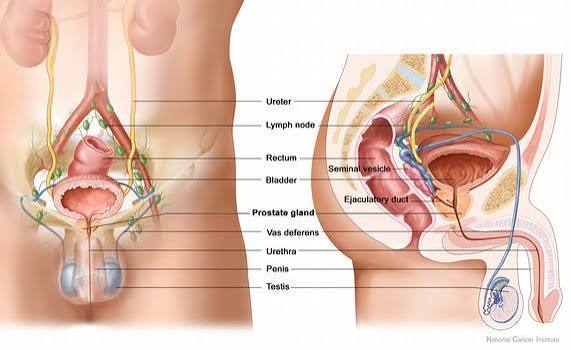
The prostate’s role in urinary health is anatomical as much as hormonal: situated at the base of the bladder surrounding the urethra, the prostate is in a position where growth — from BPH, inflammation, or malignancy — directly affects urinary outflow. A man’s urinary symptoms are therefore not purely a bladder problem; they frequently reflect the state of the prostate as much as the state of the detrusor and urethra. The comprehensive overview of how prostate conditions produce lower urinary tract symptoms is covered in the prostate health and urinary symptoms guide on Horizon Health Guide, which provides the clinical framework for understanding BPH and its associated voiding difficulties. This guide focuses specifically on the screening component: what PSA tests and DRE measure, who should be screened and when, how to interpret results, and what steps follow an abnormal screening finding.

What PSA Measures and What It Does Not
Prostate-specific antigen (PSA) is a protein produced by both normal and abnormal prostate epithelial cells; its physiological role is to liquefy semen after ejaculation. PSA is “prostate-specific” — it is produced almost exclusively by prostate tissue and not by other organs — but it is not “cancer-specific”: elevated PSA levels can result from prostate cancer, but also from BPH, prostatitis, urinary tract infection, recent ejaculation, recent prostate biopsy, and urological instrumentation such as cystoscopy or catheterization. This lack of cancer specificity is at the root of much of the controversy around PSA screening: an elevated PSA triggers further investigation (including biopsy, with its own risks) but most elevated PSAs reflect benign conditions rather than cancer. Understanding this distinction is critical for men interpreting their own results. A PSA result must be interpreted in context — age, prostate size (larger prostates produce more PSA regardless of cancer), symptoms, DRE findings, and baseline prior PSA values all inform the significance of any single PSA number. The absolute PSA cutoff traditionally used to trigger concern was 4.0 ng/mL, but this threshold is imprecise: many men with PSA below 4.0 have prostate cancer (particularly lower-grade, screen-detectable disease), and many men with PSA above 4.0 do not (their elevation reflects BPH or prostatitis). Current urological practice has moved from a single PSA threshold model to a risk-stratified approach that considers multiple PSA-derived parameters alongside clinical context.
PSA density (PSA divided by prostate volume as measured by transrectal ultrasound) adjusts for the contribution of prostate size to PSA production and identifies men whose PSA is disproportionately high relative to their gland size — a higher PSA density (above 0.15) suggests a greater likelihood that the PSA elevation reflects malignancy rather than BPH-related volume effect. Free PSA percentage (the ratio of free, unbound PSA to total PSA) is useful in the intermediate PSA range (4–10 ng/mL): prostate cancer tends to produce PSA that is predominantly bound to proteins in the blood, lowering the free PSA percentage; BPH tends to produce a higher proportion of free PSA. A free PSA percentage below 10–15% is associated with a higher probability of cancer on biopsy, while above 25% substantially reduces the biopsy indication. PSA velocity — the rate of PSA rise over serial measurements — is an additional parameter: a rapid rise (above 0.75 ng/mL per year) even within the “normal” range raises clinical concern and may warrant further evaluation. PSA doubling time is particularly useful in men who have had prostate cancer treatment — a short PSA doubling time (below 3 months) after treatment signals aggressive recurrent disease, while a long doubling time suggests indolent behavior. These refined PSA metrics allow clinicians and patients to make more nuanced biopsy decisions than the simple PSA threshold model, reducing both unnecessary biopsies and missed diagnoses. For authoritative information on prostate cancer screening evidence and recommendations, the AUA early detection of prostate cancer guideline provides the current evidence-based framework, and the NIDDK prostate problems resource provides accessible patient-level information about the full range of prostate conditions.
Digital Rectal Examination: What It Evaluates and Why It Matters
The digital rectal examination (DRE) is a physical examination in which a clinician inserts a gloved, lubricated finger into the rectum to palpate the posterior surface of the prostate. While only the posterior aspect of the gland is accessible by DRE — the anterior prostate cannot be felt — this examination provides direct information that PSA cannot: prostate size estimation, texture (smooth and rubbery in normal BPH vs. hard, irregular, or nodular in cancer), and the presence of tenderness (suggesting prostatitis). A palpably hard nodule or marked firmness on DRE is a significant clinical finding that warrants further evaluation regardless of PSA level — some prostate cancers produce little PSA yet are palpable on DRE, and DRE-detected cancers tend to be at least T2 (palpable) stage by definition. The combination of PSA and DRE improves detection performance compared to either test alone: a man with a PSA in the 2–4 ng/mL range and a normal DRE has a much lower cancer probability than a man in the same PSA range with a palpable nodule, and the latter finding changes the clinical recommendation from observation to biopsy consideration independent of PSA. In current practice, DRE is performed as part of a shared decision-making evaluation alongside PSA rather than as a routine annual screen in asymptomatic men of all ages, consistent with the shift toward risk-stratified rather than universal screening. Men with urinary symptoms — particularly voiding symptoms such as hesitancy, weak stream, or incomplete emptying — should have a DRE as part of the baseline evaluation, since the size and consistency of the prostate on examination informs the differential between BPH and cancer as drivers of the symptoms. The symptom patterns that distinguish BPH-related voiding difficulty from other causes are covered in the enlarged prostate and urination problems guide.
Current Screening Guidelines: Who Should Be Screened and When
Prostate cancer screening recommendations have evolved significantly over the past two decades as evidence from large randomized trials (PLCO in the US, ERSPC in Europe) clarified the benefits and harms of PSA-based screening. The current consensus, reflected in the 2023 AUA/SUFU Early Detection of Prostate Cancer guideline, centers on individualized shared decision-making rather than population-wide screening mandates. The key age-stratified recommendations are: Men under 40: routine PSA screening is not recommended due to the very low prevalence of clinically meaningful prostate cancer in this age group and the high risk of overdiagnosis. Men 40–54: routine screening is not recommended for average-risk men; men with high-risk features — a first-degree relative diagnosed with prostate cancer before age 65, African American ethnicity (which carries a higher incidence and mortality from prostate cancer), or known BRCA1/2 germline mutations — should discuss baseline PSA testing beginning at 40. Men 55–69: this is the age group where PSA screening provides the most benefit relative to harm; the ERSPC trial demonstrated a 21% reduction in prostate cancer mortality in men aged 55–69 offered screening, at the cost of a 30–70% probability of overdiagnosis (detection of cancers that would never have become clinically significant). The AUA recommends that men in this age group discuss the benefits and harms of PSA screening with their clinician and make an individualized decision; the screening interval for men who elect screening should be 1–2 years depending on baseline PSA. Men over 70 or with less than 10–15 years of life expectancy: routine PSA screening is not recommended, as the harms of overdiagnosis and treatment outweigh the benefits in this population; men over 70 with a PSA below 3 ng/mL on a prior measurement may safely discontinue screening. For men with established urinary symptoms from BPH, PSA remains part of the evaluation regardless of age, since distinguishing BPH from prostate cancer contributing to obstruction requires PSA data in the clinical context — but the purpose is diagnostic evaluation rather than cancer screening in this setting. The StatPearls prostate cancer screening review provides the clinical evidence base for these recommendations.
Interpreting an Elevated PSA: What Comes Next
An elevated PSA — whether above the traditional 4.0 ng/mL threshold or above an age-stratified reference range — does not mean prostate cancer is present; it means that further evaluation is warranted to determine whether the elevation reflects malignancy or a benign condition. The evaluation pathway after an elevated PSA follows a structured decision process. Confirm the elevation: a single elevated PSA should be repeated in 4 to 6 weeks after avoiding ejaculation for 48 hours and addressing any concurrent UTI, prostatitis, or recent instrumentation that could transiently elevate PSA. A confirmed persistent elevation is more clinically significant than a single elevated value. Refine the risk estimate: clinical data including PSA density, free PSA percentage, DRE findings, age, family history, and ethnicity are combined to estimate the probability of clinically significant cancer on biopsy. Several validated risk calculators (PCPT Risk Calculator, ERSPC Risk Calculator) and biomarker tests (Prostate Health Index, 4Kscore) further refine this probability estimate. Imaging before biopsy: multiparametric MRI (mpMRI) of the prostate has become the standard pre-biopsy evaluation for men with elevated PSA and negative or equivocal DRE. A high-quality mpMRI showing no suspicious lesion (PI-RADS 1 or 2) substantially reduces the probability of clinically significant cancer and may support a decision to defer biopsy and monitor with repeat PSA; a PI-RADS 4 or 5 lesion — highly suspicious for cancer — provides anatomical guidance for targeted biopsy of the suspicious area, improving detection of clinically significant cancer while reducing detection of low-grade, low-risk disease. Prostate biopsy: when indicated, transrectal or transperineal prostate biopsy (typically 12–16 systematic cores, with additional targeted cores of any mpMRI lesion) provides tissue diagnosis. The Gleason score from the biopsy pathology determines the aggressiveness of any cancer found and drives the subsequent treatment decision — from active surveillance for low-grade cancer to radical therapy for intermediate-to-high-grade disease. Men with voiding symptoms caused by urethral obstruction from either BPH or prostate cancer — presenting with hesitancy, weak stream, or incomplete emptying — should understand that these symptoms require evaluation and management alongside any cancer screening that is underway. The difficulty starting urination guide and the incomplete bladder emptying guide cover the voiding symptom components that frequently coexist with prostate conditions requiring screening evaluation.
PSA and BPH: Understanding the Overlap
One of the most common scenarios in clinical urology is a man who presents with classic BPH symptoms — urinary frequency, nocturia, weak stream, and incomplete emptying — and is found to have an elevated PSA on initial evaluation. The clinical challenge is that BPH and prostate cancer coexist commonly in older men (BPH is nearly universal after age 60, while prostate cancer develops in approximately 1 in 8 men over a lifetime), so an elevated PSA in a symptomatic man may reflect BPH, cancer, both, or neither. The PSA contribution from BPH is proportional to prostate volume: a man with a prostate volume of 80 mL from BPH will have a PSA around 4–6 ng/mL from BPH alone, while a man with a 30 mL prostate and a PSA of 8 ng/mL has an elevation disproportionate to his gland size that warrants more concern. 5-alpha-reductase inhibitors (finasteride, dutasteride) — medications used to treat BPH — reduce PSA by approximately 50% after 6–12 months of use; failure to account for this when interpreting PSA in a man on a 5-ARI (the true PSA should be doubled for comparison with standard reference ranges) can lead to missed cancer signals. Men who have been on finasteride or dutasteride for BPH should inform any clinician ordering PSA so that the result can be correctly interpreted. Regular PSA monitoring is an important component of BPH management, not only to track prostate inflammation and disease progression but also to maintain an active cancer surveillance baseline. The weak urine stream guide provides the broader voiding symptom context for men undergoing this dual evaluation of BPH symptoms and PSA-based cancer screening simultaneously.
Sources: NIDDK — Prostate Problems · AUA Early Detection Guideline · StatPearls — Prostate Cancer Screening
Prostate Cancer Risk Factors and High-Risk Groups
Prostate cancer risk is not uniformly distributed across the male population — several well-established risk factors substantially modify a man’s lifetime probability of developing prostate cancer and inform the age at which screening conversations should begin. Age is the single strongest risk factor: prostate cancer is rare before 40, uncommon before 50, and its incidence rises steeply after 55. The median age at diagnosis is approximately 67, and the majority of prostate cancer deaths occur in men over 75 — patterns that explain why screening guidelines target the 55–69 age window as the period with the most favorable benefit-to-harm ratio. Race and ethnicity have a profound effect on prostate cancer risk: African American men have the highest incidence of prostate cancer of any racial or ethnic group in the United States — approximately 1.7 times the rate of white men — and have a mortality rate approximately 2.1 times higher. The mechanisms behind this disparity are multifactorial, involving biological differences in tumor biology, differences in healthcare access and screening rates, and socioeconomic factors, but the clinical implication is clear: African American men should begin the screening conversation at age 40–45, not 55. Family history is the second most important individual risk factor: a first-degree relative (father, brother) with prostate cancer approximately doubles a man’s lifetime risk; two or more affected first-degree relatives, or a first-degree relative diagnosed before age 55, raises risk by 5- to 11-fold and warrants baseline PSA testing at age 40 with more frequent monitoring. Germline genetic mutations — particularly BRCA2 mutations (which confer an approximately 8.6-fold increase in prostate cancer risk and are associated with more aggressive disease at diagnosis) and BRCA1, ATM, CHEK2, HOXB13, and Lynch syndrome mutations — now factor into clinical risk stratification for men with family histories of breast, ovarian, colorectal, or pancreatic cancer alongside prostate cancer. Men with known germline BRCA2 mutations should discuss prostate screening starting at age 40 with their clinician, and annual screening (rather than every 1–2 years) may be appropriate given the higher-risk cancer phenotype. Diet and lifestyle factors — obesity, low physical activity, and diets high in processed red meat and low in vegetables — are associated with modestly elevated prostate cancer risk, particularly for advanced disease, and are also independent risk factors for the BPH-related urinary symptoms that frequently prompt screening evaluation in the first place. Weight management, regular physical activity, and a plant-rich diet reduce both metabolic disease burden and LUTS severity simultaneously.
Active Surveillance: Monitoring Low-Risk Prostate Cancer Without Immediate Treatment
One of the most significant advances in prostate cancer management over the past two decades is the recognition that many screen-detected prostate cancers — particularly Gleason grade group 1 (Gleason 3+3=6) and selected grade group 2 (Gleason 3+4=7) cancers — can be safely monitored without immediate treatment through a strategy called active surveillance (AS). Active surveillance involves periodic PSA measurements, DRE, repeat prostate biopsies (typically at 1–2 years after diagnosis and every 2–4 years thereafter), and mpMRI to detect any pathological progression that would trigger a reconsideration of active treatment. The rationale for AS in low-risk prostate cancer is that Gleason grade group 1 disease has an extremely low metastatic potential — large studies have shown 10-year cancer-specific mortality of approximately 1–2% in men with Gleason 3+3=6 on AS, comparable to men on immediate treatment — while the harms of prostatectomy (erectile dysfunction in 20–70% of men, urinary incontinence in 10–30%) and radiotherapy (rectal and bladder toxicity, fatigue) are real and significantly affect quality of life. The PSA screening that detects these low-risk cancers therefore creates a potential harm (overtreatment) if all screen-detected cancers are treated immediately. By incorporating AS as the standard management for low-risk disease, modern prostate oncology has substantially reduced overtreatment without increasing cancer mortality. For the approximately 30–40% of men on AS who do progress (higher-grade cancer found on repeat biopsy, PSA doubling time shortening, or new lesion on mpMRI), curative treatment — surgery or radiotherapy — is offered at that point, with outcomes equivalent to immediate treatment for most clinical scenarios. The integration of mpMRI into AS protocols has improved the detection of pathological upgrade and allowed longer intervals between systematic biopsies in men with stable mpMRI findings, making AS a more tolerable long-term management strategy. Men diagnosed with low-risk prostate cancer should discuss AS with their oncologist as a guideline-concordant option before proceeding to immediate treatment, understanding both the monitoring protocol and the criteria that would trigger a recommendation for curative therapy.
Making the Most of the Screening Conversation
The shared decision-making conversation about prostate screening — now the standard framework recommended by the AUA, American Cancer Society, and USPSTF — is most productive when men arrive with a baseline understanding of what screening can and cannot offer. Men should be prepared to discuss their personal values regarding cancer detection (how much uncertainty they are comfortable living with), their risk tolerance for the potential harms of biopsy and treatment, their life expectancy and overall health, and any family history of prostate or related cancers. A clinician who recommends a shared decision-making approach is not being evasive — they are appropriately acknowledging that the evidence genuinely does not support a single “right” answer for all men and that individual preferences legitimately affect the optimal screening recommendation. Men who elect PSA screening should understand that a single test is far less informative than a series of values over time: a baseline PSA at 45–50, followed by repeat measurements at 1–2 year intervals, allows clinicians to assess PSA velocity and doubling time and provides a longitudinal picture that is more predictive than any individual absolute value. Men who decide against routine screening should understand that declining the PSA test does not preclude evaluation of urinary symptoms — PSA remains part of the workup for symptomatic LUTS from BPH regardless of the screening decision, and a man with a new bothersome weak stream, hesitancy, or incomplete emptying should seek clinical evaluation regardless of his screening preference. Prostate health is not only about cancer detection: optimizing the management of BPH-related urinary symptoms, preventing acute urinary retention, and preserving quality of life through the voiding years are goals that complement and sometimes overlap with cancer screening, and that deserve equal attention in the clinical conversation.
As an African American man with a father who had prostate cancer at 61, I’ve been getting PSA tests since I was 42. The article’s explanation of why African American men should start earlier — both the higher incidence and the more aggressive disease phenotype — validates the approach my GP recommended and that I initially questioned. I was confused about what PSA density meant when my urologist mentioned it at my last visit; the explanation here (adjusting for prostate volume so a larger BPH gland doesn’t falsely inflate the cancer risk interpretation) is the clearest I’ve read. My PSA has been stable at 1.8–2.1 ng/mL over three years of annual testing, which my urologist says is reassuring given my risk profile. The active surveillance section is also something I’ll share with my uncle who was just diagnosed with Gleason 6 and is being pressured by a surgeon toward immediate prostatectomy before the watchful waiting option was properly explained.
An accurate and current review of PSA-based screening that correctly reflects the 2023 AUA guideline shift toward shared decision-making and risk stratification. The mpMRI pre-biopsy recommendation is particularly important to highlight for patients — the adoption of PI-RADS scoring has substantially improved our ability to identify men who can safely defer biopsy (PI-RADS 1–2 with low PSA density) versus those who need targeted biopsy (PI-RADS 4–5), and this has reduced the detection of Gleason grade group 1 disease that would previously have been found only on systematic biopsy and might have prompted unnecessary treatment. The free PSA percentage cut-offs mentioned are accurate: below 10% is a red flag regardless of absolute PSA, and above 25% in the 4–10 PSA range substantially reduces the biopsy probability. For men on finasteride or dutasteride, the 50% PSA reduction adjustment you mentioned is frequently missed — I see men with apparently normal PSA on 5-ARI therapy who actually have doubled PSA values that would clearly trigger evaluation if interpreted correctly.
Dr. MacAllister, the finasteride/dutasteride PSA halving effect is one of the most practically important but underappreciated aspects of PSA interpretation for the many men on 5-ARIs for BPH — the effective PSA for screening purposes is double the measured value, and this correction must be applied consistently. A man with a measured PSA of 2.5 ng/mL on dutasteride has an effective PSA of 5.0 ng/mL that would trigger evaluation in most risk stratification frameworks, yet if the 5-ARI is not documented the result may be dismissed as normal. Robert, your decision to begin screening at 42 given your family history and ethnicity is exactly what the AUA high-risk guidelines recommend. A stable PSA velocity over three years of monitoring is genuinely reassuring — the absence of a rising trend is as informative as the absolute value, and your current monitoring interval of 1 year is appropriate for your risk profile.