
Anemia — a reduction in the number of red blood cells or the amount of hemoglobin they carry — is one of the most common and impactful complications of chronic kidney disease. It affects more than 50% of patients with CKD stage 3 and virtually all patients with CKD stage 5 (kidney failure). In healthy individuals, the kidneys produce erythropoietin (EPO), the hormone that stimulates the bone marrow to produce red blood cells. As kidney function declines, EPO production falls, and red blood cell production can no longer keep pace with normal red blood cell loss — resulting in anemia. Kidney disease-related anemia contributes to debilitating fatigue, reduced exercise tolerance, cognitive impairment, depression, and significantly elevated cardiovascular risk (through its effects on cardiac workload and left ventricular hypertrophy). Understanding this complication, how it is detected, how it is treated, and what patients can do to manage it is essential for anyone living with kidney disease. For context on the broader cardiovascular effects of CKD complications, see the companion article on kidney disease and heart health, which covers how anemia contributes to cardiovascular risk in CKD in more detail.
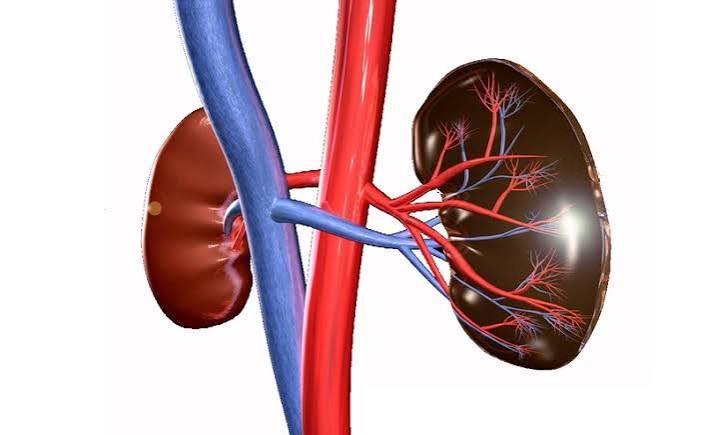
Causes of Anemia in Kidney Disease
Anemia in CKD is multifactorial — while reduced EPO production is the most important cause, several other mechanisms also contribute and need to be identified and addressed for effective treatment. Erythropoietin deficiency: the renal interstitial fibroblasts in the kidney are the primary producers of EPO in adults. As CKD progresses, these cells are progressively replaced by fibrosis and lose their EPO-producing capacity. The result is inadequate stimulation of bone marrow erythropoiesis — the bone marrow is capable of producing red blood cells, but lacks the signal to do so. This is the primary reason that exogenous EPO-based therapies (erythropoiesis-stimulating agents) are effective in CKD anemia. Iron deficiency: iron deficiency is a major contributing factor to anemia in CKD, present in approximately 40–50% of CKD patients with anemia. It occurs due to a combination of mechanisms: reduced dietary intake (appetite suppression from uremia), reduced intestinal iron absorption (partly due to elevated hepcidin, an iron-regulating hormone that rises in CKD and chronic inflammation), and blood loss from frequent phlebotomy, dialysis circuit losses, or occult gastrointestinal bleeding. Both absolute iron deficiency (depleted iron stores) and functional iron deficiency (adequate iron stores but impaired iron utilization, also mediated by hepcidin) can blunt the response to EPO treatment. Iron supplementation — often intravenous in CKD and dialysis patients — is therefore a critical part of anemia management. Shortened red blood cell survival: the uremic environment shortens the lifespan of red blood cells from the normal 120 days to 60–90 days in advanced CKD. The bone marrow cannot compensate adequately, particularly in the setting of EPO deficiency. Dialysis partially removes the uremic solutes responsible, which is one reason anemia often improves somewhat after dialysis is initiated. Nutritional deficiencies: deficiencies of folate and vitamin B12 — which are required for normal red blood cell maturation — can coexist with kidney disease and contribute to anemia. These are particularly relevant in poorly nourished patients or those with significant protein restriction. Inflammation: chronic inflammation — ubiquitous in CKD — suppresses erythropoiesis through elevated cytokines (interleukin-6, tumor necrosis factor-alpha) that inhibit EPO production and EPO receptor responsiveness, as well as through hepcidin elevation that impairs iron availability. Highly inflamed patients (e.g., those with recent infections or active autoimmune disease) often respond poorly to EPO therapy until the inflammation is controlled. Hyperparathyroidism: secondary hyperparathyroidism — common in advanced CKD — can suppress bone marrow erythropoiesis directly. Parathyroid hormone (PTH) inhibits EPO production and may directly suppress erythroid progenitor cells. Managing secondary hyperparathyroidism (through phosphate control, active vitamin D, calcimimetics) therefore has downstream benefits for anemia management. The NIDDK provides patient guidance on anemia in CKD at the NIDDK CKD anemia page.
Diagnosing and Monitoring Anemia in CKD
Anemia in CKD requires systematic evaluation — not just to confirm the hemoglobin is low, but to identify the contributing causes so that treatment can be appropriately targeted. A complete assessment typically includes: Complete blood count (CBC): hemoglobin below 12 g/dL in women or below 13 g/dL in men (WHO definitions) defines anemia; in CKD patients, hemoglobin below 10–11 g/dL is typically the threshold where symptoms become significant and treatment is initiated or adjusted. The MCV (mean corpuscular volume) provides information about red blood cell size: microcytic anemia (small cells, low MCV) suggests iron deficiency; normocytic anemia (normal-sized cells) is typical of EPO-deficiency anemia in CKD; macrocytic anemia (large cells, high MCV) suggests B12 or folate deficiency. Iron studies: serum ferritin (iron stores), serum iron, transferrin saturation (TSAT — the percentage of transferrin binding sites occupied by iron). In CKD anemia, both absolute and functional iron deficiency need to be evaluated: ferritin below 100 ng/mL or TSAT below 20% suggests iron deficiency. Because ferritin is an acute-phase reactant (elevated by inflammation), a ferritin of 100–500 ng/mL with TSAT below 20% may still represent functional iron deficiency in the context of inflammation — clinical judgment is required. Reticulocyte count: the proportion of newly released immature red blood cells in the blood reflects bone marrow erythropoietic activity. A low reticulocyte count in the setting of anemia confirms inadequate marrow response, consistent with EPO deficiency or severe iron deficiency; an elevated reticulocyte count with anemia suggests hemolysis or blood loss. Vitamin B12 and folate: checking serum B12 and folate levels identifies nutritional deficiencies that may be contributing to anemia and respond to supplementation rather than EPO therapy. Other causes of anemia to exclude: in CKD patients with unexplained anemia — particularly when the degree of anemia is out of proportion to the CKD stage, or when there are other clinical findings — it is important to rule out coexisting causes: occult gastrointestinal blood loss (through fecal occult blood testing or endoscopy), hemolysis, bone marrow disorders, and other systemic causes. The KDIGO anemia in CKD guidelines provide comprehensive diagnostic criteria at the KDIGO anemia in CKD page.
Treatment of Anemia in Kidney Disease
Treatment of CKD-related anemia focuses on correcting iron deficiency, providing exogenous EPO to replace the hormone the damaged kidneys can no longer produce, and managing contributing factors. The goal is typically a hemoglobin target in the range of 10–12 g/dL — evidence from the TREAT, CHOIR, and CREATE trials established that targeting higher hemoglobin levels (above 13 g/dL) with ESAs increased the risk of cardiovascular events and thromboembolic complications without improving outcomes. Iron therapy: correcting iron deficiency is the first step in treating CKD anemia, and must be done before or alongside EPO therapy because adequate iron is required for effective erythropoiesis. Oral iron (ferrous sulfate, ferrous gluconate) is inexpensive and appropriate for non-dialysis CKD patients with mild-to-moderate iron deficiency, but is often poorly tolerated (gastrointestinal side effects) and poorly absorbed due to high hepcidin in CKD. Intravenous iron (ferric carboxymaltose, iron sucrose, ferumoxytol) achieves more reliable repletion, is better tolerated, and is preferred for dialysis patients (in whom IV access is routinely available) and for non-dialysis patients who cannot tolerate or adequately respond to oral iron. Erythropoiesis-stimulating agents (ESAs): recombinant EPO preparations — epoetin alfa (Epogen/Procrit), darbepoetin alfa (Aranesp) — replace the EPO that the failing kidneys can no longer produce. They are highly effective at raising hemoglobin and improving fatigue and quality of life in CKD patients. They are given by subcutaneous injection (weekly to every 3 weeks for darbepoetin; weekly to three times weekly for epoetin alfa). The dose is titrated to maintain hemoglobin in the 10–12 g/dL range. ESAs carry a class warning regarding cardiovascular risks at higher hemoglobin targets; this is why the target range is deliberately moderate. Hypoxia-inducible factor prolyl hydroxylase inhibitors (HIF-PHIs): roxadustat (approved in multiple countries) and daprodustat and vadadustat (in development or approved in some regions) represent an oral drug class that works by activating the hypoxia-sensing pathway to stimulate endogenous EPO production, rather than administering exogenous EPO. They are oral (twice or three times weekly) rather than injectable, increase endogenous EPO production and improve iron mobilization by suppressing hepcidin, and provide an alternative to ESAs particularly for non-dialysis patients who prefer oral therapy. Blood transfusions: used sparingly in CKD anemia (reserved for acute situations with hemoglobin below 7–8 g/dL and significant symptoms) because repeated transfusions sensitize patients to HLA antigens, reducing future transplant options and increasing the risk of transfusion reactions. In transplant candidates, transfusions are avoided whenever possible. The NKF provides patient resources on anemia in kidney disease at the NKF kidney health page. The StatPearls reference on renal anemia is at the StatPearls resource.
Symptoms of Anemia in CKD and Their Impact on Daily Life
Anemia of CKD produces a constellation of symptoms that significantly reduce quality of life and function, and which are often incorrectly attributed to aging or to kidney disease itself rather than to the treatable complication of anemia. Recognizing these symptoms — and understanding that effective treatment is available — is important for patients and their care teams. Fatigue: the most prominent and debilitating symptom of CKD anemia. The reduced oxygen-carrying capacity of the blood means muscles tire more quickly, recovery from exertion takes longer, and sustained physical activity becomes progressively more difficult. Fatigue is often described as a pervasive, out-of-proportion exhaustion that differs from the tiredness of poor sleep — it is present on waking and is not relieved by rest. Correction of anemia with ESA therapy and iron repletion consistently improves fatigue scores in clinical trials. Dyspnea on exertion: reduced hemoglobin means the cardiovascular system must compensate by increasing cardiac output (more blood per minute delivered to meet oxygen demand), and this compensation has limits — resulting in breathlessness with exertion that may gradually deteriorate to breathlessness at rest in severe anemia. Cognitive symptoms: the brain is highly sensitive to oxygen delivery, and anemia impairs cognitive function — affecting concentration, memory, processing speed, and executive function. Some cognitive symptoms attributed to “uremic encephalopathy” in CKD patients are at least partly attributable to anemia and may improve with treatment. Depression and low mood: anemia correlates with depression and reduced psychological wellbeing in CKD patients, through both direct neurochemical effects of reduced brain oxygenation and the secondary effects of fatigue and reduced functional capacity on mood and quality of life. Cold intolerance: reduced blood flow to peripheral tissues (as the body directs limited oxygenated blood to core organs) causes persistent cold hands and feet, even in warm environments. Reduced exercise capacity: the combination of fatigue, dyspnea, and reduced oxygen delivery to working muscles limits exercise tolerance. Correction of anemia with ESA and iron therapy is one of the most effective ways to improve functional exercise capacity in CKD patients and is associated with improvements in walking test distances, physical function scores, and quality-of-life measures. For patients managing anemia alongside bone health problems — also a common CKD complication — see the companion article on kidney disease and bone health. For context on how anemia affects kidney disease management more broadly, including its relationship to dialysis adequacy and transplant outcomes, see the kidney failure treatment options guide.
Sources: NIDDK CKD Anemia · KDIGO Anemia in CKD · National Kidney Foundation · StatPearls: Nephrology
Anemia Management in Dialysis Patients
Anemia management in dialysis patients has specific considerations that differ from non-dialysis CKD, primarily because the dialysis session itself affects iron levels and red blood cell production, and because the logistics and frequency of treatment are different. Hemodialysis and iron losses: hemodialysis patients lose a small amount of blood with every dialysis session — blood that remains in the dialyzer circuit at the end of treatment, plus regular blood draws for laboratory monitoring. These losses accumulate to approximately 1–3 grams of iron per year (1 gram of iron = approximately 500 mL blood), making regular intravenous iron supplementation a routine part of hemodialysis care rather than a response to a specific episode of deficiency. Most hemodialysis patients receive IV iron with monthly or quarterly regularity to maintain adequate iron stores. ESA administration in hemodialysis: epoetin alfa is typically given intravenously at the end of each hemodialysis session (three times per week), taking advantage of the existing IV access. Darbepoetin alfa, with its longer half-life, can be given weekly or every 2 weeks. The dose is adjusted based on hemoglobin response and iron studies at regular intervals — usually monthly. Peritoneal dialysis and anemia: peritoneal dialysis patients do not have the blood losses associated with hemodialysis circuits and have less severe iron deficiency than HD patients. ESAs are typically given by subcutaneous injection, usually weekly. Home PD patients are trained to self-administer subcutaneous ESA injections. Hyporesponsiveness to ESA therapy: some patients require much higher ESA doses than expected to achieve target hemoglobin — a state called ESA hyporesponsiveness. The most common causes are iron deficiency (the most important and most treatable), chronic inflammation (elevated CRP, active infection, or autoimmune disease), secondary hyperparathyroidism, vitamin B12 or folate deficiency, and very occasionally pure red cell aplasia (an antibody against EPO, a rare but serious complication requiring ESA discontinuation and investigation). Identifying and treating the cause of hyporesponsiveness is more effective than simply escalating ESA dose. Hemoglobin monitoring frequency: in dialysis patients on stable ESA therapy, hemoglobin should be checked monthly. More frequent monitoring is needed when ESA dose is being adjusted or when the patient has had a clinical change (illness, hospitalization, blood loss). For patients preparing for kidney transplant, anemia management is particularly important because severe anemia at the time of surgery increases surgical risk and is associated with slower recovery. See the companion article on kidney transplant evaluation for more on preparation for transplant surgery. The KDIGO guidelines on anemia in CKD are at the KDIGO anemia in CKD page.
Nutrition, Lifestyle, and Supporting Anemia Management in CKD
While medical treatment with iron and ESAs forms the foundation of anemia management in CKD, nutrition and lifestyle factors play important supporting roles that patients can directly influence. Dietary iron: the best dietary sources of bioavailable iron are heme iron from red meat, poultry, and fish — iron from plant sources (non-heme iron, found in legumes, spinach, fortified cereals) is substantially less bioavailable. In CKD, dietary protein restrictions may limit animal protein intake, making adequate dietary iron challenging. However, because hepcidin-mediated iron absorption impairment is a fundamental feature of CKD anemia, dietary iron alone — even optimized — is rarely sufficient to maintain iron stores in patients who are iron-deficient, and supplementation (oral or IV) is typically necessary. Vitamin C and iron absorption: vitamin C (ascorbic acid) enhances the absorption of non-heme dietary iron by reducing ferric iron (Fe³⁺) to ferrous iron (Fe²⁺), which is more easily absorbed. Taking oral iron supplements alongside foods or juices high in vitamin C improves absorption. However, vitamin C supplementation in advanced CKD requires care because ascorbate is metabolized to oxalate, and elevated oxalate can promote calcium oxalate kidney stone formation or oxalate deposition in tissues in severe CKD. Foods that inhibit iron absorption: calcium (from dairy), phytates (in whole grains, legumes), tannins (in tea and coffee), and antacids all reduce iron absorption when consumed at the same time as iron-containing foods or supplements. Taking oral iron on an empty stomach or separately from these foods maximizes absorption. Folate and vitamin B12: adequate folate and B12 intake is necessary for normal red blood cell maturation. People with CKD — particularly those with dietary restrictions, on dialysis (where water-soluble vitamins including folate are lost), or with poor appetite — may need supplementation. A renal-appropriate B-complex vitamin supplement (one formulated for kidney patients, without fat-soluble vitamins A and D which can accumulate in CKD) is often recommended. Physical activity and fatigue management: regular exercise, even light-to-moderate activity like walking, helps maintain physical function and reduces the fatigue-and-deconditioning cycle that anemia initiates. Physical activity does not make anemia worse and is consistently safe and beneficial in stable CKD patients at all stages. Working with a physical therapist or cardiac rehabilitation team may be helpful for patients with both severe anemia and significant cardiac disease. Sleep: adequate sleep supports normal erythropoiesis and immune function; chronic sleep deprivation worsens fatigue out of proportion to anemia severity. Sleep disorders are common in CKD — particularly restless legs syndrome and sleep apnea — and should be assessed and treated as part of comprehensive CKD management. The NKF resources on anemia are at the NKF kidney health page. For a comprehensive overview of how kidney disease affects all body systems through progressive CKD, see the article on slowing kidney disease progression.
Key Questions Patients Should Ask About Their Anemia
Patients with CKD who have anemia should be proactive in understanding their anemia management — not just accepting treatment passively, but understanding what their hemoglobin target is, whether their iron stores are adequate, and whether their treatment is achieving the desired response. What is my current hemoglobin level, and what is the target? The general target in CKD is 10–12 g/dL. If hemoglobin is consistently below 10, ask why and what the plan is. If it is consistently above 12 on ESA therapy, ask whether the ESA dose can be reduced to stay within the safe target range. Are my iron levels adequate? Ask for your most recent ferritin and transferrin saturation (TSAT). If ferritin is below 100 ng/mL or TSAT is below 20%, iron deficiency is likely contributing to anemia and needs to be addressed before or alongside ESA adjustment. Am I on ESA therapy, and if not, why not? If hemoglobin is persistently below 10 g/dL and iron stores are adequate, ESA therapy is generally indicated. If you are not on ESA therapy and are symptomatic, ask whether it is appropriate for your situation. Are there other factors contributing to my anemia? If your anemia is not responding as expected to iron and ESA therapy, ask about other contributing factors: is there an active infection or inflammatory state? Is secondary hyperparathyroidism contributing? Are there any sources of blood loss (gastrointestinal, dialysis circuit)? What symptoms should prompt me to call the care team? Rapid worsening of fatigue, new or worsening breathlessness, chest pain with exertion, or dizziness — particularly if hemoglobin has been declining — warrant prompt contact with the care team rather than waiting for the next scheduled appointment. The NIDDK patient guidance on CKD complications including anemia is at the NIDDK CKD anemia page.
I’ve had CKD stage 4 for two years and have been struggling with exhaustion that my doctor keeps attributing to ‘just having kidney disease.’ My hemoglobin is 9.8. Reading this article, I now understand this is actually below the recommended treatment threshold and I should ask about ESA therapy. The fatigue description in this article is exactly what I experience — it’s different from regular tiredness, it’s there when I wake up and doesn’t improve with rest. I’m going to take this article to my next appointment and specifically ask about my ferritin and TSAT levels too.
My dialysis center recently switched me from epoetin alfa to darbepoetin — I had no idea why and nobody really explained it. This article explains the longer half-life, which means fewer injections. I’m also now curious whether my iron stores are being checked regularly — I don’t remember being told my ferritin or TSAT recently. The section on ESA hyporesponsiveness is interesting because my ESA dose was recently increased without an obvious explanation. I’ll ask if my iron levels were checked first.
Brenda, hemoglobin of 9.8 g/dL is below the lower end of the treatment target range (10–12 g/dL) and your fatigue is a direct consequence of that. Asking specifically about your ferritin and TSAT is exactly right — if iron deficiency is part of the picture, IV iron may improve your hemoglobin even before any ESA adjustment is made. And if iron is adequate and hemoglobin remains below 10, ESA therapy is the next appropriate step. Bring both questions to your appointment. George, iron monitoring is standard of care in hemodialysis patients and should be checked monthly (or at minimum quarterly) — if you haven’t been told your ferritin and TSAT recently, asking for those numbers is absolutely reasonable. The ESA dose increase without prior iron repletion would be the wrong order of operations if iron was deficient, so clarifying what triggered the dose change is a good question for the care team.