
Diabetes is the single most common cause of chronic kidney disease and kidney failure in developed countries, accounting for approximately 44% of new kidney failure cases in the United States each year. The combination of diabetes and kidney disease is one of the most clinically challenging and consequential in medicine — each condition amplifies the harm of the other, creating a compounding cycle of vascular damage, cardiovascular risk, and progressive organ dysfunction that requires coordinated, evidence-based management to slow. Yet the relationship between diabetes and kidney disease is not a one-way street or an inevitable outcome: with optimal blood sugar control, effective blood pressure management, and newer medications that have demonstrated kidney-protective effects independent of glucose lowering, diabetic kidney disease (diabetic nephropathy) can be substantially delayed, and for many patients the most serious outcomes can be prevented or deferred for decades. This guide covers how diabetes damages the kidneys, how to detect kidney disease early in people with diabetes, the most important evidence-based interventions for kidney protection, and what patients with both conditions need to monitor. For related context on other major comorbidities in kidney disease, see the companion articles on kidney disease and high blood pressure and kidney disease and heart health.
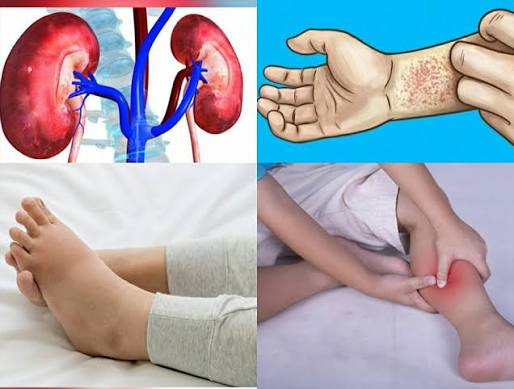
How Diabetes Damages the Kidneys: The Pathophysiology of Diabetic Nephropathy
Diabetic nephropathy — kidney damage caused by diabetes — develops through a specific sequence of pathological changes driven by chronically elevated blood glucose. Understanding this mechanism helps explain why blood sugar control is so important and why certain medications are particularly effective at kidney protection. Glomerular hyperfiltration: in early diabetes, elevated blood glucose increases blood flow to the kidneys and causes glomerular hyperfiltration — the glomeruli (filtering units) work at higher-than-normal capacity, producing an abnormally high eGFR. This initial phase is often asymptomatic and may even appear protective on standard lab tests, but the increased pressure and flow is actually damaging the delicate filtering structures. Glomerular basement membrane thickening and mesangial expansion: chronic hyperglycemia causes structural changes in the glomerulus — thickening of the glomerular basement membrane and expansion of the mesangial matrix (the structural scaffold between glomerular capillaries). These changes narrow the filtering capillaries and reduce their effective surface area, gradually impairing filtration. Microalbuminuria: as glomerular damage progresses, the selective protein barrier of the glomerulus becomes leaky — small amounts of albumin begin appearing in the urine. Microalbuminuria (urine albumin-to-creatinine ratio 30–300 mg/g) is typically the first detectable sign of diabetic nephropathy and can appear 5–10 years after diabetes onset in type 1 diabetes, or at or shortly after diagnosis in type 2 diabetes (because type 2 is often present for years before diagnosis). Macroalbuminuria and progressive eGFR decline: without effective intervention, microalbuminuria progresses to macroalbuminuria (UACR above 300 mg/g), and eGFR begins to decline. At this stage, diabetic nephropathy is established and the primary goals shift from prevention to slowing progression. The rate of eGFR decline in untreated diabetic nephropathy averages 10–15 mL/min per year — reaching kidney failure within 5–10 years after macroalbuminuria develops. Interstitial fibrosis and tubular atrophy: in advanced diabetic nephropathy, inflammation and fibrosis spread beyond the glomerulus to the renal interstitium and tubules, causing progressive loss of functional kidney tissue. This “tubulointerstitial disease” is now recognized as a major determinant of CKD progression rate, potentially even more important than glomerular pathology alone. Hypertension as an amplifier: high blood pressure is both a consequence and a driver of diabetic nephropathy — it increases intraglomerular pressure, accelerates glomerular damage, and dramatically speeds the decline of eGFR. Controlling blood pressure in diabetic kidney disease is among the most powerful interventions available. The NIDDK provides comprehensive patient information on diabetic kidney disease at the NIDDK diabetic kidney disease page.
Detecting Kidney Disease Early in People With Diabetes
Diabetic kidney disease can be present and advancing for years before symptoms appear — and the window for the most effective intervention is early, when albuminuria is in the microalbuminuria range and eGFR is still normal or mildly reduced. Annual screening with two simple tests is therefore standard of care for all people with diabetes. Urine albumin-to-creatinine ratio (UACR): a spot urine sample (typically first-morning) that measures the ratio of albumin to creatinine in the urine. UACR below 30 mg/g is normal; 30–300 mg/g is microalbuminuria (now called “moderately increased albuminuria” in KDIGO guidelines); above 300 mg/g is macroalbuminuria (“severely increased”). Because UACR can be elevated transiently by exercise, fever, dehydration, or urinary infection, an abnormal result should be confirmed with a repeat test 1–3 months later. Annual UACR testing should begin at type 1 diabetes diagnosis after 5 years of disease, and at type 2 diabetes diagnosis (and annually thereafter). Estimated GFR (eGFR): a blood creatinine test used to calculate estimated kidney filtration rate, age-adjusted. eGFR below 60 mL/min/1.73m² for 3+ months defines CKD; the combination of eGFR and UACR determines CKD stage and risk category. In type 2 diabetes, eGFR should be checked annually even in the absence of albuminuria because some patients develop CKD with normal UACR. Blood pressure and lipids: regular blood pressure monitoring and lipid panel assessment are also essential components of diabetic kidney disease monitoring, since hypertension and dyslipidemia accelerate both CKD progression and cardiovascular risk in this population. Monitoring in advanced CKD with diabetes: as eGFR declines, additional monitoring becomes necessary — including potassium (hyperkalemia risk is amplified in CKD plus RAAS blockade plus diabetes), bicarbonate (metabolic acidosis), hemoglobin (anemia), phosphorus, calcium, PTH, and vitamin D. The frequency of these tests increases as CKD advances. For detailed guidance on what kidney tests measure and their significance, see the article on kidney function tests explained.
Blood Sugar Control and Kidney Protection: Targets and Evidence
Blood glucose control is the foundation of diabetic kidney disease prevention. The landmark Diabetes Control and Complications Trial (DCCT) in type 1 diabetes and the United Kingdom Prospective Diabetes Study (UKPDS) in type 2 diabetes established that intensive glucose control (targeting near-normal HbA1c) dramatically reduces the development and progression of diabetic nephropathy. The protection from early intensive glucose control has been shown to persist for decades — the so-called “metabolic memory” or “legacy effect” — underscoring how important optimal early control is. HbA1c targets in CKD: current guidelines generally target HbA1c around 7% for most people with diabetes, with individualization based on age, comorbidities, risk of hypoglycemia, and life expectancy. In elderly patients or those with advanced CKD, a slightly higher target (7.5–8%) may be appropriate to avoid hypoglycemia, which is dangerous and more common in CKD due to impaired gluconeogenesis and reduced insulin clearance. HbA1c may be less reliable as a marker of average glucose control in advanced CKD because reduced red blood cell survival (anemia) shortens the period over which hemoglobin is glycated — in these patients, fructosamine or continuous glucose monitoring may better reflect actual glucose control. Hypoglycemia risk in CKD: the risk of hypoglycemia is substantially elevated in CKD for multiple reasons: the kidneys contribute to gluconeogenesis (glucose production between meals) and this is impaired in CKD; many glucose-lowering medications require dose adjustment or discontinuation in advanced CKD; and uremia impairs the hormonal counter-regulatory response to low blood sugar. Medication review and dose adjustment as eGFR declines is therefore essential. Metformin and kidney function thresholds: metformin — the first-line oral diabetes medication — is safe down to eGFR approximately 30 mL/min and should be used at reduced dose between eGFR 30–45 with regular monitoring; it is generally discontinued at eGFR below 30 due to risk of lactic acidosis. Regular eGFR monitoring in metformin-treated patients is essential. Patients should also temporarily hold metformin before procedures using iodinated contrast material and during acute illness. The KDIGO guidelines for diabetes management in CKD are at the KDIGO diabetes and CKD guidelines page.

Kidney-Protective Medications for Diabetic Kidney Disease
The past decade has seen major advances in medications that provide direct kidney protection in diabetic kidney disease, beyond what blood sugar control and blood pressure management alone can achieve. Several drug classes now have Level 1A (highest quality) evidence for reducing the risk of kidney failure in people with type 2 diabetes and CKD. ACE inhibitors and ARBs: agents such as lisinopril, ramipril (ACE inhibitors) and losartan, irbesartan (ARBs) reduce intraglomerular pressure by dilating efferent arterioles, decrease albuminuria, and slow CKD progression independently of their blood pressure effects. Major trials — IRMA-2, IDNT, RENAAL — established ARBs as kidney-protective in type 2 diabetic nephropathy; ACE inhibitors have similar evidence in type 1. Guidelines recommend an ACE inhibitor or ARB as first-line antihypertensive therapy for all patients with diabetic kidney disease and albuminuria (UACR above 30 mg/g), regardless of blood pressure level. They should not be combined (dual RAAS blockade). SGLT2 inhibitors: sodium-glucose cotransporter 2 inhibitors — empagliflozin (Jardiance), canagliflozin (Invokana), dapagliflozin (Farxiga) — have emerged as the most important new kidney-protective drug class in diabetes. Landmark trials including CREDENCE (canagliflozin), DAPA-CKD (dapagliflozin), and EMPA-KIDNEY (empagliflozin) demonstrated 30–40% reductions in kidney failure events in patients with diabetic CKD. The mechanism involves reducing intraglomerular hyperfiltration through a tubuloglomerular feedback mechanism (reducing sodium reabsorption in the proximal tubule increases sodium delivery to the macula densa, triggering afferent arteriolar constriction and reducing glomerular pressure), plus anti-inflammatory and anti-fibrotic effects. SGLT2 inhibitors also reduce heart failure hospitalization and cardiovascular death, making them the most impactful dual cardiorenal protective class available. SGLT2 inhibitors can currently be used down to eGFR approximately 20–25 mL/min for kidney-protective purposes (lower than the eGFR threshold for glucose-lowering benefit). Finerenone: a non-steroidal mineralocorticoid receptor antagonist approved for type 2 diabetes with CKD (UACR ≥30 mg/g and eGFR ≥25 mL/min). The FIDELIO-DKD and FIGARO-DKD trials demonstrated reductions in CKD progression events and cardiovascular events. Finerenone is used as a third agent alongside an ACE inhibitor/ARB and SGLT2 inhibitor in patients who remain at high risk. Potassium monitoring (hyperkalemia is the main risk) is required. GLP-1 receptor agonists: agents such as semaglutide (Ozempic/Wegovy) and liraglutide (Victoza) promote weight loss, lower blood pressure, and have demonstrated reductions in cardiovascular events and emerging kidney protection (reduction in albuminuria and slower eGFR decline) in major trials. Semaglutide’s FLOW trial specifically demonstrated kidney-protective effects. GLP-1 agonists do not require dose adjustment for kidney function until very advanced CKD (eGFR below 15 in some cases). The four-pillar approach: optimal management of type 2 diabetic kidney disease with high albuminuria now involves four evidence-based pillars: an ACE inhibitor or ARB, an SGLT2 inhibitor, finerenone (in appropriate patients), and either a GLP-1 agonist or careful glucose-lowering therapy targeting HbA1c near 7%. This combination addresses the multiple pathways through which diabetes damages the kidneys. The NKF resources on diabetic kidney disease are at the NKF kidney health page. The StatPearls diabetic nephropathy reference is at the StatPearls resource.
Lifestyle Interventions for Diabetic Kidney Disease
Pharmacological treatment is essential, but lifestyle interventions remain a critical and often underemphasized component of diabetic kidney disease management. Several lifestyle factors have direct evidence for benefit in people with diabetes and CKD. Dietary sodium restriction: reducing sodium intake to less than 2 grams per day (approximately 5 grams of salt) lowers blood pressure, reduces albuminuria, and enhances the kidney-protective effect of RAAS blockade in diabetic nephropathy. Most people in Western diets consume 3–5 grams of sodium per day, making meaningful dietary reduction both challenging and impactful. The majority of dietary sodium in modern diets comes from processed and restaurant foods, not the salt shaker — focusing on reducing ultra-processed food consumption is more effective than reducing added salt alone. Protein moderation: a moderate protein diet (approximately 0.8 g/kg body weight per day) is recommended in CKD stages 3–5 to reduce the metabolic burden on the kidneys without risking malnutrition. Very high protein intakes (common in some fitness-oriented diets) increase intraglomerular pressure and nitrogen waste load. Weight management: obesity drives insulin resistance, hypertension, and direct glomerular injury (obesity-related glomerulopathy), all of which accelerate diabetic kidney disease. Weight loss of 5–10% in overweight individuals with diabetic kidney disease reduces albuminuria, blood pressure, and HbA1c. Bariatric surgery in eligible patients with morbid obesity has demonstrated substantial kidney-protective effects, including remission of microalbuminuria and stabilization of eGFR in some patients. Physical activity: regular moderate-intensity exercise (150 minutes per week) improves insulin sensitivity, lowers blood pressure, reduces cardiovascular risk, and is associated with slower CKD progression in observational studies. Exercise intensity should be individualized based on cardiovascular status; most patients with CKD, including those at advanced stages, can safely exercise with appropriate guidance. Smoking cessation: smoking independently accelerates diabetic nephropathy progression through endothelial injury and worsening of hypertension; cessation is associated with slowing of albuminuria progression. Every visit with any healthcare provider is an opportunity to offer smoking cessation support to patients who smoke. For practical guidance on slowing kidney disease progression through lifestyle and medical management, see the article on slowing kidney disease progression. Patients with advanced diabetic kidney disease approaching kidney failure can learn more about treatment options in the kidney failure treatment options guide.
Sources: NIDDK Diabetic Kidney Disease · KDIGO Diabetes and CKD · National Kidney Foundation · StatPearls: Nephrology
Managing Kidney Disease and Diabetes Together: What the Care Team Looks Like
People with both diabetes and kidney disease benefit from a care team that spans multiple specialties. Coordinated, proactive management across disciplines is associated with significantly better outcomes than fragmented individual specialist visits. Nephrologist: a kidney specialist who manages CKD progression monitoring, blood pressure to target, RAAS blockade initiation and dose titration, anemia management, electrolyte and mineral metabolism management, and — in advanced CKD — preparation for kidney failure treatment (dialysis or transplant). Referral to a nephrologist is recommended when eGFR falls below 30 mL/min/1.73m² or when there is unexplained rapid eGFR decline, significant proteinuria, or diagnostic uncertainty. Endocrinologist or diabetes care specialist: manages overall glucose control, medication regimen optimization, insulin management in CKD (insulin dosing requires adjustment as eGFR declines because the kidneys contribute to insulin clearance), and hypoglycemia prevention. In advanced CKD, the endocrinologist and nephrologist must communicate closely because glucose-lowering medication safety profiles change dramatically with declining kidney function. Primary care physician: coordinates overall care, manages cardiovascular risk factors, ensures preventive care (vaccinations including hepatitis B for dialysis candidates, influenza, pneumococcal), and acts as the communication hub between specialists. Most of the day-to-day management of stable diabetic CKD occurs in primary care, making a proactive and informed primary care physician essential. Renal dietitian: provides individualized dietary guidance that addresses the often-conflicting dietary requirements of diabetes management (carbohydrate control) and CKD management (protein moderation, potassium and phosphorus restriction in advanced stages, sodium restriction). The dietary needs evolve as CKD advances, making ongoing dietitian engagement, not a one-time consultation, the standard of care. Pharmacist: medication review in diabetic CKD is essential and complex — multiple medications require dose adjustment at specific eGFR thresholds, some should be discontinued at certain stages, and drug interactions (particularly around potassium and the RAAS) need active management. A pharmacist familiar with CKD medication management is a valuable addition to the care team. The NIDDK provides patient guidance on managing diabetes and kidney disease at the NIDDK diabetic kidney disease page.
What Patients With Diabetes and CKD Need to Know: Key Action Items
For patients managing both diabetes and chronic kidney disease, the following action items represent the evidence-based priorities that have the greatest impact on long-term outcomes. Annual UACR and eGFR testing — every year without exception: these two tests are the primary tools for detecting kidney disease early and tracking progression. If they haven’t been done in the past year, request them at the next appointment. Early detection of microalbuminuria is when treatment is most effective. Confirm you are on an ACE inhibitor or ARB if you have albuminuria: if UACR is above 30 mg/g and you are not on an ACE inhibitor or ARB, ask your doctor why not. These are guideline-recommended first-line agents in diabetic nephropathy with albuminuria, and the most common reason patients aren’t on them is that it hasn’t been revisited recently rather than a genuine contraindication. Ask about SGLT2 inhibitor eligibility: if you have type 2 diabetes with CKD (eGFR 25–75 and UACR above 200 mg/g, or at high cardiovascular risk), an SGLT2 inhibitor is strongly indicated by current guidelines. If you are not on one, ask your nephrologist or endocrinologist about it specifically. Monitor your blood pressure at home: target blood pressure in diabetic CKD is typically below 130/80 mmHg. Home blood pressure monitoring provides far more data than clinic measurements — aim for two readings morning and evening, recorded and shared with the care team. Understand your HbA1c target: the target is individualized — approximately 7% for most patients, possibly slightly higher in elderly patients or those with hypoglycemia risk. Ask your care team what your specific target is and whether your current regimen is reliably achieving it. Know your eGFR and UACR trajectory: ask your doctor to show you your eGFR and UACR values over the past 2–3 years and explain whether they are stable, improving, or declining, and at what rate. Understanding the trajectory — not just the current values — helps you grasp the urgency of intervention. For in-depth guidance on the full range of kidney disease management approaches, see the article on slowing kidney disease progression. For comprehensive information on kidney failure treatment if the disease advances, see the kidney failure treatment options guide.
Summary: the combination of diabetes and kidney disease is serious but not inevitable in its worst outcomes. The tools available today — careful blood sugar control, ACE inhibitors or ARBs, SGLT2 inhibitors, finerenone, GLP-1 agonists, blood pressure treatment to target, and meaningful lifestyle changes — can dramatically slow diabetic nephropathy progression and reduce the risk of kidney failure. The keys are early detection (annual UACR and eGFR screening), prompt initiation of evidence-based treatments when microalbuminuria is detected, and consistent long-term monitoring. Patients who are engaged in their care, understand their lab values and treatment goals, and maintain regular contact with a coordinated care team have the best outcomes. The companion article on kidney disease and high blood pressure covers the blood pressure management component of diabetic kidney disease in more detail, as hypertension and diabetes are the two most common causes of CKD and almost always need to be managed together.
I’ve had type 2 diabetes for 12 years and my doctor just told me my UACR came back at 95 mg/g for the second time. I honestly had no idea what that number meant until I read this article. The explanation of the progression from microalbuminuria to macroalbuminuria to eGFR decline gave me a much better sense of where I am and how much time I have to act. I’m now going to ask about starting an SGLT2 inhibitor at my next appointment — I had no idea they were recommended for kidney protection independent of blood sugar control.
My father has had type 2 diabetes for 20 years and was recently diagnosed with stage 3b CKD. He’s been on metformin for years and I was worried it might be causing the kidney problems. The section on metformin and kidney function thresholds clarified that he should be monitored carefully but doesn’t necessarily need to stop it yet at eGFR around 40, though dose adjustment may be needed. The explanation of why HbA1c can be less reliable in CKD was also new to me — I’ll ask his team if they’re using another measure.
Angela, a UACR of 95 mg/g confirmed on two tests is exactly when the most effective intervention window is open — microalbuminuria with likely preserved eGFR is when treatment has the greatest impact. Asking specifically about an SGLT2 inhibitor is the right question: current guidelines strongly recommend it for patients with type 2 diabetes, CKD, and UACR above 200 mg/g, and for those at high cardiovascular risk even at lower UACR. Your doctor may have their own clinical reasoning for the specific threshold, but the question is well worth asking. Thomas, the metformin concern is a common one — at eGFR around 40 (CKD stage 3b), metformin can typically be continued at reduced dose with regular eGFR monitoring, and the specific thresholds (reduce dose at eGFR 30–45, hold at eGFR below 30) are well-established. The HbA1c reliability issue in advanced CKD is real and increasingly recognized — continuous glucose monitoring is one of the better alternatives when eGFR is below 30, and your father’s team may already be factoring this in if they’re experienced with CKD and diabetes.