
Chronic, persistent itching — called pruritus — is one of the most distressing and least discussed symptoms of kidney disease. It is not the ordinary itch from a mosquito bite or dry winter skin. Uremic pruritus, the clinical term for kidney disease–related itch, is generalized, often relentless, typically worse at night, and commonly severe enough to disrupt sleep and significantly erode quality of life. It affects an estimated 25 to 45 percent of hemodialysis patients and a substantial proportion of those with advanced CKD not yet on dialysis — making it one of the most prevalent symptoms in the kidney disease population. Yet it is frequently underreported to medical teams and undertreated, often because patients assume nothing can be done about it.
That assumption has recently become less accurate. In 2021, the U.S. Food and Drug Administration approved the first treatment specifically designed for uremic pruritus — difelikefalin (Korsuva), a kappa-opioid receptor agonist — marking a milestone in the recognition of CKD-associated pruritus as a treatable condition rather than an inevitable burden of kidney failure. This guide explains why kidney disease causes itchy skin, how to distinguish uremic pruritus from the many other causes of itch, and what treatment options are available today.
What Is Uremic Pruritus?
Uremic pruritus — also called CKD-associated pruritus (CKD-aP) — is the generalized itching that occurs as a consequence of kidney disease, particularly in advanced CKD and ESRD. It affects approximately 25 to 45 percent of hemodialysis patients, up to 42 percent of peritoneal dialysis patients, and 20 to 35 percent of people with non-dialysis CKD stages 4 and 5. According to the National Kidney Foundation, it is one of the most common quality-of-life problems in the dialysis population and is frequently associated with sleep disruption — affecting approximately 80 percent of patients with moderate-to-severe uremic pruritus — which compounds the fatigue that kidney disease already produces through anemia and uremia.
Multiple large studies have found that uremic pruritus is independently associated with higher mortality in dialysis patients — not necessarily because the itch itself is dangerous, but because it likely reflects the severity of uremic toxin burden and systemic inflammation that drive both the pruritus and poor outcomes. This association reinforces that uremic pruritus should be investigated and treated rather than normalized or accepted as an unchangeable aspect of kidney failure.
Why Does Kidney Disease Cause Itchy Skin?
The mechanism of uremic pruritus is multifactorial and not fully understood, which is part of why it has been difficult to treat effectively. Several pathways contribute simultaneously:
Uremic toxin accumulation plays a central role. Protein-bound toxins — including indoxyl sulfate and p-cresyl sulfate — and other molecules that accumulate when the kidneys cannot filter effectively sensitize peripheral skin nerves and trigger local and systemic inflammatory responses that generate the sensation of itch.
Opioid receptor imbalance is the mechanism targeted by the newest approved treatment. In uremic pruritus, there is dysregulation of the opioid receptor system in the central and peripheral nervous system: mu-opioid receptors (which promote itch when activated) are upregulated, while kappa-opioid receptors (which suppress itch when activated) are downregulated. This imbalance shifts the system toward itch generation. Difelikefalin, the FDA-approved treatment, is a kappa-opioid agonist that restores this balance by selectively activating kappa receptors without activating mu receptors (and therefore without the addiction and euphoria risks associated with mu-opioid drugs).
Hyperphosphatemia is a major metabolic consequence of CKD. When phosphorus levels in the blood are elevated — because the kidneys can no longer excrete dietary phosphorus efficiently — calcium-phosphate deposits can form in the skin and subcutaneous tissues, generating inflammation and pruritus. Controlling phosphorus through dietary restriction, phosphate binders, and adequate dialysis is a meaningful component of uremic pruritus management.
Dry skin (xerosis) is nearly universal in CKD patients, particularly those on hemodialysis. The eccrine sweat glands and sebaceous glands lose their normal secretory function in uremia, leading to a chronically dry, vulnerable skin surface. Xerosis worsens pruritus by increasing the exposure of skin nerve endings and making the skin more reactive to any stimulus, including uremic toxins. Treating xerosis is the first and most important step in managing uremic pruritus.
Inflammation and mast cell activation contribute through elevated inflammatory cytokines — including IL-2, IL-31, and histamine from mast cells — that directly stimulate itch-generating C-fibers in the skin. Despite the presence of histamine and mast cells in the picture, antihistamines are largely ineffective for uremic pruritus, because the dominant mechanism is not histamine-mediated but rather driven by the opioid imbalance and inflammatory pathways described above. This is a critical clinical point: a patient with uremic pruritus who is prescribed antihistamines (the default reflex for unexplained itch) will typically get little benefit, and the underlying condition will go untreated.
When and Where Uremic Pruritus Occurs
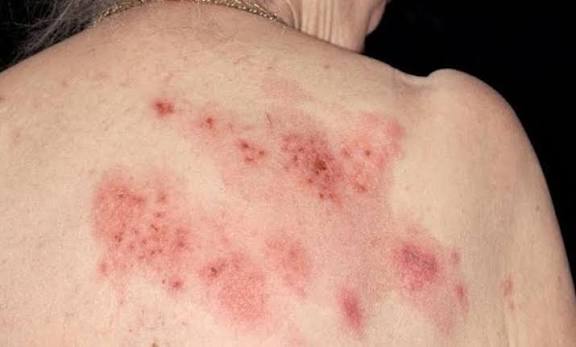
Uremic pruritus is typically widespread rather than localized. The most commonly affected areas are the arms, back, head and scalp, and abdomen; the face is less often involved. The itch is typically described as burning, prickling, or deeply irritating rather than the superficial itch of an insect bite or contact dermatitis. There is usually no primary rash — the skin often looks normal or just dry — but excoriations (scratching marks), lichenification (skin thickening from chronic scratching), and secondary bacterial infections can develop over time as the skin is repeatedly damaged by scratching.
The timing has a characteristic pattern. Uremic pruritus is typically worse at night, often waking patients from sleep. It also tends to worsen in warm conditions — summer months, warm rooms, or after heating — because sweating (or the inability to sweat normally in uremia) triggers or amplifies itch sensations. Hemodialysis patients frequently report that pruritus is worse during or immediately after dialysis sessions, possibly due to the contact between blood and the dialysis membrane, histamine release, or changes in osmolality during the procedure. According to the National Institute of Diabetes and Digestive and Kidney Diseases, uremic pruritus can persist for months to years and represents one of the most chronic and challenging symptom management problems in kidney care.

Distinguishing Uremic Pruritus from Other Causes
Generalized itch has many causes, and determining that the kidneys are the source requires systematically considering and excluding alternatives. The features that point toward uremic pruritus include: generalized distribution without a primary rash; context of CKD stage 4-5 or dialysis dependence; nocturnal predominance; poor or absent response to antihistamines; concurrent symptoms of advanced kidney disease (fatigue, fluid retention, nausea); and elevated phosphorus or PTH on labs.
Allergic and contact dermatitis produce localized, erythematous, itchy skin that follows the distribution of the allergen exposure. Antihistamines and topical steroids provide meaningful relief, which distinguishes them from uremic pruritus.
Atopic dermatitis (eczema) has a characteristic distribution in flexural areas (antecubital and popliteal fossae), a personal or family history of atopy, and responds to emollients and topical corticosteroids. It is also common, and in CKD patients, eczema and uremic pruritus can coexist.
Cholestatic pruritus from liver disease, primary biliary cholangitis, or drug-induced cholestasis is driven by bile salt accumulation and responds to specific treatments (cholestyramine, rifampin, SSRI sertraline) that do not work for uremic pruritus. Jaundice and abnormal liver function tests help distinguish hepatic from renal causes.
Drug reactions should always be considered when pruritus onset follows a new medication, whether it is a recently prescribed drug or a supplement. The temporal relationship to drug initiation is the key clue.
Thyroid disease — both hypothyroidism (causing dry skin and itch) and hyperthyroidism — can produce generalized itch. TSH is a simple screening test that should be included in the evaluation of unexplained generalized pruritus. According to the Mayo Clinic, unexplained generalized itch that persists for more than a few weeks warrants evaluation to determine the underlying cause.
Treating Itchy Skin in Kidney Disease
Skin Moisturization: The Essential First Step
Treating dry skin is the most accessible and universally appropriate first intervention for uremic pruritus. Thick emollients — petroleum jelly (Vaseline), ceramide-containing creams, or thick unscented moisturizing lotions — applied immediately after bathing while the skin is still slightly damp create a protective barrier that reduces transepidermal water loss and decreases the nerve exposure that worsens itch. Patients should avoid harsh soaps; pH-neutral or soap-free cleansers are preferred. Bathing in lukewarm rather than hot water prevents further stripping of skin oils.
Topical Medications
For localized areas of severe uremic pruritus, several topical agents have evidence of benefit. Capsaicin cream (0.025 to 0.075 percent) depletes substance P from peripheral skin nerve fibers, reducing the itch signal over time. An initial burning sensation during the first few applications often limits compliance but typically improves with continued use. Tacrolimus ointment (0.1 percent), a topical calcineurin inhibitor, reduces local immune activation and has evidence for localized uremic pruritus. Pramoxine lotion, a local anesthetic, provides modest symptomatic relief. Topical corticosteroids are not effective for uremic pruritus unless concurrent eczema or contact dermatitis is present.
Gabapentin and Pregabalin
Gabapentin and pregabalin reduce neurogenic itch by modulating calcium channel activity in sensory nerves. Multiple small clinical trials have shown significant improvement in uremic pruritus severity with gabapentin. However, both agents accumulate significantly in CKD and carry substantial risk of dose-related central nervous system toxicity — dizziness, drowsiness, confusion, and encephalopathy — in patients with impaired kidney function. Gabapentin is removed by hemodialysis, so the standard approach in HD patients is to dose after the dialysis session to reduce accumulation. Dose must be carefully adjusted for level of kidney function and dialysis adequacy.
Difelikefalin: The First FDA-Approved Treatment
In August 2021, difelikefalin (brand name Korsuva) received FDA approval specifically for moderate-to-severe CKD-associated pruritus in adults on hemodialysis — the first drug approved for this indication. It is a peripherally restricted kappa-opioid receptor agonist administered intravenously after each hemodialysis session. In the pivotal KALM-1 and KALM-2 trials, difelikefalin significantly reduced pruritus severity (measured by the Worst Itch Numeric Rating Scale) compared to placebo, with a favorable safety profile. Because it is peripherally restricted and does not cross the blood-brain barrier significantly, it does not produce the central opioid effects of addiction, euphoria, or sedation associated with mu-opioid drugs. It is currently approved only for hemodialysis patients; its use in non-dialysis CKD and peritoneal dialysis patients is under study.
Narrowband UVB Phototherapy
Narrowband UVB (NB-UVB) phototherapy — delivered three times weekly at a dermatology center — is an effective treatment for widespread uremic pruritus. It works by reducing mast cell density in the skin, decreasing inflammatory mediators, and modulating the local immune response. A course of therapy typically requires 6 to 12 weeks before full benefit is apparent. NB-UVB is an option for patients with widespread, severe pruritus who have not responded adequately to topical treatments or gabapentin.
Dialysis Optimization and Phosphorus Control
Adequate dialysis dose (Kt/V ≥1.2) reduces the overall uremic toxin burden and may reduce pruritus severity. High-flux dialysis membranes, which are more effective at clearing middle-molecular-weight uremic toxins than standard low-flux membranes, are associated with lower pruritus burden. Controlling hyperphosphatemia through dietary phosphorus restriction (limiting processed foods, dairy, and high-phosphorus additives), consistent use of phosphate binders, and adequate dialysis also contributes meaningfully to pruritus management. The guide on kidney health numbers every adult should know includes phosphorus among the key values to monitor and understand in CKD management.
When to Seek Medical Evaluation for Kidney Disease Itch
Any persistent generalized itch that does not have an obvious allergic or dermatological explanation warrants evaluation, including checking kidney function if it has not been recently assessed. In a person already known to have CKD, uremic pruritus that is affecting sleep, causing secondary skin infections from scratching, or significantly limiting quality of life should be raised explicitly with the nephrology team — not simply accepted as part of having kidney disease.
Secondary skin infections from chronic scratching — particularly impetigo and cellulitis in dialysis patients, who may already be immunocompromised — require prompt antibiotic treatment and attention to the fact that the underlying pruritus is not being adequately controlled. Reporting the severity of itch, its effect on sleep, and what treatments have and have not been tried gives the care team the information needed to move toward more effective options including difelikefalin for eligible patients.
The broader context of managing the symptom burden of advanced kidney disease — including pruritus alongside fatigue, nausea, and fluid-related swelling — is covered in the companion articles on fatigue and kidney disease, nausea and kidney problems, and swollen feet and kidney problems. The foundational overview of how CKD progresses and what the stages of kidney disease mean is at the article on what is chronic kidney disease.
Frequently Asked Questions
Is itchy skin a sign of kidney failure?
Uremic pruritus is most common in advanced CKD (stages 4-5) and in patients on dialysis, but it can occur in any stage where uremic toxins are not adequately cleared. Generalized, persistent itch with no obvious dermatological cause in someone with known kidney disease is a symptom worth investigating and treating. In someone with no known kidney history, persistent generalized itch is a reason to check kidney function with a basic metabolic panel and urine dipstick.
Why do antihistamines not help with kidney disease itch?
Uremic pruritus is not primarily driven by histamine. Its main mechanisms are uremic toxin–mediated nerve sensitization and an imbalance in the opioid receptor system — not the mast cell histamine release that antihistamines block. Because the mechanism is different from allergic itch, antihistamines (diphenhydramine, cetirizine, loratadine) provide little benefit for uremic pruritus and should not be relied upon as primary treatment. The mild sedation of older antihistamines may provide marginal sleep benefit but does not address the itch mechanism itself.
What is difelikefalin and how does it work?
Difelikefalin (Korsuva) is a kappa-opioid receptor agonist that received FDA approval in 2021 specifically for moderate-to-severe uremic pruritus in hemodialysis patients. It is given intravenously after each dialysis session. It works by selectively activating kappa-opioid receptors — which suppress itch signaling — without activating mu-opioid receptors, so it does not carry the addiction or euphoria risks of traditional opioids. It significantly reduced pruritus severity compared to placebo in two large clinical trials (KALM-1 and KALM-2).
Can improving phosphorus control reduce kidney disease itch?
Yes. Hyperphosphatemia — elevated blood phosphorus — contributes to uremic pruritus through calcium-phosphate deposits in the skin and systemic nerve sensitization. Dietary phosphorus restriction, consistent use of phosphate binders (taken with meals), and adequate dialysis to remove phosphorus can reduce both phosphorus levels and the severity of pruritus in some patients. Phosphorus control is also important for bone health and cardiovascular risk in CKD, making it a multi-benefit intervention.
Why is uremic pruritus worse at night?
Several factors contribute to nocturnal worsening. Body temperature rises slightly during sleep, which may amplify itch signaling. Reduced daytime distractions make the sensation of itch more prominent in the quiet of night. Uremic toxin levels may be relatively higher overnight if the last dialysis session was the previous day. The body’s natural anti-inflammatory cortisol levels are lower at night, allowing inflammatory mediators that drive pruritus to be relatively more active. Treating the pruritus effectively — particularly with approaches like difelikefalin or gabapentin (if appropriate for kidney function) — is most meaningful when it restores the ability to sleep through the night.
Uremic Pruritus in Special Populations
Older Adults with CKD
Older adults with CKD are at compounded risk for uremic pruritus for several reasons. Skin naturally becomes drier and thinner with age — the sebaceous and sweat glands already produce less with normal aging — and uremia accelerates this process dramatically. Older patients are also more likely to be on multiple medications, some of which can contribute to or worsen pruritus (antihistamines prescribed for sleep may even reduce sweating and worsen xerosis). The clinical assessment of itch severity in older adults requires deliberate questioning, as many patients in this group have learned not to report symptoms that they do not believe will be addressed. Using a validated tool such as the 5-D Itch Scale or the Worst Itch Numeric Rating Scale at each dialysis visit creates a consistent record of symptom burden and enables comparison over time.
Gabapentin requires even greater caution in older dialysis patients due to the additive cognitive effects of uremia, gabapentin accumulation, and age-related reduction in drug clearance. Falls risk from gabapentin-associated dizziness is a particular concern. Difelikefalin, by contrast, does not appear to carry excess sedation or fall risk in the older HD population based on the KALM trial subgroup data, making it a preferred option for eligible older patients.
Patients on Peritoneal Dialysis
Peritoneal dialysis (PD) patients experience uremic pruritus at rates similar to or slightly lower than hemodialysis patients. Because PD provides more continuous, around-the-clock solute removal rather than the intermittent clearance of in-center HD, some PD patients achieve better overall uremic toxin control — which may partly explain modestly lower pruritus rates in some cohorts. However, PD does not specifically target the protein-bound toxins (indoxyl sulfate, p-cresyl sulfate) thought to contribute most directly to uremic pruritus, because these are not cleared efficiently by peritoneal membrane transport. Difelikefalin is currently approved only for hemodialysis patients; PD patients with severe refractory pruritus have fewer pharmacological options and may be candidates for NB-UVB phototherapy, gabapentin (with appropriate dose adjustment), or topical regimens.
Kidney Transplant Recipients
Uremic pruritus typically resolves after successful kidney transplantation once the uremic toxin burden clears — often within weeks of transplant as kidney function restores. This resolution is one of the most meaningful quality-of-life improvements transplant recipients report in the early post-transplant period. However, some immunosuppressive medications used after transplant — particularly calcineurin inhibitors like tacrolimus and cyclosporine — can cause itch through different mechanisms. New-onset generalized itch in a transplant recipient on a stable immunosuppressive regimen warrants evaluation for drug reaction, cholestatic changes (cyclosporine can cause cholestasis), or, if kidney function has declined, recurrent uremic pruritus.
Talking to Your Care Team About Uremic Pruritus
One of the most consistent findings in uremic pruritus research is that patients underreport the symptom and clinicians underask about it. In studies where itch severity is measured systematically using validated scales, pruritus burden is consistently higher than what spontaneous patient reporting to providers would suggest. Part of this reflects a learned resignation — patients who have lived with itching for months or years may not think of it as a reportable symptom, particularly if a previous provider responded with a shrug or a recommendation to apply lotion. Part of it reflects that dialysis appointments are consumed by the clinical tasks of monitoring fluid status, blood pressure, anemia, and dialysis adequacy, with little time left for quality-of-life symptoms.
Naming the symptom specifically — using the words “uremic pruritus” or “CKD-associated pruritus” — and quantifying its severity (a 0-to-10 worst-itch rating over the past week) helps the medical team recognize it as a treatable condition rather than an incidental complaint. Asking specifically about difelikefalin — whether it is available at the dialysis center, what the eligibility criteria are, and whether the pruritus severity is sufficient to warrant a trial — is entirely appropriate for patients who have not responded to topical measures. Being an active participant in communicating symptom burden is one of the most impactful things a person with kidney disease can do to improve their quality of life during dialysis. Further context on the full range of symptoms that accumulate in advanced kidney disease is at the guide on what is chronic kidney disease, and a detailed overview of the numbers your care team monitors is at kidney health numbers every adult should know.
Sources: National Kidney Foundation — Itchy Skin (Pruritus) and Kidney Disease; NIDDK — CKD Overview; Mayo Clinic — Itching Causes; FDA — Novel Drug Approvals 2021; KALM-1 and KALM-2 trials, NEJM 2020; NB-UVB phototherapy — published dermatology trials
I shared this article on itchy skin and kidney disease with my doctor and they appreciated the level of detail. I appreciated how the article addressed both the clinical side and the practical adjustments. I wish I had found this article earlier — would have saved a lot of confusion.
This is one of the clearest explanations of itchy skin and kidney disease I have found. I appreciate that the article is careful about distinguishing between what is known and what is still being researched. Forwarding this to others in my support group who are dealing with similar issues.
Bookmarked this article on itchy skin and kidney disease immediately — going to reference it regularly. The specific numbers and thresholds mentioned are exactly what I needed to understand my results. This is exactly why I prefer this website over generic health platforms.