
Interstitial Cystitis: A Simple Guide to Symptoms, Diagnosis, and Treatment
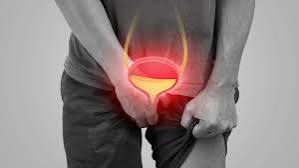
Interstitial cystitis/bladder pain syndrome (IC/BPS) is a chronic condition of the bladder characterized by persistent pelvic pain, pressure, or discomfort perceived as arising from the bladder, accompanied by at least one urinary symptom — urgency or frequency — in the absence of infection or another identifiable cause. It affects an estimated 3 to 8 million women and 1 to 4 million men in the United States, though significant underdiagnosis means these figures likely underestimate the true prevalence. The condition is associated with a diagnostic delay of 4 to 7 years on average from symptom onset to confirmed diagnosis, during which time patients typically undergo repeated antibiotic courses for “negative culture UTIs,” see multiple specialists across urology, gynecology, and gastroenterology, and experience progressive deterioration in quality of life, sleep, work productivity, sexual function, and mental health. Understanding what interstitial cystitis actually is — its hallmark symptoms, how it is diagnosed, what drives it, and the range of available treatments — is the foundation for patients to navigate the healthcare system more effectively and receive appropriate care without unnecessary delay.
IC/BPS is classified as a chronic urological pain condition rather than an inflammatory or infectious disease, though inflammation of the bladder wall is present in a subset of patients. Its defining feature — pain perceived as bladder-origin that worsens with bladder filling and improves, at least partially, with voiding — is what distinguishes it from overactive bladder (which produces urgency without consistent fill-dependent pain) and from recurrent UTI (which produces acute, self-limited symptoms that resolve with antibiotics). IC/BPS is a diagnosis of exclusion: the diagnosis is made after urinary tract infection, bladder cancer, bladder stones, radiation cystitis, and other structural causes have been excluded by appropriate investigation.
Symptoms of Interstitial Cystitis
The symptom complex of IC/BPS centers on pelvic pain — felt in the suprapubic region (lower abdomen), the urethra, the vagina, the perineum, the inner thighs, or the lower back — that is characteristically linked to bladder filling and voiding. Pain worsens as the bladder fills and is at its worst with maximal bladder fullness; voiding typically provides at least partial relief, though pain may persist at a lower level between voids. This fill-void pain cycle is the clinical signature of IC/BPS and is the primary feature that distinguishes it from other pelvic pain conditions. Not all IC/BPS patients have severe pain — some have predominantly pressure or discomfort rather than frank pain — and the symptom pattern varies significantly between patients, between flare periods and remission periods in the same patient, and over the disease course.
Urinary urgency and frequency in IC/BPS are driven not by involuntary detrusor contractions (as in OAB) but by pain: the patient voids frequently to keep the bladder at low volumes and thereby minimize pain. Frequency can be extreme — voiding every 20 to 30 minutes or more in severe cases, both day and night. Unlike OAB urgency, IC/BPS urgency is driven by the anticipation of pain rather than a detrusor contraction, and many IC/BPS patients describe the urge as a desire to void to relieve pain rather than a fear of leaking. Bladder capacity is typically markedly reduced on cystoscopy under anesthesia in IC/BPS patients — functional capacities below 200 to 300 mL are common in severe cases, compared to the normal 400 to 600 mL. Nocturia is nearly universal in IC/BPS and is often one of the most sleep-disrupting symptoms. Dyspareunia (pain during sexual intercourse) is common in women with IC/BPS, arising from bladder inflammation aggravated by penetration and from the pelvic floor hypertonicity that commonly accompanies IC/BPS; sexual activity is one of the most commonly reported symptom triggers and significantly impacts relationships and quality of life. Symptom flares — acute worsening of pain and urinary symptoms lasting hours to days — are triggered in most patients by dietary factors (acidic foods, caffeine, alcohol), stress, sexual activity, menstruation, vigorous physical activity, and urinary tract infections; recognizing and modifying these triggers is a central component of IC/BPS self-management.
What Causes Interstitial Cystitis?
The pathophysiology of IC/BPS is incompletely understood and likely heterogeneous — different patients may have different underlying mechanisms producing a similar symptom pattern. The most widely supported mechanistic framework is the “leaky urothelium” hypothesis: the protective glycosaminoglycan (GAG) layer that normally lines the urothelium (bladder lining) and prevents urinary solutes from penetrating the epithelium is defective or deficient in IC/BPS. When urinary toxins, potassium, and other solutes penetrate through the damaged urothelium into the underlying submucosa — which contains a rich supply of sensory nerves and mast cells — they trigger mast cell degranulation, neurogenic inflammation, and afferent nerve sensitization that produce the pain, urgency, and frequency of IC/BPS. Evidence supporting this hypothesis includes: the effectiveness of intravesical GAG layer replacement therapies (heparin, pentosan polysulfate sodium), the positive response to the potassium sensitivity test in many IC/BPS patients (instillation of a potassium chloride solution into the bladder reproduces symptoms in IC/BPS patients but not in healthy controls), and the finding of urothelial defects on electron microscopy in IC/BPS bladder biopsies.
A distinct subtype of IC/BPS — affecting approximately 5 to 10% of IC/BPS patients — is characterized by Hunner lesions: inflammatory ulcerative lesions of the bladder wall visible on cystoscopy under anesthesia as reddish, star-shaped mucosal disruptions surrounded by radiating vessels. Hunner lesion IC/BPS is considered a distinct inflammatory disease process (rather than a urothelial permeability disorder), responds better to specific treatments including laser fulguration or injection of the lesions with triamcinolone, and tends to run a more severe course. The majority of IC/BPS patients (non-Hunner lesion IC/BPS) have cystoscopic findings of petechial hemorrhages (glomerulations) on distension under anesthesia — considered a diagnostic finding though not specific to IC/BPS — or a normal-appearing bladder on cystoscopy despite significant symptoms. Mast cell activation, neurogenic inflammation, central pain sensitization, and pelvic floor muscle dysfunction all contribute to the perpetuation and amplification of IC/BPS symptoms over time, explaining why established IC/BPS often has a pain component that exceeds what can be explained by the bladder findings alone.
How Is Interstitial Cystitis Diagnosed?
IC/BPS is a clinical diagnosis — there is no single definitive diagnostic test, and the diagnosis is made on the basis of characteristic symptoms combined with exclusion of other conditions that could explain those symptoms. The basic evaluation includes urinalysis and urine culture (to exclude active UTI), urine cytology (to exclude urothelial malignancy in patients with risk factors), post-void residual measurement (to exclude significant urinary retention), and a voiding diary to document the frequency, volume, and pain pattern. The O’Leary-Sant ICSI/ICPI symptom questionnaire — a validated patient-reported outcome instrument measuring urinary symptom index and problem index — is widely used to characterize symptom severity at baseline and track response to treatment. Cystoscopy under anesthesia with hydrodistension is performed when the diagnosis is uncertain, when Hunner lesions are suspected (cystoscopy is the only way to identify and treat Hunner lesions), or when the cystoscopic findings will change management. Bladder biopsies during cystoscopy exclude other diagnoses (bladder cancer, carcinoma in situ) and may confirm the presence of increased submucosal mast cells or urothelial abnormalities consistent with IC/BPS.
Treatment: A Multimodal Approach
IC/BPS management is multimodal — no single treatment is effective for all patients, and the best outcomes are achieved by combining behavioral, physical, pharmacological, and where necessary procedural interventions targeting the multiple contributing mechanisms. The AUA IC/BPS guideline organizes treatment into five lines, starting from the least invasive and advancing to more complex interventions for patients who do not respond to earlier lines.
First-line behavioral interventions include IC diet modification (eliminating dietary triggers — acidic foods, caffeine, alcohol, carbonated beverages, artificial sweeteners, spicy foods), stress management (stress is a reliable flare trigger and stress reduction demonstrably reduces IC/BPS symptom severity), patient education about the chronic and fluctuating nature of the condition, and bladder training. Second-line treatments add pelvic floor physical therapy (for the pelvic floor muscle dysfunction component of IC/BPS pain — the most evidence-based second-line intervention), oral pharmacotherapy (amitriptyline — a tricyclic antidepressant that reduces bladder pain and urgency through central and peripheral mechanisms; hydroxyzine — an antihistamine that reduces mast cell-driven symptoms; cimetidine — an H2 blocker with demonstrated IC/BPS symptom reduction; oral pentosan polysulfate sodium — theoretically replenishes the GAG layer, though efficacy evidence is mixed and the drug carries a risk of retinal pigment epitheliopathy with long-term use), and intravesical instillations (heparin, lidocaine, sodium bicarbonate, or combined “cocktails” instilled directly into the bladder to temporarily reduce urothelial permeability and local inflammation). Third-line treatment is cystoscopy under anesthesia with hydrodistension — distension of the bladder under anesthesia to capacity produces temporary symptom improvement in 30 to 50% of patients, lasting weeks to months, through a mechanism possibly involving disruption of sensory nerve fibers. Fourth-line options include sacral neuromodulation (InterStim), which modulates the sacral nerve roots controlling bladder sensation and has demonstrated benefit for IC/BPS pain and urinary symptoms; and intradetrusor botulinum toxin injection. Cyclosporine A (an immunosuppressive agent) is fifth-line for severe refractory non-Hunner IC/BPS with careful monitoring for renal toxicity. Cystectomy (bladder removal) is reserved for the most extreme refractory cases and is approached with caution because pain may persist after cystectomy in patients with significant central sensitization. For patients with Hunner lesions, fulguration or corticosteroid injection of the lesions (performed at cystoscopy) is inserted into the treatment algorithm at the second or third line because of the high response rate specifically for this subtype.
The AUA IC/BPS clinical guidelines provide the authoritative five-line treatment framework used in clinical practice. The NIDDK interstitial cystitis resource offers accessible patient-facing information on symptoms, diagnosis, and available treatments. The StatPearls IC/BPS review provides a comprehensive clinical evidence base. For patients managing concurrent bladder symptoms beyond IC/BPS, the bladder pain causes guide on Horizon Health Guide covers the full differential diagnosis of bladder pain, and the overactive bladder guide addresses the urgency and frequency component that frequently overlaps with IC/BPS symptoms.
Sources: AUA IC/BPS Guidelines · NIDDK — Interstitial Cystitis · StatPearls — IC/BPS
IC/BPS and Pelvic Floor Dysfunction
Pelvic floor muscle dysfunction — specifically pelvic floor hypertonicity (elevated resting muscle tone) and myofascial trigger points in the levator ani, obturator internus, and piriformis muscles — is present in a large proportion of IC/BPS patients and is a major contributor to the pain burden that extends beyond what the cystoscopic findings alone would predict. The pelvic floor becomes hypertonic as a guarding response to chronic bladder pain: the body’s natural protective response to visceral pain is to contract the surrounding musculature, and in IC/BPS this creates a vicious cycle in which pelvic floor tension amplifies bladder pain, which further increases pelvic floor tension, which reduces bladder capacity and worsens urgency. Pelvic floor physical therapy — performed by a physiotherapist specifically trained in pelvic health — is the most evidence-based second-line IC/BPS treatment and addresses the myofascial component through manual therapy (trigger point release, connective tissue mobilization), biofeedback to teach pelvic floor relaxation, and a home exercise program focused on stretching and down-training the hypertonic pelvic floor rather than the strengthening exercises used for stress incontinence.
The distinction between down-training (relaxation-focused physical therapy for IC/BPS) and up-training (strengthening-focused physical therapy for stress incontinence) is clinically important: patients who receive Kegel-type strengthening exercises for IC/BPS may worsen their symptoms, because increasing resting tone in an already hypertonic pelvic floor amplifies the pain cycle. A skilled pelvic floor physiotherapist will assess the resting muscle tone before prescribing any exercise program and will tailor the approach to the individual patient’s findings. Trigger point release — sustained manual pressure applied to tender pelvic floor muscle trigger points until the tension releases — can produce rapid reductions in pelvic pain intensity and is often the most immediately effective single intervention in the physical therapy program. Internal myofascial release (performed with a gloved hand intravaginally or intrarectally) provides the most direct access to the deep pelvic floor muscles and is the standard approach in experienced pelvic floor physiotherapy practices; external trigger point work at the perineum and inner thighs addresses more accessible but less deep muscle structures. Patients who find initial internal techniques too uncomfortable can begin with external work and advance to internal techniques as their pain threshold and trust in the therapeutic relationship improves. Most IC/BPS patients benefit from 8 to 16 pelvic floor physical therapy sessions, with ongoing home stretching and relaxation practice between sessions; significant symptom improvement typically begins after 4 to 6 sessions in patients who respond to this approach.
Living With IC/BPS: Mental Health and Coping
The psychological burden of interstitial cystitis/bladder pain syndrome is substantial and deserves as much clinical attention as the physical symptoms. Depression affects 40 to 60% of IC/BPS patients, anxiety is similarly prevalent, and post-traumatic stress disorder — arising from the experience of chronic pain, multiple medical encounters, and perceived dismissal by healthcare providers during the diagnostic odyssey — has been documented in this population at rates significantly higher than the general population. The chronicity of IC/BPS, the unpredictability of flares, the impact on sexual function and intimate relationships, the social limitations imposed by frequent urination and avoidance of trigger foods, the occupational difficulties from pain and frequency, and the ongoing uncertainty about treatment response all contribute to a chronic stress burden that is itself a driver of IC/BPS flares through the well-documented relationship between psychological stress and bladder pain amplification.
Effective psychological support for IC/BPS patients includes cognitive-behavioral therapy (CBT) for pain catastrophizing and the maladaptive thought patterns that amplify chronic pain experience, mindfulness-based stress reduction (MBSR) which has demonstrated modest but meaningful benefits for IC/BPS pain intensity and quality of life in clinical trials, and peer support through IC patient communities (the Interstitial Cystitis Association patient network and IC Network are the primary US resources). Pain psychology consultation is particularly valuable for patients with severe pain catastrophizing — a cognitive pattern defined by magnification, rumination, and helplessness in relation to pain — which is the strongest psychological predictor of poor IC/BPS treatment outcomes and a target of specific psychological interventions. Addressing the psychological dimensions of IC/BPS is not merely supportive care; it is a mechanistically rational component of multimodal treatment, because central sensitization (the process by which the central nervous system amplifies pain signaling) is perpetuated by stress, sleep deprivation, and maladaptive pain cognitions, all of which worsen in untreated psychological distress. The bladder pain causes guide on Horizon Health Guide covers the differential diagnosis of chronic bladder pain, including IC/BPS within the broader context of conditions that can produce pelvic pain and bladder symptoms.
IC/BPS in Men: Chronic Prostatitis and Bladder Pain Syndrome
Interstitial cystitis/bladder pain syndrome in men is less commonly diagnosed than in women — both because it is genuinely less prevalent and because it is frequently misclassified as chronic prostatitis or chronic pelvic pain syndrome (CP/CPPS). The symptomatic overlap between male IC/BPS and CP/CPPS is substantial: both produce pelvic pain, perineal discomfort, urgency, and frequency in the absence of demonstrable infection, and the diagnostic and mechanistic distinction between them is not always clear. Some urologists regard IC/BPS and CP/CPPS as part of the same chronic pelvic pain spectrum, differing primarily in the anatomical emphasis of symptoms (bladder-predominant vs. prostate/perineum-predominant). Management of both conditions follows similar multimodal principles: dietary modification, pelvic floor physical therapy, alpha-blockers for urinary outlet symptoms, pain medications, and where necessary advanced interventional options including sacral neuromodulation.
Men with suspected IC/BPS or CP/CPPS should have a standard lower urinary tract evaluation including urinalysis, urine culture, expressed prostatic secretions analysis, post-void residual measurement, and cystoscopy when hematuria is present or the diagnosis is uncertain. The National Institutes of Health Chronic Prostatitis Symptom Index (NIH-CPSI) is used to quantify symptom severity in men with chronic pelvic pain and is a useful baseline and follow-up assessment tool. Men with a clear bladder-pain predominant symptom pattern — particularly with fill-dependent pain that improves after voiding — should be evaluated for IC/BPS with cystoscopy under anesthesia to exclude Hunner lesions and other bladder pathology. The bladder-specific treatments that form the IC/BPS therapeutic ladder (intravesical instillations, hydrodistension, botulinum toxin) are applicable to men with IC/BPS just as they are to women, and should be considered in men whose symptoms do not respond to standard CP/CPPS management. Understanding that male pelvic pain is not automatically prostatitis — and that IC/BPS exists in men and requires its own diagnostic and therapeutic approach — is an important conceptual shift that improves outcomes in a population that is frequently undertreated because their diagnosis is delayed or incorrect.
Navigating the Healthcare System With IC/BPS
Patients with IC/BPS face unique challenges in navigating the healthcare system, largely because the condition is not well known outside of specialist urology and urogynecology practices, is frequently misidentified as recurrent UTI or OAB in primary care settings, and lacks the single definitive diagnostic test that would streamline evaluation. Several practical strategies can help IC/BPS patients receive timely and appropriate care. Tracking symptoms systematically — using a voiding diary and the O’Leary-Sant symptom questionnaire — provides objective documentation of symptom severity, fill-dependent pain, and voiding frequency that supports the IC/BPS diagnosis and gives the clinician the data needed to characterize the condition at the first consultation. Explicitly raising the possibility of IC/BPS in the clinical consultation (“I’ve read about interstitial cystitis — could my symptoms fit this diagnosis?”) helps direct the evaluation toward appropriate specialist referral. Requesting referral to a urologist or urogynecologist with a specific interest in IC/BPS or chronic pelvic pain provides access to the expertise needed for proper diagnosis and the full treatment algorithm.
Understanding that IC/BPS is a chronic, fluctuating condition — not a curable acute illness — sets realistic expectations and helps patients engage with long-term management strategies rather than expecting complete resolution with initial treatment. Most IC/BPS patients have periods of reduced symptoms (remission) and periods of increased symptoms (flares) rather than a linear course, and treatment success is defined as achieving more frequent, longer, and less severe remissions rather than permanent cure. The IC community — through organizations like the Interstitial Cystitis Association and IC Network — provides peer support, dietary guidance, and advocacy resources that complement clinical care and help patients find community with others navigating the same diagnostic and treatment challenges. For patients whose IC/BPS symptoms include significant urgency and frequency overlapping with OAB, the overactive bladder guide on Horizon Health Guide provides complementary information on the urgency symptom complex, and the frequent nighttime urination guide covers the nocturia component that commonly accompanies IC/BPS.
I was diagnosed with IC after 5 years and 17 UTI treatment courses, all with negative cultures. What strikes me reading this is the validation of the ‘leaky urothelium’ explanation — I’ve always felt instinctively that something was wrong with the bladder lining, not that I had an infection. The section on pelvic floor down-training versus Kegel strengthening is information I wish I’d had 3 years ago. My GP sent me to a physiotherapist who gave me a Kegel program that made my symptoms significantly worse over about 6 weeks. It wasn’t until I specifically found a pelvic floor physiotherapist with IC experience who explained that my pelvic floor was already too tight that things started to improve.
An accurate and patient-accessible summary of IC/BPS pathophysiology and management. The five-line AUA treatment framework is well-described, and the emphasis on pelvic floor physical therapy as second-line rather than an afterthought is consistent with current evidence. The distinction between Hunner lesion IC/BPS and non-Hunner IC/BPS is important for patients to understand because it explains why cystoscopy under anesthesia changes management rather than just confirming diagnosis — finding and fulgulating Hunner lesions produces improvement specifically for that lesion-positive subgroup that general bladder instillations do not achieve. I’d also add that the pentosan polysulfate retinal toxicity concern (pigment maculopathy) means ophthalmological monitoring is now recommended for patients who have taken the drug for more than two years.
Dr. Vance, thank you for adding the pentosan polysulfate retinal toxicity monitoring point — this is an important safety consideration for long-term users that is not always communicated at the time of prescription, particularly for patients who started the medication before the pigment maculopathy association was widely publicized. Patients who have taken pentosan polysulfate for more than two years should discuss ophthalmological monitoring with their prescribing physician. Vanessa, the Kegel-worsened-IC story is unfortunately one of the most common adverse outcomes from non-specialist physiotherapy referral for IC/BPS, and your observation that hypertonic pelvic floor muscles respond to down-training rather than strengthening is exactly the mechanistic insight that distinguishes effective pelvic floor PT for IC from the generic Kegel instruction that benefits stress incontinence.