

Kidney failure is the point at which the kidneys can no longer perform their essential functions well enough to sustain the body without external support. In the United States, more than 800,000 people are living with kidney failure — on dialysis or with a functioning transplant — and approximately 130,000 new cases are diagnosed each year. Despite these numbers, kidney failure remains widely misunderstood: how it develops, what symptoms it causes, and what treatment options are available. For patients and their families navigating this diagnosis, clarity about these questions is not academic — it is the foundation of every treatment decision that follows. This guide addresses what kidney failure means medically, the conditions most likely to cause it, the symptoms to recognize, how it is diagnosed, and the treatment paths that exist.
What Kidney Failure Means
Kidney failure is defined medically by an estimated glomerular filtration rate (eGFR) below 15 ml/min/1.73m². The eGFR measures how much blood the kidneys filter each minute, adjusted for body size. At kidney failure eGFR levels, the filtration capacity is so reduced that the kidneys can no longer clear the waste products, excess fluid, and electrolytes that normal daily metabolism produces. The terms end-stage renal disease (ESRD) and end-stage kidney disease (ESKD) are used interchangeably with kidney failure in clinical and administrative contexts.
An important distinction exists between chronic kidney failure — the endpoint of progressive chronic kidney disease — and acute kidney failure (acute kidney injury, AKI). AKI is a rapid, abrupt loss of kidney function over hours to days, often triggered by severe dehydration, infection (sepsis), major surgery, medications, or obstruction. AKI is potentially reversible if the underlying cause is treated promptly. Chronic kidney failure, by contrast, develops gradually over months to years as a result of long-standing damage, and the kidney function lost is generally not recoverable. In some patients, repeated or severe AKI episodes cause permanent nephron loss that contributes directly to chronic kidney failure — a well-established AKI-to-CKD progression pathway.
When both kidneys reach failure level simultaneously — as in chronic CKD progression or bilateral disease — the consequences span every organ system. The kidneys’ roles in filtering waste, regulating fluid and electrolyte balance, producing erythropoietin (the hormone that drives red blood cell production), and activating vitamin D are all lost or severely impaired. The resulting syndrome — uremia — is the clinical expression of what the body looks like when waste accumulates without effective filtration.
Common Causes of Kidney Failure
Kidney failure rarely has a single cause. Most patients reaching end-stage kidney disease have experienced years of progressive damage from one or more underlying conditions. Understanding the leading causes matters both for patients who have received the diagnosis and for those at risk who want to reduce their probability of reaching this endpoint.
Diabetic kidney disease (diabetic nephropathy) is the leading cause of kidney failure in the United States, accounting for approximately 37 to 38 percent of new ESRD cases each year according to the US Renal Data System (USRDS). Sustained elevated blood glucose damages the small blood vessels of the glomerulus — the kidney’s filtration unit — leading first to proteinuria (protein leaking into the urine) and then to progressive glomerulosclerosis (scarring) and eGFR decline. Early diabetic kidney disease is identifiable by increased urine albumin; intensive glucose and blood pressure control at that stage significantly delays progression. Once advanced, however, diabetic kidney disease is one of the fastest-progressing causes of ESRD.
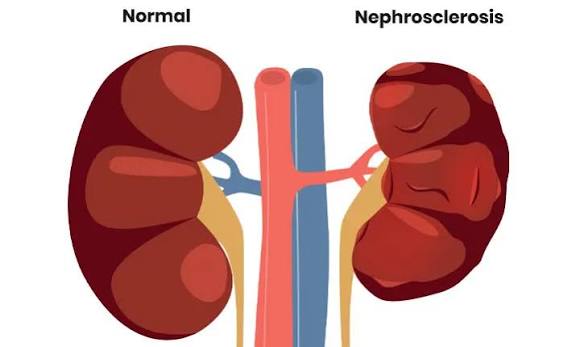
Hypertensive nephrosclerosis accounts for approximately 25 percent of new kidney failure cases and is the second-leading cause. Chronic uncontrolled hypertension causes arteriolosclerosis — scarring and narrowing of the small arteries feeding the glomeruli — leading to ischemic glomerular injury over time. In practice, diabetic kidney disease and hypertensive nephrosclerosis frequently coexist in the same patient; the relative contribution of each can be difficult to determine without a kidney biopsy. For both conditions, blood pressure control below 130/80 mmHg and RAAS blockade (ACE inhibitors or ARBs) are the foundation of treatment at all stages.
Glomerulonephritis — immune-mediated inflammation of the glomerulus — accounts for roughly 10 percent of kidney failure. The umbrella category includes several distinct diseases: IgA nephropathy (the most common glomerulonephritis worldwide, where IgA immune complexes deposit in the glomerulus), focal segmental glomerulosclerosis (FSGS), membranous nephropathy, lupus nephritis (lupus-related immune complex deposition), and ANCA-associated vasculitis (pauci-immune glomerulonephritis driven by antineutrophil cytoplasmic antibodies). Each has specific diagnostic findings on kidney biopsy and different treatment approaches, typically involving immunosuppression. The newly approved sparsentan (for IgA nephropathy) and iptacopan (for IgA nephropathy with complement activation) represent recent therapeutic advances for selected patients.
Polycystic kidney disease (ADPKD, autosomal dominant polycystic kidney disease) is the most common inherited kidney disorder, caused by mutations in the PKD1 or PKD2 genes. Fluid-filled cysts grow progressively throughout both kidneys over decades, eventually replacing functional kidney tissue and reducing eGFR. ADPKD accounts for approximately 3 to 4 percent of new ESRD cases. Tolvaptan, a vasopressin receptor antagonist, slows cyst growth and eGFR decline in patients with rapidly progressive ADPKD and is the only disease-modifying therapy currently approved for this condition.
Other causes include chronic obstruction (enlarged prostate, kidney stones, structural abnormalities), renovascular disease (severe renal artery stenosis), analgesic nephropathy from chronic NSAID overuse, amyloidosis and multiple myeloma (protein deposits in kidney tissue), and reflux nephropathy. In a meaningful proportion of patients reaching kidney failure, particularly those in whom disease was not detected until advanced stages, the underlying cause cannot be determined — bilateral small kidneys on imaging with no established primary diagnosis represent “unknown etiology” ESRD.
Recognizing the Symptoms of Kidney Failure
The symptoms of kidney failure arise from two overlapping processes: the accumulation of waste products (uremia) and the loss of the kidneys’ regulatory functions (fluid balance, electrolyte control, hormone production). Because the kidneys have significant functional reserve, symptoms often do not become prominent until eGFR is below 20 to 15 — by which point significant damage has already occurred. This is one of the clinical arguments for monitoring high-risk patients even when they feel well.
Fatigue and weakness are among the earliest and most consistently reported symptoms of approaching kidney failure. The primary driver is anemia: the kidneys produce erythropoietin, and as kidney function declines severely, erythropoietin production falls sharply, leading to falling hemoglobin levels. Without treatment, hemoglobin at kidney failure is commonly 7 to 9 g/dL — significantly below normal. Uremic toxins additionally suppress bone marrow response to erythropoietin, compounding the anemia.
Swelling (edema) occurs as the kidneys lose the ability to excrete sodium and water. Fluid accumulates in the legs and ankles, around the eyes in the morning, and in severe cases in the abdomen and lungs. Significant weight gain over several days — particularly more than two kilograms in 24 to 48 hours — generally represents fluid retention rather than true weight change and should be reported to the care team promptly.
Shortness of breath at kidney failure can result from fluid accumulating in the lungs (pulmonary edema from severe fluid overload) or from the effects of anemia (reduced oxygen-carrying capacity) or metabolic acidosis. Shortness of breath at rest, or a sudden worsening of baseline breathlessness, is an urgent symptom requiring same-day medical evaluation.
Nausea, vomiting, and appetite loss are driven by uremic gastroenteropathy — the effect of accumulated waste products on the gastrointestinal tract. Urea is converted by intestinal bacteria to ammonia, producing the metallic or urine-like taste that many patients with advanced kidney failure describe. Nausea may be persistent rather than episodic, and anorexia (loss of appetite) combined with uremic catabolism leads to progressive weight loss and muscle wasting.
Cognitive impairment and confusion reflect uremic encephalopathy — the neurological effects of elevated waste product levels. Mild forms include difficulty concentrating, slowed thinking, and memory lapses. Severe uremic encephalopathy — with disorientation, agitation, or reduced consciousness — is a medical emergency and a classical indication for urgent dialysis initiation.
Numbness and tingling in the hands and feet reflect uremic peripheral neuropathy — damage to peripheral nerves from uremic toxin accumulation. This symptom may progress to burning pain and is poorly reversible once established; it represents one of the clinical arguments for initiating dialysis when symptomatic rather than waiting for a specific eGFR number.
Severe itching (uremic pruritus) affects 40 to 70 percent of patients at kidney failure and on dialysis. It has no associated rash and does not respond to standard antihistamines. Difelikefalin, approved by the FDA in 2021 for dialysis-associated pruritus, provides significant relief in most patients. Restless legs syndrome — the irresistible urge to move the legs, especially at night — is also highly prevalent at this stage.
Uremic pericarditis — inflammation of the membrane surrounding the heart caused by uremic toxin accumulation — presents as chest pain that worsens when lying flat and improves when leaning forward. It requires urgent medical evaluation and is one of the classical indications for emergent dialysis. Any patient with kidney failure who develops new chest pain should contact their medical team the same day.
How Kidney Failure Is Diagnosed
Kidney failure is diagnosed through a combination of blood tests, urine tests, and imaging that together establish the degree of kidney function loss, identify contributing causes, and guide treatment decisions. For many patients, the diagnosis is not a single revelation but the endpoint of a long monitoring process — an eGFR that has been tracked for years finally reaching the kidney failure threshold. For others, it is discovered late when symptoms prompt a first evaluation.
The eGFR — calculated from serum creatinine using the CKD-EPI equation — is the primary functional measure. An eGFR below 15 ml/min/1.73m² on two measurements at least three months apart confirms chronic kidney failure. The urine albumin-to-creatinine ratio (uACR) identifies the presence and severity of proteinuria. A renal ultrasound is performed to assess kidney size and structure: bilaterally small, echogenic kidneys indicate chronic scarring consistent with long-standing CKD; normal-sized or enlarged kidneys suggest acute kidney injury, infiltrative disease, or conditions like polycystic kidney disease.
Blood tests include a complete blood count (quantifying the anemia), electrolytes (potassium level — critical given hyperkalemia risk), serum bicarbonate (metabolic acidosis severity), phosphate and calcium (CKD-mineral bone disorder), PTH (secondary hyperparathyroidism), and albumin (nutritional status). Screening for HIV and hepatitis B and C is performed as part of transplant eligibility evaluation. A kidney biopsy is warranted when the cause of kidney failure is unclear and knowledge of the specific diagnosis would change management — for example, identifying an immune-mediated glomerulonephritis that might respond to immunosuppression. A full explanation of what each kidney test measures and how results are interpreted is in our guide to how doctors diagnose kidney disease.
Treatment Option 1 — Hemodialysis
Hemodialysis is the most commonly used kidney replacement therapy in the United States, accounting for approximately 65 to 70 percent of dialysis patients. In hemodialysis, blood is removed from the body through a vascular access point, passed through a dialysis machine where waste products and excess fluid are filtered across a semipermeable membrane, and returned to the body. The procedure is typically performed three times per week, with each session lasting three to four hours.
Vascular access is one of the most important preparation steps for hemodialysis. An arteriovenous (AV) fistula — created surgically by connecting an artery and a vein, most commonly in the forearm — is the preferred access because it has the lowest complication rate and the longest functional lifespan. Its disadvantage is the maturation time required: three to six months after surgical creation before the fistula is ready for reliable dialysis use. AV grafts (using synthetic tubing to connect artery and vein) mature faster but carry higher infection and clotting rates. Tunneled central venous catheters are placed when no other access is available but carry significantly higher rates of bloodstream infection and are intended as a bridge, not a permanent solution.
Home hemodialysis — performed five to six times per week with a home machine, assisted by a trained caregiver — is associated with better blood pressure control, fewer hospitalizations, and improved quality of life compared to in-center HD. It requires a motivated patient and a capable home support person. Dialysis adequacy is measured by Kt/V — a calculation reflecting urea clearance relative to body volume — with a target of 1.2 or above per session for three-times-weekly HD. Dietary restrictions on hemodialysis include limits on potassium, phosphate, sodium, and fluid intake between sessions.
Treatment Option 2 — Peritoneal Dialysis
Peritoneal dialysis (PD) uses the body’s own peritoneal membrane — the lining of the abdominal cavity — as a natural filter. A soft catheter is placed surgically into the abdomen, through which dialysis fluid (dialysate) is instilled. Waste products and excess fluid diffuse from the blood across the peritoneal membrane into the dialysate over a dwell time, and the fluid is then drained and replaced. PD is performed at home by the patient.
Continuous ambulatory peritoneal dialysis (CAPD) involves four to five manual exchanges of dialysate throughout the day, each taking twenty to thirty minutes. Automated peritoneal dialysis (APD) uses a cycling machine that performs multiple exchanges overnight while the patient sleeps, leaving the daytime free. PD offers several advantages over in-center hemodialysis: it is home-based, it better preserves residual kidney function (which correlates with better survival on dialysis), and it allows greater dietary flexibility. It is particularly well-suited to patients who prioritize independence, who live far from a dialysis center, or who cannot tolerate the cardiovascular stress of rapid fluid removal during HD sessions.
The most significant complication of PD is peritonitis — bacterial infection of the peritoneal space, typically from contamination during the exchange procedure. Peritonitis is treated with intraperitoneal antibiotics and is manageable in most cases, but repeated episodes can cause irreversible peritoneal membrane damage, eventually making PD no longer viable. Exit-site and catheter tunnel infections, abdominal hernias from increased intra-abdominal pressure, and hydrothorax (dialysate leaking into the pleural space) are additional PD-specific complications.
Treatment Option 3 — Kidney Transplant
Kidney transplant offers the best long-term outcomes of all kidney replacement therapies. A functioning transplanted kidney provides continuous, 24-hour filtration — far superior to the three-times-weekly nature of dialysis — and restores the kidneys’ hormonal functions including erythropoietin production. The survival benefit is substantial: five-year survival following a living-donor transplant is approximately 80 to 85 percent, compared to roughly 35 to 40 percent for all dialysis patients and closer to 75 percent for deceased-donor transplant recipients.
Deceased-donor transplants come from individuals who have died and donated their kidneys. Patients are listed through the United Network for Organ Sharing (UNOS) and may wait months to years depending on blood type, tissue compatibility, region, and medical urgency. Waitlist time accrues from the date of registration, which is permitted when eGFR falls to 20 or below — making early registration one of the most impactful steps a patient can take. Living-donor transplants come from a willing, medically eligible donor (typically a family member or close friend). Living-donor kidneys function longer and produce better outcomes than deceased-donor kidneys. Pre-emptive transplant — receiving a kidney before ever starting dialysis — produces the best outcomes of all and is the goal whenever a living donor is available.
Standard post-transplant immunosuppression consists of tacrolimus, mycophenolate mofetil, and low-dose prednisone. These medications prevent rejection but carry risks: increased susceptibility to infections (bacterial, viral, and opportunistic), elevated rates of certain cancers (particularly skin cancers and lymphoma), metabolic side effects of corticosteroids, and the chronic nephrotoxicity of calcineurin inhibitors like tacrolimus. Lifelong medical follow-up is required after transplant, with monitoring of creatinine, tacrolimus levels, CBC, urine protein, blood pressure, and periodic skin cancer screening. Detailed information about what patients face at kidney failure — when transplant decisions must be made — is in our guide to Stage 5 kidney disease: what patients should know.
Treatment Option 4 — Conservative Kidney Management
Conservative kidney management (CKM) is an active care approach for patients with kidney failure who have chosen not to pursue dialysis. It is not the absence of care — it is a full symptom management plan that includes ESA therapy for anemia, diuretics for fluid overload, phosphate binders, potassium management, pruritus treatment, and pain management. What it does not include is kidney replacement therapy. CKM is appropriate for patients — typically older individuals with significant additional health conditions such as severe heart failure, advanced dementia, or active malignancy — for whom the burden of dialysis would not be offset by meaningful life extension or quality-of-life benefit. Palliative care and hospice services are integrated into the CKM plan as the disease progresses. Many patients choosing CKM report that their quality of life remains meaningfully intact longer than they anticipated, and that dying on their own terms at home was consistent with their values and priorities.
Outcomes and What to Expect
Outcome data for kidney failure treatment is important for setting realistic expectations and for comparing modalities — though individual results vary substantially based on age, comorbidities, and the specific cause of kidney failure.
The most striking outcome comparison is between dialysis and transplant. Dialysis patients have a five-year survival of approximately 35 to 40 percent for all comers — a figure significantly lower than most chronic diseases and driven largely by the high cardiovascular mortality in the dialysis population. In contrast, living-donor transplant recipients have a five-year survival of approximately 80 to 85 percent, and deceased-donor recipients approximately 75 percent. The survival advantage of transplant over dialysis is consistent across all age groups, including older patients, though the absolute benefit is greatest in younger patients who face decades of potential dialysis otherwise.
Among dialysis patients, home hemodialysis and peritoneal dialysis are associated with modestly better survival compared to in-center three-times-weekly HD, likely reflecting a combination of patient selection factors and the physiological benefits of more frequent clearance. The leading causes of death among dialysis patients are cardiovascular disease (approximately 50 percent of deaths), infection (approximately 15 percent), and voluntary withdrawal from dialysis (approximately 20 percent in older patient populations). Quality-of-life measures consistently favor transplant over dialysis across domains including energy level, ability to work and travel, dietary freedom, and psychological well-being. The care framework for monitoring and managing complications as disease progresses through advanced stages is detailed in our guide to advanced kidney disease: care and monitoring.
Preventing Kidney Failure From Reaching This Point
For every patient who has reached kidney failure, the question of whether it could have been slowed or delayed is relevant — not as a source of regret, but because understanding the key prevention levers informs the choices of patients who are currently at earlier CKD stages. The most effective interventions for slowing CKD progression to kidney failure are the same interventions that have the strongest evidence base across the full CKD spectrum.
Blood pressure control below 130/80 mmHg, maintained consistently over years, substantially slows the rate of glomerular damage from both hypertensive and diabetic causes. RAAS blockade with ACE inhibitors or ARBs reduces intraglomerular pressure and directly reduces proteinuria — the most established kidney-protective medication class. SGLT2 inhibitors — originally developed as glucose-lowering agents — have demonstrated robust kidney-protective effects in patients with type 2 diabetes and CKD, with emerging evidence in non-diabetic CKD as well. Finerenone adds a third mechanism of kidney and cardiovascular protection for patients with diabetic CKD. GLP-1 receptor agonists (including semaglutide) have shown kidney-protective effects beyond glucose lowering in recent trial data. Each of these interventions is most effective when started at earlier CKD stages — Stages G1 through G3 — when substantial kidney function remains to protect. The complete staging framework and what each stage requires is covered in our guide to chronic kidney disease stages explained, and what to monitor at every stage is in the annual kidney health checklist.
The NIDDK provides comprehensive, patient-facing information on kidney failure treatment options and living with ESRD. The National Kidney Foundation and American Kidney Fund offer patient support resources, financial assistance programs, and educational materials covering every aspect of dialysis and transplant life.
Sources: National Institute of Diabetes and Digestive and Kidney Diseases (NIDDK); KDIGO 2024 CKD Guidelines; US Renal Data System (USRDS) 2023 Annual Data Report; National Kidney Foundation; American Kidney Fund.
Bookmarked this article on kidney failure: symptoms, causes, and treatment immediately — going to reference it regularly. I appreciate that the article is careful about distinguishing between what is known and what is still being researched. Looking forward to reading more articles from this website.
Bookmarked this article on kidney failure: symptoms, causes, and treatment immediately — going to reference it regularly. I appreciate that the article is careful about distinguishing between what is known and what is still being researched. Forwarding this to others in my support group who are dealing with similar issues.
Came across this while researching kidney failure: symptoms, causes, and treatment for a family member. The practical tips made this immediately actionable, not just theoretical. Thank you for making complex medical information accessible without dumbing it down.