
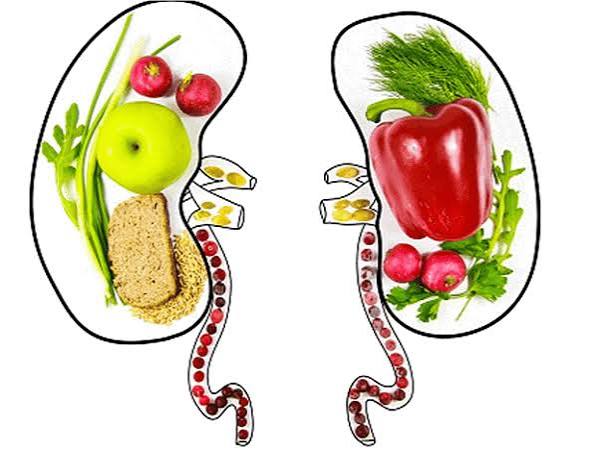
Diet and Kidney Stone Prevention: What to Eat and What to Avoid
Diet is one of the most powerful modifiable influences on kidney stone risk, and dietary modification is the cornerstone of long-term stone prevention for the majority of stone formers. The relationship between diet and kidney stone formation is specific, mechanistic, and well-characterized by decades of clinical research — what you eat and drink directly affects the chemical composition of your urine, and urine composition determines stone-forming risk. This means that dietary changes, when correctly targeted to the specific risk factors of an individual stone former, produce meaningful and measurable reductions in stone recurrence. It also means that generic dietary advice — “avoid calcium,” “avoid foods high in purines,” “just drink more water” — is frequently inadequate or incorrect, because the right dietary approach for one stone type may be irrelevant or counterproductive for another.
The optimal diet for kidney stone prevention is not a single rigid eating plan but a set of principles that apply differently depending on stone type and individual metabolic profile. The most impactful dietary interventions have been identified through randomized controlled trials and large prospective cohort studies: adequate fluid intake (covered in depth in the hydration and kidney stone prevention guide), moderate dietary calcium from food sources, reduced sodium intake, moderate animal protein, moderated high-oxalate foods, and limited fructose and sugar-sweetened beverages. When applied together, these modifications collectively address the most common dietary drivers of kidney stone formation and produce substantially lower stone recurrence rates than either pharmacological therapy alone or generic hydration advice.
Dietary Calcium: Why Less Is Not Better
The most widespread and most damaging dietary myth in kidney stone prevention is the belief that patients with calcium kidney stones should restrict their calcium intake. This misconception persists in patient education materials and in the advice some patients receive from non-specialist clinicians, despite being directly contradicted by randomized clinical trial evidence. A landmark 2002 trial by Borghi and colleagues — published in the New England Journal of Medicine — compared a normal-calcium, low-protein, low-sodium diet to a traditional low-calcium diet in men with recurrent calcium oxalate stones and hypercalciuria. The normal-calcium diet group had a 51% lower 5-year recurrence rate than the low-calcium group. The mechanism is straightforward: dietary calcium binds oxalate in the intestinal lumen and carries it out in the stool before it can be absorbed into the bloodstream. When dietary calcium is restricted, more free oxalate is available for intestinal absorption, raising urinary oxalate. Since oxalate is 10 to 20 times more potent than calcium in driving calcium oxalate supersaturation, the net effect of calcium restriction is to increase stone risk rather than reduce it.
The correct approach for calcium stone formers is to maintain adequate dietary calcium — 1,000 to 1,200 mg per day from food sources — consumed with meals so that calcium is present in the intestine at the same time as dietary oxalate. Dairy products (milk, yogurt, cheese) are the most efficient food sources of absorbable calcium; calcium-fortified plant milks (soy, almond, oat) and calcium-rich vegetables (cooked broccoli, bok choy, kale) provide adequate calcium for patients who do not consume dairy. Calcium supplements, by contrast, are a different matter: prospective cohort studies suggest that supplemental calcium taken between meals (rather than with meals) may modestly increase stone risk, because it does not encounter intestinal oxalate at the same time and produces a pure hypercalciuric load when absorbed. For patients taking calcium supplements for osteoporosis or other indications, taking them with the largest meals of the day minimizes the stone-promoting effect.
Sodium: The Hidden Stone Risk Factor
Dietary sodium is one of the most modifiable and most impactful dietary drivers of calcium kidney stones, yet it receives less attention in patient education than calcium or oxalate. Sodium and calcium share transport mechanisms in the renal proximal tubule — when sodium intake is high and the kidney must excrete large amounts of sodium, calcium reabsorption falls in parallel, producing hypercalciuria. The relationship is quantified: for every 100 mEq increase in daily sodium excretion (approximately 2,300 mg of sodium, the equivalent of 1 teaspoon of salt), urinary calcium increases by approximately 25 mg per day. At typical Western dietary sodium intakes of 3,500 to 5,000 mg per day — two to three times the recommended maximum — this sodium-driven hypercalciuria adds a substantial amount of calcium to the urine beyond the baseline dietary contribution, significantly raising supersaturation.
Sodium reduction from typical Western intake levels to below 2,300 mg per day — and ideally to 1,500 mg per day for calcium stone formers with confirmed hypercalciuria — consistently reduces urinary calcium excretion by 10 to 30% and reduces stone recurrence. The sources of sodium in the Western diet are predominantly processed and packaged foods (accounting for approximately 70% of dietary sodium intake), restaurant meals, canned goods, cured meats, salty snacks, and condiments, not the salt shaker at the table (which accounts for only about 10 to 15% of total intake). Effective sodium reduction therefore requires reading food labels — looking for sodium content per serving on packaged foods — and choosing lower-sodium alternatives rather than simply avoiding adding salt at the table.
Animal Protein: How Much Is Too Much?
High animal protein intake is an often underappreciated dietary risk factor for kidney stones that affects risk through multiple simultaneous mechanisms. Animal proteins — particularly red meat, poultry, fish, shellfish, and eggs — are rich in sulfur-containing amino acids (methionine, cysteine) that generate sulfate when metabolized, producing a net acid load that the kidney must buffer. This acid buffering mobilizes calcium carbonate from bone (raising urinary calcium), reduces renal proximal tubular citrate reabsorption (lowering urinary citrate, a critical inhibitor of calcium crystal formation), and acidifies the urine (promoting uric acid crystallization). Additionally, purines from animal protein — especially organ meats, shellfish, and red meat — are metabolized to uric acid, raising urinary uric acid and promoting both uric acid stone formation and heterogeneous nucleation of calcium oxalate on uric acid seed crystals.
The recommended animal protein intake for kidney stone formers is approximately 0.8 to 1.0 g per kilogram of body weight per day — the standard dietary reference intake — rather than the 1.5 to 2.0 g/kg/day commonly consumed in Western high-protein diets or the even higher intakes of protein-supplement users. For a 70 kg individual, this means approximately 55 to 70 g of protein per day from animal sources, or roughly one serving of meat (3 to 4 oz cooked) plus dairy, eggs, or other animal protein at other meals. Plant protein sources — legumes (lentils, chickpeas, black beans, kidney beans), tofu, tempeh, edamame, nuts, and seeds — do not produce the same acid load or uric acid generation as animal protein and can substitute for a portion of animal protein intake without the stone-promoting effects. Plant-based and near-vegetarian dietary patterns consistently show lower kidney stone rates in epidemiological studies than omnivorous diets matched for total protein.
Oxalate: Which Foods to Moderate
Oxalate content varies enormously between foods, with a small number of foods containing extremely high concentrations and most foods containing low to moderate amounts that do not substantially affect urinary oxalate at typical serving sizes. The highest-oxalate foods — those with oxalate content above 50 to 100 mg per serving — include: spinach (approximately 750 mg per 100g raw, making it by far the most concentrated common source); rhubarb; beet greens and Swiss chard; almonds, cashews, and peanuts; wheat bran; chocolate and cocoa powder; and certain strongly brewed teas. These very high-oxalate foods should be consumed in limited quantities by calcium oxalate stone formers, particularly those with demonstrated hyperoxaluria on 24-hour urine evaluation.
Foods with moderate oxalate content — including most other vegetables, nuts in moderate portions, whole grains, and legumes — need not be eliminated and can be consumed in normal portions as part of a generally healthy diet. The key principle is always to consume any oxalate-containing food alongside a source of calcium (dairy, fortified milk, calcium-rich vegetables), so that intestinal calcium can bind the oxalate and limit absorption before it reaches the bloodstream. Boiling high-oxalate vegetables reduces their oxalate content significantly (30 to 50%) compared to raw or steamed preparation, because water-soluble oxalate leaches into the cooking water; discarding the cooking water removes this extracted oxalate. For patients who enjoy foods like spinach or nuts and are unwilling to eliminate them, this cooking strategy combined with meal-time calcium consumption represents a practical harm-reduction approach.
Vitamin C supplementation above 1,000 mg per day merits attention as a source of dietary oxalate precursors that is easily overlooked: ascorbic acid (vitamin C) is metabolized to oxalate in the body, and doses above 1,000 mg per day begin to raise urinary oxalate measurably. At doses above 2,000 mg per day — which some patients take for immune support — urinary oxalate increases substantially and stone risk rises significantly in prospective studies of men. Stone formers who take vitamin C supplements should limit intake to the standard recommended amount (75 to 90 mg per day from food or supplements), not the megadose amounts sometimes recommended for general health purposes.
Fructose and Sugar-Sweetened Beverages
High fructose intake is an independent kidney stone risk factor that is increasingly recognized as a contributor to the rising incidence of kidney stones in the United States over the past three decades — a period that coincides precisely with the dramatic increase in fructose consumption from high-fructose corn syrup in sweetened beverages and ultra-processed foods. Fructose raises serum and urinary uric acid by accelerating purine catabolism in the liver through an AMP deaminase–mediated pathway that is specific to fructose metabolism (glucose does not activate this pathway). Fructose also independently increases urinary calcium through mechanisms that include altered renal calcium handling and oxalate production. Prospective cohort studies find that consumption of one or more sugar-sweetened beverages per day is associated with a significantly elevated kidney stone risk — with the relative risk increase in the range of 25 to 100% depending on the study population and beverage type.
Eliminating or dramatically reducing sugar-sweetened beverages — sodas, sweetened juices, sports drinks, energy drinks, sweetened iced tea, and sweetened coffee beverages — is therefore one of the most impactful dietary modifications for kidney stone prevention, particularly for stone formers who are heavy consumers of these beverages. The replacement fluid should be water, unsweetened beverages (plain or lightly flavored water, unsweetened tea or coffee), or lemon water — all of which provide volume benefit without the fructose-mediated stone risk.
Dietary Modifications by Stone Type
The dietary principles above apply most directly to calcium oxalate stone formers, who represent the majority of the stone-forming population. Other stone types require some additional or different dietary considerations:
For uric acid stone formers (see the uric acid stones guide), the dietary priorities are reducing high-purine foods (organ meats, anchovies, sardines, shellfish), limiting alcohol (especially beer), eliminating sugar-sweetened beverages, and consuming a predominantly plant-based diet with moderate animal protein. The goal is both to reduce urinary uric acid and to raise urinary pH — plant-based diets consistently produce more alkaline urine than high-protein omnivorous diets, complementing pharmacological alkalinization with potassium citrate.
For struvite stone formers, diet is less directly relevant — struvite stones are driven by urease-producing bacterial infection, and no dietary modification eliminates the bacterial cause. High fluid intake to maintain urinary flushing between antibiotic treatment courses is the most applicable dietary intervention. For cystine stone formers, protein restriction (to reduce the intake of methionine and cysteine, which are converted to cystine) is incorporated into management, but high fluid intake — targeting urine output above 3 liters per day — is the dominant dietary intervention. For an overview of how diet and management differ across all stone types, see the types of kidney stones guide on Horizon Health Guide. For clinical nutrition guidelines from a major nephrology authority, the NIDDK kidney stone eating and diet nutrition resource provides evidence-based dietary recommendations. The AUA medical management of kidney stones guidelines are the primary clinical reference for evidence-based prevention recommendations in the United States.
Sources: AUA Kidney Stone Guidelines · NIDDK — Kidney Stone Diet · StatPearls — Nephrolithiasis
Potassium-Rich Foods and Kidney Stone Prevention
Potassium intake — predominantly from fruits, vegetables, and legumes — has a well-documented inverse relationship with kidney stone risk in epidemiological studies. High potassium intake reduces urinary calcium by reducing bone calcium mobilization in response to the dietary acid load; the alkalinizing effect of dietary potassium (from potassium citrate and potassium malate in plant foods) raises urinary citrate and urinary pH, both of which inhibit calcium stone formation. The DASH diet — Dietary Approaches to Stop Hypertension — is rich in fruits, vegetables, low-fat dairy, whole grains, and plant protein, with reduced red meat and sodium, and consistently produces a urinary chemistry profile that is favorable for kidney stone prevention: higher citrate, higher urine volume, lower sodium, and moderated animal protein. Large prospective cohort analyses have found that higher adherence to the DASH dietary pattern is associated with 40 to 45% lower kidney stone incidence, making it one of the most broadly beneficial dietary approaches for stone prevention in the general population.
Specific high-potassium, kidney-friendly foods include: bananas, avocados, oranges, apricots, cantaloupe, kiwi, and prunes among fruits; potatoes (including the skin), sweet potatoes, winter squash, tomatoes, cooked beans and lentils, and spinach (moderated for oxalate) among vegetables; and low-fat dairy, nuts, and seeds. These foods contribute potassium that alkalinizes the urine and raises urinary citrate while simultaneously providing fiber and other nutrients that support general metabolic health. Plant foods with high potassium and moderate oxalate (most vegetables other than spinach, beet greens, and rhubarb) are excellent choices for calcium oxalate stone formers because they simultaneously raise protective citrate and do not substantially raise urinary oxalate.
Putting It All Together: A Practical Kidney Stone Prevention Diet
A practical dietary approach for the typical calcium oxalate stone former combines the following elements at every meal: a calcium source (dairy, fortified plant milk, or calcium-rich vegetable) consumed at the same time as any oxalate-containing food; sodium kept below 2,300 mg per day through food label reading and reduced processed food; animal protein in moderate portions (one serving at one or two meals per day, emphasizing fish, poultry, and eggs over red meat and organ meats); plenty of vegetables and fruits for potassium and citrate; water as the primary beverage; and complete avoidance or dramatic reduction of sugar-sweetened beverages, excess alcohol, and high-sodium processed foods. This dietary pattern is not dramatically different from general healthy eating guidelines — the key modifications are specific and targeted: emphasizing calcium at meals (not restricting it), moderating sodium aggressively, and eliminating sweetened beverages.
For patients who have done a 24-hour urine collection and have a specific identified risk factor, the dietary approach is additionally targeted to address that finding. If the collection shows elevated oxalate, oxalate-rich foods are moderated more strictly. If it shows elevated sodium (reflected in urinary sodium), sodium restriction is the priority intervention. If it shows low citrate, increasing potassium-rich fruits and vegetables takes on additional importance — and if dietary measures are insufficient, potassium citrate supplementation is added. If it shows elevated uric acid, high-purine foods and fructose are the priority targets for reduction. This individualized dietary approach, guided by 24-hour urine results and followed up with repeat collections to document improvement, represents the evidence-based standard of care for recurrent kidney stone prevention and consistently outperforms the generic advice that many stone formers receive at their initial presentation.
Long-term dietary adherence is the ultimate challenge in stone prevention — the dietary changes needed are modest compared to the demands of therapeutic diets for conditions like severe heart failure or end-stage kidney disease, but they require sustained attention to food choices over years or decades rather than weeks. Patients who understand the mechanism behind each dietary recommendation — why calcium helps (oxalate binding), why sodium hurts (calciuria), why plant protein is preferable (acid load and uric acid) — consistently maintain dietary changes better than those who receive the recommendation alone without its rationale. Patient education resources, registered dietitian consultation for complex cases, and regular follow-up 24-hour urine collections to demonstrate objective improvement are all components of a comprehensive and sustainable kidney stone prevention program.
The Role of Dietary Citrate and Lemon in Stone Prevention
Urinary citrate is one of the most important natural inhibitors of kidney stone formation — it forms soluble complexes with calcium in the urine, reducing the free calcium available to bind oxalate or phosphate and crystallize, and it directly inhibits crystal aggregation and growth at the crystal surface. When urinary citrate is low (hypocitraturia), this protective effect is lost and stone formation risk rises significantly. Dietary choices that raise or lower urinary citrate are therefore directly relevant to stone prevention beyond their effects on calcium, oxalate, and uric acid.
The primary dietary source of urinary citrate is citrus fruits and their juices — lemons, limes, oranges, and grapefruits all contain citric acid, which is absorbed and partially converted to urinary citrate. Lemon juice has the highest citrate concentration of the common citrus juices and has been specifically studied as a dietary intervention for stone prevention in patients with hypocitraturia. A standard protocol of 4 oz of reconstituted lemon juice in 2 liters of water daily increases urinary citrate modestly but measurably, with clinical studies showing reduced stone recurrence rates in patients who adhere to this regimen. The citrate effect of lemon water is smaller than pharmacological potassium citrate supplementation, but for patients with mild hypocitraturia or those who wish to avoid medication, it represents a practical, tolerable, and well-evidenced dietary intervention.
High animal protein intake suppresses urinary citrate through the systemic acid load it generates — the resulting intracellular acidosis in renal tubular cells increases citrate reabsorption from the tubular lumen, reducing the citrate that appears in the final urine. This is one of the mechanisms through which reducing animal protein intake improves urinary citrate levels alongside its effects on reducing urinary calcium and uric acid. Conversely, potassium-rich plant foods — fruits, vegetables, legumes — contain organic anions (citrate, malate) that generate bicarbonate on metabolism, alkalinizing the systemic environment and raising urinary citrate. Patients who shift toward a more plant-based dietary pattern typically see improvements in urinary citrate as well as reductions in urinary acid load, reflecting the multiple interconnected effects of dietary quality on urinary stone-forming risk.
Dietary Supplements and Kidney Stone Risk
Several widely used dietary supplements carry underappreciated kidney stone risks that stone formers and their prescribers should be aware of. Vitamin C (ascorbic acid) is metabolized to oxalate, and supplemental doses above 1,000 mg per day raise urinary oxalate measurably. At doses above 2,000 mg per day — used by some patients for immune support or as anti-aging antioxidant supplementation — urinary oxalate increases substantially and stone risk rises significantly; a large prospective cohort study of male health professionals found that vitamin C supplementation above 1,000 mg per day was associated with a doubling of kidney stone incidence compared to non-supplementers. Stone formers should limit vitamin C supplementation to standard physiological doses (75 to 90 mg per day from food or supplements) and avoid megadose ascorbic acid.
Calcium supplements carry a more nuanced risk. Dietary calcium from food consistently reduces stone risk by binding intestinal oxalate; supplemental calcium produces a qualitatively different effect because it does not encounter dietary oxalate in the intestinal lumen with the same timing and distribution as food-source calcium. Prospective studies in postmenopausal women (the Women’s Health Initiative calcium supplementation trial) found modestly higher stone rates in the calcium-plus-vitamin D supplementation group compared to placebo — a finding that appears to reflect the combination of supplemental calcium (generating a pure calciuric load when absorbed) and vitamin D (which raises intestinal calcium absorption). Stone formers who require calcium supplements for osteoporosis should take them with their largest meals and choose the smallest effective dose. Vitamin D in high doses (above 4,000 IU per day) raises intestinal calcium absorption and can cause hypercalciuria; stone formers on high-dose vitamin D supplementation should have their urinary calcium monitored.
I was told to avoid calcium after my first kidney stone and faithfully ate low-calcium for a year. Then I had a second stone, and only at that point did a proper urologist explain the calcium-oxalate binding mechanism. This article explains it better than my urologist did! The Borghi study reference is reassuring — knowing there’s a proper randomized trial showing that normal calcium diets outperform low-calcium diets in stone prevention makes me feel confident about the dietary change, not like I’m just being told something counterintuitive and having to take it on faith. The sodium section was also new information for me — I had no idea that table salt was only 10-15% of total sodium intake.
As a registered dietitian specializing in renal nutrition, I appreciate the accuracy and completeness of this dietary overview for kidney stone prevention. The section on the DASH diet is well supported — it’s one of the few dietary patterns we can point to with epidemiological evidence of stone risk reduction, not just favorable urinary chemistry. The nuance around calcium supplements versus dietary calcium is important and often missed in patient counseling. I’d add that patients should also be counseled that the calcium supplement timing matters — with the largest meal, not between meals or at bedtime — because this detail is often missing from medication instructions.
Thank you for that practical addition, Dr. Strand — the meal-timing detail for calcium supplements is exactly the kind of nuance that doesn’t make it into most patient-facing materials but makes a meaningful difference. The mechanism (calcium needs to be present simultaneously with dietary oxalate in the intestinal lumen to bind it and prevent absorption) means that the timing isn’t arbitrary — a calcium supplement taken between meals doesn’t encounter meal-time oxalate and functions purely as a calciuric load rather than an oxalate-binding agent. Amy, your experience with the low-calcium diet leading to a second stone is one of the most common preventable outcomes in stone medicine — the advice persists partly because of the name ‘calcium stones’ and partly because low-calcium advice predates the clinical trial evidence. The Borghi study is now more than 20 years old; it’s encouraging that more patients and clinicians are incorporating its findings.