
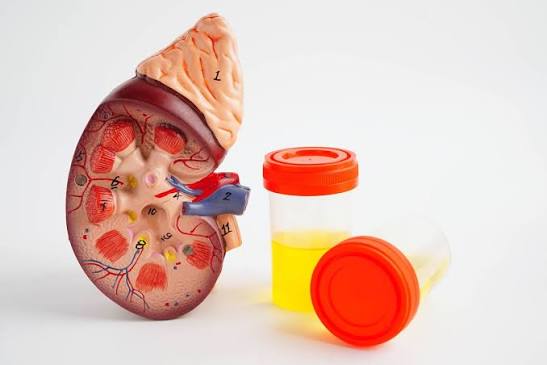
Protein is essential for life — it builds and repairs every cell in your body, carries oxygen in your blood, drives your immune system, and serves as the structural material for muscle, skin, organs, and bone. But protein and chronic kidney disease share a complicated relationship. When kidneys are damaged, the waste products that protein metabolism generates accumulate in the blood, contributing to the uremic syndrome that defines advanced CKD. At the same time, inadequate protein intake causes muscle wasting, malnutrition, and dramatically worsens outcomes in CKD patients. Managing protein intake in CKD is not about eliminating protein — it is about finding the right amount and the right source for each patient’s specific stage and clinical situation.
This guide covers how the kidneys process protein waste products, how much protein is appropriate at each CKD stage, the important differences between protein sources, the risk of protein-energy wasting, and how to get individualized guidance on protein intake that accounts for your full clinical picture.
How the Kidneys Handle Protein Metabolism
When you digest protein, amino acids are absorbed and used for tissue building, enzyme production, hormone synthesis, and energy. The nitrogen that cannot be used is converted in the liver to urea, which enters the bloodstream and must be filtered and excreted by the kidneys. Healthy kidneys filter urea efficiently, keeping blood urea nitrogen (BUN) levels between approximately 7 and 20 mg/dL. They also excrete creatinine (a waste product of muscle metabolism) and various uremic toxins — small and middle-molecule compounds derived from protein fermentation that accumulate in CKD and directly damage tissues.
In CKD, reduced nephron mass means that the remaining nephrons must compensate by filtering more per unit of kidney tissue — a process called hyperfiltration. High protein intake worsens hyperfiltration by increasing the metabolic load on remaining nephrons, raising intraglomerular pressure, and generating more waste products that damaged kidneys struggle to clear. Over time, this additional mechanical and metabolic stress accelerates nephron loss. Reducing dietary protein in CKD reduces this hyperfiltration burden, which is one of the mechanisms through which low-protein diets slow CKD progression in research studies.
The accumulation of urea and other nitrogen-containing waste products creates the uremic syndrome — the constellation of symptoms including fatigue, nausea, cognitive impairment, itching, and poor appetite that characterize advanced CKD. BUN is commonly used as a rough proxy for uremic burden, though it is an imperfect marker: protein intake, hydration status, muscle mass, and GI bleeding all influence BUN independently of kidney function. Trending BUN over time alongside creatinine and eGFR provides a more meaningful picture than any single value.
Protein Recommendations by CKD Stage
Protein recommendations in CKD are not one-size-fits-all. They vary significantly by stage, treatment modality, presence of proteinuria, and nutritional status. The KDOQI 2020 Clinical Practice Guideline for Nutrition in CKD provides the most comprehensive framework currently in use:
CKD stages 3–5 (not on dialysis): KDOQI recommends a low-protein diet of 0.6 to 0.8 grams of protein per kilogram of body weight per day for metabolically stable patients. For a 70-kilogram (154-pound) person, this translates to 42 to 56 grams of protein daily. The goal is to reduce uremic toxin generation and slow CKD progression while preventing malnutrition. Some guidelines also consider a very low protein diet of 0.3 to 0.4 g/kg/day supplemented with essential amino acid keto analogues for patients in advanced CKD (stage 4–5) who wish to delay dialysis — but this requires intensive dietitian monitoring and is not appropriate for patients with poor nutritional status.
Dialysis patients: Once a patient begins dialysis, protein recommendations reverse dramatically. Hemodialysis and peritoneal dialysis both cause significant amino acid losses during treatment — up to 10 to 12 grams per dialysis session. KDOQI recommends 1.2 grams of protein per kilogram of body weight per day for hemodialysis patients and 1.2 to 1.3 g/kg/day for peritoneal dialysis patients. Consuming less protein than this on dialysis leads to progressive muscle wasting, poor outcomes, and increased mortality.
CKD with significant proteinuria: Patients losing large amounts of protein in the urine (nephrotic-range proteinuria, greater than 3.5 grams per day) face a different calculation — their protein losses must be factored into requirements. KDOQI cautions against excessively high protein intake in proteinuric patients because this can increase urinary protein losses further; current guidance suggests 0.8 g/kg/day with close monitoring and optimization of RAAS blockade (ACE inhibitors or ARBs) to reduce proteinuria.
Acute kidney injury (AKI): AKI in critically ill patients is managed differently from CKD — protein requirements during AKI are often higher (1.2 to 2.0 g/kg/day depending on catabolism), not lower, because the catabolic stress of illness and often-concurrent nutritional deficits dominate over concerns about uremic burden. This guide focuses on chronic kidney disease; AKI management is a separate clinical domain. The full KDOQI Nutrition Guidelines provide the detailed clinical framework for all these scenarios.
Does a Low-Protein Diet Actually Slow CKD Progression?
This is one of the most debated questions in nephrology nutrition. The largest early trial — the Modification of Diet in Renal Disease (MDRD) study — found a borderline benefit of low-protein diet on CKD progression but did not conclusively demonstrate slowing. Subsequent meta-analyses of multiple smaller trials have consistently shown that low-protein diets reduce the risk of kidney failure by approximately 30 to 40 percent compared to unrestricted protein intake in non-dialysis CKD patients. A Cochrane review concluded that low-protein diets delay the time to dialysis and reduce the risk of reaching kidney failure, but only when nutritional status is maintained.
The key caveat from the research is that the benefit of low-protein diet is partly lost if protein restriction causes protein-energy wasting. A patient who develops malnutrition while trying to restrict protein gets worse outcomes than one who eats a moderate protein diet and stays well-nourished. This is why protein restriction in CKD must be implemented carefully, with regular monitoring of nutritional markers (serum albumin, prealbumin, body weight, muscle mass), and should never be so aggressive that it compromises nutritional adequacy. The KDOQI 2020 commentary on dietary protein in CKD carefully balances these competing considerations.
A practical consensus among nephrologists and renal dietitians is that patients in CKD stages 3b through 5 who are motivated, nutritionally stable, and have access to regular dietitian monitoring can benefit from moderate protein restriction (0.6–0.8 g/kg/day). Patients who are already nutritionally compromised, have significant comorbidities, or cannot access monitoring should not attempt low-protein diets without close supervision.
Plant Protein vs Animal Protein in CKD
Not all protein sources have the same effect on kidney health, and the distinction between plant protein and animal protein has become increasingly important in CKD nutrition research. Several mechanisms differentiate them:
Acid load: Animal proteins — particularly red meat, processed meats, and poultry — generate a higher dietary acid load than plant proteins. In CKD, the kidneys’ ability to excrete acid is impaired, leading to metabolic acidosis. Chronic metabolic acidosis accelerates CKD progression, causes muscle catabolism, worsens bone disease, and impairs insulin signaling. Substituting plant proteins for animal proteins reduces dietary acid load and has been shown in clinical studies to reduce urinary acid excretion and slow eGFR decline in CKD patients.
Phosphorus bioavailability: As covered in the phosphorus and kidney disease guide, plant phosphorus bound to phytate is absorbed at only 20 to 40 percent efficiency, compared to 60 to 70 percent for animal protein phosphorus. Plant protein sources therefore deliver a substantially lower phosphorus burden relative to their protein content.
Uremic toxin precursors: Indoxyl sulfate and p-cresyl sulfate — two uremic toxins that directly damage kidney tubular cells and are associated with CKD progression and cardiovascular mortality — are generated from the fermentation of aromatic amino acids (tryptophan and tyrosine) by gut bacteria. Animal proteins are richer in these aromatic amino acids, and the Western high-meat diet shifts gut microbiome composition in ways that favor uremic toxin production. Plant proteins, combined with their accompanying fiber, support a gut microbiome that produces less of these toxins.
Amino acid completeness: One traditional concern about plant proteins is that individual plant foods lack one or more essential amino acids, making them “incomplete” proteins. This is true of individual plant foods in isolation, but a varied plant-based diet that combines legumes, grains, nuts, and vegetables provides all essential amino acids in adequate amounts across the day. The concern about incomplete plant proteins is largely obsolete in the context of a diverse diet. The plant-based eating and kidney health guide covers how to structure a plant-forward CKD diet effectively.
Protein-Energy Wasting — The Most Dangerous Nutritional Complication of CKD
Protein-energy wasting (PEW) is a state of decreased protein and energy stores caused by the combination of inadequate intake, increased catabolism from uremic toxins, metabolic acidosis, chronic inflammation, and hormonal dysregulation associated with CKD. It is extraordinarily common: studies estimate that 28 to 54 percent of dialysis patients have clinically significant PEW, and the condition is associated with dramatically increased mortality, hospitalization rates, infection risk, and cardiovascular events.
PEW is not simply being thin or having a low body weight. It specifically refers to depletion of both lean body mass (muscle) and fat stores, reflected in laboratory markers including low serum albumin (below 3.8 g/dL in dialysis patients), low prealbumin (below 30 mg/dL), low total cholesterol (below 100 mg/dL), and reduced serum creatinine from reduced muscle mass. Physical examination may reveal temporal wasting (loss of the temporalis muscle visible at the temples), decreased grip strength, and visible loss of muscle bulk in the thighs and arms.
The paradox of PEW management is that the same factors that drive CKD progression — inflammation, uremia, acidosis — also suppress appetite and increase catabolism, making it difficult for patients to consume enough protein and calories even when they want to. Poor appetite in CKD is not a patient compliance issue; it is a biological consequence of uremia, inflammatory cytokines, and GI dysmotility. Treating PEW requires addressing both the nutritional deficit and the underlying drivers, which may include intensifying dialysis to reduce uremic burden, treating metabolic acidosis with sodium bicarbonate supplementation, and optimizing appetite-stimulating strategies.
Oral nutritional supplements specifically formulated for kidney disease — such as Nepro, Suplena, or Novasource Renal — provide concentrated calories and protein with controlled potassium, phosphorus, and sodium. They are typically recommended for CKD patients who cannot meet their nutritional targets through regular food alone. Intradialytic parenteral nutrition (IDPN) — nutrients administered directly into the dialysis circuit during treatment — is an option for dialysis patients with severe PEW who cannot tolerate oral supplementation.
Practical Protein Sources for CKD
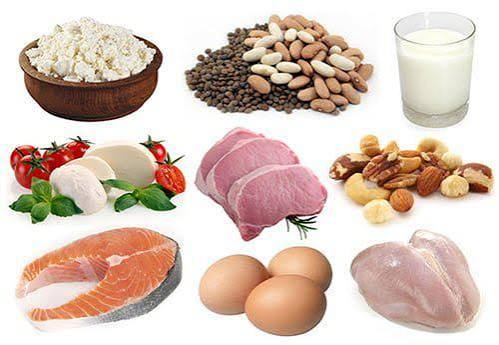
Selecting protein sources in CKD involves balancing protein quality, phosphorus content, potassium content, acid load, and individual lab values. Several foods stand out as particularly well-suited:
Egg whites are the gold standard for CKD protein: 3 to 4 grams of high-quality complete protein, only 5 milligrams of phosphorus, minimal potassium, and low acid load per egg white. The yolk contains 66 mg of phosphorus and should be limited when phosphorus control is a priority. Egg white omelets, egg white scrambles with low-phosphorus vegetables, and egg white-based smoothies are practical applications.
Fish and shellfish provide high-quality protein with omega-3 fatty acids that reduce inflammation and support cardiovascular health — a critical concern given that cardiovascular disease is the leading cause of death in CKD. White fish (cod, tilapia, halibut) are lower in phosphorus per serving than fatty fish, but the cardiovascular benefits of omega-3-rich fish such as salmon and sardines are often considered worth the higher phosphorus content for many patients. A four-ounce serving of cod contains approximately 180 mg of phosphorus; salmon contains approximately 270 mg. The best foods for kidney health guide covers fish selection in CKD in detail.
Chicken (fresh, unenhanced): Fresh chicken breast without phosphate injections contains approximately 220 mg of phosphorus per four-ounce serving and provides 26 grams of protein — an excellent protein-to-phosphorus ratio. Marinated or pre-seasoned chicken products and rotisserie chicken often contain added sodium and phosphate and should be compared carefully on labels.
Plant proteins: For CKD patients who want to reduce acid load and phosphorus burden, plant proteins are an increasingly recommended strategy. Tofu (firm) contains approximately 10 grams of protein and 120 mg of phosphorus per half cup — comparable phosphorus to chicken but with much lower acid load and potassium that is manageable in most CKD stages. Lentils (approximately 9 grams of protein and 178 mg of phosphorus per half cup cooked) are well-suited for CKD stages 3 and 4 when potassium is not severely restricted; the phosphorus is largely phytate-bound and poorly absorbed. For patients on potassium restriction, lentil portions may need adjustment based on individual serum potassium levels.
Tracking Protein Intake in CKD
Patients following a protein-restricted diet in CKD need some form of tracking to ensure they are hitting the prescribed target — not just vaguely “eating less protein.” The key markers are:
24-hour dietary recall or food diary: Tracking what you eat over several representative days, ideally reviewed with a renal dietitian, gives the most accurate picture of actual protein intake. General nutrition apps like MyFitnessPal contain protein data, though they may not account for the phosphorus distinction between organic and inorganic sources. Kidney-specific apps and dietitian-curated food databases are more useful for CKD patients.
BUN trend: Rising BUN between visits in the context of stable or declining eGFR suggests increasing uremic burden, which may reflect excessive protein intake. A BUN-to-creatinine ratio persistently above 20 raises questions about protein intake, dehydration, or GI bleeding. Conversely, a falling BUN in a CKD patient with declining eGFR may indicate protein-energy wasting — the patient is not generating enough waste because they are not consuming enough protein.
Serum albumin: Albumin below 3.8 g/dL in a dialysis patient or below 4.0 g/dL in non-dialysis CKD is a signal that protein intake may be inadequate. However, albumin is also an acute-phase reactant — it falls during inflammation even when protein intake is adequate. Interpreting albumin requires context: a patient with a recent infection who shows low albumin may not need to increase protein intake; the albumin will recover as the inflammatory process resolves. CRP (C-reactive protein) measured simultaneously helps distinguish nutritional from inflammatory causes of low albumin.
nPNA / nPCR (normalized protein nitrogen appearance): In dialysis patients, nPNA (also called normalized protein catabolic rate, nPCR) is calculated from pre- and post-dialysis BUN values and estimates dietary protein intake mathematically. A target nPNA of 1.2 g/kg/day aligns with the KDOQI protein recommendation for hemodialysis. Values consistently below 1.0 g/kg/day in a dialysis patient suggest inadequate intake and PEW risk. This is a standard measurement that most dialysis programs calculate automatically from routine labs.
Metabolic Acidosis, Protein, and Kidney Protection
Metabolic acidosis — a condition in which blood bicarbonate levels fall below the normal range of 22 to 29 mEq/L — is common in CKD stages 3 through 5 and is independently associated with faster CKD progression, muscle wasting, bone disease, and cardiovascular mortality. The connection to protein intake is bidirectional: high protein intake from acid-generating animal sources worsens metabolic acidosis by increasing the daily acid load that damaged kidneys must excrete; and metabolic acidosis in turn increases protein catabolism by activating pathways that break down muscle protein to generate glutamine for renal acid excretion.
Treating metabolic acidosis with oral sodium bicarbonate has been shown in randomized controlled trials to slow CKD progression, preserve kidney function, and reduce muscle wasting. The de Brito-Ashurst trial demonstrated that CKD patients treated with sodium bicarbonate to normalize serum bicarbonate had significantly slower eGFR decline over two years compared to controls. This is now a standard recommendation: maintain serum bicarbonate above 22 mEq/L in CKD patients, either through sodium bicarbonate supplementation or through dietary modification (reducing animal protein, increasing plant protein, reducing sodium) that lowers the daily acid load.
For patients who want to address metabolic acidosis through diet rather than medication, increasing fruit and vegetable intake is the most effective dietary approach. Fruits and vegetables generate alkali (bicarbonate precursors) rather than acid, and substituting even a portion of daily animal protein with plant protein and vegetables measurably reduces urinary acid excretion. This is one of the strongest arguments for a plant-forward dietary pattern in CKD — the acid load reduction is as clinically significant as the phosphorus and uremic toxin benefits. The low-sodium eating for kidney health guide covers how sodium reduction also supports acid-base balance in CKD.
Working With a Renal Dietitian on Protein
Protein management in CKD is one of the most individualized areas of nutrition medicine. A patient’s ideal protein intake depends on CKD stage, rate of progression, presence of proteinuria, current nutritional status, muscle mass, activity level, comorbidities (particularly diabetes, heart failure, and liver disease), whether they are on dialysis and what modality, and concurrent dietary restrictions for potassium, phosphorus, and sodium. This complexity is why physician-level management of protein restriction without renal dietitian input frequently results in either inadequate restriction (failing to reduce hyperfiltration) or excessive restriction (causing PEW).
A renal dietitian will typically calculate your protein requirement based on adjusted body weight (to account for edema or obesity), review your current food diary to assess actual intake, identify the highest-phosphorus and highest-acid-load protein sources in your diet, and develop a substitution plan that meets protein targets while reducing uremic and acid load. They will also coordinate with your nephrologist on when protein restriction targets should be revised — both downward as CKD progresses and upward if PEW markers begin to appear.
For patients who cannot access a renal dietitian, the kidney-friendly diet beginner’s guide provides a starting framework that emphasizes high-quality, lower-acid, lower-phosphorus proteins as the foundation. Even without personalized counseling, shifting toward egg whites, fresh fish, fresh chicken, and a greater proportion of plant proteins while reducing processed meat and dairy provides meaningful benefits in most CKD stages. The key is to avoid the two extremes: eating unrestricted high-protein Western diet and severely restricting protein to the point of malnutrition — both worsen outcomes, just through different mechanisms.
Conclusion
Protein and chronic kidney disease exist in genuine tension: too much protein accelerates CKD progression and worsens uremia, while too little causes the malnutrition and muscle wasting that kill CKD patients from cardiovascular disease and infection. The resolution is not a single rule but a calibrated approach — targeting 0.6 to 0.8 g/kg/day for non-dialysis CKD with careful monitoring of nutritional status, increasing to 1.2 g/kg/day or more for dialysis patients to compensate for treatment losses, and choosing protein sources that minimize acid load and phosphorus burden alongside their protein contribution.
Plant proteins, fresh fish, egg whites, and fresh poultry are the cornerstones of a CKD-appropriate protein strategy. Processed meats, dairy in large quantities, and red meat in high frequency shift the protein source profile in ways that worsen acidosis, phosphorus burden, and uremic toxin production — all of which can be managed without eliminating protein altogether. Work with your nephrology team and a renal dietitian to set protein targets appropriate to your current stage, and revisit those targets at every significant change in CKD status.
Sources: KDOQI Clinical Practice Guideline for Nutrition in CKD: 2020 Update; Kalantar-Zadeh K et al., “Dietary Restrictions in Dialysis Patients: Is There Anything Left to Eat?” Seminars in Dialysis (2015); de Brito-Ashurst I et al., “Bicarbonate Supplementation Slows Progression of CKD and Improves Nutritional Status,” JASN (2009); Kalantar-Zadeh K & Fouque D, “Nutritional Management of Chronic Kidney Disease,” New England Journal of Medicine (2017); National Kidney Foundation; Kidney International.