
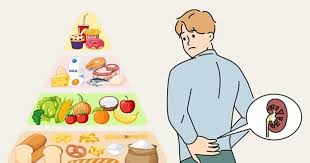

The internet is full of dietary advice for kidney disease — some of it accurate, much of it wrong, and some of it potentially harmful for people with chronic kidney disease (CKD). The kidney diet is one of the most misunderstood areas of clinical nutrition because it runs counter to several broadly promoted “healthy eating” principles. This creates a situation where patients who follow general health advice — eat whole grains, include plenty of beans and nuts, drink lots of water, try plant-based eating — may be inadvertently making their kidney disease worse without knowing it.
This guide identifies the most common kidney diet myths, explains what is actually true based on the clinical evidence, and clarifies why these misconceptions arise. The goal is not to dismiss health information in general, but to help CKD patients recognize where general nutrition guidance diverges from the specific requirements of the renal diet and where to apply the evidence-based principles that apply to their condition.
Myth 1: Drink Plenty of Water to Flush Your Kidneys
What people believe: Drinking large amounts of water “flushes” toxins and waste from the kidneys, protecting kidney function and helping the kidneys heal.
What is actually true: In early CKD (Stages 1–3 with preserved urine output), adequate hydration supports kidney function by maintaining blood flow to the kidneys and diluting filtered solutes. However, the idea that more water is always better is wrong — and in advanced CKD and dialysis, excessive fluid intake is genuinely dangerous. Kidneys that are damaged cannot excrete fluid as efficiently as healthy kidneys. Drinking large amounts of water in Stage 4–5 CKD or in dialysis patients causes fluid retention, elevated blood pressure, heart strain, and pulmonary edema. The appropriate fluid intake for CKD depends entirely on kidney function and urine output — it is not “more is better.” See the fluids and kidney disease guide for stage-specific fluid guidance.
Myth 2: Whole Grains Are Always Better Than White Grains
What people believe: Whole wheat bread, brown rice, whole grain pasta, and high-fiber grain products are healthier than their refined white equivalents and should be chosen consistently.
What is actually true: For the general population, whole grains are preferred because they contain more fiber, vitamins, and minerals. In CKD, this recommendation is partially reversed. Whole grains store their phosphorus in the bran layer as phytic acid — and while phytic acid-bound phosphorus has lower bioavailability than inorganic phosphate additives, it still contributes meaningfully to phosphorus load in patients with restricted phosphorus budgets. A half-cup of cooked brown rice contains approximately 80 mg of phosphorus; the same amount of white rice contains approximately 35 mg. Over a full day’s worth of grain choices, consistently choosing refined white grains can reduce phosphorus intake by 100–200 mg compared to whole grain alternatives — a significant amount for a patient with an 800 mg daily phosphorus target.
Additionally, whole grains tend to be higher in potassium than refined grains. For CKD patients managing potassium restriction, white bread (roughly 30 mg potassium per slice) is significantly lower-potassium than whole wheat bread (roughly 80 mg per slice). The fiber benefits of whole grains can be partially recovered through low-potassium, low-phosphorus vegetables rather than grain sources. The renal dietitian guidance from the NIDDK and the National Kidney Foundation consistently recommend refined grains over whole grains for patients requiring phosphorus restriction.
Myth 3: Beans and Legumes Are an Ideal Protein Source for CKD
What people believe: Beans, lentils, and chickpeas are healthy plant-based protein sources that reduce meat consumption and are heart-healthy, making them good for people with kidney disease who need to limit protein.
What is actually true: Beans and legumes are high in both potassium and phosphorus — two of the minerals that CKD patients most need to control. A half-cup of cooked kidney beans contains approximately 360 mg of potassium and 130 mg of phosphorus. For a patient with a 2,000 mg daily potassium target and an 800 mg phosphorus target, a single serving of beans at lunch consumes nearly 20% of the daily potassium allowance and 16% of the phosphorus allowance simultaneously. As a protein source, beans also deliver incomplete protein (lacking certain essential amino acids) that requires complementary foods, making them less efficient than animal-derived complete proteins from a protein quality standpoint. While beans are appropriate in early CKD (Stage 1–2) in moderate amounts, they are typically limited or eliminated in Stage 3–5 and for dialysis patients.
Myth 4: Nuts and Seeds Are a Healthy Snack for Everyone
What people believe: Nuts and seeds are heart-healthy fats, good sources of protein, and ideal snacks that support general health.
What is actually true: Nuts and seeds are among the highest-phosphorus foods available. A quarter-cup of almonds contains approximately 200 mg of phosphorus; peanut butter (2 tablespoons) contains approximately 107 mg; sunflower seeds (one ounce) contain approximately 180 mg. For CKD patients with phosphorus restriction, these amounts are prohibitively high for a snack — which typically should stay under 150 mg of phosphorus. The heart-healthy benefits of nuts apply to the general population but do not override the phosphorus management requirement in CKD Stages 3–5. Small amounts (less than 1 tablespoon) may be acceptable in some CKD plans depending on the patient’s specific phosphorus budget, but nuts and seeds should not be treated as freely consumable healthy snacks in CKD.
Myth 5: A Plant-Based Diet Is Automatically Better for CKD
What people believe: Plant-based diets are beneficial for kidney health because they reduce protein intake, lower acid load, and have anti-inflammatory properties — making a full plant-based diet ideal for CKD patients.
What is actually true: Plant-based eating has genuine benefits for CKD — lower dietary acid load, reduced proteinuria, favorable effects on the gut microbiome, and a dietary pattern that supports cardiovascular health (which is closely linked to CKD outcomes). However, a fully plant-based diet designed without renal dietitian guidance creates substantial potassium and phosphorus challenges for most CKD patients. The foods central to plant-based eating — beans, legumes, whole grains, nuts, seeds, dark leafy greens, and many fruits — are precisely the foods that are high in potassium and phosphorus. A poorly constructed plant-based diet for CKD can result in mineral levels that are harder to control than a well-constructed moderate omnivorous renal diet. The plant-based eating and kidney health guide covers how to implement plant-based principles within CKD mineral constraints — the key is selecting the right plants (low-potassium, low-phosphorus varieties) rather than assuming all plant foods are acceptable.
Myth 6: If Your Labs Are Normal, You Don’t Need to Follow a Renal Diet
What people believe: If potassium, phosphorus, and other lab values are within the normal range, the kidneys are handling the dietary intake adequately, and dietary restrictions are unnecessary.
What is actually true: Normal lab values in CKD do not mean the kidneys are managing without strain. In early and mid-stage CKD, the kidneys compensate for reduced filtration capacity by working harder — increasing the filtration load per remaining functional nephron, increasing phosphate excretion per nephron at the cost of secondary hyperparathyroidism, and maintaining electrolyte levels through compensatory mechanisms that themselves cause harm. By the time serum phosphorus rises above the normal range, significant damage has already occurred — the kidneys were managing at maximum capacity for months or years before the lab value reflected the problem. The renal diet is designed to reduce the burden on these compensating nephrons before lab values become abnormal, not only after. Dietary management in Stage 3 CKD, even with normal labs, reduces the progression rate to Stage 4 and 5.
Myth 7: You Can Eat More of a “Bad” Food If It’s Organic or Natural
What people believe: Organic food, natural food, and non-GMO food are healthier and therefore safer for people with dietary restrictions. An organic potato has fewer restrictions than a conventionally grown one.
What is actually true: The potassium in an organic potato is chemically identical to the potassium in a conventionally grown potato. Organic certification relates to farming practices and prohibited pesticides — it has no bearing on the mineral content of the food. A food that is high in potassium, phosphorus, or sodium is equally high in these minerals regardless of whether it is organic, natural, GMO-free, or any other marketing category. The renal diet is based entirely on the mineral content of food, which is determined by food chemistry, not by farming method or processing label. Reading food labels for mineral content — as described in the food label reading guide — is the relevant evaluation tool, not marketing claims about production method.
Myth 8: Potassium Restriction Means Eliminating All Fruits and Vegetables
What people believe: Because many fruits and vegetables are high in potassium, a potassium-restricted CKD diet means eliminating or drastically reducing all fruits and vegetables.
What is actually true: Potassium restriction in CKD is about selecting low-potassium fruits and vegetables, not eliminating all fruits and vegetables. A wide variety of produce options are low enough in potassium to be included in a potassium-restricted diet. Low-potassium vegetables include: cabbage (75 mg per ½ cup cooked), green beans (90 mg per ½ cup), cauliflower (150 mg per ½ cup), cucumber (75 mg per ½ cup), and iceberg lettuce (87 mg per cup). Low-potassium fruits include: blueberries (57 mg per ½ cup), cranberries (45 mg per ½ cup), apple (148 mg per medium), pineapple (90 mg per ½ cup), and grapes (175 mg per ½ cup). The problem is not fruits and vegetables in general — it is specific high-potassium varieties: banana (422 mg each), avocado (727 mg per fruit), potato (900 mg per medium), orange (237 mg each), and tomato (292 mg medium). Replacing high-potassium varieties with low-potassium equivalents allows CKD patients to maintain nutritional diversity and adequate fiber intake without exceeding potassium targets.
Myth 9: The Renal Diet Is the Same for Everyone with CKD
What people believe: There is one standard kidney diet that all CKD patients should follow, and any deviation from it is medically risky.
What is actually true: The renal diet is highly individualized. It differs by CKD stage, by which lab values are abnormal, by the presence or absence of diabetes, by blood pressure status, by body weight, by whether the patient is on dialysis and which type of dialysis, and by many other individual factors. A Stage 2 CKD patient with normal potassium and phosphorus needs primarily sodium restriction and avoidance of processed food. A Stage 4 patient with elevated potassium needs strict potassium restriction with specific vegetable selection. A dialysis patient needs high protein plus controlled potassium and phosphorus. A CKD patient with diabetes additionally needs to manage carbohydrate intake for glycemic control. These are not the same diet. Applying the most restrictive version of the renal diet (the dialysis diet) to a Stage 2 patient may cause unnecessary caloric and nutritional deficiency. The appropriate diet for each patient is determined in partnership with a renal dietitian based on their specific labs, stage, and clinical situation.
Myth 10: Herbal Supplements and Natural Remedies Are Safe for Kidneys
What people believe: Natural, herbal, or traditional remedies are safe and may support kidney health. Because they are “natural,” they cannot harm the kidneys.
What is actually true: Many herbal supplements are directly nephrotoxic — they cause kidney damage. Aristolochic acid, found in some traditional Chinese herbal formulas, causes a rapidly progressive kidney injury that has resulted in kidney failure requiring dialysis in documented cases. Star fruit contains a neurotoxin that healthy kidneys can excrete but CKD kidneys cannot, causing fatal neurotoxicity in dialysis and late-stage CKD patients when consumed in small amounts. Licorice root raises blood pressure and can worsen fluid retention. Chromium picolinate, sold as a diabetes supplement, has been associated with renal failure in case reports. Creatine supplements, popular in fitness contexts, can elevate creatinine levels and are typically contraindicated in CKD. The principle that “natural means safe” is not supported by evidence — the kidney, as the primary organ of metabolic clearance, is specifically vulnerable to substances (natural or synthetic) that accumulate because they cannot be efficiently excreted. No herbal supplement or natural remedy should be added to a CKD patient’s regimen without explicit approval from the nephrologist.
Conclusion
The kidney diet operates by principles that diverge meaningfully from general healthy eating guidance in several important areas. Whole grains, beans, nuts, dark leafy greens, and abundant water intake — staples of general healthy eating advice — require careful management or avoidance in CKD. Meanwhile, refined white grains, specific low-potassium produce, fresh plain proteins, and individualized fluid management form the backbone of a well-constructed renal diet that most general nutrition sources would not recommend.
Recognizing these myths protects CKD patients from inadvertently worsening their condition through good intentions applied to the wrong nutritional framework. The sources of accurate kidney diet information are your nephrologist, your renal dietitian, and evidence-based organizations including the NIDDK and the National Kidney Foundation. The practical guides at Horizon Health Guide — including the kidney diet beginner’s guide, the phosphorus and kidney disease guide, and the grocery shopping guide — translate these evidence-based principles into practical daily choices that work within the real constraints of living with CKD.
Sources: NIDDK — Eating and Nutrition for CKD · National Kidney Foundation — Nutrition · USDA FoodData Central
Myth 11: Salt Substitutes Are a Safe Way to Reduce Sodium for CKD Patients
What people believe: Salt substitutes — products marketed as “low sodium” or “no salt” — are a healthy alternative to table salt for CKD patients who need to reduce sodium intake. They are widely recommended as part of heart-healthy and low-sodium diets, so they must be appropriate for kidney disease as well.
What is actually true: Most commercially available salt substitutes (NoSalt, Nu-Salt, Morton Salt Substitute) replace sodium chloride with potassium chloride. From a cardiovascular perspective, potassium chloride is a reasonable swap because potassium does not raise blood pressure the way sodium does. However, for CKD patients — especially those in Stage 3–5 who are managing potassium levels — these products are the opposite of safe. A quarter-teaspoon of potassium chloride-based salt substitute contains approximately 600–700 mg of potassium. For a patient with a 2,000 mg daily potassium limit, a single seasoning use could represent 30–35% of the day’s potassium allowance. In patients with already impaired potassium excretion, using salt substitutes regularly can push serum potassium to dangerous levels — hyperkalemia (elevated blood potassium) causes fatal cardiac arrhythmias and is one of the leading life-threatening emergencies in CKD and dialysis patients.
Some patients are given this advice by well-meaning general practitioners or by family members who heard it from non-CKD health sources, without realizing that the guidance does not apply to kidney disease. Before using any salt substitute, a CKD patient must check with their nephrologist or renal dietitian. Safe sodium reduction strategies in CKD rely on choosing inherently low-sodium foods, using fresh herbs and spices (not potassium-based substitutes), lemon juice, and vinegar to add flavor without sodium or potassium. The food label reading guide explains how to find both sodium and potassium content on labels to identify which seasoning products are truly safe for CKD.
Myth 12: You Can Successfully Manage the CKD Diet Without a Renal Dietitian
What people believe: The kidney diet is a set of simple rules — avoid certain foods, limit protein, drink enough water — that a patient can implement independently using online lists and general guidance without needing specialized dietitian support.
What is actually true: The renal diet is one of the most complex therapeutic diets in clinical medicine. The reason is that it requires simultaneous management of four to six separate mineral and nutrient variables (protein, potassium, phosphorus, sodium, fluid, and sometimes calcium, vitamin D, and bicarbonate), each with targets that change as kidney function changes, and each influenced by other variables in non-obvious ways. A CKD patient who increases protein intake to avoid muscle loss may drive phosphorus intake above their phosphorus budget. A patient who switches to a plant-rich diet to reduce acid load may inadvertently raise potassium beyond their safe threshold. A patient who reduces fluid intake to manage edema but does not address sodium may continue retaining fluid despite drinking less. These interactions require individualized assessment that online kidney diet lists cannot provide.
A renal dietitian performs a nutritional assessment specific to the patient’s current labs, stage, comorbidities, medications, and dietary patterns — and constructs a dietary plan that hits all relevant targets simultaneously. This is different from and more complex than general dietary counseling. Clinical studies on CKD management consistently identify renal dietitian involvement as an independent predictor of slower CKD progression, better mineral control, and reduced risk of hospitalization. Guidelines from the NIDDK and the National Kidney Foundation recommend that all patients with Stage 3 CKD and above be referred to a renal dietitian. The meal planning guide for CKD covers the practical framework a renal dietitian uses — but the plan itself must be built around the patient’s specific lab values and updated as kidney function changes. Online resources provide the framework; the dietitian applies it.
If you do not currently have a renal dietitian, ask your nephrologist for a referral. Many kidney disease programs include dietitian services as a standard component of care. If cost or access is a barrier, ask about telehealth renal dietitian options, which have expanded significantly in recent years and allow remote consultation regardless of geographic location.
Myth 13: Dialysis Removes the Need for Dietary Restrictions
What people believe: Once a patient is on dialysis, the machine clears waste and toxins from the blood, so dietary restrictions are no longer necessary. Dialysis replaces the kidneys, so the diet can be more relaxed.
What is actually true: Dialysis replaces only a fraction of normal kidney function — roughly 10–15% of the filtration capacity of two healthy kidneys. It does not replicate the kidneys’ continuous 24-hours-a-day operation. Hemodialysis patients receive treatment three times per week for approximately four hours per session. In the 44–68 hours between sessions, dietary intake continues to add potassium, phosphorus, fluid, and other solutes to the blood without any dialytic clearance. The dietary restriction burden in dialysis is not lighter than in pre-dialysis CKD — it is often more demanding, because the intermittent nature of dialysis means that every meal between sessions counts toward accumulation before the next clearing. Phosphorus and potassium targets in hemodialysis patients are strict specifically because these minerals accumulate rapidly between sessions. Peritoneal dialysis (which runs continuously) allows somewhat more dietary flexibility, but mineral management remains essential. Dialysis patients require high protein intake (to replace protein lost in the dialysate) while simultaneously restricting potassium and phosphorus — a combination that demands careful food selection and regular dietitian guidance throughout the dialysis period.