
The psychological burden of chronic kidney disease (CKD) is as real and clinically significant as any of its physical complications — yet mental health remains one of the most underdiagnosed and undertreated aspects of kidney care. Depression affects an estimated 20–40% of CKD patients and up to 25–50% of dialysis patients — rates 2–3 times higher than in the general population. Anxiety disorders, cognitive decline, and the specific psychological burden of life on dialysis or awaiting transplant compound this picture. The consequences of untreated mental health conditions in CKD extend well beyond quality of life: depression is independently associated with faster CKD progression, worse adherence to diet and medications, more hospitalizations, and increased mortality in dialysis patients. Cognitive impairment reduces the ability to manage complex medication regimens, understand dietary restrictions, and participate effectively in shared decision-making about treatment options. Despite this, mental health screening is not systematically performed in most nephrology practices, and many CKD patients with clinically significant depression or anxiety never receive treatment. This article covers the major mental health conditions that affect CKD patients, explains their physiological and psychosocial causes, and provides practical guidance for patients on identifying symptoms, accessing support, and raising mental health concerns with their care team. For patients who are also struggling with sleep — which has bidirectional relationships with depression and anxiety — the companion article on kidney disease and sleep problems covers sleep disorders in CKD in detail.
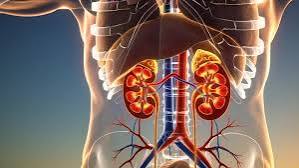
Depression in CKD: Prevalence, Causes, and Clinical Impact
Depression in CKD is both underdiagnosed and undertreated, partly because many of its symptoms overlap with symptoms of kidney disease itself (fatigue, poor appetite, disturbed sleep, difficulty concentrating) and partly because patients and clinicians may normalize psychological distress as an understandable response to serious illness rather than a distinct treatable condition. Physiological contributors to depression in CKD: uremic toxin accumulation disrupts neurotransmitter systems — serotonin, dopamine, and norepinephrine — that are central to mood regulation. Chronic inflammation (markedly elevated in CKD) activates the HPA axis and produces pro-inflammatory cytokines that are independently associated with depressive symptoms through what is termed the “cytokine model” of depression. Anemia (covered in the article on kidney disease and anemia) directly contributes to fatigue, low energy, and reduced physical functioning — symptoms that both cause depression and are indistinguishable from it clinically. Vitamin D deficiency — nearly universal in advanced CKD — is associated with depression in multiple observational studies, consistent with the role of vitamin D receptors in limbic system function. Sleep disruption (from RLS, OSA, and uremic insomnia) both causes and amplifies depression, creating a bidirectional cycle. Psychosocial contributors: beyond the biology, the lived experience of CKD generates substantial psychosocial stress. The diagnosis of a progressive, life-limiting illness is itself a major psychological stressor — particularly when it arrives without warning (many patients have no symptoms until eGFR is quite low). The loss of the life one expected — the ability to work, travel, eat freely, be spontaneous about daily activities — is a form of grief. The dependence on a machine three times per week for dialysis patients represents a profound loss of autonomy. Fear of progression to kidney failure, fear of death, and uncertainty about transplant listing and waiting time create chronic anxiety. The financial burden of kidney disease — treatment costs, medication costs, potential inability to work — compounds psychological stress. Clinical consequences of untreated depression in CKD: depression significantly impairs adherence to all aspects of CKD treatment — dietary restrictions, medication compliance, dialysis attendance, and fluid management. In dialysis patients, depression is independently associated with missed dialysis sessions, which are associated with substantially higher mortality. Depression impairs the immune system, worsens inflammatory markers, and may directly accelerate CKD progression through neuroendocrine mechanisms. In patients awaiting transplant, depression is associated with worse post-transplant outcomes. The NKF kidney disease and mental health resources are at the NKF mental health and kidney disease page.
Anxiety, Cognitive Decline, and Uremic Encephalopathy in CKD
Anxiety disorders, cognitive decline, and the more severe cognitive syndrome of uremic encephalopathy represent distinct but overlapping mental health dimensions of CKD that require different diagnostic and management approaches. Anxiety in CKD: clinically significant anxiety (generalized anxiety disorder, health anxiety, and procedural anxiety related to dialysis or medical procedures) affects approximately 20–40% of CKD patients. Health anxiety — excessive preoccupation with illness, test results, and disease progression — is particularly common in CKD because the disease genuinely does progress in many patients and requires extensive monitoring. Dialysis-related anxiety — fear of the needles, the machine, hypotensive episodes during treatment, or complications — affects a significant proportion of hemodialysis patients and can make dialysis an experience of dread rather than treatment. Procedural anxiety can lead patients to avoid dialysis sessions, request reduced treatment time, or leave dialysis early — all of which directly harm health outcomes. Cognitive decline in CKD: cognitive impairment is significantly more prevalent in CKD than in age-matched non-CKD populations, and its prevalence increases with advancing CKD stage. Studies using standardized cognitive assessments consistently find higher rates of impairment across multiple cognitive domains in CKD — processing speed, executive function, memory, and attention. The mechanisms include: chronic cerebral hypoperfusion (from reduced cardiac output and arterial stiffness driven by CKD-associated cardiovascular disease, covered in the article on kidney disease and heart health); uremic toxin effects on cerebrovascular endothelium and neuronal function; white matter changes and silent cerebral infarcts seen on brain imaging; and chronic sleep deprivation. Cognitive impairment in CKD patients has serious practical implications: complex medication regimens may not be reliably followed; dietary restrictions may not be consistently understood; shared decision-making about dialysis modality, transplant, and end-of-life care requires adequate cognitive function. Uremic encephalopathy: at the severe end of the spectrum, uremic encephalopathy — significant neurological impairment from uremic toxin accumulation in patients near or at kidney failure — produces confusion, altered level of consciousness, asterixis (flapping hand tremor), seizures, and in extreme cases coma. It is a medical emergency requiring urgent dialysis initiation or intensification. Milder forms of uremic neurotoxicity, producing cognitive slowing, personality change, and poor concentration without frank encephalopathy, are recognized in patients with advanced CKD stage 4–5 who are not yet on dialysis. Dialysis initiation significantly improves cognitive function in many patients with uremic neurotoxicity. The KDIGO CKD clinical practice guidelines are at the KDIGO CKD guidelines page.

Diagnosing and Treating Mental Health Conditions in CKD
The diagnosis and treatment of depression and anxiety in CKD requires adaptation from the general population approach because of the overlapping symptom picture, the necessity for medication dose adjustment, and the unique psychosocial context of kidney disease. Screening for depression and anxiety in CKD: validated screening tools include the Patient Health Questionnaire-9 (PHQ-9) for depression and the Generalized Anxiety Disorder-7 (GAD-7) for anxiety — both are brief questionnaires that patients can complete in under 5 minutes and that generate numerical scores reflecting symptom severity. The PHQ-9 asks about 9 depressive symptoms over the past two weeks; a score of 10 or above indicates moderate-to-severe depression and should prompt clinical assessment. These tools are in common use in primary care but are underutilized in nephrology — patients can download and self-administer them before a clinic visit to bring objective data to the conversation. Psychotherapy for CKD patients: cognitive behavioral therapy (CBT) is the best-evidenced psychological treatment for depression and anxiety in CKD. CBT adapted for medical illness addresses the specific cognitive patterns common in chronic disease — catastrophizing about test results, health anxiety spirals, learned helplessness in the face of disease progression, and avoidance behaviors. Several randomized controlled trials have demonstrated that CBT reduces depression and improves quality of life in dialysis patients. Access barriers include availability of therapists familiar with CKD, transportation difficulties for dialysis patients, and insurance coverage. Telehealth-based CBT has significantly expanded access and is particularly convenient for dialysis patients. Kidney disease support groups — both in-person through dialysis units and online through organizations like the American Kidney Fund and NKF — provide peer support and shared problem-solving that complements formal therapy. Antidepressant medications in CKD: selective serotonin reuptake inhibitors (SSRIs — sertraline, escitalopram, fluoxetine) are generally the first-choice antidepressants in CKD because they are effective, generally tolerated, and relatively safe in kidney disease. However, several caveats apply: SSRIs can cause hyponatremia (particularly relevant in CKD patients already at risk for sodium dysregulation); SSRIs have antiplatelet effects that may increase bleeding risk in dialysis patients receiving heparin; and drug accumulation in advanced CKD may require lower starting doses. Sertraline and escitalopram are considered among the safer SSRIs in CKD because they are primarily hepatically metabolized. Tricyclic antidepressants are generally avoided in advanced CKD due to accumulation of active metabolites and arrhythmia risk. All antidepressant prescribing in CKD should be discussed with the nephrologist to avoid drug-drug interactions and dose errors. The importance of nephrologist awareness: because depression and anxiety are so prevalent and impactful in CKD, and because they are consistently underdiagnosed, patients should feel empowered to raise their mental health at nephrology visits — not just with their primary care doctor or as a separate conversation. The integration of mental health into kidney care — through on-site social workers (present at most dialysis units), psychology services, and integrated care programs — is an evolving area of nephrology practice. The NIDDK patient information on CKD and quality of life is at the NIDDK CKD management page.
Coping With Kidney Disease: Practical Psychological Strategies
Beyond formal diagnosis and treatment, CKD patients can actively build psychological resilience and coping capacity through evidence-based strategies that address the specific stressors of chronic kidney disease. Illness acceptance and values-based living: acceptance and commitment therapy (ACT) — a variant of CBT — focuses on accepting the reality of chronic illness without unnecessary struggle against what cannot be changed, while identifying and actively pursuing meaningful activities and relationships that align with personal values. For CKD patients, this means accepting disease limitations without giving up on meaningful life goals, finding ways to adapt activities to accommodate dialysis schedules and physical limitations, and focusing on what is possible rather than on what has been lost. Social support and isolation prevention: social isolation is a major risk factor for depression and mortality in CKD. Many dialysis patients experience progressive social withdrawal as dialysis schedules, fatigue, and dietary restrictions make social activities more difficult. Maintaining social connections — through regular contact with family and friends, participation in kidney support groups, or online CKD communities — provides emotional support and reduces the isolation that amplifies depression. Dialysis units can themselves be social spaces; some patients develop meaningful relationships with fellow patients and staff over years of shared treatment. Physical activity: even modest levels of regular physical exercise reduce depression and anxiety, improve quality of life, and have direct kidney-protective effects in CKD. Intradialytic exercise (exercise during dialysis sessions, such as pedaling a stationary bike attached to the dialysis chair) is feasible and well-tolerated, and has been shown to improve mood, physical function, and even dialysis adequacy in randomized trials. Patients should discuss exercise options with their nephrology team rather than assuming exercise is not appropriate for them. Information and shared decision-making: some patients find that having clear information about their disease, their monitoring schedule, and their treatment options reduces health anxiety by replacing uncertainty with knowledge. Others find that too much information amplifies anxiety. Patients should reflect on which information style serves them better — and communicate this preference to their care team. Active participation in shared decision-making about treatment options (which dialysis modality, when to list for transplant, how aggressively to manage complications) gives patients a sense of agency in a situation where loss of control is a major source of distress. For patients navigating the decision between dialysis options, the article on questions to ask about dialysis or transplant provides a framework for those conversations. The StatPearls reference on depression in CKD is at the StatPearls resource on depression in chronic disease. For patients managing the full spectrum of CKD complications alongside mental health, the article on kidney disease and long-term monitoring covers how to track and manage all dimensions of disease over time.
Sources: NIDDK CKD Management · KDIGO CKD Guidelines · National Kidney Foundation · StatPearls: Depression in CKD
The Psychological Burden of Dialysis: What Patients and Families Face
Life on dialysis represents one of the most psychologically demanding chronic disease management regimens in medicine. Understanding the specific psychological challenges of dialysis — distinct from CKD mental health burden generally — helps both patients and their families recognize what they are experiencing, reduces isolation by normalizing common reactions, and identifies specific targets for support. Loss of freedom and the dialysis schedule: hemodialysis requires attending a dialysis center 3–4 times per week, typically for 3.5–4 hours per session, plus travel and waiting time — accounting for 15–20 hours per week of the patient’s life spent in direct dialysis-related activity. The schedule is largely inflexible; sessions cannot be skipped without serious health risk. This constraint shapes every aspect of daily life: work schedules must accommodate dialysis; travel is complicated by the need for temporary dialysis arrangements at the destination; social activities must fit around treatment days and the post-dialysis fatigue that follows each session. Many patients describe their lives as organized around dialysis rather than dialysis fitting into their lives — a fundamental inversion of agency that is psychologically corrosive over months and years. Dietary and fluid restrictions: dialysis patients face some of the most restrictive dietary requirements of any chronic disease — limiting potassium, phosphorus, sodium, and fluid simultaneously. These restrictions affect social eating (declining foods at gatherings, being unable to eat “normally” at restaurants, explaining dietary needs to hosts), holiday traditions, and the simple pleasure of eating freely. The social and cultural significance of shared food makes dietary restriction more than a nutritional inconvenience — it isolates patients from experiences that carry deep social meaning. Body image and physical changes: dialysis patients often experience significant physical changes — the arteriovenous fistula on the arm (which requires needling every session), fluid weight fluctuations between dialysis sessions (many patients gain 2–4 kg between sessions and feel bloated, then feel drained after fluid removal), muscle wasting from protein-energy malnutrition, pallor and skin changes from uremia. These physical alterations can affect body image and self-perception. Uncertainty and prognosis: many dialysis patients face chronic uncertainty about their prognosis — whether they will be listed for transplant, how long they will wait, whether their condition will deteriorate, whether complications will arise. This uncertainty is particularly stressful because it is not resolvable — unlike many acute medical situations where an outcome is known within days to weeks, dialysis patients may face years of uncertainty about their trajectory. Caregiver and family burden: CKD and dialysis affect not just the patient but the entire family system. Spouses and family members take on caregiver roles — driving to dialysis, managing medications, adapting cooking and food purchasing to dietary restrictions, providing emotional support, and often experiencing their own depression and anxiety. Caregiver burnout is common in families managing dialysis, and addressing it is part of comprehensive CKD care. Family therapy and caregiver support programs — offered through some dialysis centers and kidney disease organizations — can help. Post-transplant psychological adjustment: kidney transplantation, while transformative, does not immediately restore psychological wellbeing. The immediate post-transplant period is characterized by hypervigilance about rejection, anxiety about medication compliance (missing immunosuppressive medications can lead to rejection), and adjustment to a new physical state. Depression is present in 10–25% of kidney transplant recipients and requires active management. The psychological transition from “sick patient” to “transplant recipient” involves its own adjustment process that benefits from psychological support. The article on kidney disease and healthy aging covers how older adults navigate the specific psychological and medical challenges of CKD, and the kidney disease and mineral balance article covers how electrolyte dysregulation contributes to fatigue and mood symptoms that overlap with depression. The American Psychological Association and the Kidney Disease Outcomes Quality Initiative (KDOQI) together emphasize that psychological assessment should be a standard part of dialysis care — patients who are not offered it should ask their dialysis social worker or nephrologist to connect them with psychological services.
When to Seek Urgent Mental Health Support in CKD
While depression and anxiety in CKD are common and typically respond to treatment over weeks to months, certain symptoms require urgent mental health attention rather than routine follow-up. CKD patients and their families should be aware of warning signs that indicate the need for immediate support. Suicidal ideation: suicide risk is elevated in dialysis patients compared to the general population. The combination of chronic severe illness, loss of autonomy, social isolation, untreated depression, chronic pain, and financial stress creates conditions that substantially elevate suicide risk. Any CKD patient who experiences thoughts of suicide — including passive death wishes (“I wouldn’t mind if I just didn’t wake up”) or active thoughts of ending their life — should receive urgent mental health evaluation. In the US, the 988 Suicide and Crisis Lifeline (call or text 988) provides immediate support. Voluntarily stopping eating and drinking (VSED): some dialysis patients who feel that the burdens of treatment outweigh its benefits, or who have reached a point where quality of life is no longer acceptable to them, choose to stop dialysis — a legally and ethically permissible decision that results in death within 1–2 weeks. VSED (voluntarily stopping eating and drinking) is a related decision. These are complex decisions that should involve the care team, palliative care specialists, and ideally a mental health professional to ensure that the decision reflects enduring values and not untreated depression. Not all patients who discontinue dialysis are depressed — but it is essential to screen for and treat depression before accepting a withdrawal-of-treatment request. Inability to function: depression severe enough to prevent basic self-care — inability to eat, attend dialysis, take medications, or communicate effectively — requires urgent psychiatric evaluation, as it may require inpatient treatment or more intensive outpatient management than primary care alone can provide. Cognitive deterioration: acute worsening of cognitive function in a CKD patient — new confusion, disorientation, memory failure, or behavioral change — should prompt immediate evaluation for uremic encephalopathy, medication toxicity, electrolyte abnormalities (severe hyponatremia, hyperkalemia), or acute cerebrovascular events, all of which are medical emergencies. The NKF patient resources on emotional wellbeing are at the NKF kidney disease mental health page. Managing mental health alongside kidney disease is not an optional add-on to kidney care — it is an integral part of achieving the best possible outcomes on every dimension, from blood pressure control to survival.
My husband has been on dialysis for four years and I’ve watched him become a completely different person — withdrawn, uninterested in activities he used to love, and certain that he’s a burden. I’ve been trying to get him to talk to someone but he dismisses it as ‘not for him.’ This article gives me language to talk to his nephrologist about it at his next appointment. I didn’t realize the dialysis social worker is specifically trained for this — we’ve never been told that was available.
Laura, the dialysis social worker is one of the most important and underutilized resources in the dialysis system. Federal regulations require that every dialysis unit employ or contract with a social worker — they are specifically trained in the psychological challenges of ESRD and dialysis, can provide direct counseling, and can connect patients and families with community resources, financial assistance programs, and mental health referrals. Many patients and families have never been explicitly told this. At the next appointment, asking to meet with the dialysis social worker is a completely appropriate and supported request — it doesn’t require a referral and is part of the standard care team.
I was recently diagnosed with CKD stage 3 and have been struggling with what I can only describe as grief — mourning the life I thought I was going to have. I didn’t expect to find that in an article about kidney disease. The section on illness acceptance and values-based living resonates with me. I’ve been so focused on what I can no longer do that I haven’t thought about what I can actively prioritize. Going to look into ACT-based therapy specifically.