
The kidneys do far more than filter waste from the blood — they are the primary regulators of electrolyte and mineral balance in the body, precisely controlling the levels of potassium, sodium, phosphorus, calcium, magnesium, and bicarbonate through continuous filtration, reabsorption, and excretion. When kidney function declines, this regulatory system breaks down in multiple simultaneous ways, and the resulting imbalances — elevated potassium, high phosphorus, low bicarbonate, altered sodium handling — are among the most clinically significant and potentially dangerous consequences of chronic kidney disease (CKD). Unlike many other complications of CKD that develop gradually over years, some mineral and electrolyte imbalances, particularly hyperkalemia (elevated potassium), can become life-threatening in a matter of hours. Managing mineral balance in CKD requires a combination of dietary modification, medication, and regular laboratory monitoring. This article covers the key electrolytes and minerals affected by CKD, explains why each imbalance develops and what its clinical consequences are, and provides practical guidance for patients on dietary management and working effectively with their care team. For patients who have already read about CKD-MBD, the bone-specific complication of mineral dysregulation, the companion article on kidney disease and bone health covers the mechanisms of CKD-MBD in detail; this article takes a broader view of the full mineral balance picture in CKD.
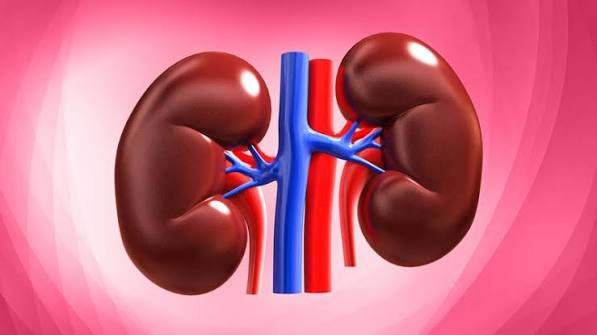
How the Kidneys Regulate Electrolyte and Mineral Balance
Understanding why CKD disrupts mineral balance requires understanding how healthy kidneys normally maintain it. The kidneys process approximately 180 liters of filtered fluid per day, reabsorbing the vast majority and excreting a small, precisely calibrated fraction based on the body’s current needs. This process is hormonally regulated through multiple feedback systems that adjust moment-to-moment to maintain electrolyte levels within narrow ranges. Potassium regulation: healthy kidneys excrete roughly 90% of all dietary potassium. Potassium filtration is nearly complete at the glomerulus, and excretion is regulated primarily in the distal nephron (collecting duct) by aldosterone. As kidney function declines, this excretion capacity falls proportionally. The kidneys also play a critical role in buffering acute potassium loads — after a high-potassium meal, a rapid shift of potassium into cells (mediated by insulin and catecholamines) buys time while the kidneys increase excretion. In advanced CKD, both the excretory capacity and the adaptive response are impaired. Phosphorus regulation: the kidneys are the primary route of phosphorus excretion. In early CKD, elevated FGF-23 and PTH suppress tubular phosphorus reabsorption to maintain near-normal serum phosphorus. As CKD progresses, these compensatory mechanisms are overwhelmed and serum phosphorus rises. Hyperphosphatemia is nearly universal in dialysis patients without dietary restriction and binder therapy. Sodium and water regulation: healthy kidneys regulate total body sodium content, which in turn determines extracellular fluid volume and blood pressure. CKD impairs the kidneys’ ability to excrete excess sodium, contributing to fluid retention, hypertension, and edema. Advanced CKD may also impair the kidneys’ ability to excrete free water, creating risk of hyponatremia (dilutional). Bicarbonate and acid-base regulation: the kidneys excrete acid and regenerate bicarbonate, maintaining blood pH within a narrow range (7.35–7.45). In CKD, reduced nephron mass means less acid excretion capacity and less bicarbonate regeneration, leading to metabolic acidosis (low blood bicarbonate). Metabolic acidosis accelerates muscle protein catabolism, worsens bone loss, and may accelerate CKD progression. Calcium and magnesium: fine-tuned calcium excretion and reabsorption are regulated by PTH and calcitriol; in CKD, the disruption of vitamin D activation and PTH dysregulation creates complex hypocalcemia and hypercalcemia risk depending on the stage and treatment. Magnesium is primarily excreted by the kidneys, and while less clinically dangerous than potassium imbalances in most CKD patients, hypermagnesemia becomes relevant in dialysis patients and those taking magnesium-containing antacids or laxatives. The NIDDK’s patient resource on CKD laboratory findings is at the NIDDK CKD tests and diagnosis page.
Potassium in CKD: Understanding and Managing Hyperkalemia
Hyperkalemia — elevated serum potassium — is the most immediately dangerous mineral imbalance in CKD because potassium is critical to cardiac electrical function. Potassium determines the resting membrane potential of cardiac myocytes; when serum potassium rises above approximately 6.0 mEq/L, cardiac conduction abnormalities develop that can progress to fatal arrhythmias (ventricular fibrillation or cardiac arrest) without warning. Hyperkalemia is the most common reason for emergency hospitalization and sudden death in dialysis patients, and it occurs with increasing frequency as eGFR falls below 30 mL/min. Who is at highest risk: CKD patients on ACE inhibitors or ARBs (which reduce potassium excretion — these medications are kidney-protective but require careful monitoring of potassium); patients with diabetes (insulin deficiency and hyperglycemia impair the cellular potassium shift); patients on potassium-sparing diuretics (spironolactone, eplerenone); patients with metabolic acidosis (acidosis shifts potassium out of cells into the bloodstream); and patients on NSAIDs (which reduce aldosterone-mediated potassium excretion). Symptoms of hyperkalemia: mild hyperkalemia (5.5–6.0 mEq/L) is often asymptomatic. As levels rise, patients may experience muscle weakness, fatigue, or palpitations. Severe hyperkalemia (above 6.5–7.0 mEq/L) can cause progressively dangerous EKG changes and cardiac arrest — often without prominent warning symptoms. This is why regular potassium monitoring, not symptom reporting, is the primary safety mechanism. Dietary potassium restriction in CKD: potassium restriction is typically recommended when serum potassium consistently rises above 5.0 mEq/L in CKD. The generally recommended target is 2,000–3,000 mg of dietary potassium per day (normal dietary potassium intake is 3,500–4,700 mg/day). High-potassium foods to reduce include: bananas, oranges, kiwi, avocados, tomatoes, potatoes, sweet potatoes, spinach, beans and lentils, dairy products, and salt substitutes (most salt substitutes use potassium chloride instead of sodium chloride — patients must be warned that “no-salt” or “low-sodium” salt alternatives may be dangerous in CKD). Cooking techniques to reduce potassium: potassium leaches into water when food is cut and soaked. Peeling and cutting vegetables, then soaking in water for 2+ hours and boiling in fresh water (not the soaking water), significantly reduces the potassium content of root vegetables like potatoes — this technique is called “leaching” and can reduce potassium by 30–60% in high-potassium vegetables. Medications for hyperkalemia management: sodium bicarbonate corrects metabolic acidosis and helps shift potassium back into cells. Patiromer (Veltassa) and sodium zirconium cyclosilicate (Lokelma) are newer potassium binders that exchange potassium in the gut for sodium or calcium, providing sustained potassium lowering for CKD patients who require RAAS inhibitors for kidney protection. For acute severe hyperkalemia, intravenous calcium gluconate stabilizes the cardiac membrane, while glucose plus insulin rapidly drives potassium into cells pending dialysis or other definitive treatment. Monitoring recommendations: potassium should be checked at every nephrology visit, and additionally whenever medications are changed that affect potassium (starting or increasing RAAS inhibitors, diuretics), whenever dietary changes are made, and after any illness involving poor oral intake, vomiting, or diarrhea (which can rapidly alter potassium balance). Patients with CKD stage 4–5 or dialysis should have access to a clear protocol — confirmed with their care team — for what to do if they experience symptoms that could indicate dangerous hyperkalemia. The article on kidney disease and high blood pressure covers RAAS inhibitors and potassium monitoring in more detail, and the potassium and kidney disease article provides a comprehensive guide to dietary potassium management. The KDIGO clinical practice guideline on CKD management is at the KDIGO CKD evaluation and management guidelines page.
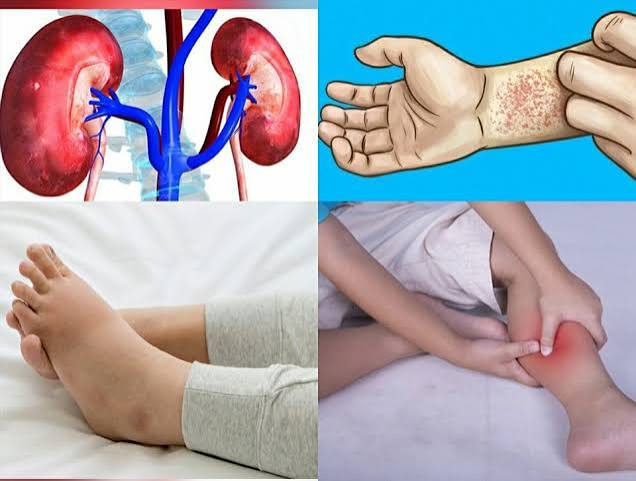
Phosphorus, Calcium, and Metabolic Acidosis in CKD
Phosphorus accumulation and metabolic acidosis are two of the most consequential and manageable mineral imbalances in CKD, each with effects that extend well beyond the mineral itself. Hyperphosphatemia: as kidney function declines, phosphorus excretion falls and serum phosphorus rises. Initially (in CKD stages 1–3), FGF-23 and PTH elevation compensates by increasing phosphorus excretion per remaining nephron — this compensation is itself harmful (elevated FGF-23 is an independent cardiovascular risk factor), but serum phosphorus remains within normal range. By CKD stage 4–5 and especially in dialysis, phosphorus rises substantially above normal (above 5.5 mg/dL) without aggressive dietary and pharmacological management. The clinical consequences of hyperphosphatemia include: acceleration of secondary hyperparathyroidism (elevated phosphorus further suppresses calcitriol and stimulates PTH); vascular calcification (elevated calcium-phosphorus product drives calcification of blood vessels and heart valves, as detailed in the companion bone health article); and pruritus (uremic itch). Phosphorus management consists of dietary restriction (800–1000 mg/day), phosphate binders taken with every meal (calcium carbonate, sevelamer, lanthanum carbonate, ferric citrate — the choice depends on calcium levels, cardiovascular calcification status, and other factors), and ensuring adequate dialysis clearance. Notably, phosphorus in processed foods and additives is more bioavailable than naturally occurring phosphorus in whole foods — a patient who reduces processed food consumption while maintaining some whole grain, legume, and lean protein intake may achieve better phosphorus control than one who cuts protein broadly. Calcium dysregulation: calcium balance in CKD is complex: calcitriol deficiency reduces intestinal calcium absorption, creating a tendency toward hypocalcemia; simultaneously, treatment with calcium-containing phosphate binders and calcitriol analogues raises the risk of hypercalcemia and an elevated calcium-phosphorus product. Elevated calcium-phosphorus product (calcium × phosphorus above 55 mg²/dL²) is associated with markedly increased vascular calcification risk. Management involves regular monitoring of both calcium and phosphorus, choosing non-calcium binders when hypercalcemia or elevated product is present, and using active vitamin D judiciously. Metabolic acidosis: the kidneys regenerate bicarbonate (the body’s primary buffer against acid) through two mechanisms: reabsorption of filtered bicarbonate and net acid excretion (titratable acid and ammonium). Both mechanisms require functioning nephron mass. As CKD progresses, net acid excretion capacity falls below the rate of endogenous acid production, and blood bicarbonate levels decline (metabolic acidosis), typically to 18–22 mEq/L in advanced CKD (normal is 22–26 mEq/L). The clinical consequences of chronic metabolic acidosis in CKD are significant and extend well beyond acid-base chemistry: acidosis drives protein catabolism (increasing muscle wasting and malnutrition risk), accelerates bone resorption (bones act as a bicarbonate buffer, releasing calcium carbonate to neutralize acid — compounding bone loss), may accelerate CKD progression through tubular toxicity, promotes insulin resistance, and is associated with increased cardiovascular mortality. Treatment of metabolic acidosis: oral sodium bicarbonate supplementation — at doses of 650 mg to 4000 mg per day — corrects acidosis, and observational studies suggest it may slow CKD progression and reduce protein catabolism. Veverimer (Tricarbon), an oral acid-removal medication recently under development, offers an alternative mechanism. Dietary modification also helps — a diet high in fruits and vegetables (which have alkali-producing organic anions) has been associated with better acid balance in CKD. The important caveat is that some high-alkali fruits and vegetables are also high in potassium, so any dietary strategy must be balanced against potassium restriction needs. The NKF resource on CKD diet and nutrition is at the NKF CKD resource page, and patients with diabetes and CKD should see the article on kidney disease and diabetes for how metabolic acidosis interacts with insulin resistance.
Sodium, Fluid Balance, and Magnesium in CKD
While potassium and phosphorus receive the most attention in CKD mineral management, sodium and magnesium dysregulation also have important clinical consequences that require understanding and management. Sodium and fluid retention in CKD: the kidneys regulate total body sodium content, which determines extracellular fluid volume. In CKD, reduced GFR impairs sodium excretion — dietary sodium is retained rather than excreted, increasing extracellular volume. This manifests clinically as hypertension, peripheral edema (swelling of the legs and ankles), and pulmonary edema (fluid in the lungs, causing shortness of breath). The relationship between sodium, fluid retention, and blood pressure in CKD is particularly important because hypertension is both a cause and consequence of CKD progression, and sodium restriction is one of the most powerful non-pharmacological interventions for blood pressure control in CKD. The standard sodium restriction recommendation in CKD is 2,000–2,300 mg per day (corresponding to approximately 5–6 grams of table salt), compared to the typical American dietary intake of 3,400–3,600 mg per day. Reducing sodium requires avoiding processed foods (which account for 70–75% of dietary sodium), cooking from whole ingredients, using herbs and spices rather than salt, and reading nutrition labels. Many “heart-healthy” low-sodium foods are appropriate for CKD patients, but the important caveat is that some low-sodium products use potassium chloride as a salt substitute — for CKD patients with hyperkalemia risk, these products may worsen potassium control even while improving sodium intake. Hyponatremia in CKD: while sodium retention and hypernatremia are the more common concerns in CKD, dilutional hyponatremia (low serum sodium due to excess water relative to sodium) can develop in advanced CKD, particularly in dialysis patients who gain large amounts of fluid between sessions. Severe hyponatremia causes neurological symptoms including confusion, seizures, and — in extreme cases — death. Fluid restriction (typically 1,000–1,500 mL per day in dialysis patients, adjusted based on residual kidney function and interdialytic weight gain) is the primary management strategy. Magnesium in CKD: magnesium is filtered at the glomerulus and reabsorbed in the tubules; as kidney function declines, magnesium excretion falls and serum magnesium tends to rise (hypermagnesemia). Mild hypermagnesemia is common in CKD stages 4–5 and dialysis and is typically asymptomatic. Significant hypermagnesemia (above 4–5 mg/dL) can cause neuromuscular depression (weakness, loss of reflexes), hypotension, and — at very high levels — respiratory depression and cardiac arrest. Magnesium-containing medications — including many antacids (magnesium hydroxide, magnesium carbonate) and certain laxatives (magnesium sulfate, magnesium citrate) — are particularly problematic in advanced CKD because they provide a significant magnesium load that healthy kidneys would easily excrete. CKD patients should specifically tell their pharmacist and nephrologist about all over-the-counter medications, including antacids and laxatives, to avoid inadvertent magnesium loading. Hypomagnesemia (low magnesium) is less common in CKD but can occur in patients on certain diuretics (loop diuretics increase magnesium excretion) or with poor dietary intake. Magnesium deficiency contributes to muscle cramps, cardiac arrhythmias, and impaired PTH secretion. The StatPearls reference on electrolyte disorders in CKD is at the StatPearls electrolyte disorders resource. The companion article on kidney disease and heart health covers how sodium, fluid retention, and electrolyte imbalances interact with cardiovascular risk in CKD.
Putting It Together: Practical Mineral Balance Management in CKD
Managing multiple concurrent mineral restrictions in CKD is genuinely challenging — the dietary requirements for CKD mineral balance are more complex than any single-nutrient restriction, because different stages of CKD require different restrictions, the restrictions interact with each other (a food low in potassium may be high in phosphorus, or vice versa), and the optimal approach depends on current laboratory values, medications, and dialysis status. The role of the renal dietitian: a registered dietitian with specialized training in kidney disease (a renal dietitian or renal nutrition specialist) is a cornerstone of CKD mineral management. Renal dietitians individualize dietary recommendations based on current lab values, medications, dialysis schedule, other medical conditions, food preferences, and cultural background. They can calculate specific targets (not just general guidance) for potassium, phosphorus, sodium, protein, and fluid, and update those targets as disease progresses or lab values change. Regular sessions with a renal dietitian — particularly at disease transitions such as initiating dialysis, changing modality, or adding new medications — provide a level of individualization that general online resources cannot match. Medicare covers Medical Nutrition Therapy (MNT) for CKD patients with eGFR below 50 mL/min who are not on dialysis, and for all dialysis patients. Laboratory monitoring schedule: in CKD stage 3, electrolytes (sodium, potassium, bicarbonate), phosphorus, calcium, and PTH are typically checked every 3–6 months. In CKD stage 4–5, these are checked every 1–3 months. Dialysis patients typically have potassium, phosphorus, and calcium checked monthly as part of their routine dialysis labs. Patients should know which labs are being followed and roughly what their target ranges are — this enables more productive conversations with their care team and helps them understand why dietary recommendations change over time. When dietary management is not enough: dietary restriction alone is usually insufficient in advanced CKD for both potassium and phosphorus — medications (potassium binders, phosphate binders, sodium bicarbonate) are typically required in combination with diet. Starting medications does not mean diet no longer matters — the combination of dietary restriction and appropriate medication consistently produces better mineral control than either alone. The NKF Kidney Learning System at the NKF professional guidelines page provides the clinical standards underlying these recommendations. For patients who are approaching kidney failure and evaluating dialysis options, the article on kidney failure treatment options covers how different dialysis modalities affect mineral balance management, including which electrolytes are cleared more effectively by hemodialysis versus peritoneal dialysis. The broader context of slowing kidney disease progression — in which mineral management plays a role — is covered in the article on slowing kidney disease progression.
Sources: NIDDK CKD Tests and Diagnosis · KDIGO CKD Guidelines · National Kidney Foundation · StatPearls: Electrolyte Disorders in CKD
Recognizing Mineral Imbalance Symptoms and Knowing When to Seek Care
Because many electrolyte imbalances in CKD are asymptomatic until they reach dangerous levels, regular laboratory monitoring is more important than waiting for symptoms. However, certain symptom patterns should prompt CKD patients to contact their care team promptly rather than waiting for a scheduled appointment. Symptoms that may indicate dangerous hyperkalemia: sudden-onset muscle weakness (particularly in the legs), palpitations or irregular heartbeat, chest pain, difficulty breathing, or a “heavy” feeling in the chest in a CKD patient with known elevated potassium or recent dietary indiscretion should be treated as a potential cardiac emergency. Any CKD patient who experiences these symptoms, especially if they have missed dialysis, eaten a high-potassium meal, or recently started a new RAAS-inhibiting medication, should seek emergency evaluation immediately — hyperkalemia above 7 mEq/L can cause cardiac arrest within minutes to hours. Symptoms of metabolic acidosis: chronic low-grade metabolic acidosis may cause fatigue, muscle weakness (often confused with general CKD symptoms), decreased exercise tolerance, and weight loss from muscle catabolism. Acute worsening — from diarrhea (bicarbonate loss), reduced oral intake, or illness — can cause rapid breathing (Kussmaul respirations, the body’s attempt to blow off carbon dioxide to compensate for metabolic acid), confusion, and nausea. Symptoms of hyponatremia: low sodium, when it develops gradually, causes progressive headache, confusion, and nausea. Rapid-onset hyponatremia (from excessive fluid intake relative to excretion) can cause seizures and loss of consciousness. Dialysis patients should not drink excessive amounts of water between sessions — the kidney is no longer available to excrete the excess. Monitoring your own mineral balance between appointments: keeping a food diary, tracking how much fluid you drink daily, and regularly checking home blood pressure (which reflects sodium and fluid status) between clinic visits gives patients and their care team better information between scheduled lab draws. Many dialysis patients are familiar with interdialytic weight gain as an indirect measure of fluid retention — a weight gain above 1 kg per day or more than 3 kg between dialysis sessions suggests significant fluid accumulation that may indicate excessive sodium or fluid intake. Understanding the connection between what you eat and how your body responds to it — through blood pressure changes, weight changes, and eventually lab values — is one of the most empowering aspects of active CKD self-management. The article on kidney disease and anemia covers how mineral imbalances interact with erythropoiesis and fatigue in CKD, helping patients distinguish mineral-related symptoms from anemia-related symptoms.
I didn’t realize that salt substitutes could actually raise my potassium levels — my doctor told me to reduce sodium and I was using a lot of those NoSalt products. After reading this I asked my nephrologist and she confirmed I need to stop using them immediately. This is exactly the kind of practical information that should be given to every CKD patient at diagnosis.
Thank you for sharing this, Sandra — the salt substitute warning is one of the most important and frequently missed points in CKD dietary education. Potassium chloride-based substitutes are widely marketed as heart-healthy alternatives to sodium chloride, but for CKD patients with compromised potassium excretion, they can cause rapid hyperkalemia. Every CKD patient should check the ingredient list of any low-sodium or no-sodium product they use, and check with their nephrologist or renal dietitian if they are unsure.
The section on metabolic acidosis was really eye-opening for me. I’ve been taking sodium bicarbonate for a while but didn’t understand why — now I understand that it’s actually protecting my muscles and possibly slowing the kidney disease progression. The explanation of how acidosis makes the body use bone as a buffer against acid also helps me understand why my nephrologist keeps emphasizing the bicarbonate level in my labs.