
Herbal supplements occupy a uniquely hazardous position in kidney disease management: they are widely perceived as natural and therefore safe, they are not regulated with the same rigor as prescription medications, and several herbal compounds have documented nephrotoxic (kidney-damaging) effects that have caused irreversible kidney injury and even end-stage renal disease in otherwise healthy adults. For patients who already have chronic kidney disease (CKD), the stakes are even higher — a kidney with reduced nephron mass and compromised filtration is more vulnerable to the toxic effects of herbal compounds, and the accumulation of herbal metabolites that healthy kidneys would excrete can reach dangerous concentrations in patients with impaired clearance. At the same time, not all herbal products are equally harmful in CKD, some traditional medicinal plants have genuine evidence of benefit in kidney-related conditions, and the categorical dismissal of all botanical medicine does not reflect the evidence. This article covers the most dangerous herbal supplements for kidney patients, the well-documented herbal nephrotoxicity syndromes, safer herbal options with some evidence base, and the framework for evaluating any herbal product in the context of kidney disease. The general framework for evaluating all supplements in CKD is covered in the companion article on supplements for kidney health, while the related topic of supplement safety for people with kidney disease covers the broader framework for safe supplement decision-making.
The Most Dangerous Herbal Nephrotoxins: What Every Kidney Patient Must Avoid
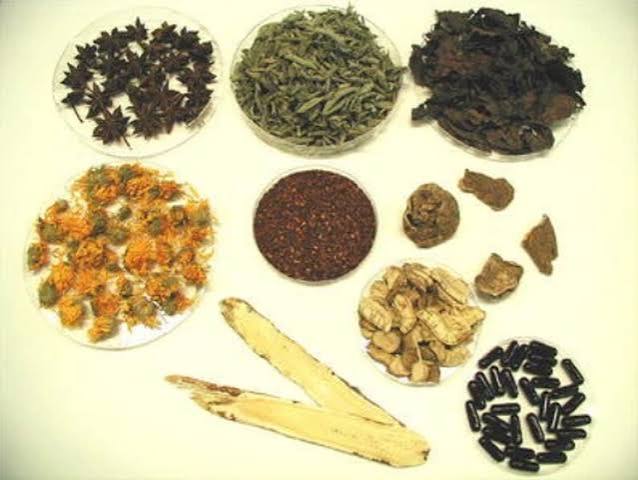
Several herbal compounds have strong enough evidence of nephrotoxicity that they are categorically contraindicated in patients with any degree of kidney disease — and should be avoided by everyone given their nephrotoxic potential. Aristolochic acid (aristolochic acid nephropathy): aristolochic acid is arguably the most potent known herbal nephrotoxin, responsible for an irreversible nephropathy (aristolochic acid nephropathy, AAN) that has caused widespread end-stage renal disease and is also strongly carcinogenic to the urothelium. Aristolochic acid is found in plants of the Aristolochia and Asarum genera, which have been used in traditional Chinese medicine and various other traditional medical systems under names including Guang Fang Ji, Guan Mu Tong, Ma Dou Ling, Tian Xian Teng, Qing Mu Xiang, and Xi Xin. The nephrotoxicity is dose-dependent but can be severe even with short-term exposure, and the resulting interstitial nephritis progresses to renal failure even after the herb is discontinued. Patients prescribed traditional Chinese herbal formulas should specifically ask whether any ingredients are Aristolochia or Asarum derivatives. These plants are banned from import and sale as dietary supplements in several countries including the United States (FDA ban, 2001), though contamination of multi-herb preparations remains a documented concern. Chromium picolinate at high doses: while not an herb, chromium picolinate is a popular supplement for weight loss and blood sugar management. Case reports and animal data associate high-dose chromium picolinate with acute kidney injury. Patients with CKD should avoid supplemental chromium beyond what is present in standard multivitamins. Thunder God Vine (Tripterygium wilfordii): used in traditional Chinese medicine for rheumatological conditions, thunder god vine extracts have caused nephrotoxicity in clinical reports including acute kidney injury and, with repeated exposure, progressive interstitial nephritis. It also has significant liver toxicity. While clinical trials for rheumatoid arthritis have been conducted, the narrow therapeutic window and organ toxicity risk make this an herb to avoid in CKD. Licorice root (Glycyrrhiza glabra) at high doses: while modest amounts of culinary licorice are generally safe, licorice root supplements and concentrated licorice extracts contain glycyrrhizin, which inhibits the enzyme 11-beta-hydroxysteroid dehydrogenase type 2, causing apparent mineralocorticoid excess — a syndrome of sodium retention, hypokalemia, and hypertension. Severe hypertension and hypokalemia from high-dose licorice supplementation has contributed to acute kidney injury in published case reports. CKD patients, who often already have hypertension and electrolyte imbalances, are particularly vulnerable to licorice’s mineralocorticoid effects. Pennyroyal, comfrey, and pyrrolizidine alkaloid-containing plants: comfrey (Symphytum officinale) and other plants containing pyrrolizidine alkaloids cause hepatic veno-occlusive disease and have been associated with renal injury in case reports. These herbs are not appropriate for internal use in any population and are particularly contraindicated in CKD. Willow bark and aspirin-like herbs in CKD: willow bark and other sources of salicylates (meadowsweet, wintergreen) have analgesic effects similar to aspirin. In CKD, NSAID-like compounds including natural salicylates can reduce renal prostaglandin synthesis, causing sodium retention, worsening hypertension, and acute-on-chronic kidney injury. CKD patients who need analgesics should use acetaminophen as first-line rather than salicylate-based products. The NIDDK information on kidney disease and medications is at the NIDDK CKD management page.
Herbal Supplements With Some Evidence and Relatively Lower Kidney Risk
Not all herbal supplements carry equal kidney risk, and some botanical preparations have been studied in CKD populations with evidence of modest benefit and acceptable safety profiles when used at appropriate doses with medical supervision. Understanding which herbs fall into this more nuanced category helps patients have productive conversations with their care team rather than treating all herbs as equally dangerous or equally harmless. Astragalus (Huang Qi): Astragalus membranaceus is one of the best-studied herbs in kidney disease research. Multiple Chinese clinical trials have reported benefits for proteinuria reduction and eGFR stabilization in CKD patients. The evidence is methodologically variable and the publication bias in Chinese medical literature is well-documented, but the weight of evidence suggests potential benefit beyond what would be expected from placebo. Astragalus itself (standardized single-herb preparations) does not contain aristolochic acid or other known nephrotoxins. The main caution is that traditional Astragalus preparations are often combined with other herbs that may include nephrotoxic species — standardized, single-ingredient Astragalus supplements from reputable manufacturers are safer than traditional multi-herb formulas. Turmeric/curcumin at moderate doses: as discussed in the supplements article, curcumin has anti-inflammatory properties relevant to CKD and does not contain known nephrotoxins at standard doses. The oxalate content of turmeric at culinary doses is moderate; concentrated curcumin supplements at high doses may increase oxalate load relevant for stone-prone patients. At standard doses (500–1000 mg/day of standardized curcumin extract), turmeric is not typically nephrotoxic. Green tea extract: green tea (Camellia sinensis) extract contains catechins including EGCG with antioxidant and anti-inflammatory properties. Standard green tea extract at doses equivalent to a few cups of tea per day does not have documented nephrotoxicity, and epidemiological data from Asian populations suggests that regular green tea consumption is associated with lower CKD incidence. However, very high doses of concentrated green tea extract (above 800 mg EGCG/day) have been associated with hepatotoxicity in case reports — hepatotoxicity can secondarily cause kidney injury through hepatorenal syndrome. CKD patients who want to use green tea extract should use modest doses and choose products with standardized EGCG content. Hibiscus (roselle) flower: hibiscus tea (Hibiscus sabdariffa) has been studied for its antihypertensive effects, with several small trials showing modest blood pressure reductions comparable to low-dose ACE inhibitors. This is potentially relevant in CKD patients with hypertension, though interactions with ACE inhibitor or ARB medications and potassium-related concerns in advanced CKD warrant discussion with the care team before regular use. The NKF patient resources on kidney health are at the NKF herbal supplements and kidney disease page.
How to Evaluate an Herbal Supplement for Kidney Safety
For CKD patients who want to evaluate a specific herbal supplement they are considering or are already taking, a systematic approach provides more reliable safety assessment than relying on marketing claims or general wellness resources. Step 1 — identify all ingredients: multi-ingredient herbal products (“kidney support formulas,” “detox blends,” “cleanse products”) often contain 10–30 ingredients, some of which may not be disclosed in full or may be listed under unfamiliar Latin botanical names. The first step is to obtain the complete ingredient list and look up each ingredient by its botanical name (not just common name) — different plants can share common names, and the “safe” common name may map to a dangerous botanical species. Step 2 — check for known nephrotoxins: specifically search each ingredient for known nephrotoxicity. The categories to flag include: any Aristolochia or Asarum species; herbs known to contain pyrrolizidine alkaloids (comfrey, borage, coltsfoot); high-dose salicylate herbs (willow bark, meadowsweet); herbal diuretics that can cause electrolyte depletion in CKD; and herbs with hepatotoxicity potential that could cause hepatorenal syndrome. The NKF and NIDDK maintain updated information on herbal nephrotoxins. Step 3 — check for drug interactions: herbal products can interact with the multiple medications CKD patients typically take. St. John’s Wort is the most potent inducer of CYP3A4 among common herbs and interacts with calcineurin inhibitors (tacrolimus, cyclosporine), statins, anticoagulants, and many other medications used in CKD. Ginseng interacts with warfarin. Ginkgo biloba increases bleeding risk and interacts with anticoagulants. Echinacea may stimulate immune responses that could be problematic in autoimmune kidney disease or transplant patients. Step 4 — check potassium and phosphorus content: some herbal preparations — particularly green superfood powders, spirulina, chlorella, and various “kidney support” formulas containing dried vegetable concentrates — have significant potassium and phosphorus content per serving. CKD patients with restricted potassium or phosphorus should account for these contributions. Step 5 — use a pharmacist: clinical pharmacists are often underused by CKD patients for herbal supplement evaluation. A pharmacist with access to the patient’s full medication list can perform a drug-herb interaction check that covers the entire medication regimen — not just the most obvious interactions. Many hospital systems and nephrology practices have clinical pharmacists available for consultation. Step 6 — discuss with the nephrologist: the nephrologist should be aware of all herbal supplements the patient is taking — not to prohibit all of them, but to monitor kidney function, watch for drug interactions, and provide guidance based on the specific CKD stage and medication regimen. “Natural” is not synonymous with “safe for my kidneys,” and undisclosed herbal supplement use is one of the avoidable causes of unexplained CKD progression. For patients doing a comprehensive review of all their supplements, the structured approach in the article on how to review kidney health supplements safely provides a complete evaluation framework. The StatPearls resource on herbal nephrotoxicity is available at the StatPearls herbal and dietary supplement nephrotoxicity page. The KDIGO guidelines for managing complications in CKD patients, including medication and supplement safety review, are at the KDIGO CKD evaluation and management page.
Sources: NIDDK CKD Management · National Kidney Foundation · StatPearls: Herbal Nephrotoxicity · KDIGO CKD Guidelines
Herbal Diuretics and Weight Loss Herbs: Special Risks in CKD
Two categories of herbal products deserve particular attention in CKD because they are marketed for appealing purposes (weight management and reducing fluid retention) yet carry substantial kidney-specific risks that patients may not anticipate. Herbal diuretics: dandelion leaf, juniper berry, horsetail, parsley root, buchu leaf, corn silk, and numerous other herbs are marketed as “natural diuretics” for water retention, bloating, and weight loss. In CKD patients, herbal diuretics carry risks on multiple fronts. First, increased fluid excretion in a patient with CKD can precipitate dehydration and pre-renal acute kidney injury — particularly in warmer weather, during illness, or when combined with prescription diuretics already in the medication regimen. Second, many herbal diuretics also contain potassium (most plant-based diuretics are potassium-rich), adding to the potassium load in patients who may already have hyperkalemia. Third, the diuretic effect of herbal preparations is unpredictable and uncontrolled in ways that prescription diuretics are not — there is no standardized dose-response relationship, and the active compound concentration varies between products and even between batches of the same product. CKD patients who need diuretic therapy should use prescription diuretics at medically supervised doses, not herbal diuretics that cannot be titrated or monitored. Weight loss and appetite suppression herbs: several herbal weight loss supplements have specific kidney safety concerns. Ephedra (ma huang, Ephedra sinica) has been associated with acute kidney injury and urinary calculi; it is banned from sale in the US but appears in some imported products. Bitter orange (synephrine) has sympathomimetic effects that can raise blood pressure — already a major concern in CKD. Senna (a laxative herb used in some “detox” and weight loss products) at high doses can cause hypokalemia and dehydration. Products marketed as “fat burners” or “metabolism boosters” often contain multiple stimulant and diuretic compounds with cumulative effects on blood pressure and kidney perfusion. CKD patients considering weight management should discuss safe approaches with their care team rather than using herbal weight loss products. The “kidney cleanse” and “detox” product problem: products marketed as kidney cleansers, kidney detoxifiers, or kidney support formulas are among the highest-risk herbal supplement categories for CKD patients. These products typically combine multiple herbal ingredients with the explicit marketing claim of “cleaning” or “flushing” the kidneys — a mechanism that is physiologically meaningless (healthy kidneys filter waste without herbal assistance, and impaired kidneys cannot be improved by herbal flushing). These products are often proprietary blends with undisclosed ingredient amounts, and the herbs they contain frequently include diuretics, traditional herbs with unverified safety profiles, and sometimes unknowingly include aristolochic acid-containing species in multi-herb Chinese formulas. A 2022 analysis of kidney supplement products available online found that a substantial proportion contained ingredients not listed on the label and several contained potentially nephrotoxic compounds. The safest approach for CKD patients is to avoid any product marketed specifically for “kidney cleansing,” “kidney detox,” or “kidney support” without specific evidence-based ingredients at disclosed, tested doses from third-party certified manufacturers. Traditional and Ayurvedic preparations: traditional Ayurvedic medicine uses numerous plants and mineral preparations for kidney conditions. Some Ayurvedic preparations (including Cystone, Neeri, and others) have been studied in small trials for kidney stone prevention with mixed but generally benign results. However, traditional Ayurvedic preparations also carry specific risks: heavy metal contamination (some traditional preparations intentionally contain lead, mercury, or arsenic at what Ayurvedic tradition considers therapeutic doses); combinations with poorly characterized herbs; and manufacturing quality variability. CKD patients interested in Ayurvedic or other traditional medicine approaches should specifically seek preparations from manufacturers who perform heavy metal testing, disclose all ingredients with botanical Latin names, and have third-party quality certification — and should discuss them with the nephrologist before starting. Traditional Chinese medicine (TCM) herbal formulas: TCM has one of the longest records of any traditional medical system for treating kidney conditions, and some TCM herbal preparations have genuine clinical evidence. The main risks specific to TCM in CKD are aristolochic acid contamination (both intentional in formulas containing Aristolochia and inadvertent through mislabeling or adulteration), heavy metal contamination in some traditional preparations, and uncharacterized interactions with the multiple medications CKD patients typically take. Working with a licensed and reputable practitioner of traditional Chinese medicine who is aware of the patient’s CKD and is specifically familiar with aristolochic acid-free prescribing is the appropriate framework for TCM use in CKD. Self-prescribing TCM formulas purchased online without practitioner oversight carries substantially higher risk. For CKD patients who want to understand how to systematically review not just herbal supplements but all their supplement use, the structured review approach in the companion article on how to review kidney health supplements safely provides a step-by-step framework applicable to all supplement categories. The magnesium and electrolyte concerns in some herbal preparations are also covered in the article on magnesium and kidney health.
Discussing Herbal Supplement Use With Your Healthcare Team
A significant barrier to safe herbal supplement use in CKD is the reluctance many patients feel to disclose herbal supplement use to their healthcare providers — surveys consistently show that 40–60% of patients who use herbal supplements do not tell their doctors. The reasons patients give for non-disclosure include fear of being judged, expectation of dismissal, belief that “natural” products don’t need to be disclosed, and not perceiving herbal supplements as relevant to medical care. Each of these reasons has consequences for patient safety. Why disclosure matters in CKD: unexplained CKD progression — eGFR declines that don’t match the expected trajectory for the patient’s underlying kidney disease — is sometimes explained on investigation by undisclosed herbal or supplement use. Aristolochic acid nephropathy and other herbal nephrotoxicity syndromes can present as a slowly progressive tubulointerstitial nephritis that resembles other CKD causes, and the diagnosis may not be made until the care team specifically asks about herbal supplement history. Disclosing herbal supplement use allows the nephrologist to: check the ingredients against the current nephrotoxin evidence base; assess interactions with the medication regimen; monitor kidney function more closely if a borderline-risk product is continued; and document the product in the record so that if kidney function changes, the temporal relationship can be investigated. How to have the conversation: patients who are concerned about their provider’s reaction to herbal supplement disclosure can frame the conversation productively: “I’ve been taking X for Y reason — I wanted to check whether any of the ingredients are safe with my kidney disease and current medications.” This framing respects the provider’s expertise while communicating the patient’s autonomy in their own health decisions. Most nephrologists and primary care clinicians who manage CKD have experience with herbal supplement questions and will appreciate the transparency. A clinical pharmacist — available at most hospital systems and many nephrology practices — can perform a systematic drug-herb interaction review that goes beyond what the physician may have time to do in a standard visit. Keeping a supplement log: maintaining a written or digital list of all current supplements — including product name, manufacturer, dose, and reason for use — makes disclosure straightforward and ensures completeness. The supplement log can be brought to clinic visits and pharmacy consultations, reducing the chance that a supplement is forgotten and omitted from discussion. The same log serves as a record for tracking any changes in kidney function that could be temporally related to a supplement’s introduction or discontinuation. Kidney disease management increasingly emphasizes patient self-advocacy and engagement with the care team, as covered in the monitoring framework in the article on kidney disease and long-term monitoring. For patients who want to take a proactive systematic approach to reviewing all their supplements for kidney safety — not just herbal ones — the structured framework in the article on supplement safety for people with kidney disease provides the complete evaluation process. The NKF has additional patient-focused information on herbal supplement risks in kidney disease at the NKF herbal supplements page.
My mother was taking a traditional Chinese herbal formula she bought from an herbalist for her arthritis, and her kidney function declined sharply over six months. Her nephrologist eventually traced it to one of the ingredients in the formula — a plant we later found out contained aristolochic acid. By then her eGFR had dropped from 45 to 28. This article explains exactly what happened and should be required reading for anyone with kidney disease who is considering herbal medicine.
Linda, aristolochic acid nephropathy is one of the most tragic preventable kidney injuries because the mechanism was identified clearly, the plants involved are well-characterized, and yet multi-herb traditional formulas continue to expose patients to aristolochic acid through inadequate labeling, substitution, and contamination. Your mother’s experience is unfortunately shared by many patients. For anyone in a similar situation — taking traditional multi-herb formulas — the safest step is to obtain the complete botanical ingredient list and have it reviewed by a nephrologist or pharmacist familiar with aristolochic acid sources before continuing.
The section on herbal diuretics and weight loss herbs is something I wish I had read earlier. I was taking a ‘natural detox’ product with dandelion and juniper and had no idea they were diuretics. I’m on a restricted fluid intake because of CKD stage 3b and I got dizzy and had an elevated creatinine at my next labs. The nephrologist asked if I’d changed anything and I didn’t mention the supplement. Will be having that conversation at my next appointment.