
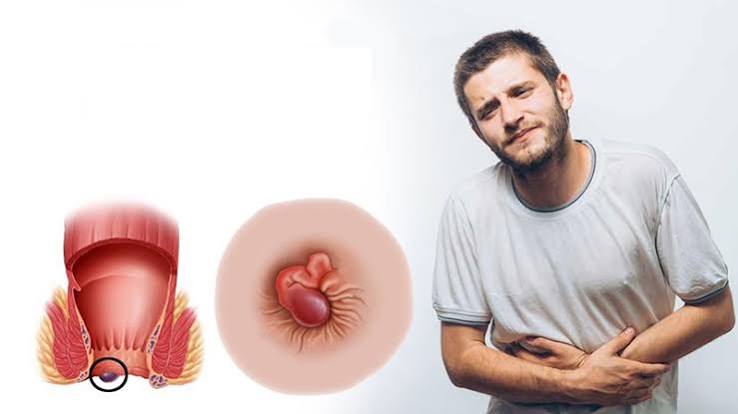
Hemorrhoids — known as haemorrhoids in British English — are one of the most common anorectal conditions affecting adults. Despite their prevalence, they are surrounded by misconception: many people believe they are varicose veins of the anus (they are not), that they cause cancer (they do not), or that rectal bleeding in adults automatically means hemorrhoids rather than something requiring investigation. Understanding hemorrhoid symptoms, causes, and prevention can resolve most of this confusion and help people make informed decisions about their own health.
What Are Hemorrhoids?
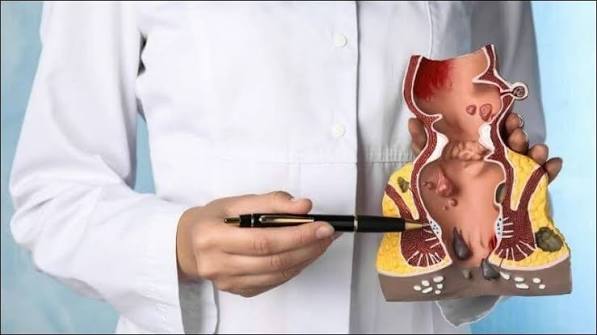
Hemorrhoids are not an abnormality — they are a normal anatomical structure that becomes symptomatic. Every person has three hemorrhoidal cushions positioned in the anal canal at approximately the 3, 7, and 11 o’clock positions. These cushions are composed of arteriovenous connections, smooth muscle, and connective tissue, and they serve an important function: they engorge with blood at rest to form a seal that helps maintain anal continence and discriminate gas from liquid and solid stool.
The critical distinction is between internal and external hemorrhoids:
- Internal hemorrhoids are located above the dentate line — an anatomical boundary approximately 2cm inside the anal canal. Above this line, the tissue lacks somatic pain fibres. Internal hemorrhoids therefore do not cause pain in the absence of complications — they bleed and they prolapse, but they are not painful unless strangulated.
- External hemorrhoids are located below the dentate line, where tissue is richly innervated by somatic pain fibres. External hemorrhoids cause pain, itching, and discomfort. When blood clots within one — a thrombosed external hemorrhoid — it produces sudden, severe acute perianal pain.
The Goligher classification grades internal hemorrhoids by degree of prolapse:
- Grade I: Bleed but do not prolapse; confined to the anal canal
- Grade II: Prolapse on straining but reduce spontaneously
- Grade III: Prolapse on straining and require manual reduction
- Grade IV: Permanently prolapsed and cannot be reduced; may include combined internal and external components
Hemorrhoids are extremely common. Approximately 5–10% of the general population has symptomatic hemorrhoids at any given time, and lifetime prevalence is estimated at up to 75% of adults.
What Causes Hemorrhoids?
Straining and low-fibre diet: The most important modifiable cause is straining at defecation, which increases intra-abdominal and venous pressure in the pelvis, leading to engorgement and prolapse of hemorrhoidal cushions. Straining is driven primarily by chronic constipation, which is itself driven by a low-fibre diet. A diet lacking in fibre produces small-volume, hard stools requiring significantly more muscular effort to pass.
Prolonged toilet time: Spending extended time sitting on the toilet removes pelvic floor support and creates direct vascular pressure. Responding promptly to the defecation urge and spending only the necessary time on the toilet is a simple but genuinely effective preventive behaviour. People managing other bowel conditions — such as those described in our guide to IBS vs IBD — often find this habit particularly important.
Pregnancy: Hemorrhoids are the most common anorectal condition in pregnancy, peaking in the third trimester. Three mechanisms operate simultaneously: direct pressure from the enlarging uterus on pelvic veins; progesterone-induced smooth muscle relaxation and venous dilatation; and increased blood volume. Most pregnancy-related hemorrhoids resolve or significantly improve after delivery.
Obesity and physical inactivity: Obesity is associated with increased intra-abdominal pressure and reduced activity, promoting constipation. A sedentary lifestyle reduces the muscle tone that supports healthy pelvic floor function.
Ageing: With age, the connective tissue and smooth muscle that anchor hemorrhoidal cushions weaken, allowing them to prolapse more easily. This explains why prevalence increases steadily with age.
Heavy lifting: Repeated heavy lifting generates repeated Valsalva-type increases in intra-abdominal pressure, contributing to hemorrhoid development over time.
Symptoms of Internal Hemorrhoids
Painless bright red rectal bleeding is the hallmark symptom of internal hemorrhoids. The bleeding is typically bright red (fresh arterial blood), visible on toilet paper, coating the stool surface, or dripping into the toilet bowl — without pain, because internal hemorrhoids are above the dentate line and lack somatic innervation.
Prolapse: As internal hemorrhoids advance in grade, they prolapse beyond the anal canal during straining. Grade II hemorrhoids reduce spontaneously; Grade III require manual reduction; Grade IV remain outside permanently.
Mucus discharge: Prolapsed internal hemorrhoids often produce a mucus discharge that can cause perianal irritation and itching.
Sensation of incomplete evacuation: Many people describe a persistent sense of fullness or incomplete emptying after defecation.
Anaemia: In rare cases, Grade I or II internal hemorrhoids that bleed persistently over months can cause iron-deficiency anaemia — particularly in elderly patients where the daily blood loss goes unrecognised. Any iron-deficiency anaemia in an adult should prompt investigation to exclude colorectal pathology.
Symptoms of External Hemorrhoids
Perianal discomfort and itching are the most common symptoms of external hemorrhoids. The sensitive perianal skin is directly irritated by enlarged, congested tissue. Skin tags — residual perianal skin after a resolved thrombosed external hemorrhoid — can trap moisture and cause ongoing irritation.
Thrombosed external hemorrhoid: When blood spontaneously clots within an external hemorrhoid, it produces sudden onset of severe, constant perianal pain. The hallmark on examination is a firm, tense, purple or dark-blue nodule at the anal margin, intensely tender to touch. The pain peaks in the first 24–48 hours and begins to subside as the thrombus resolves.
Timing matters critically: if seen within 72 hours of onset with severe pain, incision and evacuation of the thrombus under local anaesthesia provides rapid, dramatic pain relief and is the treatment of choice. After 72 hours, or if pain is already subsiding, conservative management — warm sitz baths, adequate analgesia, stool softeners — is preferred, as the procedural benefit diminishes once the thrombus begins to organise. This is also worth distinguishing from anal fissures, which cause a different pattern of perianal pain specifically during and after defecation.
When Should Rectal Bleeding Be Investigated Further?
This is the most important clinical point in the hemorrhoids discussion: bright red rectal bleeding should not be automatically attributed to hemorrhoids. Hemorrhoids are common, but colorectal cancer, colonic polyps, and inflammatory bowel disease all present with rectal bleeding and must be excluded in higher-risk patients.
Colonoscopy or flexible sigmoidoscopy is indicated when:
- The patient is over 40 with a first episode of rectal bleeding
- There is a change in bowel habit accompanying the bleeding (increased frequency, loosening of stool, nocturnal diarrhoea)
- The patient reports weight loss, fatigue, or iron-deficiency anaemia
- There is a family history of colorectal cancer or Lynch syndrome
- The bleeding is dark red or mixed through the stool rather than coating the surface
- No clear hemorrhoid is identified on proctoscopic examination
For adults over 50, colorectal cancer screening guidelines apply independently of whether hemorrhoids are present. Our guide to colon health after age 50 covers screening recommendations and interval colonoscopy in detail.
Conservative Treatment and Self-Care
High-fibre diet is the single most important treatment for symptomatic hemorrhoids and the most important preventive intervention. A fibre intake of 25–35g per day softens and bulks the stool, reducing straining and the pressure placed on hemorrhoidal tissue during defecation. Good sources: vegetables (especially legumes), fruit, whole grains (oats, wholemeal bread, brown rice), nuts, and seeds.
Adequate hydration: Six to eight glasses of water daily — essential in combination with high-fibre intake. Without adequate hydration, increasing dietary fibre can worsen constipation.
Sitz baths: Warm water soaks of the perineal area for 15–20 minutes, two to three times daily and after bowel movements. Sitz baths reduce anal sphincter spasm, relieve pain and irritation, and are particularly effective for thrombosed external hemorrhoids and post-procedure recovery.
Topical treatments: Over-the-counter preparations containing topical anaesthetics (lidocaine, benzocaine), mild astringents (witch hazel), or mild topical corticosteroids (hydrocortisone 0.5–1%) provide temporary symptomatic relief. Topical corticosteroids should not be used for more than 1–2 weeks continuously — prolonged use causes perianal skin atrophy, which worsens long-term symptoms.
Stool softeners and bulking agents: Psyllium (ispaghula husk), docusate, or lactulose can help achieve softer stools while dietary changes are being established.
Flavonoids (MPFF/Daflon): A Cochrane review found that micronised purified flavonoid fraction significantly reduced bleeding episodes and other symptoms from Grade I–III internal hemorrhoids compared to placebo. Diosmin-hesperidin preparations are used in some countries as adjunct medical therapy for bleeding hemorrhoids.
Office-Based and Surgical Procedures
Rubber band ligation (RBL) is the most effective office-based procedure for Grade I–III internal hemorrhoids. A small rubber band is placed around the base of the hemorrhoid above the dentate line — the band cuts off blood supply, and the hemorrhoid sloughs off within 5–7 days. Success rates are 80–85% for Grade I–II hemorrhoids. RBL is performed in an outpatient setting without general anaesthesia.
Sclerotherapy: Injection of sclerosant above the hemorrhoid causes fibrosis and fixation — effective for Grade I–II bleeding hemorrhoids; less effective than RBL for prolapse.
Haemorrhoidectomy: The gold standard surgical treatment for Grade III–IV hemorrhoids. Highly effective with recurrence rates under 5%. The main drawback is significant post-operative pain — haemorrhoidectomy is one of the most painful common surgical procedures. Post-operative analgesia, stool softeners, and sitz baths are required. Alternatives include stapled haemorrhoidopexy (PPH) — less painful but higher recurrence rate — and haemorrhoidal artery ligation (HALO/THD) — good results for Grade II–III with less post-operative pain.
Thrombosed external hemorrhoid: Incision and evacuation of the thrombus under local anaesthesia provides rapid pain relief if performed within 72 hours of onset. After 72 hours, conservative management is preferred.
Hemorrhoids in Pregnancy
Hemorrhoids are the most common anorectal condition during pregnancy, particularly in the third trimester. Management is conservative: high-fibre diet, adequate hydration, sitz baths, topical anaesthetic preparations, and oral flavonoids (which have some evidence of safety in the second and third trimesters). Most pregnancy-related hemorrhoids resolve or significantly improve within 3–4 weeks of delivery as uterine pressure resolves and bowel habits return to normal. Surgical intervention is reserved for Grade III–IV hemorrhoids that do not improve postpartum, or for acutely thrombosed external hemorrhoids causing severe, refractory pain.
Prevention
Hemorrhoids are largely preventable through consistent lifestyle choices:
- High-fibre diet (25–35g/day): the most important single measure — reduces straining by ensuring soft, bulky stools
- Adequate daily hydration: 6–8 glasses of water; works synergistically with high dietary fibre
- Regular physical activity: promotes healthy bowel transit, reduces constipation, and maintains pelvic floor muscle tone
- Respond promptly to the defecation urge: deferring the urge allows stool to become harder and more difficult to pass
- Limit toilet time: avoid reading or phone use on the toilet; aim to spend only the time needed for defecation
- Maintain healthy body weight: reduces intra-abdominal pressure and systemic inflammatory load
- Consider toilet posture: placing the feet on a low footstool to adopt a more squatting posture straightens the anorectal angle and can facilitate less effortful defecation
For a broader view of digestive and bowel health across adulthood, our guide to diverticulosis and diverticulitis covers how the colon changes with age and what lifestyle modifications reduce the risk of multiple colon conditions simultaneously.
Hemorrhoids vs. Anal Fissures and Other Perianal Conditions
Several perianal conditions are frequently confused with hemorrhoids, and accurate distinction matters because management differs significantly.
Hemorrhoids vs. anal fissures: An anal fissure is a tear in the lining of the anal canal — typically at the posterior midline. Where hemorrhoids (particularly internal) present with painless bleeding, a fissure presents with a very specific pain pattern: sharp, tearing or burning pain during and immediately after defecation, often lasting minutes to hours afterwards, typically described as like passing glass or razor blades. The two conditions can coexist, but a person who describes significant pain during defecation alongside bleeding is more likely to have a fissure than a hemorrhoid as the primary source of pain. Fissures are associated with high anal sphincter tone, constipation, and hard stools — the same risk factors as hemorrhoids, which is why they co-occur frequently.
Hemorrhoids vs. perianal abscess: A perianal abscess presents with constant, throbbing perianal pain that worsens progressively — unlike the acute but subsiding pain of a thrombosed external hemorrhoid. There is typically significant tender swelling at the anal margin, warmth, and sometimes fluctuance (a fluid-filled soft tissue mass). Perianal abscess is a surgical emergency requiring incision and drainage — it should not be managed conservatively or confused with a hemorrhoidal flare. The hallmarks that distinguish it from thrombosed hemorrhoid: the pain is deeper, more persistent, and escalating rather than peaking early; systemic features (fever, general malaise) may be present; and there is no history of a sudden onset swelling after straining.
Hemorrhoids vs. rectal prolapse: Full-thickness rectal prolapse — where the entire wall of the rectum protrudes through the anus — can be mistaken for prolapsed Grade IV hemorrhoids. The distinction on examination is usually clear: hemorrhoids prolapse as discrete, separated vascular cushions with radial grooves, whereas rectal prolapse produces a concentric, cylindrical protrusion of mucosa with circular folds. Rectal prolapse requires surgical repair (rectopexy); hemorrhoids are treated as described above. In elderly patients with prolapsing anorectal tissue, this distinction should be made by a clinician before treatment is planned.
Hemorrhoids vs. skin tags: Skin tags are residual folds of perianal skin left after a thrombosed external hemorrhoid has resolved, or simply from chronic perianal skin irritation. They are not vascular, are not painful under normal circumstances, do not bleed, and require no treatment unless causing hygiene difficulty or persistent irritation. They are frequently mistaken for active external hemorrhoids.
Living with Hemorrhoids: Managing Flares and Long-term Wellbeing
For people with Grade I–III internal hemorrhoids or recurrent external hemorrhoid symptoms, ongoing management is largely about reducing the triggers that drive flares and addressing the dietary and lifestyle factors that allow hemorrhoids to recur.
Managing acute flares: During a flare of internal hemorrhoid bleeding or external hemorrhoid discomfort, the most effective immediate measures are: switching to a very-high-fibre diet to ensure the softest possible stools; increasing fluid intake; taking a stool softener (psyllium, docusate) for 1–2 weeks; using warm sitz baths twice daily; and applying topical anaesthetic preparations as needed. In many cases a flare that has persisted for weeks resolves within days once these measures are applied consistently.
Avoiding constipation: The single most effective long-term strategy. Regular physical activity — even 30 minutes of brisk walking daily — promotes healthy bowel transit through direct effects on colonic motility and indirectly through weight management and reduced sedentary time. Stress can worsen constipation in people with tendency to functional bowel symptoms; stress management and regular sleep contribute to more regular bowel habits.
After rubber band ligation: Following RBL, the hemorrhoid sloughs within 5–7 days. During this period: avoid NSAIDs and anticoagulants (increased bleeding risk); maintain a high-fibre diet and adequate hydration to ensure soft stools that will pass without straining through the treated area; warm sitz baths help with discomfort. A small amount of rectal bleeding when the hemorrhoid sloughs is expected and normal. The combination of fever, severe worsening pain, and difficulty urinating after RBL should prompt urgent clinical assessment to exclude the rare complication of pelvic sepsis.
After haemorrhoidectomy: Recovery typically takes 2–4 weeks. Pain management in the first 1–2 weeks requires regular paracetamol and ibuprofen (or prescription analgesia for more severe pain); sitz baths after every bowel movement; stool softeners; and high-fibre diet. The first bowel movement after haemorrhoidectomy is often feared by patients and is frequently less painful than anticipated with adequate softening preparation. Most patients can return to desk work within 1–2 weeks and more physical activity within 3–4 weeks.
Frequently Asked Questions
Are hemorrhoids dangerous?
In most cases, no. Hemorrhoids are a common and largely benign condition that causes discomfort and bleeding but does not progress to cancer or cause serious systemic harm. Occasional complications do occur — a thrombosed external hemorrhoid causes severe acute pain; significant persistent bleeding can cause iron-deficiency anaemia; and Grade IV prolapsed hemorrhoids can become strangulated, requiring urgent surgery. But these complications are relatively uncommon, and the vast majority of hemorrhoids are manageable with lifestyle modification, conservative treatment, or office-based procedures.
How do I know if I have internal or external hemorrhoids?
Internal hemorrhoids characteristically present with painless bright red rectal bleeding — blood on toilet paper, coating the stool surface, or dripping into the bowl — and a sensation of prolapse or incomplete emptying. They do not typically cause perianal pain. External hemorrhoids present with perianal discomfort, itching, swelling, and — in the case of a thrombosed external hemorrhoid — sudden severe perianal pain with a tender lump at the anal margin. Many people have both types simultaneously. A definitive distinction requires proctoscopy in a clinical setting.
Can hemorrhoids go away on their own?
Grade I and some Grade II internal hemorrhoids can resolve with dietary and lifestyle changes — a high-fibre diet, adequate hydration, and reduced straining significantly reduces engorgement and bleeding in many cases. Thrombosed external hemorrhoids resolve spontaneously over 1–3 weeks as the thrombus is reabsorbed, though the peak pain can be intense. Grade III–IV hemorrhoids generally do not resolve with conservative management alone and require office-based procedures or surgery for definitive treatment.
What is the best treatment for hemorrhoids at home?
For mild to moderate hemorrhoids, the most effective home management combines: a high-fibre diet (25–35g/day) to soften stools and reduce straining; adequate daily fluid intake; warm sitz baths for 15–20 minutes after bowel movements; topical anaesthetic preparations for symptomatic relief; and stool softeners or psyllium if dietary fibre alone is insufficient. Avoiding prolonged toilet time and responding promptly to the defecation urge are also important. These measures resolve many Grade I–II hemorrhoids and provide significant symptomatic relief for more advanced cases.
Do hemorrhoids cause cancer?
No — hemorrhoids do not cause or develop into cancer. They are a distinct condition from colorectal cancer and carry no malignant potential. However, the most important point is that rectal bleeding — the main symptom of hemorrhoids — can also be a symptom of colorectal cancer, and the two conditions can coexist. Attributing all rectal bleeding to hemorrhoids without adequate investigation, particularly in adults over 40 or those with alarm features, can delay the diagnosis of colorectal cancer. A formal assessment including proctoscopy and colonoscopy or flexible sigmoidoscopy where appropriate is important in any adult with rectal bleeding who has not had a recent colorectal investigation.
Is it safe to use hemorrhoid creams long-term?
It depends on the formulation. Topical anaesthetic creams (lidocaine, benzocaine) and soothing preparations (witch hazel, aloe vera-based) are generally safe for extended symptomatic use. Topical corticosteroid creams containing hydrocortisone should not be used for more than 1–2 weeks at a time — prolonged use causes thinning and atrophy of the perianal skin, which can worsen itching, irritation, and vulnerability to further damage. If symptoms persist beyond two weeks, a medical assessment rather than ongoing self-treatment is the appropriate next step.
When should I see a doctor for hemorrhoids?
You should see a doctor if: rectal bleeding occurs for the first time (do not assume hemorrhoids without examination, particularly if you are over 40); you have rectal bleeding with a change in bowel habit, weight loss, or abdominal pain; a prolapsed mass cannot be reduced manually; you develop sudden severe perianal pain with a tender lump (possible thrombosed external hemorrhoid — treatment within 72 hours is most effective); you have persistent symptoms despite two weeks of self-care; or you develop fever or increasing perianal pain after a procedure (may indicate infection). Hemorrhoids are a common topic of embarrassment, but clinical assessment is quick, and definitive treatment is available.
Medical disclaimer: This article is for educational purposes only and does not constitute medical advice. Rectal bleeding should be assessed by a healthcare professional to exclude significant underlying pathology.
References:
1. Lohsiriwat V. Hemorrhoids: From basic pathophysiology to clinical management. World J Gastroenterol. 2012;18(17):2009–17.
2. Mounsey AL et al. Hemorrhoids. Am Fam Physician. 2011;84(2):204–10.
3. Davis BR et al. ASCRS Clinical Practice Guidelines for the Management of Hemorrhoids. Dis Colon Rectum. 2018;61(3):284–92.
4. Jacobs D. Clinical practice: Hemorrhoids. N Engl J Med. 2014;371(10):944–51.
I’ve had Grade II internal hemorrhoids for about two years and have been managing with over-the-counter creams that contain hydrocortisone. I had no idea that I shouldn’t be using these for more than a week or two at a time — I’ve been using them almost continuously when symptoms flare. The section on skin atrophy from prolonged steroid cream use explains why my perianal irritation seems to be getting worse rather than better over time. I’m going to stop the hydrocortisone cream and try sitz baths and a proper high-fibre diet instead, and ask my GP about rubber band ligation given the bleeding hasn’t resolved.
Marcus — you have made an important observation, and stopping the continuous hydrocortisone cream is the right call. The mechanism is straightforward: topical corticosteroids thin the epidermis (stratum corneum) through several pathways — reduced keratinocyte proliferation, decreased collagen synthesis, and impaired barrier function — and the perianal skin is particularly sensitive to this effect because it is already subject to moisture, friction, and faecal enzymes. After weeks to months of continuous use, the thinned skin becomes more permeable, more reactive to normal stimuli, and more prone to chronic irritation — creating a cycle where more cream is used to treat the irritation the cream itself is causing. Sitz baths and high-fibre dietary changes are genuinely effective for Grade II internal hemorrhoids for many people, and if symptoms persist after 4–6 weeks of consistent management, rubber band ligation is a well-tolerated, effective outpatient procedure that resolves Grade I–II hemorrhoids permanently in the majority of cases. It is worth specifically mentioning the hydrocortisone use history to your GP, as it helps explain the current skin sensitivity. Felicity — your instinct to want more detailed information is entirely reasonable, and many people find the ‘it’s normal’ response from healthcare providers unsatisfying when they are experiencing significant discomfort. The mechanisms you describe are well-established — progesterone-induced smooth muscle and vascular smooth muscle relaxation (which affects the entire smooth muscle component of hemorrhoidal cushions, not just the uterus), increased circulating blood volume, and progressive inferior vena cava compression as the uterus enlarges — all converging in the third trimester. The evidence for flavonoids (diosmin-hesperidin / Daflon) in pregnancy is modest but the available data is generally reassuring for second and third trimester use; it is the flavonoid’s action on capillary permeability and venous tone that reduces bleeding and engorgement. The vast majority of pregnancy-related hemorrhoids that are Grade I–III do resolve within 4–6 weeks of delivery; a minority of Grade III–IV cases persist and require intervention postpartum. Warm sitz baths 2–3 times daily are safe, effective, and underused during pregnancy for hemorrhoid symptom relief.
This is the first clear explanation of hemorrhoids in pregnancy I’ve found that actually explains WHY pregnancy causes them (the progesterone effect on smooth muscle and the venous compression), not just that it happens. I’m 32 weeks and have had significant symptoms for the past month. It’s reassuring to read that most pregnancy-related hemorrhoids resolve after delivery — though I would have appreciated knowing earlier that sitz baths and the flavonoid tablets (I found Daflon at the pharmacy) are options that are considered reasonably safe. My midwife just said ‘it’s normal, they’ll settle down.’