
Almost everyone has experienced a meal that caused discomfort — but food triggers in digestive health means something more specific: foods or food components that reproducibly provoke gastrointestinal symptoms in a particular individual. The same lentil soup that causes significant bloating in a person with IBS may cause no symptoms at all in someone else — and a potentially fatal reaction in someone with a legume allergy. The food is identical; what differs is the individual’s gut biology, immune profile, and sensitivity.
This guide covers the main categories of dietary triggers for digestive symptoms, the mechanisms behind each, and how to identify and manage your personal pattern — without unnecessary restriction that harms nutritional health and quality of life.
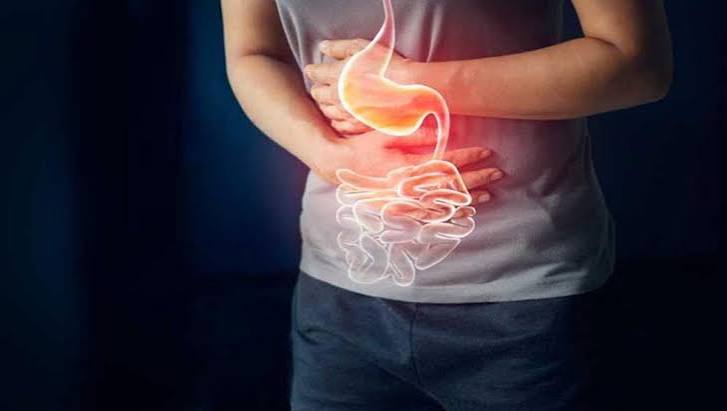
What Makes a Food a Digestive Trigger?
Not all food triggers work through the same biological pathway, and the mechanism determines the management approach. The main categories:
Fermentation (FODMAP sensitivity): Poorly absorbed carbohydrates — FODMAPs — reach the colon and are rapidly fermented by bacteria. The resulting gas production causes bloating, flatulence, cramping, and diarrhoea in individuals with IBS and visceral hypersensitivity. This is dose-dependent and does not involve the immune system.
Enzymatic deficiency: Lactase insufficiency is the most common example — without sufficient lactase to split lactose, undigested lactose passes to the colon and is fermented. Symptoms are dose-dependent; small amounts are usually tolerated.
Immune-mediated: IgE-mediated food allergy (immediate urticaria, anaphylaxis) and coeliac disease (autoimmune T-cell mucosal damage) are immune reactions. Unlike FODMAP fermentation, even small amounts of the trigger food can provoke an immune response in allergy.
Motility and acid effects: Fat delays gastric emptying and exaggerates the gastrocolic reflex. Caffeine stimulates acid secretion and colonic motility. Alcohol relaxes the lower oesophageal sphincter. These effects are relevant in reflux disease, functional dyspepsia, and IBS-D.
Mucosal irritation: Capsaicin activates TRPV1 pain receptors in the gut mucosa directly, causing burning and urgency. Alcohol at high doses causes direct mucosal damage.
Compounding factors: Triggers rarely act in isolation. A meal that is high-fat and high-fructan, eaten under stress when sleep-deprived, will provoke far more symptoms than any single factor alone. This is why food diaries need to record context alongside food content — not just what was eaten.
A useful distinction: food intolerance (FODMAP fermentation, lactase deficiency) is dose-dependent and non-immune — small amounts are usually tolerated. Food allergy (IgE-mediated) can cause reactions at very small doses and involves the immune system — requiring a fundamentally different management approach. For a full comparison, see: food intolerance vs food allergy.
FODMAP Foods — The Most Common Functional Triggers
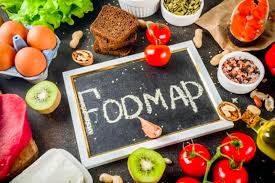
For people with irritable bowel syndrome, FODMAPs (fermentable oligosaccharides, disaccharides, monosaccharides, and polyols) are the best-evidenced category of dietary triggers. Multiple randomised controlled trials and meta-analyses support the low-FODMAP diet for reducing overall IBS symptom scores, with approximately 50–70% of IBS patients showing clinically meaningful improvement.
The five FODMAP subgroups and their key food sources:
- Fructans (oligosaccharides): wheat, rye, onion, garlic, leek, asparagus, artichoke — the most abundant FODMAP in the Western diet. A sandwich (wheat bread), a pasta dish (wheat + garlic + onion), or a curry with a wheat-flour sauce compound fructan exposure significantly.
- GOS (galacto-oligosaccharides): lentils, chickpeas, kidney beans, baked beans — vigorously fermented, producing significant gas. Well-rinsed canned legumes have lower GOS content than freshly cooked dried legumes.
- Lactose: cow’s milk, most yoghurts, soft cheeses, ice cream — dose-dependent. Hard cheeses (cheddar, parmesan, Swiss) contain negligible lactose and are well tolerated even with significant lactase deficiency.
- Excess fructose: honey, mango, apple, pear, watermelon, and foods containing high-fructose corn syrup (HFCS). Fructose in excess of glucose overwhelms intestinal absorption (GLUT5 transporter saturation) and reaches the colon. Fructose in whole fruit with a similar glucose content is generally tolerated.
- Polyols: stone fruits (peaches, nectarines, plums, cherries), mushrooms, cauliflower, avocado; xylitol, sorbitol, and mannitol in sugar-free confectionery and chewing gum. Polyols are poorly absorbed and draw water osmotically into the colon, producing loose stools and urgency.
For a complete guide to the low-FODMAP three-phase protocol, see: low-FODMAP diet: a beginner’s guide.
Fat, Caffeine, and Alcohol — Motility and Acid Triggers
High-Fat Foods
Fat is the most potent stimulant of the gastrocolic reflex — the increase in colonic contractile activity that follows a meal. In IBS-D patients, the reflex is exaggerated by fat consumption, producing urgent, loose stools sometimes within 20–30 minutes of a fatty meal. The most problematic fat-rich foods in practice: fried foods, fast food, cream-based sauces, pastry, fatty meats, and full-fat dairy in large quantities.
High-fat meals also delay gastric emptying — manifesting as early satiety, nausea, and prolonged postprandial bloating, particularly in functional dyspepsia. Fat triggers cholecystokinin (CCK) release, stimulating gallbladder contraction — the mechanism behind biliary colic in gallstone disease. In exocrine pancreatic insufficiency, fat malabsorption produces pale, fatty, floating stools (steatorrhoea).
Caffeine
Caffeine stimulates gastric acid secretion, worsening symptoms in GORD and peptic ulcer disease. It relaxes the lower oesophageal sphincter, directly increasing reflux frequency. Separately, caffeine accelerates colonic motility — the post-coffee urgency phenomenon is real and documented in controlled comparisons of caffeinated vs decaffeinated coffee. Individual sensitivity varies with CYP1A2 metaboliser status; slow metabolisers experience significantly more pronounced GI effects from the same caffeine dose as fast metabolisers.
Alcohol
Alcohol causes dose-dependent mucosal irritation throughout the GI tract. Spirits and ethanol damage the gastric mucosal barrier directly. Beer combines mucosal irritation with the fermentation effects of fructans (from barley and wheat used in brewing), compounding the FODMAP load. Regular alcohol use increases intestinal permeability (“leaky gut”) and damages exocrine pancreatic function, impairing fat digestion over time.
Dairy — Lactose, Protein, and Individual Sensitivity
Dairy products are among the most commonly reported food triggers, but the mechanism behind dairy symptoms determines the management approach. Lactose intolerance, cow’s milk protein sensitivity, and IgE-mediated cow’s milk allergy each require different management despite overlapping GI symptoms.
Lactose is the carbohydrate in dairy requiring lactase for digestion. Lactase production declines with age in approximately 65% of the global adult population — more rapidly in East Asian, African, and South American populations than in Northern European populations. Key practical points: symptoms are dose-dependent; 12g lactose (approximately one cup of milk) is tolerated by most lactase-insufficient adults without significant symptoms; hard cheeses (cheddar, parmesan, brie) contain very little lactose and are typically tolerated; live-culture yoghurt is often tolerated because bacterial cultures partially pre-digest the lactose; lactase enzyme supplements prevent symptoms when taken immediately before dairy ingestion.
For a full breakdown of dairy-specific symptoms and conditions, see: digestive symptoms after dairy.
Wheat, Gluten, and Fructans
Wheat is another widely reported trigger, but — as with dairy — the underlying mechanism shapes the required management. In IBS, the relevant trigger is fructans (the FODMAP component of wheat) rather than gluten itself. Coeliac disease is a separate autoimmune condition requiring strict, lifelong gluten avoidance. Non-coeliac gluten sensitivity (NCGS) is a diagnosis of exclusion; recent evidence suggests fructans rather than gluten are the actual culprit in many NCGS cases.
The most important practical point: do not eliminate wheat before completing coeliac serology. A false-negative TTG-IgA result from pre-test wheat elimination leads to months of diagnostic delay and the discomfort of a formal gluten challenge. Test first, then manage based on the result.
For a comprehensive breakdown of all wheat-related digestive conditions, see: digestive symptoms after wheat.
Spicy Foods, Acidic Foods, and Processed Foods
Spicy Foods
Capsaicin — the active compound in chilli peppers — activates TRPV1 pain receptors in the gastrointestinal mucosa. In individuals with IBS, TRPV1 receptor density is elevated compared to healthy controls, making the gut more sensitive to capsaicin’s direct irritant effect. The clinical result is burning abdominal pain, urgency, and diarrhoea that may occur during or after a spicy meal. With repeated exposure, TRPV1 receptors desensitise — explaining why habitual spicy food eaters often develop tolerance. Gradual reintroduction over weeks may be more effective than permanent avoidance for IBS patients with capsaicin sensitivity.
Acidic Foods
Citrus fruits, tomatoes, vinegar, and carbonated drinks reduce lower oesophageal sphincter pressure and can directly irritate oesophageal mucosa in GORD. They are most relevant as triggers in reflux disease — in IBS, the primary mechanism is colonic fermentation, not oesophageal acid sensitivity, so acidic foods are a less consistent trigger. Carbonated drinks contribute to belching and bloating by introducing gas regardless of acidity.
Processed Foods and Additives
Ultra-processed foods (UPF — NOVA group 4) have been associated with higher IBS prevalence in epidemiological studies. Several mechanisms may contribute:
- Artificial sweeteners with polyols (xylitol, sorbitol, mannitol): these are FODMAPs and directly cause osmotic diarrhoea at doses typically found in sugar-free products — a common and frequently overlooked trigger
- High-fructose corn syrup (HFCS): widely used in soft drinks, processed bread, and sauces; a concentrated source of excess fructose
- Emulsifiers (polysorbate 80, carboxymethylcellulose): animal data suggest disruption to gut mucosal integrity and altered microbiome; direct human evidence is preliminary but concerning given the quantities consumed in Western diets
- Sulfites: preservatives in wine, dried fruit, and processed meats; may worsen IBS symptoms in sensitive individuals
Individual Variation and Compounding Factors
Two people with IBS can have entirely different food trigger profiles. This reflects the interplay of several factors:
Gut microbiome composition: The colonic microbiome determines how vigorously FODMAPs are fermented and what gas species are produced. A hydrogen-dominant microbiome produces more bloating than a methane-dominant one. Microbiome composition is shaped by antibiotic history, diet diversity, birth history, illness, and geography — and changes over months in response to dietary shifts.
Visceral hypersensitivity: The hallmark of IBS is a lowered pain threshold for normal gut distension. The gut wall stretches the same amount in an IBS patient and a healthy control — but the IBS patient experiences this as painful cramping while the healthy control feels nothing. FODMAP fermentation produces normal amounts of gas in everyone; IBS patients perceive it as severely symptomatic because of their lower visceral pain threshold.
Stress and the gut-brain axis: Stress activates the hypothalamic-pituitary-adrenal (HPA) axis and directly alters gut motility, intestinal permeability, and visceral sensitivity. Foods tolerated easily on relaxed days may provoke symptoms when stress levels are high. Food trigger management that ignores psychological factors routinely underperforms. Effective IBS management usually combines dietary strategies with stress management and, where appropriate, gut-directed psychological therapies.
Meal size and eating rate: Large meals distend the stomach more, amplifying the gastrocolic reflex and visceral perception. Eating quickly swallows excess air (aerophagia), increasing gas-related symptoms. Small, frequent meals are better tolerated by most IBS patients than two or three large meals.
Hormonal cycle: Oestrogen and progesterone directly affect gut motility and visceral sensitivity. Progesterone in the luteal phase (pre-menstrual) slows colonic transit — producing bloating and constipation. Many women notice significantly worse IBS symptoms in the week before their period. This cyclical variation is hormonally driven, not primarily food-triggered — recognising it prevents unnecessary dietary restriction based on a pattern that will improve automatically after menstruation.
How to Identify Your Personal Food Triggers
The most evidence-based method for identifying individual food triggers is structured food and symptom journalling — maintaining a record of food intake and symptom occurrence over at least 2–4 weeks, then reviewing for reproducible patterns.
An effective food and symptom diary records:
- What was eaten, including portion size and preparation method (raw vs cooked, canned vs fresh)
- When it was eaten and how long after eating symptoms appeared
- Symptom type: bloating, flatulence, pain, nausea, diarrhoea, urgency, constipation
- Symptom severity on a 1–10 scale
- Stool consistency using the Bristol Stool Form Scale (BSFS): Type 1–2 (constipation) through Type 3–4 (normal) to Type 6–7 (loose/diarrhoea)
- Context: stress level, sleep quality, exercise, menstrual cycle phase
Including the Bristol Stool Form Scale in a food diary gives actionable information about how different foods specifically affect bowel habit — not just whether symptoms occur, but how bowel function changes in response to different meals. After 2–4 weeks of consistent records, patterns typically emerge: garlic-containing meals producing bloating 3–4 hours later; coffee producing urgency within 30 minutes; stone fruit causing loose stools the following morning.
For a structured guide to running an elimination and reintroduction protocol, see: elimination diets: what to know.
Managing Food Triggers Without Over-Restricting
The most common self-management error is excessive restriction — eliminating multiple food groups simultaneously without systematic testing, producing a highly restricted diet that is nutritionally inadequate, socially isolating, and often no more effective than a targeted approach because it was never clear which foods were actually problematic.
Principles of effective food trigger management:
- Eliminate one category at a time: systematic elimination and structured reintroduction, not blanket avoidance. This is the only way to know which foods are actually causing your symptoms.
- Low-FODMAP is a diagnostic tool, not a lifelong diet: the Phase 1 elimination phase is 4–6 weeks maximum. Phase 2 reintroduction identifies which specific FODMAP subgroups are problematic. Phase 3 personalises the long-term diet based on the results — re-establishing everything that is tolerated.
- Reintroduction is mandatory: skipping Phase 2 means never knowing which FODMAP is your trigger, resulting in unnecessarily restrictive eating that harms microbiome diversity and nutritional breadth.
- Long-term strict low-FODMAP reduces microbiome diversity: prebiotic fibres in onion, garlic, legumes, and fruit feed beneficial gut bacteria. Long-term strict low-FODMAP eating is associated with reduced microbiome diversity — a probable adverse effect. The goal is personalised restriction, not permanent low-FODMAP eating.
- Registered dietitian involvement: the low-FODMAP protocol and elimination diets produce better outcomes and fewer nutritional deficiencies when supervised by a dietitian trained in these approaches. Self-management without guidance frequently stalls at Phase 1 and never progresses to reintroduction.
- Treat underlying disease if present: food trigger management does not replace treatment for coeliac disease (strict gluten-free diet is non-negotiable), IBD (requires medical management), or bowel cancer. Red flags must be investigated before assuming symptoms are functional.
Frequently Asked Questions
Yes — and frequently does. Psychological stress activates the HPA axis and directly alters gut motility, intestinal permeability, and visceral sensitivity. Many people find that foods tolerated well on relaxed days trigger symptoms during periods of high stress or anxiety. The gut changes produced by stress are physiologically real — this is not imagined. Effective IBS management usually needs to address both dietary triggers and psychological factors such as stress, anxiety, and gut-directed hypnotherapy or CBT.
Yes, and multiple triggers are the rule rather than the exception in IBS. Most patients are triggered by more than one FODMAP subgroup — for example, both fructans (wheat, onion) and polyols (stone fruit, sugar-free products) — and may additionally find that caffeine and alcohol worsen symptoms. The low-FODMAP protocol systematically tests individual FODMAP subgroups to identify specifically which categories are problematic, making management more targeted than blanket restriction across all possible triggers.
Yes. FODMAP tolerance changes as the gut microbiome evolves — dietary restriction itself reduces microbiome diversity, which alters fermentation patterns over months. Post-infectious IBS (after acute gastroenteritis) may produce a new trigger profile that differs from the person’s pre-illness baseline. Hormonal changes, antibiotic courses, and major dietary shifts all influence which foods provoke symptoms. Annual reassessment of food trigger patterns, ideally with dietitian support, is appropriate for people managing IBS long-term.
Yes. Paediatric IBS is well-recognised and food triggers — particularly FODMAPs and lactose — are clinically relevant in children. The low-FODMAP diet has shown efficacy in paediatric IBS in clinical trials. However, restrictive diets in children carry additional risks for growth and nutritional development that are not present in adults. Paediatric dietitian involvement is important, and the threshold for investigating organic causes (IBD, coeliac disease) should be lower in children than in adults given the growth and developmental stakes.
No. The low-FODMAP elimination phase is intended to last 4–6 weeks, not to become a permanent way of eating. Many high-FODMAP foods — onion, garlic, apples, lentils — are nutritionally valuable and contain prebiotic fibres that support gut microbiome diversity and long-term health. Long-term strict low-FODMAP eating reduces microbiome diversity, which may have adverse consequences. The goal is Phase 2 reintroduction to identify your specific trigger subgroups, followed by a personalised long-term diet that restricts your actual triggers while re-incorporating everything that is tolerated.
Most food-triggered digestive symptoms represent IBS or functional gut disorders — benign but genuinely symptomatic conditions. Red flags that require GP investigation before dietary management include: unintentional weight loss, rectal bleeding, iron-deficiency anaemia, nocturnal diarrhoea (waking from sleep with diarrhoea), new symptoms after age 60, and a family history of colorectal cancer or inflammatory bowel disease. If any of these are present, medical investigation must come before a dietary management approach — these symptoms may indicate organic disease where dietary management would be inappropriate as a first-line response.
There is no reliable blood test for food intolerances. Tests marketed as “food intolerance panels” measuring IgG antibodies to hundreds of foods are not clinically validated — IgG is a normal immune response to food exposure, not a marker of pathological sensitivity. The evidence-based approach is a structured food and symptom diary followed by a supervised elimination and reintroduction protocol. Lactase deficiency can be tested via hydrogen breath test or lactose tolerance test. Coeliac disease requires TTG-IgA serology with duodenal biopsy. IgE-mediated food allergy is tested with skin prick testing and serum sIgE.
References
- Halmos EP, Power VA, Shepherd SJ, et al. A diet low in FODMAPs reduces symptoms of irritable bowel syndrome. Gastroenterology. 2014;146:67–75.
- Staudacher HM, Black CJ, Teasdale SB, et al. Irritable bowel syndrome and dietary interventions: emerging evidence and the FODMAP approach. J Intern Med. 2022;291:779–793.
- Monash University FODMAP Diet. https://www.monashfodmap.com/
- NHS. Irritable bowel syndrome (IBS) — diet, lifestyle and medicines. https://www.nhs.uk/conditions/irritable-bowel-syndrome-ibs/diet-lifestyle-and-medicines/
- NICE CKS. Irritable bowel syndrome. https://cks.nice.org.uk/topics/irritable-bowel-syndrome/
- Ford AC, Moayyedi P, Lacy BE, et al. American College of Gastroenterology monograph on the management of IBS and chronic idiopathic constipation. Am J Gastroenterol. 2014;109 Suppl 1:S2–S26.
- Biesiekierski JR, Peters SL, Newnham ED, et al. No effects of gluten in patients with self-reported non-celiac gluten sensitivity. Gastroenterology. 2013;145:320–328.
Sources last reviewed September 2026.
The section on IgG food intolerance tests is so important. I spent about £300 on a 200-food IgG panel and eliminated half my diet for three months based on the results, which made no difference to my symptoms. My dietitian later told me that IgG just shows what you’ve been eating recently, not what’s causing your symptoms. This article explains it clearly — I wish I’d read it before wasting all that time and money.
Your experience with IgG testing is unfortunately very common and we’re glad the article helped clarify the mechanism. IgG antibodies to foods simply reflect recent dietary exposure — higher IgG to a food means you’ve been eating it regularly, which is a completely normal immune response. The tests have no diagnostic validity for food intolerance. The evidence-based route is exactly what you eventually reached: a structured elimination and reintroduction protocol with dietitian guidance. The low-FODMAP protocol in particular has a strong evidence base for IBS that the IgG panel approach entirely lacks.
The hormonal cycle section was eye-opening for me as someone who has watched my partner struggle with IBS that is dramatically worse the week before her period. We’ve been trying to figure out if it’s a specific food she eats at that time of month, but this article suggests it might just be the progesterone effect on gut motility. Going to suggest she track it across the cycle to see if the pattern holds regardless of diet.