
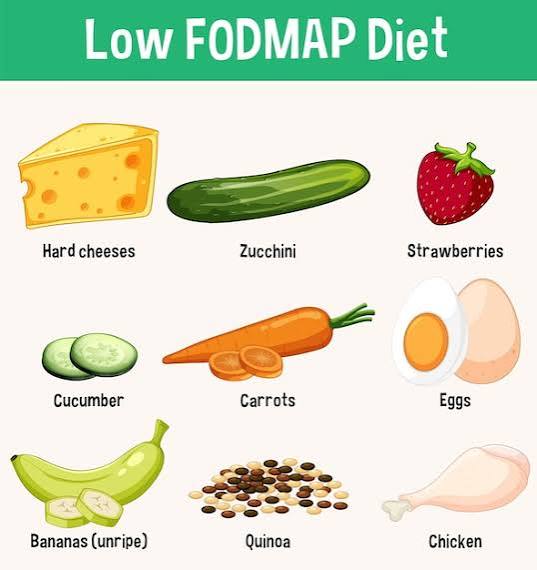
Irritable bowel syndrome (IBS) affects approximately 10–15% of the global population. The low-FODMAP diet — developed at Monash University in Melbourne — is the most evidence-based dietary intervention available, with controlled trials showing symptom improvement in 50–70% of patients. But it is widely misunderstood: it is not a permanent diet, and following only Phase 1 indefinitely causes both nutritional deficiency and gut microbiome harm.
This guide explains what FODMAPs are, how the three-phase protocol works, which foods to restrict and which are safe, and the evidence base behind the approach. Understanding all three phases — elimination, reintroduction, and personalisation — is what makes the difference between short-term symptom relief and a sustainable, evidence-based long-term management strategy for IBS.
What Are FODMAPs?
FODMAP stands for Fermentable Oligosaccharides, Disaccharides, Monosaccharides, And Polyols — a group of short-chain carbohydrates and sugar alcohols that share two key characteristics: they are poorly absorbed in the small intestine, and they are rapidly fermented by colonic bacteria.
When FODMAPs reach the colon unabsorbed, they cause symptoms through two mechanisms. First, their osmotic effect draws water into the bowel lumen — contributing to looser stools, urgency, and diarrhoea. Second, colonic bacteria ferment them rapidly, producing hydrogen, carbon dioxide, and methane, causing bloating, flatulence, cramping, and abdominal distension. In individuals with IBS, the hallmark of visceral hypersensitivity means these effects produce disproportionate pain and discomfort.
The four FODMAP categories:
Oligosaccharides — Fructans (in wheat, rye, onion, garlic, leek) and galacto-oligosaccharides or GOS (in legumes, cashews). Humans lack the enzymes to digest these compounds; everyone delivers them to the colon intact. Symptoms depend on individual fermentation rate and visceral sensitivity — not a deficiency unique to IBS patients.
Disaccharides — Primarily lactose, the milk sugar in cow’s milk, soft cheeses, yogurt, and ice cream. Symptoms require reduced lactase enzyme activity. See our detailed guide: lactose intolerance explained.
Monosaccharides — Specifically excess fructose: fructose in quantities exceeding concurrent glucose content (glucose co-transport enhances fructose absorption). High-excess-fructose foods: apples, pears, mango, watermelon, honey, high-fructose corn syrup.
Polyols — Sugar alcohols including sorbitol (stone fruits: apricots, peaches, plums, cherries), mannitol (mushrooms, cauliflower), and synthetic polyols: xylitol, erythritol, isomalt — found in sugar-free gum, mints, diabetic foods, and many low-calorie products.
Who Should Consider a Low-FODMAP Diet?
The low-FODMAP diet is primarily indicated for adults with a confirmed IBS diagnosis (Rome IV criteria) who have not responded adequately to first-line dietary advice — regular mealtimes, reducing fat and caffeine, moderating alcohol and carbonated drinks, adjusting dietary fibre.
It is also considered in: Crohn’s disease or ulcerative colitis in confirmed remission with persistent functional symptoms; coeliac disease with ongoing GI symptoms despite strict gluten-free diet; and small intestinal bacterial overgrowth (SIBO) alongside antibiotic treatment.
The diet is not appropriate for individuals with current or recent disordered eating history, active IBD flare, significant malnutrition, or children without dietitian supervision.
The 3-Phase Protocol
The low-FODMAP diet is a three-phase protocol — not a permanent dietary restriction.
Phase 1: Elimination (2–6 weeks). All high-FODMAP foods across all categories are restricted simultaneously. Purpose: establish whether symptoms are FODMAP-driven. Duration: 2–6 weeks — sufficient to achieve symptom control in most responders. Never extend beyond 6 weeks without clinical review. A registered dietitian ensures Phase 1 remains nutritionally complete (calcium, fibre, B vitamins at risk).
Phase 2: Reintroduction (6–8 weeks). Each FODMAP subgroup is tested individually in sequence — one challenge food representing one subgroup for 3 consecutive days at increasing doses, followed by 2–3 washout days before the next challenge. Subgroups tested: fructans (wheat bread), GOS (chickpeas), lactose (cow’s milk), excess fructose (honey), sorbitol, mannitol, polyols. A symptom journal identifies which subgroups trigger reactions. Most patients find they tolerate the majority of subgroups — the average long-term restriction covers just 1–3 categories.
Phase 3: Personalisation (ongoing). Phase 2 findings inform a sustainable long-term diet that reintroduces tolerated FODMAP foods fully and incorporates moderate-tolerance foods in appropriate serving sizes. Goal: minimum restriction consistent with acceptable symptom control, maximum dietary diversity. Annual dietitian review recommended as tolerance can change.
The most common self-management error is remaining in Phase 1 indefinitely. Without dietitian guidance to move through Phase 2, patients restrict far more than necessary and expose themselves to unnecessary nutritional risk and gut microbiome disruption.
High-FODMAP Foods to Avoid in Phase 1
Vegetables: garlic, onion (all types), shallots, leek, spring onion (white part only), asparagus, artichoke, cauliflower, mushrooms, celery, snow peas, beetroot
Fruits: apple, pear, mango, watermelon, peach, apricot, plum, cherry, nectarine, dried fruit, fruit juice, blackberries
Grains: wheat (bread, pasta, most breakfast cereals, couscous, crackers), rye, barley, regular spelt
Dairy: cow’s milk, soft cheeses (ricotta, cottage cheese, cream cheese, mascarpone), yogurt, ice cream, custard
Legumes: chickpeas, kidney beans, black beans, baked beans, lentils, edamame, soya beans
Nuts: cashews (high FODMAP), pistachios (high FODMAP)
Sweeteners: honey, agave, high-fructose corn syrup, fructose, sorbitol, mannitol, xylitol, erythritol, isomalt — check all sugar-free products, diet foods, and liquid medications
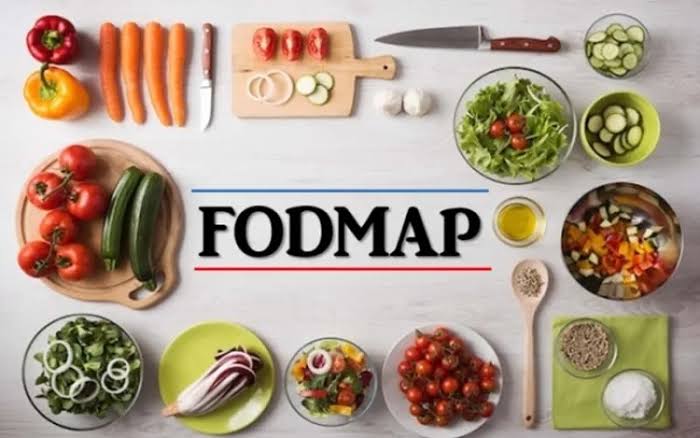
Low-FODMAP Foods Safe in Phase 1
Vegetables: carrot, cucumber, potato, sweet potato, courgette, aubergine, green beans, tomato, spinach, kale, bok choy, capsicum (bell pepper), spring onion (green tops only), canned corn
Fruits: banana (unripe — firm, not spotted), blueberries, strawberries, raspberries, grapes, kiwi, orange, lemon, lime, pineapple (in moderation), passion fruit
Grains: white rice, brown rice, rolled oats (40g max serving), gluten-free bread (check labels carefully — many contain chicory root/inulin, apple/pear juice, or polyol sweeteners), sourdough spelt (traditionally long-fermented), quinoa, cornflour, polenta
Dairy alternatives: lactose-free cow’s milk, hard aged cheeses (cheddar, parmesan, brie, camembert — negligible lactose), butter, plain almond milk (max 250ml serving)
Protein: all plain unprocessed meat, poultry, and fish; eggs; firm tofu (not silken — higher GOS)
Nuts and seeds: macadamia nuts, peanuts (max 2 tablespoons), walnuts, pine nuts, chia seeds, pumpkin seeds, sunflower seeds
An important clarification: the low-FODMAP diet is not a gluten-free diet. Wheat is restricted because of fructan content — a FODMAP — not because of gluten. Pure gluten itself is not a FODMAP. Gluten-free products are not automatically low-FODMAP: many contain chicory root (inulin), apple or pear juice concentrate, or polyol sweeteners that are high-FODMAP.
How Phase 2 Reintroduction Works
Phase 2 is the most important and most commonly skipped part of the protocol. Without it, patients remain in indefinite Phase 1 restriction — with unnecessary nutritional risk and no information about their actual individual FODMAP triggers.
Each challenge tests one FODMAP subgroup with a representative food, consumed across 3 days at increasing doses, with 2–3 washout days between challenges:
- Fructans (wheat): 2 slices regular wheat bread → increasing doses
- GOS (legumes): 42g canned chickpeas → increasing
- Lactose: 125ml cow’s milk → increasing
- Excess fructose: 2 teaspoons honey → increasing
- Sorbitol: half avocado or stone fruit
- Mannitol: 75g mushrooms or 60g cauliflower
- Polyols combined: 2 sugar-free mints
A symptom journal (or the Monash FODMAP app tracker) during reintroduction is essential. Symptoms that recur specifically on challenge days — not washout days — implicate that subgroup. Most patients tolerate 3–5 subgroups without symptoms; the average IBS patient’s long-term restriction typically covers just 1–3 specific FODMAP categories. For context on related dietary conditions, see: lactose intolerance explained.
Nutritional Considerations and Common Pitfalls
Calcium: Phase 1 restricts cow’s milk, yogurt, and most soft cheeses. Substitution with lactose-free dairy, hard aged cheeses, calcium-fortified plant milks, and calcium-set tofu maintains adequate intake. For those with overlapping lactose intolerance, see our guide on calcium alternatives.
Dietary fibre: Restricting wheat, legumes, and many fruits reduces total fibre and prebiotic fibre specifically. Prioritise rice bran, oats, low-FODMAP fruits, and vegetables.
Gut microbiome: A 2015 study by Staudacher and colleagues published in Gut found low-FODMAP diet significantly reduced total bacterial counts and Bifidobacterium abundance compared to a standard diet. Bifidobacteria produce short-chain fatty acids critical for colonic health and immune regulation. This is not a reason to avoid the diet — it is a reason to complete Phase 3 and reintroduce prebiotic-rich foods as quickly as tolerance allows. Partially hydrolysed guar gum (PHGG) as a supplement may help preserve Bifidobacterium during Phase 1.
Common pitfalls:
- Remaining in Phase 1 indefinitely — the single most common self-management error
- Restricting FODMAP-free foods (meat, fish, eggs, butter) unnecessarily
- Missing hidden FODMAPs in stocks, sauces, condiments, and spice blends — garlic and onion powder are ubiquitous in processed foods; always check labels
- Not checking oral liquid medications — many contain sorbitol as an excipient
- Assuming all gluten-free products are low-FODMAP
Practical Tips for Starting Out
Use the Monash University FODMAP app. This is the gold-standard resource — Monash researchers test actual food samples in their laboratory to determine FODMAP content, updated regularly. Traffic-light ratings by specific serving size are far more reliable than general internet lists. Monash University FODMAP Diet is available for iOS and Android.
Work with a registered dietitian. GP referral to an NHS dietitian with IBS expertise is available in most areas. The British Dietetic Association directory lists private dietitians with gut health specialisation. A structured reintroduction appointment is essential for Phase 2.
Read labels for garlic and onion. These are the most common hidden high-FODMAP ingredients — present in most commercial stocks, gravies, spice mixes, marinades, and ready meals. “Natural flavouring” or “seasoning” frequently includes garlic or onion. Note: garlic-infused oil (not garlic itself) is low-FODMAP, as fructans do not leach into oil.
Meal prep in batches. Cooked rice, roasted potatoes, plain proteins, and chopped low-FODMAP vegetables prepared in advance make Phase 1 adherence considerably easier. Restaurant eating is more challenging — plain grilled proteins with rice or potato are the safest defaults. Japanese (sushi, grilled fish, rice) and straightforward steakhouse menus are the most manageable cuisines.
The Evidence Behind the Low-FODMAP Diet
The landmark trial was published in Gastroenterology in 2014 by Halmos and colleagues at Monash University — a randomised crossover RCT comparing low-FODMAP to a typical Australian diet in 30 IBS patients. Low-FODMAP produced significantly lower overall GI symptom scores, with the largest effect sizes for bloating and abdominal distension. The study was awarded the Rome Foundation Functional GI Research Prize.
Subsequent RCTs and a 2018 meta-analysis by Dionne et al. in Clinical Gastroenterology and Hepatology (6 RCTs included) confirmed low-FODMAP diet is superior to control diets for overall IBS symptoms, bloating, and abdominal pain, with moderate-to-large effect sizes. Response rates across trials range from 50–70%.
NICE guideline CG61 (IBS in adults) recommends dietitian referral for low-FODMAP consideration when first-line dietary advice has been ineffective — making it a standard-of-care recommendation in the UK. The NHS IBS guidance now references low-FODMAP as a recognised second-line dietary approach.
For related digestive conditions that should be excluded before beginning the diet, see: coeliac disease symptoms and diagnosis and food intolerance vs food allergy. King’s College London (KCL FODMAP research) has contributed substantially to the microbiome evidence base and the dietitian training infrastructure.
The Low-FODMAP Diet and the Gut-Brain Axis
IBS is increasingly understood not as a purely gastrointestinal disorder but as a condition of dysregulated gut-brain communication. The enteric nervous system — sometimes called the “second brain” — contains approximately 100 million neurons and communicates bidirectionally with the central nervous system via the vagus nerve. In IBS, this communication is disrupted: visceral hypersensitivity means that normal luminal events (gas, distension, peristaltic contractions) that would go unnoticed in healthy individuals produce disproportionate pain and urgency signals.
The low-FODMAP diet addresses the afferent (gut-to-brain) limb of this dysregulation by reducing the luminal events — gas production, osmotic distension — that trigger the visceral pain signal. This explains its efficacy but also its limitations: it does not address the central sensitisation or the altered pain-processing pathways that characterise IBS. This is why the diet works in approximately 50–70% of IBS patients but not all, and why it is most effective as part of a multimodal programme that also addresses the brain-to-gut limb — stress, sleep, anxiety, and psychological processing.
Evidence for gut-directed psychological interventions in IBS is substantial. A 2023 systematic review in The Lancet Gastroenterology and Hepatology found cognitive behavioural therapy (CBT) delivered via therapist or digital platform significantly improved IBS symptom severity and quality of life compared to treatment as usual, with effect sizes comparable to the low-FODMAP diet. Gut-directed hypnotherapy has similarly strong evidence, with multiple RCTs demonstrating 70–80% response rates in selected IBS populations. For patients who respond partially to the low-FODMAP diet, adding a psychological intervention commonly produces the additional improvement that dietary modification alone cannot achieve.
Monitoring Progress and Knowing When to Escalate
The low-FODMAP diet is a diagnostic and therapeutic tool, not a substitute for medical monitoring. Several situations require escalation to a GP or gastroenterologist rather than continued dietary management:
- No symptom improvement after 4–6 weeks of strict Phase 1: suggests FODMAP-driven symptoms are not the primary driver; further investigation is warranted to exclude SIBO, IBD, microscopic colitis, or other organic pathology
- Unintentional weight loss: FODMAP restriction should improve GI symptoms without causing weight loss; weight loss during Phase 1 is a red flag for malabsorption or another underlying diagnosis
- New onset of rectal bleeding, nocturnal symptoms, or fever: these are not features of FODMAP sensitivity and require urgent assessment regardless of dietary history
- Worsening of symptoms rather than improvement on elimination: if Phase 1 makes symptoms worse rather than better, consider whether the diagnosis of IBS is correct; IBD flare, eosinophilic gastroenteritis, or other inflammatory conditions can present similarly but require different management
- Persistent anaemia, low ferritin, or B12 deficiency: may indicate malabsorption beyond FODMAP sensitivity; coeliac disease must be re-excluded if not fully investigated before starting the diet
If gastrointestinal symptoms raise any of these concerns, or if you are unsure whether IBS is the correct diagnosis, see our article on when stomach pain needs medical evaluation for a detailed guide to red-flag symptoms requiring investigation.
Frequently Asked Questions
No. The low-FODMAP diet restricts wheat because of its fructan (FODMAP) content — not because of gluten. Pure gluten is not a FODMAP. Some people with IBS manage well avoiding wheat without strict gluten-free compliance. Conversely, gluten-free products are not automatically low-FODMAP — many contain chicory root (inulin), apple or pear juice, or polyol sweeteners that are high-FODMAP. The distinction matters for product selection and label reading.
Phase 1 should last 2–6 weeks — enough time to achieve symptom control in most responders (typically 2–4 weeks), but no longer than 6 weeks without clinical review. Remaining in Phase 1 beyond 6 weeks without progressing to reintroduction is the most common self-management error and has documented consequences for nutrition and gut microbiome health.
Technically yes, but outcomes are substantially worse. Studies show lower adherence and — critically — most self-managing patients never complete Phase 2 reintroduction, remaining in Phase 1 indefinitely with unnecessary nutritional restriction and microbiome disruption. The Monash FODMAP app is an excellent supplementary tool but is not a substitute for dietitian guidance, particularly for the Phase 2 challenge protocol.
No. IBS is a functional disorder driven by gut-brain interaction abnormalities and visceral hypersensitivity that the diet does not address. Approximately 30–50% of IBS patients do not respond to the diet. Comprehensive IBS management typically requires a multimodal approach: dietary, lifestyle (sleep, exercise, stress), psychological (CBT, gut-directed hypnotherapy), and pharmacological components.
Yes — bloating is the symptom with the strongest response to FODMAP restriction, since its primary driver is colonic gas production from bacterial fermentation of undigested carbohydrates. The Halmos 2014 RCT showed the largest effect sizes specifically for bloating and abdominal distension. IBS patients with predominant bloating and distension (particularly IBS-D and IBS-M) tend to be the strongest responders.
It can be implemented during pregnancy but requires close dietitian supervision. Nutritional requirements increase during pregnancy (calcium, folate, iron, vitamin D), and Phase 1 elimination creates risks more consequential in this context. If IBS symptoms significantly affect quality of life during pregnancy, a GP referral to a dietitian with obstetric nutrition experience is the appropriate route.
The Monash University FODMAP app is the gold-standard consumer resource for the low-FODMAP diet. Developed by the team that created the diet, it is based on actual laboratory FODMAP content analysis of foods — not estimated values. Foods are rated by serving size with a traffic-light system. It includes a symptom diary, recipe section, and restaurant-finding feature. Available for iOS and Android as a one-time purchase. No other commercially available food list or app matches its evidence base or update frequency.
Medical disclaimer: This article is for informational purposes only and does not constitute medical advice. The low-FODMAP diet is a medical dietary intervention that should be initiated under the supervision of a registered dietitian with IBS expertise. Coeliac disease and organic gastrointestinal conditions should be excluded before starting the diet. Do not begin the low-FODMAP diet as a substitute for medical evaluation if you have unexplained weight loss, rectal bleeding, nocturnal symptoms, or new GI symptoms after age 50.
References:
1. Halmos EP, Power VA, Shepherd SJ, et al. A diet low in FODMAPs reduces symptoms of irritable bowel syndrome. Gastroenterology. 2014;146:67–75. doi:10.1053/j.gastro.2013.09.046
2. Staudacher HM, Lomer MC, Anderson JL, et al. Fermentable carbohydrate restriction reduces luminal bifidobacteria and gastrointestinal symptoms in patients with irritable bowel syndrome. J Nutr. 2012;142:1510–1518.
3. Staudacher HM, Whelan K, Irving PM, Lomer MC. Comparison of symptom response following advice for a diet low in fermentable carbohydrates (FODMAPs) versus standard dietary advice in patients with irritable bowel syndrome. J Hum Nutr Diet. 2011;24:487–495.
4. Dionne J, Ford AC, Yuan Y, et al. A systematic review and meta-analysis evaluating the efficacy of a gluten-free diet and a low FODMAP diet in treating symptoms of irritable bowel syndrome. Clin Gastroenterol Hepatol. 2018;16:1289–1294.
5. NICE. Irritable bowel syndrome in adults: diagnosis and management. CG61. 2008 (updated 2017). nice.org.uk/guidance/cg61
6. Monash University FODMAP Diet. monashfodmap.com
7. British Dietetic Association. Food Fact Sheet: Irritable Bowel Syndrome and Diet. bda.uk.com
8. NHS. Irritable bowel syndrome (IBS). nhs.uk/conditions/irritable-bowel-syndrome-ibs
Really clear explanation of the three phases. I’ve been doing “low-FODMAP” for two years and had no idea you were supposed to do a reintroduction phase — I’ve just been avoiding everything the whole time. Going to ask my GP for a dietitian referral now.
Two years in Phase 1 is unfortunately very common — most people who self-manage never make it to reintroduction. A dietitian referral is absolutely the right step. Phase 2 typically takes about 6–8 weeks but can significantly expand what you’re able to eat, which both improves nutrition and makes the long-term diet much more sustainable. You may find you only need to restrict one or two of the subgroups rather than everything.
The point about garlic and onion powder being hidden in almost everything is so true. I was following the diet carefully and still getting symptoms — turned out the stock cubes I was using had onion powder in them. The Monash app caught it eventually.