
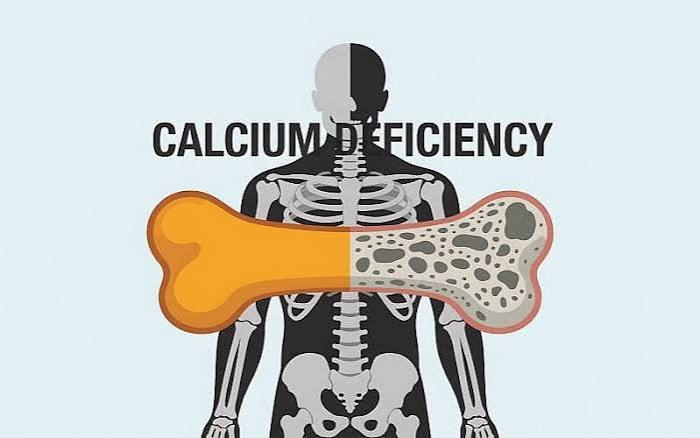
Calcium and bone health are inseparably linked — calcium is the principal mineral in bone, accounting for approximately 40% of bone mass by weight, and inadequate calcium throughout life is one of the clearest modifiable contributors to lower peak bone mass and accelerated bone loss. Yet calcium is also a nutrient that is frequently misunderstood: supplementation recommendations are often taken out of context, dietary sources are underemphasised, and the question of whether supplements are necessary — or potentially harmful at high doses — is a source of genuine clinical uncertainty. This guide covers what calcium does in bone, how much is needed at different life stages, which dietary sources provide it, when supplementation is appropriate, and what is known about the cardiovascular questions raised by high-dose calcium supplementation.
What Calcium Does in Bone
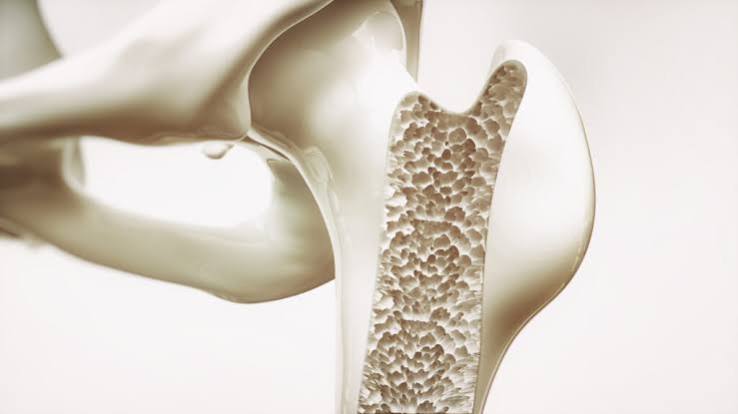
Bone is a composite material: approximately 65% mineral (largely hydroxyapatite, a calcium phosphate crystal) and 35% organic matrix (predominantly type I collagen). Hydroxyapatite crystals provide compressive strength and hardness; the collagen matrix provides tensile strength and flexibility. Without adequate calcium, hydroxyapatite cannot form or be replaced during remodelling, and bone becomes less dense and more brittle.
Bone serves as the body’s calcium reservoir. Approximately 99% of total body calcium is stored in bone; only 1% circulates in blood and extracellular fluid, where it is essential for muscle contraction (including cardiac muscle), nerve signal transmission, blood clotting, and cell signalling. Blood calcium is tightly regulated within a narrow range (2.2–2.6 mmol/L) by parathyroid hormone (PTH) and vitamin D. When dietary calcium intake is inadequate, PTH secretion increases, stimulating osteoclasts to resorb bone and release calcium into the bloodstream to maintain serum calcium — in effect, cannibalising the skeleton to maintain normal blood calcium levels. Over years, this chronic low-grade compensatory resorption contributes to bone density loss.
Calcium and vitamin D work together: vitamin D (specifically its active form, calcitriol) is required for calcium absorption from the gut. Without adequate vitamin D, even a high dietary calcium intake will not be absorbed efficiently. This interdependency is why calcium and vitamin D are almost always combined in bone health recommendations, and why addressing vitamin D deficiency is a prerequisite for calcium supplementation to be effective. Our guide to vitamin D and bone health covers the vitamin D side of this pair in detail.
How Much Calcium Is Needed?
Calcium requirements vary substantially with age and physiological state, reflecting the differing demands of growth, maintenance, and loss prevention across the life course:
- Children and adolescents (11–18 years): 1,000–1,300 mg/day — the peak demand period, when approximately 40% of adult bone mass is accumulated during the pubertal growth spurt; the UK RNI is 800 mg/day, but many experts consider 1,000 mg/day more appropriate during peak skeletal growth
- Adults 19–50 years: 700 mg/day (UK RNI); this is the maintenance phase during which bone mass is preserved rather than built
- Adults 51 and over: 700–1,200 mg/day; higher intake is recommended in postmenopausal women and older men to compensate for declining intestinal calcium absorption efficiency and increasing urinary calcium losses
- Pregnancy and breastfeeding: 700–1,000 mg/day; significant calcium transfer to the foetus (particularly in the third trimester) and into breast milk requires adequate intake; the UK Department of Health recommends the same intake as non-pregnant adults but with monitoring
- Older adults (70+): 1,000–1,200 mg/day; declining gut absorption efficiency means that more dietary calcium is required to achieve adequate absorption; vitamin D adequacy becomes even more important in this age group
Dietary Sources of Calcium
Dietary calcium is the preferred source — it is absorbed efficiently (particularly from dairy), comes with other beneficial nutrients (protein, phosphorus, potassium), and does not carry the dose-related risks associated with high-dose supplementation. Key dietary sources and approximate calcium content per serving:
- Milk (200 ml): approximately 240 mg calcium
- Yoghurt (150 g): 200–250 mg calcium
- Hard cheese (30 g, e.g. cheddar): 220 mg calcium
- Fortified plant milk (200 ml, e.g. oat, soy, almond with calcium): 200–240 mg calcium — broadly equivalent to cow’s milk when fortified; check label as not all plant milks are fortified
- Tinned sardines or pilchards with bones (100 g): 400 mg calcium — among the highest non-dairy sources; the soft, edible bones are the calcium source
- Firm tofu set with calcium sulphate (100 g): 300–400 mg calcium — tofu set with nigari (magnesium chloride) contains far less calcium; check the label
- Kale (100 g cooked): 150 mg calcium — bioavailability from kale is higher than from spinach (which contains oxalates that bind calcium and reduce absorption)
- Almonds (30 g): 75 mg calcium — lower than dairy but a useful contribution for those on predominantly plant-based diets
- White bread or fortified flour products (2 slices): 100–120 mg calcium — UK flour regulations require calcium fortification of white and brown bread flour
A practical daily diet achieving approximately 700–800 mg calcium might include: a glass of milk or fortified plant milk at breakfast (240 mg), yoghurt at lunch (220 mg), a portion of cheese or a calcium-rich non-dairy source at dinner (200–250 mg), plus additional calcium from vegetables, pulses, and fortified foods. This is achievable without deliberate effort for most adults who include dairy or fortified alternatives in their diet.
When to Consider Calcium Supplements
Calcium supplementation is appropriate when dietary intake is consistently below the recommended level and cannot easily be corrected through diet alone. Common situations include:
- Individuals who exclude dairy and do not regularly consume fortified alternatives, tinned fish with bones, or other high-calcium non-dairy sources
- Those on a vegan diet without consistent calcium-rich food choices
- People with lactose intolerance who avoid all dairy, including hard cheeses (which are low in lactose) and lactose-free dairy alternatives
- Older adults (70+) with poor appetite or limited dietary variety who are unlikely to achieve 1,000 mg/day from food
- Women with confirmed osteoporosis or osteopenia on pharmacological bone treatment, where guidelines recommend ensuring total calcium intake reaches 700–1,000 mg/day (from diet plus supplement combined)
The standard supplemental dose is 500–1,000 mg/day of elemental calcium. Calcium carbonate (the form in most supplements, including most combined calcium-D3 preparations) is well-absorbed when taken with food. Calcium citrate is absorbed independently of food and may be preferable for individuals with achlorhydria (low stomach acid), those on proton pump inhibitors, or older adults where stomach acid secretion may be reduced.
Calcium and Cardiovascular Risk: What the Evidence Shows
A widely publicised concern about calcium supplementation is a potential increased risk of cardiovascular events, particularly myocardial infarction. This concern originates primarily from a 2010 meta-analysis (Bolland et al., BMJ) that reported a modest increase in myocardial infarction risk with calcium supplementation without vitamin D. Subsequent analyses and re-analyses have produced conflicting results, and the question remains genuinely debated in the scientific literature.
The current consensus from major guideline bodies — including NICE, the Royal Osteoporosis Society, and the US Preventive Services Task Force — is:
- Dietary calcium from food is not associated with increased cardiovascular risk and should be the primary source
- Supplemental calcium at recommended doses (combined total from diet plus supplement not exceeding 1,200 mg/day) is considered acceptable for bone protection in individuals who cannot achieve adequacy from diet
- High-dose calcium supplementation (above 1,200–1,500 mg/day total from all sources) should be avoided; the potential risk, if any, appears dose-dependent
- Calcium combined with vitamin D (the standard prescription preparation in the UK, e.g. Adcal-D3, Calcichew-D3) has not been consistently associated with the cardiovascular signal seen in some calcium-alone trials
The practical implication is that supplementing to address a genuine dietary deficit is appropriate, while supplementing maximally regardless of dietary intake is not recommended. Establishing dietary calcium intake before prescribing supplementation — and supplementing only to fill the gap to the target — is current best practice.
Factors That Affect Calcium Absorption
Not all dietary calcium is absorbed equally. Intestinal calcium absorption is an active, regulated process that depends on vitamin D and is modified by several dietary and physiological factors:
Absorption enhancers:
- Vitamin D (calcitriol) — the most important regulator; upregulates intestinal calcium transport proteins; absorption efficiency can drop from 30–40% in vitamin D-adequate individuals to as low as 10–15% in those who are severely deficient
- Acidic environment — calcium carbonate requires stomach acid for dissolution; calcium is most absorbed in the more acidic duodenum; taking calcium carbonate with meals maximises absorption by stimulating gastric acid secretion
- Lactose — present in milk; modestly enhances calcium absorption, possibly by maintaining an acidic intestinal environment; may explain why dairy calcium is absorbed with particularly high efficiency
- Adequate protein intake — while very high protein diets were historically thought to increase urinary calcium losses (hypercalciuria), current evidence suggests that adequate protein intake is actually associated with better calcium absorption and bone density; the net effect of normal to moderately high protein intake is neutral to beneficial for bone
Absorption inhibitors:
- Oxalates — present in spinach, rhubarb, beet greens, and Swiss chard; bind calcium in the gut, forming insoluble calcium oxalate that cannot be absorbed; this is why spinach, despite containing calcium, is a poor calcium source — its absorption fraction is only 5% compared with 30%+ for milk; this also explains why kidney stone-prone individuals may be advised to moderate high-oxalate foods
- Phytates — present in whole grains, legumes, and seeds; bind calcium and other minerals; the effect is less pronounced than oxalates, and soaking, fermenting, or cooking legumes reduces phytate content
- Excess dietary fibre — very high fibre intakes can slightly reduce calcium absorption; this is not a concern at normal fibre intakes but may be relevant in conditions where very high-fibre diets are combined with borderline calcium intake
- Proton pump inhibitors (PPIs) — reduce gastric acid secretion, impairing calcium carbonate dissolution; individuals on long-term PPI therapy are at increased risk of calcium malabsorption from calcium carbonate supplements and are better served by calcium citrate
- Coeliac disease (untreated) — gut inflammation and villous atrophy impair calcium absorption throughout the small intestine; effective treatment with a strict gluten-free diet restores absorptive capacity
Calcium Across the Life Course
The importance of adequate calcium changes across different life stages, and understanding these transitions helps explain when intervention is most impactful:
Childhood and adolescence is the window when the greatest proportion of lifetime peak bone mass is built. Calcium intake during these years has a lasting effect on skeletal density — studies of calcium supplementation in adolescents show improvements in BMD that persist into adulthood. Ensuring adequate dietary calcium (from dairy, fortified alternatives, and other sources) during the growing years is the most upstream bone health intervention available. Approximately 40% of adults worldwide do not meet calcium recommendations during adolescence.
Pregnancy and lactation demands careful attention to calcium. The foetus accumulates approximately 30 g of calcium during pregnancy, primarily in the third trimester; the lactating breast transfers approximately 250–300 mg/day into breast milk. These demands are met partly by increased intestinal calcium absorption (upregulated by oestrogen and calcitriol during pregnancy) and partly by increased bone turnover during lactation. The transient bone density loss during lactation — typically 3–7% — is largely reversed within 6–12 months of weaning in women with adequate calcium and vitamin D. Persistent bone loss after lactation is more common in women with low pre-pregnancy bone density, multiple pregnancies in rapid succession, or inadequate nutritional intake.
The postmenopausal years are when calcium adequacy most clearly intersects with clinical fracture risk. Dietary calcium adequacy is a prerequisite for all pharmacological treatments — bisphosphonates and denosumab require adequate calcium and vitamin D to work optimally and safely. Hypocalcaemia is a recognised side effect of bisphosphonates in calcium and vitamin D-deficient individuals, particularly after intravenous zoledronate. More detail on how calcium fits into postmenopausal bone management is in our guide to osteoporosis in women after menopause.
Frequently Asked Questions
How much calcium do I need per day?
The UK reference nutrient intake (RNI) for adults is 700 mg/day. Postmenopausal women, older men, and adults on bone-protective medications are generally advised to ensure total calcium intake (from diet plus any supplement combined) reaches 700–1,200 mg/day. Adolescents during the peak growth phase may benefit from intakes up to 1,300 mg/day. These are total intake targets — they count everything from food, drink, and supplements combined. The most important principle is to avoid both consistent under-adequacy (which drives compensatory bone resorption) and very high intakes above 1,500 mg/day (where potential cardiovascular concerns apply at supplemental doses).
Is dairy the only good source of calcium?
No. Dairy products (milk, yoghurt, cheese) are the richest and most bioavailable dietary sources in most Western diets, but calcium is also well-available from fortified plant milks (when fortified — check the label), tinned sardines or pilchards with soft bones (approximately 400 mg per 100 g), firm tofu set with calcium sulphate (300–400 mg per 100 g), kale (better absorbed than spinach, which contains calcium-binding oxalates), almonds, white beans, and calcium-fortified bread (mandatory in UK white flour). A well-planned vegan diet can meet calcium requirements without dairy, but requires consistent inclusion of calcium-rich plant foods or fortified alternatives rather than relying on varied whole-food intake alone.
Can you get too much calcium?
Yes, although toxicity from dietary calcium alone is very rare. Excess calcium intake — almost always from supplementation rather than food — can cause hypercalciuria (increased calcium excretion in urine), kidney stones (particularly calcium oxalate stones) in susceptible individuals, and potentially constipation. Hypercalcaemia (elevated blood calcium) from supplementation is uncommon at doses below 2,500 mg/day but is possible in individuals with conditions causing increased calcium absorption (primary hyperparathyroidism, some granulomatous diseases) or impaired calcium excretion. The safe upper limit for total calcium intake (diet plus supplements) is generally considered to be 2,500 mg/day for adults, with most guidelines recommending keeping supplemental intake below 500–1,000 mg/day and total intake below 1,500 mg/day.
Does calcium alone protect bone health?
No — calcium is necessary but not sufficient for bone health. Adequate vitamin D is required for calcium absorption; without it, calcium from food or supplements is poorly absorbed. Physical activity (particularly weight-bearing and resistance exercise) is required to stimulate osteoblast activity and maintain bone density at any calcium intake level. Adequate protein supports collagen matrix synthesis, which provides bone’s tensile strength. And in postmenopausal women with low bone density or high fracture risk, pharmacological treatment (bisphosphonates, denosumab) provides fracture reduction benefit that calcium and vitamin D alone cannot match. Calcium is the foundation — it ensures the raw material for bone formation is available — but it works within a wider system of nutritional, hormonal, mechanical, and (where indicated) pharmacological factors.
Should I take calcium carbonate or calcium citrate?
For most people, calcium carbonate — the form in most combined calcium-vitamin D supplements (Adcal-D3, Calcichew-D3) — is effective and cost-efficient when taken with food. It requires stomach acid for dissolution and absorption, so should be taken with a meal rather than on an empty stomach. Calcium citrate is acid-independent and is absorbed similarly with or without food, making it preferable for individuals with low stomach acid (achlorhydria), those on proton pump inhibitors (which reduce stomach acid secretion), and older adults in whom stomach acid production may be reduced. Calcium citrate is also less likely to cause bloating and constipation than calcium carbonate in some individuals. The elemental calcium content differs: calcium carbonate is 40% elemental calcium, calcium citrate is 21% elemental calcium — so the dose (in mg of the salt) needed to deliver the same elemental calcium amount differs between forms.
Does calcium supplementation increase heart attack risk?
The evidence is genuinely uncertain and debated. Some analyses have suggested a modest increase in myocardial infarction risk with calcium supplements (not dietary calcium), particularly at higher doses. Other analyses have not confirmed this finding. Major guideline bodies (NICE, Royal Osteoporosis Society) have reviewed the evidence and concluded that supplemental calcium at the doses used for bone protection (typically 500–1,000 mg/day as a supplement, with total combined intake below 1,200–1,500 mg/day) is acceptable for individuals who cannot achieve adequacy from diet, while high-dose supplementation is not justified. The potential signal, if real, appears confined to supplemental calcium at higher doses and is not observed with equivalent calcium from food. The practical message is: prefer food sources, supplement only to fill a genuine dietary gap, and avoid exceeding total intake of 1,500 mg/day from all sources.
Does calcium intake in childhood affect bone density in adulthood?
Yes — childhood and adolescent calcium intake is one of the clearest determinants of peak bone mass, which in turn is a major predictor of fracture risk decades later. The adolescent growth spurt (ages 11–15 in girls, 12–17 in boys) is the period of fastest bone accrual, when adequate calcium is particularly critical. Studies of calcium supplementation during adolescence show lasting improvements in BMD compared to peers with lower intake. Ensuring adequate calcium during the school years — through milk and dairy, fortified plant milks, and other calcium-rich foods — is the most upstream and durable bone health investment available. UK dietary surveys consistently show that teenage girls are among the groups least likely to meet calcium recommendations, despite having the highest needs during this phase.
Summary
Calcium is the principal mineral in bone and an essential nutritional foundation for skeletal health throughout life. Requirements are highest during the adolescent growth phase and in older adults with declining absorption efficiency; postmenopausal women and those on pharmacological bone treatments need to ensure adequate intake from diet or combined diet plus supplementation. Dairy products, fortified plant milks, tinned fish with bones, calcium-set tofu, and kale are the most clinically significant dietary sources. Supplementation is appropriate when diet alone cannot achieve the target intake, at doses that fill the dietary gap without exceeding 1,200–1,500 mg/day total. Calcium works best in combination with vitamin D (covered in our guide to vitamin D and bone health), weight-bearing exercise, and — where clinically indicated — pharmacological treatment described in our guide to osteoporosis: symptoms, causes, and prevention. More on bone density measurement is in our guide to the bone density test.
Medical disclaimer: This article is for general educational purposes and does not constitute medical advice. Consult a qualified healthcare professional for personalised nutrition and bone health advice.
References:
NHS. Calcium. nhs.uk. 2023.
NICE CG146. Osteoporosis: assessing the risk of fragility fracture. NICE. 2023.
Royal Osteoporosis Society. Calcium for bone health. theros.org.uk. 2023.
Bolland MJ, et al. Effect of calcium supplements on risk of myocardial infarction and cardiovascular events. BMJ. 2010;341:c3691.
Weaver CM, et al. Calcium plus vitamin D supplementation and the risk of fractures. N Engl J Med. 2006;354(7):669–683.
I’ve been vegan for eight years and was always told to ‘just eat enough greens’ for calcium. I had a DEXA scan at 57 after a GP referral following early menopause (I had surgical menopause at 46) and my T-score was −1.6 at the spine — osteopenia, not osteoporosis, but lower than expected for my age. My GP asked me to estimate my calcium intake, and I realised I was probably getting 400–500 mg/day from my diet — mostly from tofu (which I had several times a week) and green vegetables. I had not been using fortified plant milks consistently. My GP suggested switching to a fortified oat milk as my main milk substitute (checking that it’s fortified, which mine wasn’t), adding more tinned sardines (I’m not strictly vegan but had been avoiding them), and supplementing with 500 mg calcium citrate daily since I’m on a proton pump inhibitor for reflux. This article’s section on calcium absorption inhibitors — specifically the point about PPIs impairing carbonate absorption — explains exactly why my GP chose citrate rather than carbonate. I’ve been doing this for 18 months and my follow-up DEXA is due next month.
Rosemary, your clinical picture is a good illustration of how multiple calcium absorption impairments can compound: surgical menopause at 46 (oestrogen deficiency and rising PTH compensatory resorption beginning at an early age), a vegan diet with inconsistently chosen plant milks and no fortified alternatives, and a PPI that impairs calcium carbonate absorption. The calcium citrate choice by your GP is exactly correct in the context of PPI use. The switch to consistently fortified oat milk is important — unfortified plant milks contain only the calcium naturally present in oats (approximately 15–30 mg per 200 ml, versus 240 mg in fortified versions). Your dietary calcium gap from 400–500 mg/day to 700–1,000 mg/day is addressable through the combination of fortified milk, continued tofu, and the 500 mg citrate supplement. The 18-month DEXA will give important information about whether the combined intervention has stabilised your T-score. Helen, your GP’s explanation was accurate. The cardiovascular concern that attracted media attention relates primarily to supplemental calcium at high doses in the absence of vitamin D — the Bolland analysis focused largely on calcium-alone supplements, and the combination of calcium carbonate plus vitamin D3 (the standard UK co-prescription with bisphosphonates) has not shown the same signal in the clinical trial data. At 500–600 mg supplemental calcium combined with dietary intake of probably 400–500 mg, your total is well within the 1,200 mg/day threshold where risk concerns have been raised. The alendronate co-prescription rationale is clear: hypocalcaemia is a recognised complication of bisphosphonate initiation in calcium and vitamin D-deficient individuals, particularly with intravenous zoledronate.
I was started on combined calcium and vitamin D (Adcal-D3) when I began alendronate for osteoporosis two years ago. My GP mentioned there had been some media coverage about calcium supplements and heart attacks and I was worried about taking it. She explained that the concerns mostly related to high-dose calcium supplements taken without vitamin D, and that the combined preparation at the prescribed dose was considered safe and was specifically recommended alongside the alendronate. I did some research and found the same information this article presents — the Bolland study and the subsequent debate — and decided I was comfortable taking it given that the total dose from the supplement plus my dietary intake was well under 1,200 mg/day. I’ve been on it for two years without any issues. It’s helpful to see the cardiovascular question addressed directly in public health information rather than just glossed over.