
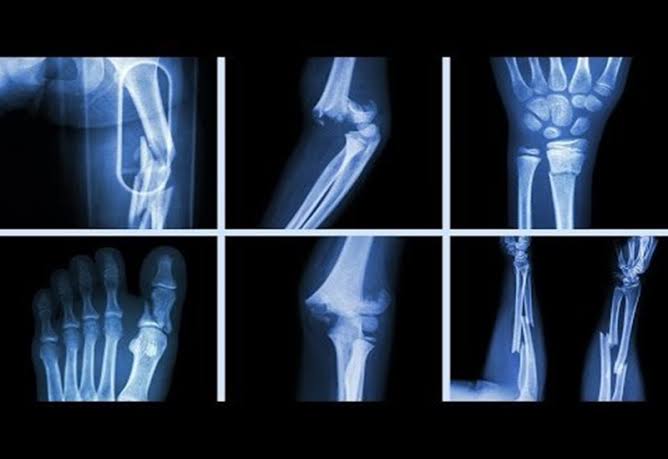
Fracture risk is something most adults never think about until a bone breaks — at which point the opportunity for prevention has already passed. Yet fracture risk in adults over 50 is highly measurable, well-understood, and, crucially, modifiable. Tools like FRAX (Fracture Risk Assessment Tool) and DEXA bone density scanning allow clinicians to estimate an individual’s probability of fracture over the next ten years and to identify who will benefit from treatment before a fracture occurs. The clinical and personal consequences of undetected, untreated fracture risk are substantial: hip fractures carry a 20–30% excess one-year mortality in older adults, and only half of hip fracture survivors regain their pre-fracture level of mobility. This guide explains what fracture risk means in practice, how it is assessed, and what the results of that assessment mean for treatment decisions.
What Is a Fragility Fracture?
Not all fractures signal a bone health problem. A young person who fractures a bone in a high-speed road collision has experienced a traumatic fracture — the force applied exceeds what any healthy bone could withstand. A fragility fracture, by contrast, is one that occurs from a force that healthy bone would not break under — typically a fall from standing height or less. Wrist fractures from catching a fall with an outstretched hand, vertebral compression fractures from bending or lifting, and hip fractures from stepping off a kerb are characteristic fragility fractures. Some vertebral compression fractures occur without any discernible injury event — the bone simply collapses under normal daily loading because it has lost sufficient strength.
Fragility fractures are the clinical consequence of osteoporosis — the condition in which bone mineral density and bone quality have declined to the point where bones can no longer absorb normal mechanical forces without fracturing. In the UK, approximately 500,000 fragility fractures occur each year; half of all women and a quarter of all men over 50 will sustain at least one fragility fracture during their remaining lifetime. The most clinically serious is the hip fracture, but vertebral and wrist fractures are far more common and are important both in their own right and as warning signs of elevated future fracture risk.
What Is FRAX and How Does It Work?
FRAX (Fracture Risk Assessment Tool) was developed by the World Health Organisation Collaborating Centre for Metabolic Bone Diseases at the University of Sheffield and is the internationally endorsed tool for clinical fracture risk assessment in adults aged 40–90. It has been validated in more than 70 independent cohort studies representing over 1 million patient-years of follow-up, making it one of the most extensively validated tools in clinical medicine.
FRAX takes 12 clinical inputs and produces two outputs:
- Inputs: age, sex, height, weight (BMI), prior fragility fracture, parental hip fracture, current smoking, glucocorticoid use (any dose, any duration ≥3 months), rheumatoid arthritis diagnosis, secondary osteoporosis (conditions including type 1 diabetes, osteogenesis imperfecta, long-standing untreated hyperthyroidism, hypogonadism, premature menopause, chronic malnutrition, malabsorption, chronic liver disease), alcohol intake (3 or more units daily), and optionally femoral neck BMD from a DEXA scan.
- Outputs: 10-year probability of major osteoporotic fracture (spine, hip, wrist, or shoulder combined) and 10-year probability of hip fracture specifically, expressed as percentages.
FRAX can be used without a bone density measurement — the clinical risk factors alone provide useful risk stratification — but adding femoral neck BMD from a DEXA scan improves accuracy. The tool is freely available online at the University of Sheffield FRAX website and can be used by both clinicians and patients. Our guide to bone health after age 50 covers who should consider FRAX assessment and the clinical risk factors that trigger a referral.
DEXA Bone Density Testing — T-Scores Explained
DEXA (dual-energy X-ray absorptiometry) is the gold-standard method for measuring bone mineral density (BMD). A DEXA scan is quick (10–20 minutes), uses very low-dose radiation (less than a day’s background radiation), and measures BMD at the lumbar spine (vertebrae L1–L4) and proximal femur (femoral neck and total hip) — the skeletal sites most relevant to osteoporotic fracture risk.
T-score: The primary output of a DEXA scan is the T-score — the number of standard deviations above or below the average peak bone mass of a healthy young adult. The World Health Organisation’s 1994 classification, still used in clinical practice, defines:
- Normal: T-score of −1.0 or above
- Osteopenia (low bone mass): T-score between −1.0 and −2.5
- Osteoporosis: T-score at or below −2.5
- Severe osteoporosis: T-score at or below −2.5 with one or more fragility fractures
Z-score: The Z-score compares BMD to age-matched and sex-matched peers rather than young adult peak values. A Z-score below −2.0 suggests bone density is lower than expected for age and warrants investigation for secondary causes of bone loss (coeliac disease, hyperparathyroidism, glucocorticoid use, malabsorption). Z-scores are particularly relevant in younger adults (under 50) where T-score comparisons to young adult peak bone mass are less clinically meaningful.
Trabecular Bone Score (TBS): TBS is an additional analysis available on some DEXA systems that assesses bone texture — the three-dimensional microarchitecture of trabecular bone — from the spine DEXA image. A lower TBS indicates more degraded bone texture and poorer structural integrity even at equivalent BMD. TBS is particularly useful in adults with type 2 diabetes, in whom standard BMD measurements tend to underestimate true fracture risk because diabetes impairs bone quality through advanced glycation end-product accumulation without reducing BMD. FRAX can be adjusted using TBS to produce a more accurate fracture probability in these patients.
NICE Intervention Thresholds
Not everyone with a low T-score needs pharmacological treatment, and not everyone with a normal T-score is safe from fracture. NICE CG146 (Osteoporosis: assessing the risk of fragility fracture) provides age-specific 10-year major fracture probability thresholds above which treatment is recommended. These thresholds increase with age because the same absolute fracture probability represents a higher fracture rate in older adults with shorter remaining life expectancy, and because the absolute benefit of treatment (number of fractures prevented per 100 patients treated) is greater at higher baseline risk.
In practice, for a 65-year-old woman, the NICE intervention threshold for major osteoporotic fracture is approximately 13–15% — a one-in-seven chance of a major fracture in the next decade. For a 75-year-old woman, the threshold is higher in absolute terms because the base rate is already elevated. NICE guidance recommends that GPs use the age-specific thresholds in the FRAX guidelines (available in the full NICE CG146 guidance and in the QFracture and FRAX tools) rather than applying a single fixed threshold across all ages.
It is also important to understand that the treatment threshold is not the same as the diagnosis threshold. A person with a T-score in the osteopenia range (say, −1.8) but with multiple clinical risk factors — a prior wrist fracture, a parent who had a hip fracture, and current smoking — may have a FRAX probability well above the intervention threshold and be strongly indicated for treatment. Conversely, a person with a T-score of −2.6 (technically meeting the WHO definition of osteoporosis) but who is only 52 years old with no other risk factors may have a FRAX probability below threshold and be managed with lifestyle optimisation and monitoring rather than immediate pharmacological treatment. This is why FRAX probability — not T-score alone — drives treatment decisions under NICE guidance.
A prior fragility fracture is a special case: NICE guidance recommends that most adults over 50 who have sustained a fragility fracture should be assessed and treated for osteoporosis without necessarily requiring a FRAX score above threshold, because the prior fracture itself provides strong evidence of bone fragility. Our guide to osteoporosis in women after menopause covers treatment options — bisphosphonates, denosumab, and teriparatide — in detail.
The Fracture Cascade — Why a Prior Fracture Is a Red Flag
One of the most clinically important and least widely known facts about osteoporotic fractures is that a prior fragility fracture approximately doubles the risk of a subsequent fracture. This “fracture cascade” effect means that the first fracture — often a relatively minor event like a wrist fracture from a fall — is not an isolated incident but a warning sign that bone fragility is already sufficient to cause further fractures with minimal provocation.
The vertebral fracture cascade is particularly well-documented: a person who has sustained one vertebral compression fracture has a five-fold elevated risk of a second vertebral fracture in the following year. Multiple vertebral fractures compound the spinal deformity (kyphosis, loss of height) and substantially increase hip fracture risk. Yet vertebral fractures are frequently asymptomatic or attributed to “back pain” — population studies suggest that two-thirds of vertebral fractures are never clinically identified. This is why a new vertebral fracture visible on a chest X-ray or spinal imaging ordered for another reason should always prompt investigation for osteoporosis, even when the patient reports no acute fracture event. Opportunistic identification of incidental vertebral fractures on imaging is a significant opportunity to intervene early in the fracture cascade before a hip fracture occurs.
This cascade dynamic underlies the clinical imperative of the Fracture Liaison Service approach: identifying patients at the first fracture — before the cascade has an opportunity to develop — and initiating treatment to reduce subsequent fracture risk. Our guides to bone health after age 60 and hip fractures in older adults cover the clinical management after a first fracture event.
Who Should Be Assessed for Fracture Risk?
NICE CG146 recommends fracture risk assessment (using FRAX or QFracture) for:
- All women aged 65 and over
- All men aged 75 and over
- Women aged 50–64 and men aged 50–74 with one or more clinical risk factors (see below)
- Any adult who has sustained a fragility fracture, regardless of age
Clinical risk factors that trigger assessment in the 50–64 age group include: previous fragility fracture, parental history of hip fracture, current smoking, alcohol intake above safe limits, BMI below 18.5, prolonged glucocorticoid use, medical conditions associated with secondary osteoporosis (rheumatoid arthritis, inflammatory bowel disease, coeliac disease, chronic kidney disease, hyperparathyroidism, hypogonadism), and early menopause (before age 45).
FRAX assessment is typically initiated by a GP. The online tool takes less than five minutes to complete and can be used without a referral for DEXA as a first-line screen. If FRAX indicates fracture probability above the assessment threshold for the patient’s age, DEXA is then recommended to incorporate BMD data and refine the estimate before making a treatment decision.
Fracture Liaison Services
Fracture Liaison Services (FLS) are NHS secondary care teams that systematically identify patients aged 50 and over who have sustained a fragility fracture and ensure they receive appropriate assessment, treatment, and follow-up for osteoporosis. The International Osteoporosis Foundation’s Capture the Fracture programme documents that in health systems without systematic FLS, fewer than 20% of fragility fracture patients receive bone health assessment — the other 80% leave hospital with their fracture treated surgically but with the underlying bone fragility unaddressed.
FLS pathways vary by hospital but typically involve: automatic identification of patients with fragility fractures admitted through orthopaedic or emergency departments; BMD assessment (DEXA) and FRAX calculation; initiation of calcium, vitamin D, and pharmacological treatment (bisphosphonates, denosumab) where indicated; and follow-up to monitor treatment adherence and BMD response at 12 months. Falls risk assessment is incorporated in many FLS programmes, recognising that fracture prevention requires both bone density improvement and falls prevention. The evidence base for FLS is strong — a 2021 systematic review found that FLS-enrolled patients had 40% lower rates of subsequent fracture and 35% lower mortality compared with patients who sustained fragility fractures at centres without an active FLS programme. This represents one of the most cost-effective interventions in orthopaedic and musculoskeletal medicine. More on falls prevention strategies is in our guide to fall prevention and bone health.
If you or a family member sustains a fragility fracture and is not referred to an FLS or offered bone health assessment, it is entirely appropriate to request this from the treating team or GP. NICE guidance explicitly recommends it, and many FLS teams also accept self-referrals.
Frequently Asked Questions
What does a FRAX score mean?
A FRAX score is a percentage — the estimated probability that you will sustain a major osteoporotic fracture (spine, hip, wrist, or shoulder) or a hip fracture specifically in the next 10 years. For example, a FRAX score of 15% for major fracture means approximately a 1 in 7 chance of a major fracture in the next decade. Whether that probability indicates a need for pharmacological treatment depends on your age — NICE uses age-specific thresholds, because a 15% probability means something different for a 50-year-old (who has many potential decades of fracture risk remaining) versus a 75-year-old. Your GP will compare your FRAX score to the appropriate threshold for your age when advising on treatment.
Can FRAX be done without a DEXA scan?
Yes — FRAX can be calculated using only the 11 clinical risk factors (age, sex, BMI, prior fracture, parental hip fracture, smoking, glucocorticoids, rheumatoid arthritis, secondary osteoporosis, and alcohol intake) without any bone density measurement. This clinical-risk-factor-only FRAX is useful as a first-line screen to determine whether a DEXA scan is warranted. Adding femoral neck BMD from a DEXA scan improves the accuracy of the probability estimate — so if FRAX without BMD is borderline (close to the intervention threshold), adding a DEXA measurement can clarify whether treatment is needed. If FRAX without BMD is already clearly above or below threshold, DEXA may not change the clinical decision.
What T-score indicates osteoporosis?
The World Health Organisation defines osteoporosis as a T-score at or below −2.5 at the spine, femoral neck, or total hip. A T-score between −1.0 and −2.5 indicates osteopenia (low bone mass, below the normal range but not as severely reduced as osteoporosis). A T-score of −1.0 or above is considered normal. It is important to understand that the T-score threshold for treatment is not the same as the diagnosis threshold — many adults are treated for fracture risk at T-scores between −1.5 and −2.5 when their FRAX score (incorporating clinical risk factors) indicates fracture probability above the treatment threshold. Conversely, a T-score of −2.5 in a 50-year-old woman with no other risk factors may not reach the treatment threshold, while the same T-score in a 70-year-old with prior fracture and smoking history almost certainly will.
Is a fragility fracture always a sign of osteoporosis?
A fragility fracture strongly suggests significant bone fragility and warrants osteoporosis assessment, but not every fragility fracture occurs in someone with a T-score below −2.5. A substantial proportion of fragility fractures (particularly hip fractures) occur in people with osteopenia (T-score between −1.0 and −2.5), because there are many more people in the osteopenic range than in the frankly osteoporotic range, and falling contributes heavily to hip fracture regardless of BMD. A wrist or hip fracture from a standing height fall in a person over 50 is clinically significant regardless of their T-score and warrants FRAX and BMD assessment — the clinical concern is not just the single fracture event but the underlying bone fragility it may indicate and the elevated future fracture risk it confers.
How often should fracture risk be reassessed?
For adults who have been assessed and are below the treatment threshold, reassessment every 3–5 years is generally appropriate in the 60s and 70s, as FRAX probability increases with age and new risk factors may emerge. For those on treatment, DEXA is typically repeated at 3–5 years to assess BMD response and inform decisions about continuing, stopping, or changing treatment. For those on denosumab — which requires uninterrupted administration and a structured transition when stopping — more active monitoring is required. Your GP or specialist will advise on the appropriate reassessment interval based on your individual risk profile and treatment plan.
Does lifestyle change affect fracture risk scores?
FRAX is a snapshot — it reflects your risk based on current inputs. Some FRAX inputs are not modifiable (age, sex, parental hip fracture history, prior fracture), but several are: stopping smoking, reducing alcohol intake to below 3 units per day, and improving BMD through exercise and nutrition can all shift FRAX probability downward. The modifiable factor with the greatest impact on FRAX probability is femoral neck BMD — increasing this through progressive resistance training and ensuring adequate calcium and vitamin D can reduce FRAX probability meaningfully over 1–2 years. Pharmacological treatment (bisphosphonates, denosumab) produces larger BMD gains and larger FRAX reductions than lifestyle measures alone. Our guide to how to support bone health naturally covers lifestyle measures that support BMD.
What is the difference between FRAX and QFracture?
Both FRAX and QFracture are validated fracture risk assessment tools used in UK clinical practice. FRAX is the internationally endorsed WHO tool, developed from international cohort data and validated in 70+ cohorts worldwide. QFracture was developed using UK primary care data and is embedded in many NHS GP system software packages, making it convenient for GP-initiated assessment without leaving the clinical record system. QFracture includes some additional factors not in FRAX (type 2 diabetes, cardiovascular disease, chronic obstructive pulmonary disease, antidepressant and antipsychotic use) and does not require BMD data. NICE CG146 endorses both tools. In practice, both produce similar fracture probability estimates in most patients — the choice between them is primarily a matter of what is available in the clinical setting.
Summary
Fracture risk in adults over 50 is measurable, clinically meaningful, and actionable. FRAX provides a validated 10-year fracture probability estimate from widely available clinical information, and DEXA bone density scanning refines that estimate when the clinical picture is borderline or when BMD data is needed to guide treatment decisions. NICE CG146 provides age-specific intervention thresholds that guide when pharmacological treatment is recommended. The fracture cascade — the doubling of future fracture risk after a first fragility fracture — makes timely assessment and treatment after any fragility fracture particularly important, and Fracture Liaison Services are the NHS infrastructure designed to ensure this happens systematically. Lifestyle measures (exercise, calcium, vitamin D, smoking cessation) contribute to bone health and modifiable FRAX inputs, but for those above the NICE intervention threshold, pharmacological treatment provides fracture risk reductions that lifestyle measures cannot match. Our guides to calcium and bone health and vitamin D and bone health cover the nutritional foundations of bone protection.
Medical disclaimer: This article is for general educational purposes and does not constitute medical advice. Consult a qualified healthcare professional for personalised fracture risk assessment and management.
References:
NICE CG146. Osteoporosis: assessing the risk of fragility fracture. NICE. 2023.
FRAX. WHO Fracture Risk Assessment Tool. University of Sheffield. 2023.
NHS. Osteoporosis. nhs.uk. 2023.
Kanis JA et al. FRAX and the assessment of fracture probability in men and women from the UK. Osteoporos Int. 2008.
IOF Capture the Fracture. Best Practice Framework for secondary fracture prevention. capturethefracture.org. 2023.
I was assessed for fracture risk at 58 after mentioning to my GP that I had broken my wrist in a fall two years earlier. I had attributed it at the time to the fall itself and didn’t think much of it, but my GP pointed out that a wrist fracture from a standing height fall at 56 is a fragility fracture and should have triggered osteoporosis assessment at the time. We did a FRAX calculation — my 10-year major fracture probability came out at 18%, which was above the threshold for my age. She then referred me for DEXA, and my spine T-score came back at −2.2 (osteopenia) and hip at −1.8. With the DEXA results added into FRAX, the probability went to 21%. My GP started me on alendronate, calcium, and vitamin D, and explained that the wrist fracture two years ago had already doubled my future fracture risk and that it was important to address this before another fracture occurred. The article’s explanation of prior fragility fractures as a cascade trigger, and the point that a wrist fracture should prompt immediate osteoporosis assessment, is something I deeply wish I had known at the time of the original wrist fracture.
Patricia, your clinical course is a textbook example of the fracture cascade in action — and of the gap in secondary fracture prevention that Fracture Liaison Services were specifically designed to close. A fragility wrist fracture at 56, unaddressed for two years, is precisely the sentinel event that should have triggered FRAX and DEXA at the time. Your current T-scores at −2.2 and −1.8, combined with the prior fracture, give a FRAX probability that clearly meets the treatment threshold — and your GP’s decision to start alendronate, calcium, and vitamin D is the evidence-based response. Adherence to alendronate (weekly on an empty stomach, remaining upright for 30 minutes) is the main practical challenge; if oesophageal discomfort develops, risedronate or intravenous zoledronate are well-established alternatives. The goal now is to prevent a second fracture — particularly a vertebral or hip fracture, which would represent a major escalation in severity. David, your situation reflects a genuine diagnostic gap in standard osteoporosis assessment for people with type 2 diabetes. The TBS-adjusted FRAX shifting from 8% to 12% across the assessment threshold is exactly the clinical scenario where TBS adds real value — without it, you might have been reassured and discharged without further review. The partially degraded TBS at 1.24 reflects the advanced glycation end-product accumulation in trabecular bone matrix that T2DM causes, reducing bone quality and fracture toughness even when BMD appears normal. The specialist referral will determine whether active treatment is indicated or whether monitoring with lifestyle optimisation (optimising glycaemic control, maintaining resistance exercise, ensuring vitamin D and calcium) is sufficient at this point.
I have type 2 diabetes diagnosed at 52 and my GP mentioned at a routine review at 64 that I should have a DEXA scan because T2DM increases fracture risk. My DEXA results came back with T-scores of −0.8 at the spine and −1.1 at the hip — technically normal by WHO classification. But my GP said that in T2DM patients, the standard FRAX calculation using these T-scores may underestimate fracture risk, and the radiologist had also included a TBS (trabecular bone score) in the DEXA report. My TBS was 1.24, which is in the partially degraded range. When the FRAX was adjusted using the TBS, my major fracture probability went from 8% (below threshold) to 12% (above the assessment threshold for my age), and I was referred to a specialist for further discussion. The article’s point about TBS being particularly important in type 2 diabetes because bone quality is impaired without the BMD changes that standard FRAX picks up was exactly my situation.