
Protein and bone strength have a more important and more positive relationship than older nutritional guidance suggested. For decades, the belief that high-protein diets were harmful to bone — because increased dietary protein raises urinary calcium excretion — was influential in nutrition advice. More recent research has substantially revised this picture: the net effect of adequate-to-high protein intake on bone is neutral to beneficial, because the increased urinary calcium is offset by increased intestinal calcium absorption, and because protein provides the collagen framework on which bone mineral is deposited. Protein deficiency, by contrast, is clearly detrimental to bone — it impairs collagen synthesis, reduces IGF-1 (a bone-forming growth factor essential for osteoblast differentiation and activity), leads to loss of muscle mass that reduces mechanical loading of the skeleton, and is common in frail older adults who are also at highest fracture risk.
Protein’s role in bone health operates through two distinct channels: directly, through provision of the amino acids needed to synthesise and maintain type I collagen (the organic matrix of bone); and indirectly, through its role in maintaining muscle mass. Muscle provides the mechanical loading stimulus for osteoblast activity, and muscle weakness is a major independent predictor of falls — the proximate cause of the majority of fragility fractures. This means that protein adequacy is simultaneously a bone structural issue and a falls prevention issue, with the two pathways converging on fracture risk from different directions. Understanding both channels explains why protein is increasingly emphasised alongside calcium, vitamin D, and exercise in contemporary bone health guidance — not as a secondary consideration, but as a primary nutritional pillar. Full context on fracture risk factors is in our guide to osteoporosis risk factors.
Protein’s Role in Bone Structure
Bone is not pure mineral. Approximately 35% of bone by dry weight is organic matrix — predominantly type I collagen, which accounts for around 90% of the organic fraction. Type I collagen fibres form a scaffold onto which hydroxyapatite (calcium phosphate) crystals are deposited during bone mineralisation. The collagen scaffold provides bone with its tensile strength and toughness — the ability to resist fracture under bending, twisting, and impact forces. Hydroxyapatite provides compressive strength and hardness. Neither component alone provides adequate fracture resistance: bone without mineral is too flexible (as in rickets and osteomalacia), and bone with insufficient or degraded collagen is too brittle (as in osteogenesis imperfecta — the genetic collagen disorder, and in the ageing-related collagen crosslinking changes that contribute to increased fracture risk even in individuals with normal BMD).
Building and maintaining adequate collagen matrix requires:
- Adequate dietary protein — particularly glycine, proline, and hydroxyproline, the amino acids most abundant in collagen. These can be synthesised from other amino acids, but dietary supply reduces the metabolic burden of synthesis.
- Vitamin C — essential for the post-translational hydroxylation of proline and lysine residues in collagen, which stabilises the triple helix; severe vitamin C deficiency (scurvy) prevents collagen cross-linking and causes skeletal fragility.
- Adequate energy intake — protein synthesis is energy-dependent; dietary restriction severe enough to reduce energy intake also impairs protein turnover and collagen maintenance.
The Protein–Calcium–Urine Debate
The older concern about dietary protein and bone loss arose from studies showing that high-protein intake increases urinary calcium excretion (hypercalciuria). The hypothesis was that protein acidifies body fluids, requiring calcium carbonate buffers to be mobilised from bone to restore pH — a process that would progressively deplete bone mineral.
Subsequent research has shown this interpretation was incomplete. Higher protein intake simultaneously increases intestinal calcium absorption — through stimulation of IGF-1, which promotes calcitriol production in the kidney, increasing gut calcium uptake. Meta-analyses consistently show that the increase in intestinal calcium absorption with higher protein intake equals or exceeds the increase in urinary calcium excretion, resulting in a neutral to slightly positive net calcium balance. The acid-load buffering hypothesis, while biochemically real, does not appear to translate into clinically meaningful bone loss at protein intakes within the normal dietary range.
The clinical evidence supports this revised picture. Large prospective cohort studies, including data from the Nurses’ Health Study and the Health Professionals Follow-up Study, show that higher protein intake is associated with higher BMD and lower fracture risk, not the opposite. Women in the highest protein intake quintile had significantly lower hip fracture risk than those in the lowest quintile in several major cohorts. This association holds for both animal and plant protein, though some studies suggest animal protein may have a modestly greater BMD-positive effect, possibly through higher leucine content (an anabolic amino acid that stimulates muscle protein synthesis and may also influence bone). A 2017 meta-analysis of 13 prospective cohort studies found that total protein intake was significantly associated with higher BMD at the femoral neck and lumbar spine, and that both plant and animal protein contributed positively to bone outcomes when total intake was adequate. The earlier narrative of protein as detrimental to bone has been substantially replaced in the research literature by one recognising protein adequacy as a prerequisite for bone health alongside calcium and vitamin D — though mainstream public health messaging has been slower to reflect this shift.
Protein Requirements for Bone Health
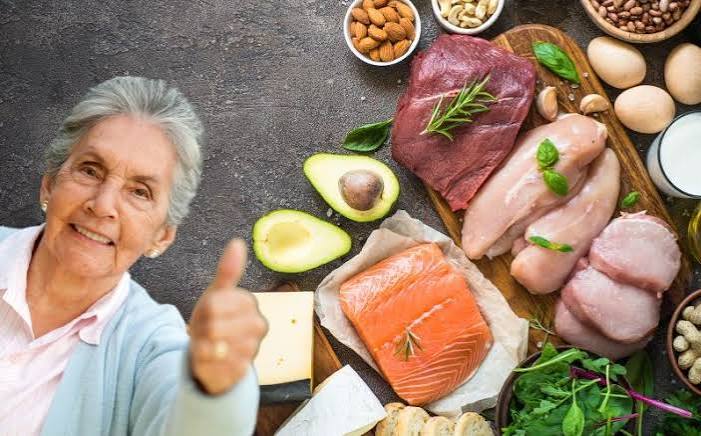
The UK Reference Nutrient Intake (RNI) for protein is 0.75 g per kg of body weight per day for adults — approximately 53 g/day for a 70 kg adult. This is the minimum to prevent deficiency in the general population. For bone health and muscle preservation (which also supports bone through mechanical loading and fall prevention), most nutritional organisations focused on older adults recommend higher intakes:
- Adults over 50: 1.0–1.2 g/kg/day — supported by ESPEN (European Society for Clinical Nutrition and Metabolism) guidelines for healthy older adults; at the higher end for those with sarcopenia, osteoporosis, or during recovery from fracture
- Adults over 65 with illness or frailty: up to 1.5 g/kg/day during recovery from acute illness, fracture, or surgical intervention
- Active adults under 50: 1.0 g/kg/day appears sufficient for bone and muscle maintenance, with no additional bone benefit beyond this level in most studies
For a 70 kg adult over 50, 1.0 g/kg/day means 70 g protein per day — achievable from a typical omnivore diet with meat, fish, dairy, or eggs at most meals, and more challenging (but still possible) on a vegan diet with deliberate attention to protein-rich plant foods.
Protein, Muscle, and Bone: The Indirect Connection
Protein’s contribution to bone health is partly direct (collagen synthesis) and partly indirect, through muscle. Muscle and bone are mechanically interdependent: muscle contraction applies mechanical loads to bone through tendons, stimulating osteoblast activity and bone formation (Wolff’s law). Higher muscle mass is associated with higher BMD across all age groups, and loss of muscle mass (sarcopenia) is closely correlated with bone density decline in ageing.
Adequate dietary protein is essential for maintaining muscle mass — particularly in older adults, who have reduced anabolic sensitivity to dietary protein and need both higher absolute protein intake and better distribution of protein across meals (rather than concentrating it in a single large meal) to stimulate muscle protein synthesis effectively. The 2.5–2.8 g/kg leucine threshold for maximally stimulating muscle protein synthesis is more easily achieved with animal protein sources (meat, dairy, eggs, whey), but is achievable with plant proteins when intake is adequate and sources are combined to provide a full amino acid profile.
Falls risk reduction is the downstream benefit of maintaining muscle mass and strength — and falls are the proximate cause of the majority of fragility fractures. Protein adequacy therefore contributes to fracture prevention through both bone strength (collagen) and falls prevention (muscle preservation). This dual mechanism is the reason protein is increasingly mentioned alongside calcium, vitamin D, and exercise in contemporary bone health guidelines. For full context on fracture risk and prevention, see our guide to osteoporosis risk factors.
Protein Intake in Fracture Recovery
Protein requirements increase substantially after a fracture. The repair and remodelling of bone requires substantial collagen synthesis — osteoblasts are very active during callus formation in the weeks after fracture. Simultaneously, the enforced immobility of fracture recovery accelerates muscle atrophy (disuse sarcopenia), which requires higher protein intake to minimise. Clinical guidelines for post-fracture nutritional support recommend 1.2–1.5 g/kg/day protein in the acute recovery phase, alongside adequate calcium and vitamin D (both also needed for callus mineralisation).
Protein deficiency after a hip fracture — extremely common in frail hospitalised older adults — is associated with worse clinical outcomes: longer time to ambulation, higher complication rates, longer hospital stay, and higher one-year mortality. Nutritional support (including oral protein supplements if voluntary dietary intake is insufficient) in the post-fracture period is an evidence-based intervention that improves outcomes in this high-risk group. More on bone health in older adults is in our guide to bone health after age 60.
Collagen Supplements and Bone
The growing market for collagen supplements — typically hydrolysed collagen peptides derived from bovine or marine collagen — reflects public awareness of collagen’s structural importance in bone and connective tissue. The evidence for collagen peptide supplementation in bone health is promising but still at an early stage.
Hydrolysed collagen provides dipeptides and tripeptides (particularly proline-hydroxyproline and hydroxyproline-glycine) that are absorbed intact from the gut and have been shown in cell culture and animal studies to stimulate osteoblast collagen synthesis and inhibit osteoclast activity. Human trials are limited in number but generally positive. A 2018 randomised controlled trial in postmenopausal women found that 5 g/day of specific collagen peptides over 12 months significantly increased lumbar spine BMD compared with placebo, with improvements also seen in bone turnover markers (rising P1NP, falling CTX — a pattern consistent with increased formation relative to resorption). A 12-month follow-up of the same cohort showed continued BMD benefit at 24 months.
The effect mechanism may involve the collagen-derived peptides acting as signalling molecules that stimulate osteoblast procollagen synthesis beyond what would be expected from their amino acid content alone. This distinguishes hydrolysed collagen from simply consuming adequate protein in any form — the specific peptide fragments from collagen hydrolysis may carry a bone-signalling effect that generic protein does not.
The limitations of the current evidence are: small study populations, industry funding in several trials, and a lack of fracture end-point data. Collagen supplements are not included in NICE or Royal Osteoporosis Society clinical guidelines for osteoporosis management. They represent a plausible but not yet guideline-supported addition to the bone health nutritional toolkit, appropriate to consider alongside (not instead of) pharmacological treatment for those with confirmed osteoporosis. For those seeking comprehensive nutritional bone support, a diet meeting adequate total protein from food, combined with specific attention to collagen-precursor amino acids from broth, skin-on poultry, and gelatin-containing foods, provides the substrate from which the body synthesises its own collagen without relying on supplements.
Plant Protein and Bone
Plant protein sources — legumes, soy products, nuts, seeds, whole grains — can provide adequate protein for bone health, though attention to completeness of amino acid profiles is important at higher intakes. Soy protein is the most studied plant protein for bone health: soy isoflavones (genistein, daidzein) have weak oestrogen-receptor-binding activity and have been shown in some trials to modestly attenuate postmenopausal bone loss — an effect mediated by both the isoflavones and the protein content. Legumes, nuts, and seeds also provide complementary bone-relevant nutrients (magnesium, calcium in some forms, zinc) that whole-diet approaches may leverage better than supplementation alone. A well-planned plant-based diet with adequate total protein is compatible with good bone health, and is not associated with lower BMD in studies that control for protein adequacy.
Frequently Asked Questions
Does protein help build stronger bones?
Yes — adequate dietary protein is associated with higher bone mineral density and lower fracture risk in large population studies. Protein’s primary role in bone is as the substrate for type I collagen synthesis — the organic matrix that provides bone its tensile strength and fracture toughness. Without adequate protein, collagen turnover is impaired and bone quality deteriorates even when mineral density is maintained. The older concern that high protein harms bone (by increasing urinary calcium) has been substantially revised: the net effect of normal-to-high protein intake on calcium balance is neutral to positive because intestinal calcium absorption increases proportionally to dietary protein.
How much protein do I need for bone health?
The UK RNI for protein is 0.75 g/kg/day, but for adults over 50 seeking to optimise bone and muscle health, 1.0–1.2 g/kg/day is recommended by European and international nutrition guidelines for older adults. This means approximately 70–84 g/day for a 70 kg person — achievable from 2–3 portions of meat, fish, eggs, or dairy per day, or equivalent amounts from high-protein plant foods (legumes, tofu, tempeh, edamame, nuts, seeds, high-protein wholegrains). Spreading protein intake across meals (rather than concentrating it in one large portion) is also recommended to maximise muscle protein synthesis, which indirectly supports bone through mechanical loading.
Does high protein intake cause bone loss?
No — the evidence does not support this conclusion at normal dietary protein intakes. The concern originated from studies showing that protein increases urinary calcium, leading to the hypothesis that calcium was being lost from bone. Meta-analyses and large cohort studies have since shown that this is offset by increased intestinal calcium absorption, and that higher protein intake is associated with better, not worse, bone density. The older acid-load hypothesis — that protein acidifies body fluids and triggers bone calcium mobilisation as a buffer — has not been confirmed in well-designed studies at normal dietary protein levels. Protein deficiency is the real bone health concern, not protein excess.
Can a vegan or plant-based diet provide enough protein for bone health?
Yes, with deliberate food choices. Plant protein sources including soy (edamame, tofu, tempeh, soy milk), legumes (lentils, chickpeas, black beans), seitan (wheat gluten), nuts, seeds, and whole grains can provide adequate total protein for bone health when consumed in sufficient amounts. The practical challenge is that most plant protein sources have lower leucine content than animal proteins, and individual plant proteins are often incomplete (lacking one or more essential amino acids). Combining protein sources across meals addresses completeness; ensuring total protein intake reaches 1.0–1.2 g/kg/day provides the quantity needed. Vegans should also pay close attention to calcium (from fortified plant milks, tofu, kale), vitamin D (supplementation), and vitamin B12 (supplementation) alongside protein.
Is protein intake important after a fracture?
Critically so. Fracture repair requires intensive collagen synthesis during callus formation, and the enforced immobility of recovery causes rapid muscle loss — both increasing protein demands substantially above the maintenance RNI. Clinical guidelines recommend 1.2–1.5 g/kg/day of protein during acute fracture recovery. In frail older adults hospitalised for hip fracture, protein malnutrition is extremely common and is independently associated with worse outcomes: longer hospital stay, higher complication rates, slower recovery of mobility, and higher one-year mortality. Oral protein supplementation (protein-enriched drinks or supplements) is appropriate and beneficial in this group when voluntary dietary protein intake is insufficient.
What is the link between muscle mass and bone strength?
Muscle and bone are mechanically coupled: muscle contraction transmits force to bone through tendons, creating the mechanical loading signal that stimulates osteoblasts to build and maintain bone density. Higher muscle mass is associated with higher BMD across all age groups. Sarcopenia — age-related muscle loss — is closely correlated with osteoporosis progression; both conditions share common risk factors (physical inactivity, protein inadequacy, vitamin D deficiency) and are often found together as “osteosarcopenia.” Maintaining muscle mass through adequate protein intake (1.0–1.2 g/kg/day) and resistance exercise is therefore a bone health intervention as well as a falls prevention measure — with downstream fracture reduction benefits operating through both pathways.
Does protein help if I already have osteoporosis?
Yes — adequate protein intake remains important in osteoporosis management even when pharmacological treatment is in place. Bisphosphonates and denosumab reduce fracture risk by suppressing osteoclast activity, but bone remodelling cycles that follow still require adequate collagen synthesis for the new bone laid down by osteoblasts to have normal organic matrix quality. Protein deficiency with pharmacological treatment means less fracture benefit than expected — the medication reduces resorption, but the formation phase is impaired by inadequate collagen substrate. Additionally, the muscle-mass and falls-prevention benefits of adequate protein are critically important in osteoporosis, where the combination of bone fragility and high falls risk creates the fracture scenario that treatment aims to prevent.
Summary
Protein is an essential but underemphasised component of bone health. Type I collagen — which forms 90% of bone’s organic matrix and provides its tensile strength — requires adequate dietary protein for synthesis and maintenance. The older concern that high protein harms bone through calcium losses has been substantially revised: the net effect on calcium balance is neutral to positive at normal dietary intakes, and higher protein intake is associated with better bone density and lower fracture risk in population data. Adults over 50 should aim for 1.0–1.2 g/kg/day of protein, distributed across meals, from a combination of animal and/or plant sources. Protein requirements increase further during fracture recovery, when collagen synthesis demands peak and muscle atrophy from immobility accelerates. The bone–muscle relationship means that protein’s contribution to falls prevention is as important as its direct contribution to bone structure — and falls prevention may contribute more to fracture reduction in the very old than further gains in bone density, where the starting point is already severely reduced. Protein adequacy is therefore a priority at every stage of bone health management: from building peak bone mass in youth, through maintenance in midlife, to fracture prevention and recovery in older age. For nutritional context alongside calcium, vitamin D, and micronutrients, see our guides to calcium and bone health, vitamin D and bone health, and magnesium and bone health. For how bone health changes specifically with age, see our guides to bone health after age 50 and bone health after age 60.
Medical disclaimer: This article is for general educational purposes and does not constitute medical advice. Consult a qualified healthcare professional for personalised nutrition and bone health advice.
References:
Bonjour JP. Dietary protein: an essential nutrient for bone health. J Am Coll Nutr. 2005;24(6 Suppl):526S–536S.
Hannan MT, et al. Effect of dietary protein on bone loss in elderly men and women. J Bone Miner Res. 2000;15(12):2504–2512.
ESPEN. Recommendations for action against sarcopenia. espen.org. 2018.
NHS. Protein in a healthy diet. nhs.uk. 2023.
I had a hip fracture six months ago at 74 and was in hospital for two weeks. My dietitian there mentioned that my pre-fracture diet had been quite low in protein — I’m a small eater and had been consuming mainly soup, toast, and small portions of vegetables. My serum albumin was below normal on admission, which she said indicated protein depletion. I was given fortified protein drinks alongside my meals in hospital, and on discharge was given advice to increase protein at every meal — adding eggs at breakfast, a portion of fish or meat or legumes at lunch and dinner. I was told to aim for 1.2 g/kg/day. My physiotherapist also confirmed that muscle rebuilding after the hip fracture required adequate protein alongside the rehabilitation exercises. I’m six months post-fracture and back to walking with a stick. The article’s section on post-fracture protein requirements and the point about frail older adults commonly being protein-deficient at the time of fracture reflects exactly what I experienced.
Sandra, your clinical course illustrates the compounding nature of protein deficiency in acute hip fracture management: low pre-fracture intake leading to a below-normal albumin at admission, the increased demands of callus formation and muscle rebuilding during recovery, and the high risk of functional decline when protein is insufficient during this period. The dietitian’s intervention with fortified protein drinks and discharge counselling is exactly the evidence-based approach — oral protein supplementation in malnourished hip fracture patients reduces complication rates, shortens hospital stay, and improves recovery of walking function in randomised trials. Your recovery to walking at six months post-fracture is a positive outcome. Continuing the 1.2 g/kg/day target and the rehabilitation exercises will support ongoing muscle and bone recovery over the next year. Robert, your T-scores at 60 are excellent, and your dietary protein tracking at approximately 1 g/kg/day from varied plant sources is the kind of deliberate, well-planned approach that makes vegan bone health achievable. The key risk in longer-term vegan eating is gradual dietary simplification — the variety that provides complementary amino acids and the micronutrients that support bone (calcium from fortified milks and tofu set with calcium sulphate, vitamin B12 from supplements, vitamin D from supplementation) requires consistent attention. Your GP’s advice to actively maintain intake as you age, rather than assuming it will remain adequate passively, is exactly right.
I’ve been vegetarian for 25 years and switched to vegan four years ago at age 58. I had a DEXA scan at 60 and was relieved to find my T-scores were both in the normal range (−0.4 at the hip, −0.7 at the spine). My GP was impressed but asked about my diet in detail, and we went through my protein sources — I eat tofu, tempeh, edamame, lentils, chickpeas, and nuts daily, and I track my protein intake roughly. I was getting about 78 g/day for my body weight of 73 kg — just over 1 g/kg/day. My GP said this was good but to ensure I maintained this consistently, especially since older adults sometimes unconsciously reduce food variety and intake. This article’s section on plant protein and bone health, and the point that a well-planned vegan diet with adequate total protein can support bone health equivalent to omnivore diets, reflects what my experience and DEXA results suggest.