
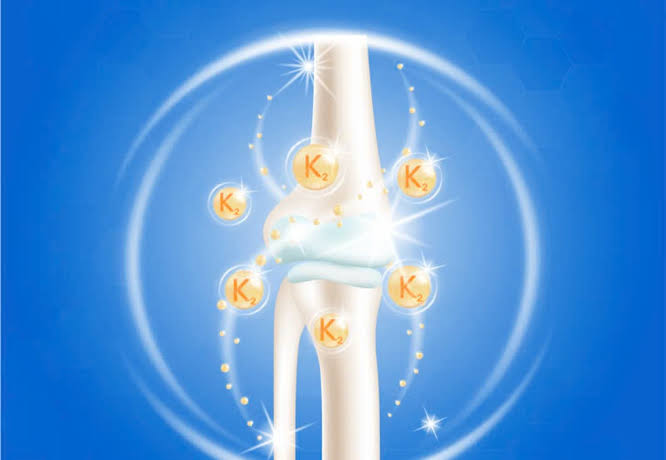
Vitamin K and bone health represent one of the more nuanced areas in bone nutrition — a nutrient with a well-established biochemical role in bone mineralisation that is less prominently featured in public health messaging than calcium and vitamin D, partly because the clinical evidence for fracture reduction from vitamin K supplementation in adequately nourished populations is still developing. Nevertheless, vitamin K’s role in activating the proteins that direct calcium into bone (and keep it out of arteries) is mechanistically important and supports its place in a complete bone health nutritional strategy.
Of particular clinical interest is the fact that vitamin K is not a single compound — the K1 form (phylloquinone, found in leafy vegetables) and the K2 forms (menaquinones, found in fermented foods and aged cheeses) behave differently in the body, distribute differently to bone and vascular tissue, and have different evidence profiles for bone health outcomes. The distinction between K1 and K2, and particularly between the longer-chain K2 form MK-7 and the shorter-chain MK-4, is increasingly recognised as clinically meaningful — not just a biochemical footnote. This guide covers what vitamin K is, what it does in bone, where to find it in food, and what the evidence says about supplementation.
What Is Vitamin K?
Vitamin K is a fat-soluble vitamin that exists in two principal dietary forms: vitamin K1 (phylloquinone) and vitamin K2 (menaquinones, abbreviated as MK-n where n denotes the length of the side chain). Vitamin K1 is found primarily in green leafy vegetables and is the dominant form in the typical Western diet. Vitamin K2 is found in fermented foods, some cheeses, and animal products; it is also produced by gut bacteria, though the extent to which intestinal K2 contributes to systemic vitamin K status is uncertain.
The two forms differ in their tissue distribution and half-life. Vitamin K1 has a short half-life and is preferentially taken up by the liver, where it is primarily used for blood clotting factor activation (the original, and still best-established, function of vitamin K). Vitamin K2 — particularly the longer-chain forms MK-7 and MK-4 — has a substantially longer half-life (MK-7 remains active for several days vs. hours for K1) and distributes more widely to extrahepatic tissues including bone and the arterial wall. This tissue distribution difference is the reason most bone health research focuses specifically on vitamin K2 rather than K1.
How Vitamin K Affects Bone
Vitamin K’s role in bone is mediated through its function as a cofactor for the enzyme γ-glutamyl carboxylase, which adds carboxyl groups to specific glutamate residues on vitamin K-dependent proteins — a post-translational modification called carboxylation. Without adequate vitamin K, these proteins remain undercarboxylated and functionally impaired.
The two most important vitamin K-dependent bone proteins are:
- Osteocalcin (bone Gla protein, BGP) — produced by osteoblasts; when carboxylated by vitamin K, osteocalcin binds calcium and is incorporated into the hydroxyapatite matrix of bone, contributing to bone mineral density and crystal integrity. Undercarboxylated osteocalcin (ucOC) cannot bind calcium effectively and is released into the circulation rather than being incorporated into bone. The ratio of ucOC to total osteocalcin is used as a marker of vitamin K status in bone; high ucOC indicates insufficient vitamin K activity at the bone level.
- Matrix Gla protein (MGP) — produced in vascular smooth muscle and cartilage; when carboxylated by vitamin K, MGP inhibits vascular calcification by preventing calcium-phosphate crystal nucleation in arterial walls. Undercarboxylated MGP is one of the strongest known inhibitors of vascular calcification when carboxylated — and one of the strongest promoters when undercarboxylated. This dual role in bone and arteries has generated interest in vitamin K2 for both bone protection and cardiovascular health, though the cardiovascular evidence base is at an earlier stage than the bone evidence.
Evidence for Vitamin K and Fracture Risk
The strongest evidence for vitamin K2 in bone health comes from Japan, where a high-dose MK-4 preparation (menatetrenone, 45 mg/day — pharmacological rather than nutritional) has been approved for osteoporosis treatment since 1995. Japanese clinical trials show that menatetrenone reduces vertebral fracture risk by approximately 50% in osteoporotic women, and increases lumbar spine BMD modestly. However, this evidence applies to a pharmacological dose far above what is achievable from diet or standard supplements.
Evidence for nutritional-range vitamin K2 (MK-7, 180–360 µg/day) is more modest but supportive. A two-year randomised trial of MK-7 (180 µg/day) in healthy postmenopausal Dutch women found significant reductions in undercarboxylated osteocalcin (indicating improved vitamin K-dependent protein activation) and modest attenuation of age-related bone density decline at the lumbar spine and femoral neck compared with placebo. There was no significant reduction in fracture rates — the trial was not powered for fracture as a primary endpoint.
Epidemiological data from the Nurses’ Health Study found that women with the highest vitamin K1 intake had a significantly lower risk of hip fracture than those with the lowest intake, with a 30% relative risk reduction. Similar associations have been reported in other large cohorts. The interpretation is complicated by the fact that high vitamin K1 intake is a marker of high vegetable consumption, which is associated with better bone health through multiple mechanisms beyond vitamin K alone.
Vitamin K1 vs Vitamin K2: Which Matters More for Bone?
The mechanistic argument for K2’s superiority over K1 for bone health rests on K2’s longer half-life and greater bone tissue distribution. However, the practical significance of this difference in normally nourished adults is not fully resolved. A 2020 meta-analysis concluded that vitamin K2 (MK-7 and MK-4) had a more consistent positive effect on BMD than K1 supplementation, but the effect sizes were small for both.
For dietary purposes, ensuring adequate intake of both K1 (from green leafy vegetables, which also provide other bone-relevant nutrients) and K2 (from fermented foods) represents the most practical approach. For supplementation, most bone health supplement products now include MK-7 (the longer-chain menaquinone with superior bioavailability and longer half-life compared with MK-4) rather than K1 or the shorter-chain MK-4 at nutritional doses.
Dietary Sources
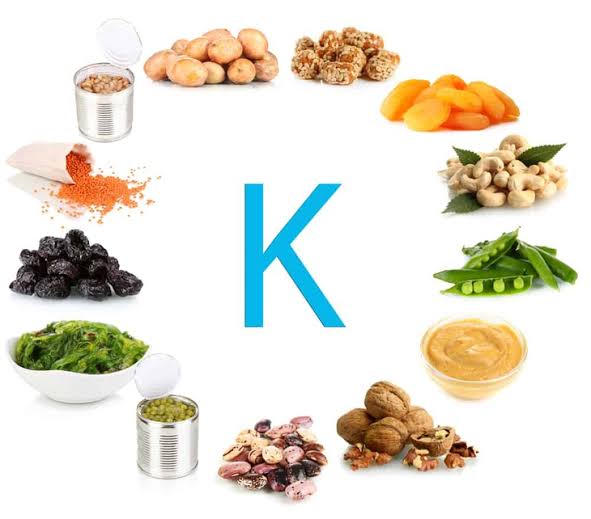
Vitamin K1 sources (phylloquinone):
- Kale (100 g raw): approximately 700 µg K1 — one of the richest sources
- Spinach (100 g raw): approximately 480 µg K1
- Broccoli (100 g cooked): approximately 140 µg K1
- Brussels sprouts (100 g cooked): approximately 140 µg K1
- Spring onions / scallions (100 g): approximately 200 µg K1
- Vegetable oils (soybean, rapeseed): 50–200 µg per tablespoon — a significant but often overlooked K1 source
Vitamin K2 sources (menaquinones):
- Natto (fermented soybeans, 100 g): approximately 1,000 µg MK-7 — by far the richest K2 source; a Japanese fermented food not commonly eaten in the UK
- Hard cheeses (gouda, edam, 30 g): approximately 15–20 µg K2 (MK-4 + MK-9)
- Soft cheeses (brie, camembert): modest K2 content from bacterial fermentation during production
- Egg yolk: approximately 5 µg MK-4 per egg
- Chicken or beef liver: modest MK-4 content
- Sauerkraut, miso: small amounts of MK-7 from bacterial fermentation
The UK Adequate Intake (AI) for vitamin K is 1 µg per kg of body weight per day — approximately 70 µg/day for a 70 kg adult — based primarily on the requirement for blood clotting factor activation. This is achievable from diet for most adults who eat green vegetables. However, the dose associated with optimal osteocalcin carboxylation and bone health benefits in trials is substantially higher (180–360 µg/day of MK-7), suggesting the coagulation-based AI may understate what is needed for optimal bone function.
Vitamin K Status: How Is It Assessed?
Unlike calcium and vitamin D, there is no single routine blood test that is used to assess vitamin K status in clinical practice for bone health purposes. Serum phylloquinone (K1) levels are measurable but reflect recent dietary intake more than long-term tissue status. The functional marker most relevant to bone health is the proportion of undercarboxylated osteocalcin (ucOC) in the bloodstream — a high ucOC-to-total-osteocalcin ratio indicates that osteocalcin carboxylation is limited by vitamin K availability, regardless of the absolute dietary intake. High ucOC is associated with lower BMD and higher fracture risk in population studies and is used as the primary endpoint in most vitamin K supplement trials.
PIVKA-II (protein induced by vitamin K absence or antagonism II) — an undercarboxylated form of the clotting factor prothrombin — is used in clinical practice to detect severe vitamin K deficiency causing coagulation impairment, but it is a less sensitive marker of the subclinical vitamin K insufficiency relevant to bone health than ucOC.
In practice, vitamin K status is rarely measured in routine clinical bone health management in the UK. The decision to supplement with K2 is generally based on dietary assessment (natto consumption, fermented food intake, aged cheese consumption) and clinical context (postmenopausal, on pharmacological bone treatment, seeking comprehensive nutritional support) rather than on blood testing. Warfarin patients are the exception — any change in vitamin K status in this group requires INR monitoring.
The Calcium–Vitamin D–Vitamin K2 Triad
A growing body of research has examined whether vitamin K2 and vitamin D have synergistic effects on bone health — acting together more effectively than either alone. The proposed mechanism is logical: vitamin D increases the production of osteocalcin by osteoblasts, while vitamin K2 activates it through carboxylation. If vitamin D stimulates more osteocalcin production without adequate vitamin K2 to activate it, the excess undercarboxylated osteocalcin is not fully useful for bone mineralisation. Conversely, high vitamin K2 cannot compensate for inadequate vitamin D-driven osteocalcin synthesis.
A randomised trial found that the combination of vitamin D3 and MK-7 produced greater improvements in osteocalcin carboxylation and BMD than either supplement alone — though the evidence base for synergy is still relatively small. The practical implication is that vitamin K2, vitamin D, and calcium work best as a coordinated trio rather than as independent interventions. For people already taking calcium and vitamin D for bone health (as many postmenopausal women and older adults do), adding MK-7 at 100–200 µg/day represents a relatively low-risk, biologically coherent addition to the nutritional strategy. How these nutrients interact with magnesium — also a bone health cofactor — is covered in our guide to magnesium and bone health.
Vitamin K and Warfarin
The most important clinical interaction involving vitamin K is with warfarin (an anticoagulant). Warfarin works by blocking vitamin K-dependent clotting factor synthesis — it is, mechanistically, a vitamin K antagonist. Sudden changes in dietary vitamin K intake alter the anticoagulant effect of warfarin, destabilising INR (the blood clotting test) and creating risk of either bleeding (over-anticoagulation) or clotting (under-anticoagulation).
People on warfarin should maintain a consistent (not necessarily low) vitamin K intake rather than restricting it completely — abrupt changes in either direction are the problem, not the absolute level. Vitamin K2 supplements should not be started without informing the prescribing doctor and increasing INR monitoring frequency during the adjustment period. The specific interaction between vitamin K supplementation and anticoagulation management is a reason to discuss any planned vitamin K supplement with a GP or anticoagulation clinic before starting. For details on bone health in people on anticoagulants, clinical guidance is available through the Royal Osteoporosis Society at theros.org.uk.
Supplementation
Vitamin K2 supplementation for bone health — typically MK-7 at 100–200 µg/day — is increasingly included in combination bone health supplements alongside calcium, vitamin D, and magnesium. The evidence base supports its inclusion as part of a comprehensive nutritional approach to bone health, though its independent fracture-reducing effect in nutritionally replete populations remains an area of active research. More detail on calcium, vitamin D, and magnesium as the other pillars of bone nutrition is in our guides to calcium and bone health, vitamin D and bone health, and magnesium and bone health.
For people at highest fracture risk — those with confirmed osteoporosis, recent fragility fracture, or high FRAX scores — pharmacological treatments (bisphosphonates, denosumab, teriparatide) provide substantially greater fracture reduction benefit than any nutritional supplement and should be the primary pharmacological strategy. Nutritional interventions including vitamin K provide the substrate and regulatory environment within which pharmacological treatments work most effectively. Full context on osteoporosis treatment is in our guide to osteoporosis: symptoms, causes, and prevention.
Frequently Asked Questions
What does vitamin K do for bone health?
Vitamin K activates osteocalcin — a protein produced by osteoblasts that, when carboxylated (activated) by vitamin K, binds calcium and is incorporated into the hydroxyapatite mineral matrix of bone. Without adequate vitamin K, osteocalcin remains undercarboxylated, cannot bind calcium effectively, and circulates at high levels without contributing to bone mineralisation. Vitamin K also activates matrix Gla protein, which prevents calcium from depositing in arterial walls. Low vitamin K status (measured by high undercarboxylated osteocalcin) is associated with lower bone density and higher fracture risk in observational studies. The K2 forms (particularly MK-7) have greater bone tissue distribution and a longer half-life than K1, making them the focus of most bone health research.
What are the best food sources of vitamin K2?
The richest dietary source of vitamin K2 (MK-7) is natto — a Japanese fermented soybean food that provides approximately 1,000 µg MK-7 per 100 g. This explains why Japanese populations, who eat natto regularly, have substantially higher vitamin K2 status than Western populations. For people who do not eat natto, meaningful K2 sources are hard aged cheeses (gouda, edam) at approximately 15–20 µg per 30 g serving, egg yolks (approximately 5 µg MK-4), and fermented foods such as sauerkraut and miso in smaller amounts. Western diets are generally much richer in K1 (from green vegetables) than K2, making K2 supplementation — typically MK-7 at 100–200 µg/day — a practical approach for those seeking to increase K2 intake without relying on natto.
Can I take vitamin K supplements if I’m on warfarin?
Not without informing your anticoagulation team first. Warfarin is a vitamin K antagonist — it works by blocking vitamin K-dependent clotting factor synthesis. Adding a vitamin K supplement will reduce warfarin’s anticoagulant effect and raise INR. This does not mean it is impossible to take vitamin K supplements on warfarin, but it requires INR monitoring and likely warfarin dose adjustment to compensate. Some anticoagulation specialists actually advocate for low-dose vitamin K supplementation in warfarin-treated patients to stabilise INR variability (by providing a consistent daily vitamin K baseline), but this is a clinical decision, not a self-management one. If you are on warfarin and want to consider vitamin K supplementation for bone health, discuss it with your GP or anticoagulation nurse first.
Is vitamin K deficiency common?
Frank vitamin K1 deficiency (causing bleeding disorders) is rare in healthy adults because K1 is widespread in green vegetables and the liver recycles it efficiently. However, subclinical vitamin K insufficiency — defined by elevated undercarboxylated osteocalcin indicating that bone vitamin K-dependent protein carboxylation is suboptimal — is common in Western populations. Studies using ucOC as a functional marker suggest that a significant proportion of adults not meeting the bleeding risk threshold for deficiency are still running at a level insufficient for optimal osteocalcin activation and bone protection. This functional insufficiency is more relevant to bone health discussions than the classical bleeding-based deficiency definition.
Is MK-7 or MK-4 better for bone health?
MK-7 is considered superior for bone health supplementation at nutritional doses. It has a substantially longer half-life (approximately 72 hours versus 1–2 hours for MK-4), meaning a single daily dose maintains more stable tissue levels. MK-7 also achieves better carboxylation of osteocalcin at lower doses than MK-4. The pharmacological evidence for fracture reduction in Japan used high-dose MK-4 (45 mg/day — far above nutritional doses), but at nutritional supplement doses of 100–200 µg/day, MK-7 is more bioavailable and better studied. Most dedicated vitamin K2 supplements and combination bone health products now use MK-7 for these reasons.
Does vitamin K supplement interact with other medications?
The most significant interaction is with warfarin (described above). Vitamin K does not interact with bisphosphonates, denosumab, calcium, or vitamin D supplements — it can be taken alongside these without concern. Cholestyramine (a bile acid sequestrant used for high cholesterol) reduces absorption of fat-soluble vitamins including K by sequestering bile acids; people on cholestyramine long-term may have lower vitamin K absorption. Broad-spectrum antibiotics that significantly alter the gut microbiome may temporarily reduce gut bacterial K2 production, though this is a minor contributor to overall K status in most people. Orlistat (a weight-loss medication) reduces fat absorption and may impair vitamin K absorption alongside other fat-soluble vitamins.
How much vitamin K do I need per day?
The UK Adequate Intake for vitamin K is 1 µg per kg of body weight per day — approximately 70 µg/day for a 70 kg adult — set primarily on the basis of blood clotting requirements. Most adults who eat green vegetables regularly will meet this level. However, the doses associated with optimal osteocalcin carboxylation and BMD benefits in trials are substantially higher — typically 180–360 µg/day of MK-7. This suggests the current AI may understate what is needed for optimal bone function. For dietary sources, a serving of kale (100 g) contains approximately 700 µg K1, well above the AI; two to three portions of green vegetables daily will comfortably cover the K1 requirement. For K2 from diet, regular consumption of aged cheeses and fermented foods contributes modest amounts; supplemental MK-7 at 100–200 µg/day is a practical way to achieve K2 levels studied in bone health trials without relying on natto consumption.
Summary
Vitamin K — particularly the K2 form (MK-7) — plays a biochemically important role in bone health through the carboxylation and activation of osteocalcin and matrix Gla protein. Carboxylated osteocalcin binds calcium into bone mineral; activated MGP prevents vascular calcification. Together these effects position vitamin K2 as a nutrient with dual bone and cardiovascular relevance — a combination that has made it a subject of considerable research interest in the past two decades. Dietary vitamin K1 is abundant in green leafy vegetables; K2 is found in fermented foods and aged cheeses, with natto being by far the richest source. Evidence from trials supports modest BMD benefits from MK-7 supplementation (180–360 µg/day) in postmenopausal women, with a more substantial fracture-reduction signal from high-dose MK-4 at pharmacological doses used in Japan. The main clinical precaution is warfarin interaction — which requires GP discussion before starting any vitamin K supplement. For a complete view of bone nutrition, see our guides to calcium and bone health, vitamin D and bone health, and osteoporosis risk factors.
Medical disclaimer: This article is for general educational purposes and does not constitute medical advice. Consult a qualified healthcare professional for personalised nutrition and bone health advice.
References:
Vermeer C. Vitamin K: the effect on health beyond coagulation — an overview. Food Nutr Res. 2012;56:5329.
Knapen MH, et al. Three-year low-dose menaquinone-7 supplementation helps decrease bone loss in healthy postmenopausal women. Osteoporos Int. 2013;24(9):2499–2507.
NHS. Vitamin K. nhs.uk. 2023.
Royal Osteoporosis Society. Nutrition for bones. theros.org.uk. 2023.
I’ve been on warfarin for atrial fibrillation for three years and was recently diagnosed with osteopenia (T-score −1.7 at the spine) at 67. My GP mentioned that long-term warfarin use is associated with lower bone density because it blocks all vitamin K-dependent protein activity, including osteocalcin carboxylation — meaning warfarin is, in effect, blocking one of the mechanisms by which bone mineralises calcium. I asked about vitamin K2 supplementation for bone health, and she explained that while it could theoretically help osteocalcin carboxylation, it would require careful INR monitoring and warfarin dose adjustment because vitamin K directly antagonises warfarin’s effect. She referred me to my anticoagulation nurse, who said that adding a consistent low-dose vitamin K supplement can actually stabilise INR variability in some patients — but that it needs to be managed carefully and consistently. I’m currently on alendronate for the osteopenia plus calcium and vitamin D. The article’s section on warfarin interaction explains the mechanism clearly.
Carolyn, your GP and anticoagulation nurse are managing this correctly. Warfarin’s mechanism — vitamin K antagonism at the hepatic clotting factor synthesis step — means that warfarin broadly suppresses all vitamin K-dependent carboxylation, including osteocalcin in bone and MGP in arterial walls. Long-term warfarin use is associated with higher ucOC levels (confirming impaired osteocalcin carboxylation), lower BMD, and increased arterial calcification in the research literature — a consequence of blocking K-dependent protection in both tissues simultaneously. The interaction between vitamin K2 supplementation and warfarin INR is dose-dependent and manageable with consistent supplementation and appropriate warfarin dose adjustment, as your anticoagulation nurse correctly noted. The alendronate plus calcium and vitamin D is the right pharmacological foundation for osteopenia at your fracture risk level; if vitamin K2 is added, the anticoagulation team should be in the loop throughout. Margaret, your approach is well-structured. The honest limitation to acknowledge is that normal T-scores at 57 in someone on calcium, vitamin D, and resistance exercise would be expected regardless of MK-7, so attributing any specific contribution to the supplement is not possible from an individual case. What the MK-7 evidence does support is that at 200 µg/day it improves osteocalcin carboxylation compared with placebo, and in the Knapen trial maintained BMD at the femoral neck significantly better than placebo over three years in similarly aged postmenopausal women. That’s a biologically meaningful effect even if the fracture end-point evidence at nutritional doses is still accumulating.
I’ve been interested in bone health since my mother had a hip fracture at 78 and I started taking it seriously at 55. I researched vitamin K2 and specifically MK-7 after reading about the Japanese studies on natto and fracture rates. I’ve been taking MK-7 (200 µg/day) alongside my calcium and vitamin D for two years. My last DEXA (at 57) showed T-scores of −0.5 at the hip and −0.8 at the spine — both within the normal range. I’m aware that I can’t attribute these results specifically to MK-7 since I was already taking calcium and vitamin D and doing resistance exercise regularly. But I appreciated the article’s honest description of where the evidence stands — that the BMD benefits from nutritional MK-7 doses are modest and the fracture reduction evidence at nutritional doses is less definitive than the Japanese pharmacological dose studies — while still supporting MK-7 as a logical addition to the nutritional bone health strategy.