

Most people know cancer can cause symptoms. The practical question is: which symptoms, for how long, and what should you actually do? The answer is not “go to the ER for every unexplained ache” — nor is it “ignore it and it will probably go away.” It requires something more specific: knowing which symptoms are red flags, how long they should persist before prompting a doctor visit, and what information to bring when you go.
This checklist organizes cancer warning symptoms by body system, distinguishes them from common benign causes, and gives clear action guidance at each point.
How to Use This Checklist
“Persistent” is the key word. A single occurrence of most symptoms — a headache, a swollen lymph node, a cough — is usually nothing. These symptoms become concerning when they persist for 2–3 weeks without a clear explanation, when they are progressive (getting worse over time), or when they occur alongside other red flags.
Combination of symptoms matters more than any single one. Unexplained weight loss alone warrants evaluation. Unexplained weight loss plus night sweats plus fatigue is a classic lymphoma presentation and warrants urgent evaluation.
Head, Neck, and Throat
Persistent hoarseness or voice change (>2–3 weeks): Voice changes that persist beyond the expected duration of a cold or respiratory infection — especially without a clear preceding illness — warrant evaluation. Potential cancers: laryngeal cancer, thyroid cancer, or lung cancer compressing the recurrent laryngeal nerve.
Difficulty swallowing (dysphagia), especially progressive: Progressive dysphagia — starting with difficulty swallowing solid foods, then soft foods, then liquids — is a red flag. Do not attribute progressive dysphagia to GERD without evaluation. Potential cancers: esophageal cancer, head and neck cancer, thyroid cancer.
Mouth sore or ulcer not healing in 2 weeks: Most mouth sores resolve within 1–2 weeks. A non-healing ulcer — especially in someone who uses tobacco or alcohol — warrants evaluation for oral cancer. White patches (leukoplakia) or red patches (erythroplakia) inside the mouth are precancerous lesions that require biopsy referral.
New or growing neck lump: A lump in the neck that persists beyond 3–4 weeks without a clear infectious cause should be evaluated. Potential: lymphoma, thyroid cancer, salivary gland cancer, or metastatic head and neck cancer.
Persistent headache with new features: A headache that represents a new pattern, occurs in the morning, wakes you from sleep, worsens with bending or straining, or is accompanied by neurological symptoms (weakness, vision change, nausea) is concerning. Potential: brain tumor or brain metastases.
Chest and Respiratory
Persistent cough (>3 weeks): Most coughs resolve within 3 weeks. A cough that persists longer — especially in a current or former smoker — requires evaluation. Additional red flags: a new cough in someone without prior chronic cough, a change in a preexisting cough, or a cough producing blood.
Coughing blood (hemoptysis): Any cough that produces blood — even blood-tinged sputum — is a red flag requiring prompt evaluation. In a smoker, this is lung cancer until proven otherwise. This is not a “wait and see” symptom.
New or progressive shortness of breath: Particularly concerning when not explained by known cardiac or pulmonary disease, when progressive over weeks, or when occurring at rest. Potential: lung cancer, lymphoma, or pleural effusion from metastatic disease.
Repeated pneumonia in the same lung location: Pneumonia that recurs in the same lobe or segment is concerning for a structural obstruction — which may represent a tumor blocking a bronchus. Always warrants CT imaging after treatment.
Breast
New lump or thickening: Any new breast mass — regardless of age, regardless of whether a mammogram was recently normal — should be evaluated promptly. A normal mammogram does not exclude palpable cancer, particularly in women with dense breasts.
Skin changes: Dimpling or puckering of breast skin, a thickened area resembling orange peel (peau d’orange), persistent redness or warmth. These are associated with inflammatory breast cancer, which can progress rapidly and requires urgent evaluation.
Nipple changes: New inversion of a previously normal nipple, spontaneous nipple discharge (especially unilateral or bloody), or scaling around the nipple (Paget’s disease of the breast) should be evaluated.
Axillary lymph node enlargement: Firm, non-tender, enlarged lymph nodes in the armpit may represent lymph node metastases from breast cancer. Evaluate in conjunction with breast imaging.
Note on breast pain: Breast pain is very common and usually benign — hormonal, cyclical, and not cancer in the vast majority of cases. However, focal breast pain that is persistent, non-cyclical, and concentrated in one location warrants examination.
Abdomen and Gastrointestinal
Change in bowel habits (persistent, >2–3 weeks): New or unexplained constipation, diarrhea, or alternating pattern; a narrowing of stool caliber (ribbon-like or pencil-thin stools) that represents a change from your normal. This is about a change that has persisted for weeks. Potential: colorectal cancer.
Rectal bleeding or blood in/on stool: Always requires evaluation regardless of age. Most rectal bleeding is from hemorrhoids or fissures — but colorectal cancer must be excluded, particularly in anyone 45 or older. Do not self-attribute rectal bleeding to hemorrhoids without medical evaluation.
Black, tarry stools (melena): Indicates bleeding in the upper GI tract — esophagus, stomach, or duodenum. Potential: esophageal or gastric cancer. Melena warrants prompt evaluation.
Jaundice (yellow skin or eyes): Yellowing of the skin or whites of the eyes, with or without dark urine and pale stools, indicates biliary obstruction or liver dysfunction. Potential cancers: pancreatic cancer (classic cause of painless jaundice), liver cancer, bile duct cancer, gallbladder cancer.
Persistent bloating, pelvic pain, and early satiety (women): This triad — bloating that doesn’t resolve, pelvic discomfort, and feeling full quickly when eating — is associated with ovarian cancer. These symptoms are frequently attributed to GI causes, leading to diagnostic delay. If present daily or near-daily for >2 weeks, ovarian cancer evaluation is warranted.
Progressive indigestion or heartburn not responding to treatment: New indigestion in a person over 45, or heartburn not responding to antacids or PPIs as expected, warrants evaluation — particularly with difficulty swallowing. Potential: esophageal or gastric cancer.
Genitourinary
Blood in urine (hematuria): Even one episode of painless blood in the urine warrants evaluation. Bladder cancer is the classic cause of painless hematuria in older adults. Do not assume hematuria is from a UTI without urologic evaluation, particularly in anyone over 45.
New, persistent urinary symptoms (men): Difficulty starting urination, a weak or intermittent stream, incomplete emptying, or increased nighttime frequency. The most common cause is benign prostatic hyperplasia (BPH), but prostate cancer can present similarly — evaluation is appropriate.
Postmenopausal bleeding (any amount): Any vaginal bleeding after menopause is endometrial cancer until proven otherwise and requires prompt uterine evaluation — typically transvaginal ultrasound followed by endometrial biopsy.
Pelvic pain or pressure (persistent): Persistent pelvic pain or pressure — especially with bloating, urinary urgency, and early satiety in women — is associated with ovarian cancer. In a woman with no gynecologic diagnosis to explain pelvic pain, cancer evaluation is appropriate.
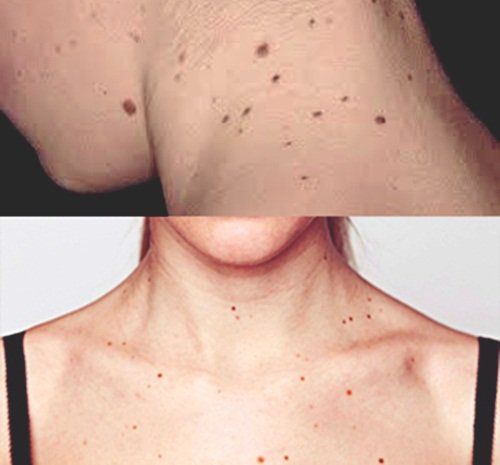
Skin: The ABCDE Guide to Melanoma
| Letter | What It Stands For | What to Look For |
|---|---|---|
| A | Asymmetry | One half doesn’t match the other when you draw an imaginary line through the center |
| B | Border | Irregular, ragged, notched, or blurred borders — not smooth and round |
| C | Color | Multiple shades of brown, tan, black, red, white, or blue within the same lesion |
| D | Diameter | Greater than 6 mm (pencil eraser); note: melanomas can be smaller — don’t rely on diameter alone |
| E | Evolving | Any change in size, shape, color, or surface; any new symptom (bleeding, itching). This is the most important criterion. |
Additional skin red flags: Non-healing sore, ulcer, or cut; pearly or waxy bump (especially on the face); new pigmented lesion in older age; any lesion a provider is “worried about” — skin biopsies are low-risk and definitive.
Lymph Nodes and Musculoskeletal
Swollen Lymph Nodes: When to Worry
Lymph nodes commonly swell in response to infections. Lymph nodes become concerning when:
- Enlarged for >3–4 weeks without a known infectious cause
- Painless, firm, or rubbery in consistency (versus soft and tender, which suggests reactive infection)
- Progressively enlarging rather than shrinking
- Multiple lymph node groups involved simultaneously
- In the supraclavicular location (above the collarbone) — supraclavicular lymphadenopathy is strongly associated with cancer (lung, gastric, lymphoma) and always requires prompt evaluation
Bone and Musculoskeletal Symptoms
Persistent bone pain at rest or at night: Bone pain that is worse at night, not relieved by rest, and not related to a specific injury is distinct from musculoskeletal pain. It is associated with bone metastases (breast, prostate, lung, kidney cancer) and multiple myeloma. Night back pain that wakes an older adult from sleep is a red flag.
Unremitting back pain: Most back pain improves with rest and time. Back pain that does not respond within 4–6 weeks, is worse at night, occurs with neurological symptoms (leg weakness, bowel or bladder change), or is new in an older adult warrants imaging. Potential: spinal metastases, multiple myeloma, pancreatic or kidney cancer.
Unexplained lump under the skin: Rapidly growing, firm, hard, >5 cm, deep, and painless — these features suggest soft tissue sarcoma and warrant imaging and biopsy.
Neurological Symptoms
New or changed headache pattern: A new headache type — daily, morning onset, waking you from sleep, worsening when bending or straining, or with nausea — is concerning for brain tumor or brain metastases.
New onset seizure in an adult: Any first-time seizure in an adult requires neurological evaluation and brain imaging to exclude brain tumor or metastases.
Progressive weakness or numbness: New limb weakness, numbness, or coordination problems progressing over days to weeks. Spinal cord compression from vertebral metastases is a neurological emergency if the cord is involved.
Cognitive or personality change: Difficulty with memory, attention, language, or personality changes in an otherwise healthy middle-aged or older adult can be presenting symptoms of brain tumor or brain metastases.
Constitutional (Whole-Body) Red Flags
Unexplained weight loss (≥5% of body weight, or ~10 lbs): Weight loss that is not intentional and not explained by diet or activity change is one of the most significant cancer warning signs. Associated with pancreatic cancer, gastric cancer, esophageal cancer, lung cancer, lymphoma. Combined with any other cancer symptom, it is high-priority.
Severe fatigue: Cancer-related fatigue is unrelieved by rest, disproportionate to activity, and may be accompanied by pallor (anemia). A common presenting symptom of leukemia, lymphoma, multiple myeloma, and advanced solid tumors.
Night sweats (drenching): Drenching night sweats requiring a change of clothing or bedding are distinct from normal sweating. A classic symptom of lymphoma.
Unexplained persistent fever: A fever persisting for weeks without an identified infectious cause, or recurring periodically, is associated with lymphoma, leukemia, and kidney cancer.
Itching without rash (pruritus): Generalized itching without visible skin rash is an underrecognized cancer symptom — associated with Hodgkin’s lymphoma, polycythemia vera, and biliary obstruction from pancreatic or bile duct cancer.
Symptoms That Are Usually Benign — But When to Worry
| Symptom | Common Benign Cause | Feature That Changes Urgency |
|---|---|---|
| Back pain | Muscle strain, disc disease | Night pain; unremitting; leg weakness; new in older adult with cancer history |
| Fatigue | Poor sleep, stress | Severe, progressive; with weight loss or night sweats |
| Headache | Tension headache, migraine | New pattern; morning onset; with neurological symptoms |
| Breast lump | Fibrocystic change, cyst | Hard, fixed, irregular, growing; in older adult |
| Rectal bleeding | Hemorrhoids, fissure | In patient ≥45; with stool change; dark blood mixed into stool |
| Indigestion | GERD, H. pylori | Progressive; in patient >45; with dysphagia or weight loss |
| Abdominal bloating | IBS, diet, gas | Persistent >2 weeks daily; with urinary symptoms, early satiety (women) |
| Swollen lymph node | Viral/bacterial infection | Painless; firm/rubbery; >3–4 weeks; supraclavicular location |
| Cough | URI, asthma, GERD | Persists >3 weeks; in smoker; with blood; with weight loss |
| Hoarseness | Laryngitis, vocal overuse | Persists >2–3 weeks without clear URI preceding it |
When to See a Doctor: Urgency Guide
See a Doctor Promptly — Within 1–2 Weeks
- Any new lump that is growing, hard, or non-tender
- Blood in urine (even once, even painless)
- Blood in stool or rectal bleeding in adults ≥45
- Coughing blood (even blood-tinged sputum)
- Postmenopausal bleeding (any amount)
- Unexplained weight loss ≥5–10 lbs
- Progressive difficulty swallowing
- Persistent hoarseness >2–3 weeks
- Jaundice (yellow skin or eyes)
See a Doctor if Symptom Persists 2–4 Weeks Without Explanation
- Cough without respiratory infection
- Significant fatigue not explained by lifestyle
- Mouth sore or ulcer
- Swollen lymph node
- Persistent abdominal pain or bloating
- Bone pain at rest or at night
Emergency — Same Day or ER
- “Worst headache of my life” (sudden onset)
- First-time seizure in an adult
- Sudden limb weakness or loss of coordination
- Coughing large amounts of blood
- Acute confusion or sudden personality change
What to Tell Your Doctor
- When did it start? As precisely as possible.
- Has it changed? Getting better, worse, or staying the same?
- Any associated symptoms? Specifically: unexplained weight loss, fever, night sweats, fatigue — these change urgency immediately.
- Relevant history: Smoking (pack-years), alcohol use, prior cancer or precancerous lesions, family history of cancer.
- What triggers or relieves it? Position, eating, rest, time of day.
- What have you tried? OTC medications, lifestyle changes, partial response.
Cancer Red Flags by Body System — Summary
| Body System | Key Red Flag Symptoms | Possible Cancers |
|---|---|---|
| Head/neck/throat | Hoarseness >2–3 wks; dysphagia; neck lump; non-healing mouth sore | Laryngeal, esophageal, thyroid, oral, lymphoma |
| Chest/lungs | Cough >3 wks; hemoptysis; progressive dyspnea | Lung, lymphoma, mesothelioma |
| Breast | New lump; skin dimpling; nipple changes | Breast cancer |
| Abdomen/GI | Stool change; rectal blood; jaundice; bloating+pelvic pain+early satiety | CRC, pancreatic, gastric, ovarian |
| Genitourinary | Hematuria; postmenopausal bleeding; pelvic pain | Bladder, kidney, endometrial, cervical, prostate |
| Skin | ABCDE mole changes; non-healing sore | Melanoma, BCC, SCC |
| Lymph nodes | Painless, firm, growing >3–4 wks; supraclavicular location | Lymphoma, metastatic disease |
| Musculoskeletal | Bone pain at rest/night; unremitting back pain | Metastases, myeloma, sarcoma |
| Neurological | New seizure; new headache pattern; progressive weakness | Brain tumor, brain metastases |
| Constitutional | Weight loss ≥5%; drenching night sweats; fever; pruritus | Lymphoma, leukemia, pancreatic, lung |
Frequently Asked Questions
What are the most common early warning signs of cancer?
The ACS “CAUTION” mnemonic covers 7 classic warning signs: Change in bowel or bladder habits; A sore that does not heal; Unusual bleeding or discharge; Thickening or lump; Indigestion or difficulty swallowing; Obvious change in a wart or mole; Nagging cough or hoarseness. To this list, add: unexplained weight loss ≥5%, drenching night sweats, persistent fatigue, and blood in the urine — which are frequently overlooked but clinically important red flags.
How long should a symptom last before I see a doctor?
For most symptoms, the threshold is 2–3 weeks of persistence without a clear benign explanation. However, some symptoms require prompt evaluation regardless of duration: blood in the urine, coughing blood, postmenopausal bleeding, progressive swallowing difficulty, jaundice, or a new unexplained lump. Don’t wait 3 weeks if a symptom is severe, rapidly worsening, or accompanied by unexplained weight loss or constitutional symptoms (fever, night sweats, fatigue).
Does having a cancer symptom mean I have cancer?
No. The vast majority of people who experience cancer warning symptoms do not have cancer. Most coughs are from infections or GERD. Most rectal bleeding is from hemorrhoids. Most lumps are benign cysts or reactive lymph nodes. The purpose of cancer red flags is to identify symptoms that should be evaluated by a medical professional rather than attributed to a benign cause without testing.
What are the “B symptoms” in cancer?
“B symptoms” is a formal staging term in lymphoma referring to: (1) unexplained fever above 38°C (100.4°F); (2) drenching night sweats requiring a change of clothing or bedding; (3) unexplained weight loss of >10% of body weight over 6 months. When all three are present together, lymphoma evaluation — physical exam for lymph nodes, CBC, and imaging — is indicated. The presence of B symptoms in diagnosed lymphoma affects staging and treatment decisions.
What is the most overlooked cancer symptom?
Several cancer symptoms are consistently underrecognized. Persistent fatigue is commonly attributed to stress or poor sleep rather than recognized as a presenting symptom of leukemia, lymphoma, or advanced solid tumors. Unexplained anemia found on blood work can reflect occult GI bleeding from CRC or gastric cancer. Generalized itching without rash is associated with lymphoma and often missed. Persistent bloating in women is frequently attributed to GI disorders before ovarian cancer is considered.
Should I go to the ER for cancer symptoms?
Only for symptoms requiring emergency evaluation: sudden severe headache (“worst of my life”), first-time seizure in an adult, sudden limb weakness or paralysis, acute confusion, or coughing large volumes of blood. For most cancer warning symptoms — a persistent cough, a lump, postmenopausal bleeding, blood in the urine — scheduling a prompt appointment with your primary care provider within 1–2 weeks is the appropriate response.
What should I tell my doctor if I’m worried about a cancer symptom?
Tell your provider: when the symptom started; whether it is getting better, worse, or staying the same; any associated symptoms (weight loss, fever, night sweats, fatigue); your smoking history, alcohol use, and family history of cancer; and what you’ve already tried. Don’t downplay the symptom or preemptively attribute it to a benign cause. If you’re concerned, say so directly: “I want to make sure we’re not missing something.”
Sources & Further Reading
- American Cancer Society — Cancer Warning Signs and CAUTION Mnemonic
- NICE Clinical Guidelines NG12 — Suspected Cancer: Recognition and Referral
- American Academy of Dermatology — ABCDE Rule for Melanoma
- ACS Cancer Facts & Figures 2024
- ACOG — Endometrial Cancer: Postmenopausal Bleeding
- Ovarian Cancer National Alliance — Ovarian Cancer Symptoms
- American Urological Association — Evaluation of Hematuria
This article is for educational purposes only and does not constitute medical advice. If you are experiencing symptoms described in this article, consult a qualified healthcare provider for evaluation. Do not use this checklist to diagnose yourself.
Pingback: Biopsy for Cancer: Types, What to Expect, and Results - Horizon Health Guide
Bookmarked this article on cancer symptoms checklist: red flags by immediately — going to reference it regularly. The section on managing this condition day-to-day was especially useful for meal planning. I wish I had found this article when I was first diagnosed — would have saved a lot of confusion.
This is one of the clearest explanations of cancer symptoms checklist: red flags by I have found. It is refreshing to see an article that acknowledges individual variation rather than giving one-size-fits-all advice. Looking forward to reading more articles from this website.
I have been reading about cancer symptoms checklist: red flags by for weeks and this is the most thorough guide I have found. The section on managing this condition day-to-day was especially useful for meal planning. Keep up this kind of thorough health journalism — it genuinely helps patients like me.
This breakdown of cancer symptoms checklist: red flags by is exactly what patients need before a specialist appointment. The section on managing this condition day-to-day was especially useful for planning. Appreciate the effort that went into researching and writing this — it shows.
As someone dealing with this personally, the cancer symptoms checklist: red flags by section was very helpful. The practical tips made this immediately actionable, not just theoretical. This gave me real confidence going into my next specialist appointment.
Bookmarked this article on cancer symptoms checklist: red flags by immediately — going to reference it regularly. I have tried following advice from several sources but this is most consistent with what my specialist told me. Looking forward to reading more articles from this website.