

Hormone therapy is a cancer treatment that blocks or reduces the hormone signals certain cancers depend on to grow. The two cancers most commonly treated with hormone therapy are hormone receptor-positive (HR+) breast cancer — approximately 75–80% of all breast cancers — and prostate cancer, which virtually always depends on androgens (testosterone and dihydrotestosterone) for growth in its early stages.
The principle is straightforward: if a cancer cell uses a hormone to grow, depriving it of that hormone — or blocking the receptor the hormone activates — starves the cancer of its growth signal. Hormone therapy is distinct from chemotherapy (which kills all rapidly dividing cells), radiation (which targets tissue locally), and targeted therapy (which blocks specific molecular alterations). It is also important not to confuse hormone therapy for cancer with hormone replacement therapy (HRT) used to treat menopause — they work in opposite directions: HRT restores estrogen; breast cancer hormone therapy reduces or blocks estrogen. For an overview of how hormone therapy fits within all cancer treatment approaches, see the cancer treatment guide.
How Hormone Therapy Works
Hormone-driven cancer cells express hormone receptors — estrogen receptors (ER), progesterone receptors (PR), or androgen receptors (AR) — that, when activated by the circulating hormone, trigger transcription of genes driving proliferation and survival. Hormone therapy interrupts this signal in three ways:
1. Reduce Hormone Availability
Aromatase inhibitors block estrogen synthesis. GnRH agonists/antagonists suppress testosterone. Oophorectomy or orchiectomy permanently eliminates the primary source.
2. Block the Receptor
Tamoxifen blocks ER in breast tissue. Enzalutamide, bicalutamide, darolutamide, apalutamide block androgen receptor in prostate. The hormone may still be present, but the receptor cannot signal.
3. Degrade the Receptor
SERDs (fulvestrant, elacestrant) bind ER and trigger its degradation via the ubiquitin-proteasome pathway — eliminating the receptor itself. Active even when ESR1 mutations make the receptor ligand-independent.
CDK4/6 inhibitors (palbociclib, ribociclib, abemaciclib) are molecular targeted drugs — not hormone therapy — but are almost always combined with hormone therapy in HR+/HER2- metastatic breast cancer to overcome endocrine resistance. See the targeted therapy cancer guide for CDK4/6 inhibitor detail.
Hormone Therapy for Breast Cancer
Tamoxifen — The SERM Standard
Tamoxifen competitively binds the estrogen receptor in breast cancer cells, acting as an antagonist that prevents estrogen from activating ER-driven transcription. In bone and uterine tissue, it acts as a partial agonist — preserving bone density but elevating endometrial cancer risk.
Tamoxifen is standard adjuvant endocrine therapy for premenopausal HR+ breast cancer and is also used in postmenopausal women when aromatase inhibitors are contraindicated. Historical standard was 5 years, but the landmark ATLAS trial (Davies C et al., Lancet 2012) changed practice: extending from 5 to 10 years of tamoxifen reduced breast cancer recurrence by 25% and breast cancer mortality by 29% in years 5–14 after diagnosis — and NCCN now recommends 10 years of total endocrine therapy for high-risk HR+ disease.
Tamoxifen side effects: Hot flashes, vaginal discharge, irregular periods, VTE (~2× increased risk), endometrial cancer risk (~2–3× baseline — requires annual gynecologic evaluation and immediate evaluation of abnormal uterine bleeding), mood changes.
Aromatase Inhibitors (AIs)
In postmenopausal women, the primary estrogen source shifts from the ovaries to peripheral tissue (adipose, muscle) where the enzyme aromatase (CYP19A1) converts androgens to estrogens. Aromatase inhibitors block this enzyme, reducing estradiol levels by >90–95%.
- Anastrozole (Arimidex): Non-steroidal; reversible. ATAC trial: DFS HR 0.87 vs. tamoxifen; fewer gynecologic side effects
- Letrozole (Femara): Non-steroidal; reversible. BIG 1-98: DFS HR 0.82 vs. tamoxifen; most potent estrogen suppression of the three
- Exemestane (Aromasin): Steroidal (androstenedione analogue); irreversible; mild androgenic activity
Extended adjuvant AIs: MA.17 trial: 5 years of letrozole after 5 years of tamoxifen further reduces recurrence. NCCN recommends up to 10 years total endocrine therapy for high-risk HR+ breast cancer (5 years tamoxifen → 5 years AI; or 5 years AI → 5 years AI).
AI side effects: Hot flashes, vaginal dryness and atrophic vaginitis, arthralgia and myalgia (“AI arthralgia” — affects 30–40% of women; a leading cause of non-adherence; managed with NSAIDs, vitamin D, exercise, acupuncture), bone density loss (baseline DEXA; bisphosphonate or denosumab 60 mg q6m for significant loss), cardiovascular risk (less endometrial/VTE risk than tamoxifen but no partial agonist bone protection).
Ovarian Function Suppression (OFS)
Aromatase inhibitors only work when estrogen levels are already low. For premenopausal women, ovarian function must be suppressed first to allow AI use. Methods:
- GnRH agonists (goserelin, leuprolide, triptorelin): monthly or 3-monthly SC injections; ovarian function recovers after stopping — important for fertility preservation
- Surgical oophorectomy: Permanent OFS; appropriate when long-term OFS is required and fertility is not desired
The SOFT/TEXT trials (8-year follow-up Pagani O, ASCO 2019): OFS + exemestane vs. tamoxifen alone for premenopausal HR+ early BC: 8-year DFS 86.8% vs. 83.2% — benefit concentrated in high-risk patients (under 35, post-chemotherapy and still premenopausal, node-positive, Ki67 high). OFS is not required for all premenopausal HR+ patients — lower-risk women may use tamoxifen alone.
Selective Estrogen Receptor Degraders (SERDs)
SERDs bind the estrogen receptor and trigger its degradation through the ubiquitin-proteasome pathway, eliminating the receptor protein. They overcome a critical resistance mechanism: ESR1 mutations — point mutations in the ER ligand-binding domain that arise in ~40% of HR+/HER2- metastatic patients after aromatase inhibitor treatment. ESR1 mutations cause ligand-independent ER activation — the receptor remains constitutively active even without estrogen, rendering AIs (which work by reducing estrogen) ineffective. SERDs bind and degrade the mutant ER directly, regardless of ligand.
- Fulvestrant (Faslodex): Pure ER antagonist + degrader; IM injection 500 mg monthly; no partial agonist activity. FALCON trial: PFS 16.6 vs. 13.8 months vs. anastrozole in endocrine-naïve metastatic HR+/HER2-; combined with CDK4/6 inhibitors (MONARCH 2: OS 46.7 vs. 37.3 months; MONALEESA-3)
- Elacestrant (Orserdu): First oral SERD (FDA January 2023). EMERALD trial: elacestrant vs. physician’s choice endocrine therapy for ESR1-mutated HR+/HER2- MBC after CDK4/6 inhibitor: PFS 2.79 vs. 1.91 months. ESR1 testing by liquid biopsy (ctDNA) is now standard after AI progression in the metastatic setting.
Hormone Therapy for Prostate Cancer
Why Androgens Drive Prostate Cancer
Prostate cancer cells express androgen receptor (AR) and require androgens — testosterone and its more potent metabolite dihydrotestosterone (DHT) — to survive and proliferate. Reducing androgens to castrate levels (testosterone <50 ng/dL; ideal <20 ng/dL) induces regression in nearly all treatment-naïve prostate cancers. ADT is the backbone of prostate cancer hormone therapy.
ADT Methods
| Method | How It Works | Key Points |
|---|---|---|
| GnRH agonists (leuprolide, goserelin) | Initial LH surge → testosterone flare → then sustained castration | Monthly/3-monthly/annual injections; need anti-androgen flare protection in high-risk patients (bicalutamide 2–4 wks) |
| GnRH antagonists (degarelix, relugolix) | Directly block GnRH receptors → no testosterone flare; faster suppression | Degarelix: monthly SC injection. Relugolix: oral daily; HERO trial: 96.7% castration rate; fewer CV events (preferred for patients with CV disease) |
| Bilateral orchiectomy | Surgical removal of both testes → immediate, permanent castration | Lowest ongoing cost; used when compliance or immediate response is critical; irreversible |
Novel Anti-Androgens (NHA) — Second-Generation AR Inhibitors
Novel anti-androgens block the androgen receptor more completely than first-generation agents — no agonist activity, they also block AR nuclear translocation and DNA binding:
- Enzalutamide (Xtandi): PREVAIL: pre-chemo mCRPC OS 35.3 vs. 31.3 months; ENZAMET/ARCHES: OS benefit added to ADT for mHSPC; PROSPER: nmCRPC MFS 36.6 vs. 14.7 months. Can cause fatigue, falls risk, rarely seizures.
- Abiraterone (Zytiga): CYP17A1 inhibitor blocking adrenal and intratumoral androgen synthesis; requires concurrent prednisone 5 mg BID to suppress mineralocorticoid excess. AA-302: mCRPC OS 34.7 vs. 30.3 months; LATITUDE/STAMPEDE: mHSPC OS benefit.
- Darolutamide (Nubeqa): Low CNS penetration → minimal fatigue, falls, cognitive effects vs. enzalutamide; ARAMIS: nmCRPC MFS 40.4 vs. 18.4 months; ARASENS: darolutamide + ADT + docetaxel vs. ADT + docetaxel for mHSPC: OS HR 0.68.
- Apalutamide (Erleada): SPARTAN: nmCRPC MFS 40.5 vs. 16.2 months; TITAN: mHSPC OS benefit with ADT.
| Prostate Cancer Setting | Standard Approach | Key Trial |
|---|---|---|
| High-risk localized | RT + 18–36 months ADT | EORTC 22961, RTOG 9413 |
| nmCRPC (PSA rising, no mets) | Enzalutamide OR apalutamide OR darolutamide + continued ADT | PROSPER, SPARTAN, ARAMIS |
| mHSPC (metastatic, castration-sensitive) | ADT + enzalutamide OR apalutamide OR abiraterone (± docetaxel for high-volume) | ENZAMET, TITAN, LATITUDE, ARASENS |
| mCRPC | Continue ADT + NHA (if not prior); PARP inhibitor for BRCA1/2-mutated; Lu-177 PSMA post-NHA and post-taxane | PROfound (olaparib), VISION (Lu-PSMA) |
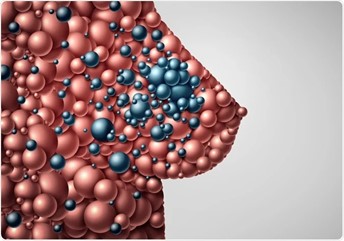
Side Effects and Management
Breast Cancer Hormone Therapy Side Effects
- Hot flashes: All endocrine therapies; use venlafaxine or oxybutynin — NOT paroxetine or fluoxetine with tamoxifen (CYP2D6 inhibition). Gabapentin as alternative.
- Vaginal dryness / atrophic vaginitis: AI-induced; low-dose topical vaginal estradiol (minimal systemic absorption; discuss with oncologist for adjuvant BC), ospemifene, non-hormonal lubricants
- AI arthralgia/myalgia: 30–40% of women; NSAIDs, vitamin D, graded exercise, acupuncture; switching to a different AI may help; consider switching to tamoxifen if fully intolerable and appropriate
- Bone density loss: All endocrine therapies; baseline DEXA; vitamin D + calcium; bisphosphonate (zoledronic acid q6m or annual, alendronate weekly oral) or denosumab 60 mg q6m for T-score ≤-2.0
- Endometrial cancer (tamoxifen only): Annual gynecologic exam; report abnormal bleeding immediately; no tamoxifen-related GYN risk with AIs
- VTE (tamoxifen): ~2× increased risk; minimize concurrent VTE risk factors; if VTE occurs, switch to AI
Prostate Cancer ADT Side Effects
- Hot flashes: ~70% of men on ADT; venlafaxine, oxybutynin, gabapentin; megestrol acetate short-term
- Sexual dysfunction: Loss of libido (~90%), erectile dysfunction; PDE5 inhibitors (sildenafil, tadalafil) have limited but real benefit; vacuum erectile device; penile rehabilitation program
- Bone density loss: Testosterone-dependent bone maintenance lost; denosumab 60 mg q6m reduces vertebral fractures (HALT trial); baseline DEXA and monitoring every 1–2 years; weight-bearing exercise
- Metabolic syndrome: Weight gain (visceral fat), insulin resistance, diabetes, dyslipidemia; monitor glucose/HbA1c and lipids; diet and resistance + aerobic exercise most effective intervention
- Cardiovascular: GnRH agonists associated with increased MI, stroke, sudden cardiac death; relugolix may have cardiovascular advantage (HERO: 3.8% lower major CV event rate); aggressive CV risk factor management
- Fatigue: Most common debilitating side effect; resistance + aerobic exercise programs: strongest evidence-supported intervention (ACSM guidelines)
- Gynecomastia: ~50% on long-term ADT; prevent with single-dose prophylactic breast irradiation or tamoxifen 20 mg daily
- Anemia: Normocytic; from testosterone-dependent erythropoiesis suppression; check CBC; usually mild
Frequently Asked Questions
- Davies C et al. — ATLAS trial (10 vs. 5 yr tamoxifen); Lancet 2012
- Pagani O et al. — SOFT/TEXT trials (OFS + exemestane premenopausal HR+ BC); 8-yr follow-up ASCO 2019
- Baum M et al. / Forbes JF et al. — ATAC trial (anastrozole vs. tamoxifen adjuvant); Lancet 2002; 10-yr update 2008
- Robertson JF et al. — FALCON trial (fulvestrant vs. anastrozole MBC); Lancet 2016
- Bidard FC et al. — EMERALD trial (elacestrant ESR1-mutated MBC); JCO 2022
- Shore ND et al. — HERO trial (relugolix vs. leuprolide prostate cancer); NEJM 2020
- Fizazi K et al. / Smith MR et al. — ARAMIS (darolutamide nmCRPC); NEJM 2019; OS 2022
- Smith MR et al. — ARASENS (darolutamide + ADT + docetaxel mHSPC); NEJM 2022
- Beer TM et al. — PREVAIL (enzalutamide mCRPC); NEJM 2014
- Ryan CJ et al. — AA-302 (abiraterone + prednisone mCRPC); NEJM 2013
- Smith MR et al. — HALT trial (denosumab for bone density in ADT-treated men); NEJM 2009
- National Cancer Institute — Hormone Therapy to Treat Cancer
- American Cancer Society — Hormone Therapy for Breast Cancer
- Prostate Cancer Foundation — Hormonal Therapy for Prostate Cancer
This article is for educational purposes only and does not constitute medical advice. Discuss all hormone therapy decisions with your oncology care team.
Thank you for covering hormone therapy for cancer: how it so thoroughly without being overly technical. The specific numbers and thresholds mentioned are exactly what I needed to understand my lab results. This gave me real confidence going into my next specialist appointment.
My cardiologist recommended I look into hormone therapy for cancer: how it and this article covered it perfectly. I especially valued the explanation of why these recommendations exist, not just what they are. Keep up this kind of thorough health journalism — it genuinely helps patients like me.
Really well-written article on hormone therapy for cancer: how it. I especially valued the explanation of why these recommendations exist, not just what they are. Appreciate the effort that went into researching and writing this — it shows.
I never fully understood hormone therapy for cancer: how it until I read this. The specific numbers and thresholds mentioned are exactly what I needed to understand my results. I wish I had found this article earlier — would have saved a lot of confusion.
Finally a resource that explains hormone therapy for cancer: how it in plain language. The article answered questions I didn’t even know I had until I started reading. Forwarding this to others in my support group who are dealing with similar issues.
I have been reading about hormone therapy for cancer: how it for weeks and this is the most thorough guide I found. I appreciated how the article addressed both the clinical side and the practical adjustments. This gave me real confidence going into my next specialist appointment.