

Cancer complications are a broad category that encompasses the medical consequences of the disease itself — tumors compressing, invading, or secreting substances that harm the body — and the consequences of the treatments used to control it. Both types of complications can range from mild and manageable to immediately life-threatening, and some of the most serious complications of cancer treatment are those that closely mimic the very conditions that cancer itself causes: fluid in the lungs, dangerous metabolic abnormalities, or progressive neurological deficits.
Understanding which cancer complications require immediate emergency care, which require urgent attention, and which can be managed over time is one of the most important and least discussed aspects of the cancer experience. This article covers the full spectrum — from oncologic emergencies that require same-day hospitalization to the subtler but devastating long-term complications of treatment and disease.
What Are Cancer Complications?
Cancer complications fall into three broad categories. Disease-related complications are caused directly by the tumor: a growing mediastinal mass that obstructs the superior vena cava, bone metastases that fracture with minimal force, or tumor cells in the peritoneum that cause fluid accumulation. Treatment-related complications include the cardiotoxicity of anthracyclines, the neuropathy of platinum compounds, and the immune-mediated inflammation triggered by immunotherapy. The third category involves the interaction of cancer and cancer treatment with pre-existing conditions: chemotherapy in a patient with renal insufficiency, immunotherapy in a patient with underlying autoimmune disease, or surgery in a patient with diabetes.
The urgency of a complication depends not on its category but on its trajectory: how rapidly it is progressing, what organ systems are affected, and whether delay would cause irreversible damage. The most important skill for any patient or caregiver navigating cancer is recognizing which symptoms signal an emergency — because for some complications, a delay of hours rather than days can determine the difference between recovery and permanent disability.
Oncologic Emergencies — Cancer Complications That Can’t Wait
Certain cancer complications constitute oncologic emergencies: medical situations where the trajectory from initial symptoms to permanent harm or death can be measured in hours to days without treatment. Every cancer patient and caregiver should know these by name.
Back pain in a cancer patient — especially with weakness or bladder/bowel changes
Same day — MRI immediately; start dexamethasoneFacial/arm swelling, distended neck veins, dyspnea worsening when lying down
Same day — urgent imaging and oncology consultFever ≥38.3°C or sustained ≥38.0°C during or after chemotherapy
Within 1 hour — IV antibiotics, emergency evaluationConfusion, nausea, constipation, excessive thirst, fatigue in cancer patient
Same day — IV fluids + bisphosphonatesMetabolic emergency after first chemo in high-risk lymphoma/leukemia
Anticipate and prevent — hyperhydration + rasburicaseMalignant spinal cord compression (MSCC) is one of the most feared cancer complications because of its potential to cause permanent paralysis within hours to days. It occurs in 5–10% of all cancer patients, most commonly those with prostate, breast, lung, multiple myeloma, lymphoma, or renal cell carcinoma. Back pain is the presenting symptom in 83–95% of cases and often precedes neurological deficits by weeks. The clinical rule is absolute: back pain in a known cancer patient is malignant spinal cord compression until proven otherwise. MRI of the entire spine is required because 30% of patients have multiple compression sites. Treatment begins immediately with high-dose dexamethasone (10 mg IV bolus). The landmark Patchell trial (Lancet 2005) demonstrated that direct surgical decompression followed by radiotherapy was superior to radiotherapy alone, with 84% of surgical patients remaining ambulatory at 3 months versus 57% in the radiation-alone arm.
Superior vena cava (SVC) syndrome occurs when a tumor or tumor-associated clot obstructs the superior vena cava, the large vein returning blood from the head, neck, and arms to the heart. Approximately 15,000 new cases are diagnosed in the United States each year, most caused by lung cancer (particularly small cell lung cancer), lymphoma, or mediastinal breast cancer metastases. Symptoms include progressive facial and arm swelling, distended neck veins, shortness of breath, and headache that worsens when bending forward or lying down. SVC stenting offers 95% technical success with rapid symptom relief. Corticosteroids reduce edema; radiation can shrink radiosensitive tumors.
Hypercalcemia of malignancy affects 10–20% of cancer patients at some point. It is most common in squamous cell cancers, multiple myeloma, breast cancer, and renal cell carcinoma. In 80% of cases, tumor-secreted PTHrP drives bone calcium release and renal reabsorption. Symptoms follow the classic mnemonic: “bones, stones, groans, and moans” — bone pain, kidney effects (polyuria, thirst), gastrointestinal symptoms (nausea, constipation), and neuropsychiatric effects (fatigue, confusion). Severe hypercalcemia causes cardiac arrhythmias and coma. Treatment is IV saline hydration (2–3 L/day) as the foundation, plus zoledronic acid 4 mg IV (onset 2–4 days, effect lasting 3–4 weeks). For bisphosphonate-refractory cases or patients with renal failure, denosumab 120 mg SC is effective regardless of renal function. Calcitonin provides rapid but short-lived bridging effect.
Febrile neutropenia is the most common serious complication of chemotherapy. The definition: absolute neutrophil count below 500 cells/μL plus a single temperature above 38.3°C or a sustained temperature above 38.0°C for over one hour. The fundamental principle: fever plus neutropenia is a medical emergency. Antibiotics must be initiated within one hour of presentation. The MASCC Risk Index classifies patients as low-risk (score ≥21, outpatient treatment may be appropriate) versus high-risk (inpatient IV antipseudomonal antibiotics required). G-CSF prophylaxis (filgrastim, pegfilgrastim) is recommended for chemotherapy regimens with a febrile neutropenia risk greater than 20%.
Tumor lysis syndrome (TLS) is a metabolic emergency caused by the rapid death of large numbers of cancer cells, typically after chemotherapy initiation in highly chemo-sensitive, high-burden malignancies: Burkitt lymphoma, ALL with high white cell counts, aggressive DLBCL, and AML. As cells lyse, they release potassium, phosphate, and uric acid, potentially causing cardiac arrhythmias, renal failure, and seizures. Prevention is essential: hyperhydration with 2–3 L/m²/day; allopurinol for intermediate-risk patients; rasburicase (recombinant urate oxidase) for high-risk patients to rapidly degrade existing uric acid. Rasburicase is contraindicated in G6PD deficiency due to risk of hemolysis.
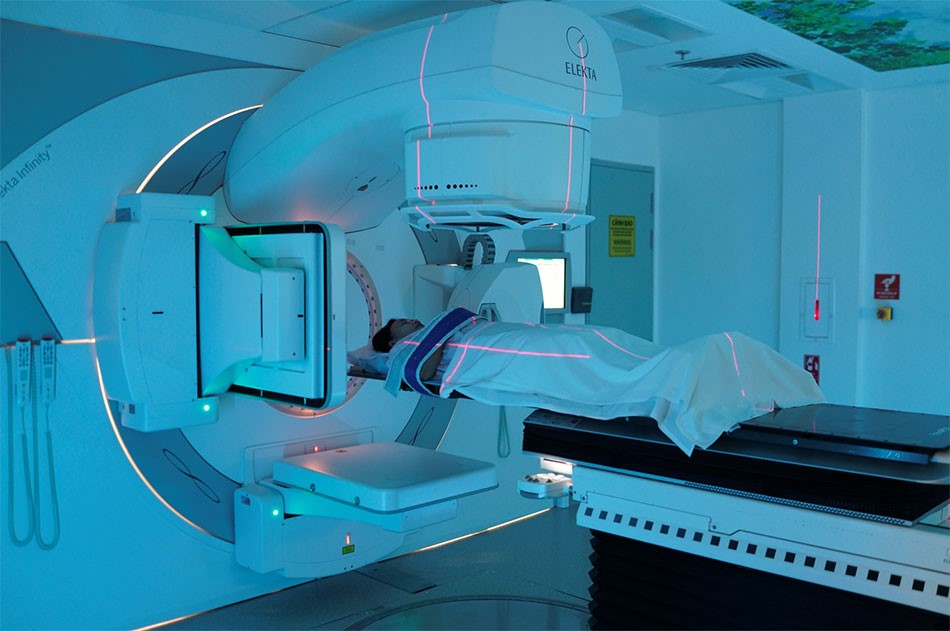
Chemotherapy Complications
Chemotherapy-induced nausea and vomiting (CINV) was once considered an inevitable price of cancer treatment. Modern antiemetic regimens have fundamentally changed this, but they require the right agents matched to the chemotherapy’s emetogenic potential. High-emetic-risk regimens — cisplatin, high-dose cyclophosphamide, carmustine — cause nausea in more than 90% of patients without prophylaxis and require triple or quadruple antiemetic therapy: a 5-HT3 antagonist (palonosetron preferred), an NK1 receptor antagonist (aprepitant or netupitant), dexamethasone, and — increasingly — olanzapine 10 mg nightly, which was shown in a Phase III NEJM trial (Navari RM et al., 2016) to significantly improve complete response rates for both acute and delayed nausea versus standard triple therapy.
Peripheral neuropathy from chemotherapy (CIPN) affects 30–70% of patients during treatment with platinum compounds, taxanes, vincristine, or bortezomib, and persists long-term in 30–40%. The only treatment with Level A evidence for established painful CIPN is duloxetine (Smith EM et al., JAMA 2013). No agent has proven to prevent CIPN. For a detailed discussion of CIPN management, see the cancer recovery article.
Cardiotoxicity encompasses multiple distinct mechanisms. Anthracycline cardiomyopathy (doxorubicin, epirubicin) is cumulative and largely irreversible — risk increases meaningfully above 300 mg/m² of doxorubicin equivalent and substantially above 450 mg/m². Dexrazoxane is the only FDA-approved cardioprotectant for anthracycline exposure above 300 mg/m². Echocardiographic surveillance is standard at baseline, at intermediate cumulative doses, and long-term post-treatment. Fluorouracil (5-FU) and capecitabine cause coronary vasospasm in 1–8% of patients — a mechanism involving endothelial damage rather than thrombosis — which can manifest as chest pain, EKG changes, and fatal myocardial infarction in patients with underlying coronary artery disease. Anti-HER2 agents such as trastuzumab cause LVEF decline in ~10% and symptomatic heart failure in 2–7%, but unlike anthracyclines, trastuzumab cardiotoxicity is largely reversible with drug discontinuation.
Immunotherapy Complications — Immune-Related Adverse Events (irAEs)
Immune checkpoint inhibitors — drugs targeting PD-1 (nivolumab, pembrolizumab), PD-L1 (atezolizumab, durvalumab), and CTLA-4 (ipilimumab) — work by removing the “brakes” on the immune system that tumors exploit to evade detection. The same mechanism that enables immune cells to attack tumors can also direct them against normal tissues, producing immune-related adverse events (irAEs) in virtually any organ system.
Rash, pruritus, vitiligo; most respond to topical steroids; oral prednisone for Grade 2+
Diarrhea, blood, abdominal pain; prednisone 1–2 mg/kg; infliximab for steroid-refractory (80% response)
LFT elevation; prednisone 1–2 mg/kg; NO infliximab (hepatotoxic); mycophenolate for refractory
Dyspnea, cough, new infiltrates; prednisone 1–2 mg/kg; permanently discontinue ICI for Grade 3–4
Hypothyroidism, hypophysitis, type 1 DM (DKA risk); often permanent — lifelong hormone replacement may be needed
Mortality 27–50%; chest pain, arrhythmia, heart block; methylprednisolone 1 g/day ×3; NO infliximab; use ATG or abatacept for refractory
The management principle across all Grade 3–4 irAEs is consistent: hold the checkpoint inhibitor and initiate high-dose corticosteroids promptly. Permanently discontinue for Grade 4 or life-threatening events, particularly pneumonitis and myocarditis. Never delay treating a severe irAE on the assumption that doing so will preserve tumor response.
Disease-Related Cancer Complications
Malignant pleural effusion — fluid accumulation in the space between the lung and chest wall caused by tumor involvement of the pleura — affects more than 125,000 Americans annually, most commonly from lung cancer, breast cancer, lymphoma, and ovarian cancer. Repeated thoracentesis provides symptom relief but typically recurs within 1–3 months. For patients with expected survival beyond a few weeks, tunneled pleural catheter (PleurX) placement allows ambulatory outpatient management and achieves spontaneous pleurodesis in 40–60% of patients. Talc pleurodesis achieves over 90% success when the lung fully re-expands.
Malignant ascites — peritoneal fluid from carcinomatosis or liver metastases — causes progressive abdominal distension, early satiety, and dyspnea. Unlike cirrhosis-related ascites, malignant ascites from peritoneal carcinomatosis does not respond to diuretics. Large-volume paracentesis provides direct relief; indwelling peritoneal catheter supports outpatient management in patients with frequent reaccumulation.
Pathological fracture occurs when bone metastases weaken bone to the point of fracture with minimal trauma. The femur (subtrochanteric), humerus, and vertebrae are the most common sites. The Mirels scoring system guides the decision between prophylactic fixation and radiation alone. Bone-protective agents — zoledronic acid 4 mg IV every 3–4 weeks and denosumab 120 mg SC monthly — reduce skeletal-related events in patients with bone metastases and are standard of care across breast cancer, prostate cancer, multiple myeloma, and other bone-involved cancers.
Malignant bowel obstruction — most common in ovarian, colorectal, and gastric cancer with peritoneal carcinomatosis — presents with colicky pain, nausea, vomiting, and inability to pass gas or stool. When surgical resection or bypass is feasible, surgery offers the most effective and durable relief. In patients who cannot tolerate surgery, octreotide (reduces gastrointestinal secretions), corticosteroids, and antiemetics can provide meaningful palliation. Endoscopic colonic stenting is highly effective for left-sided colonic obstruction as a bridge to surgery or definitive palliation.
Paraneoplastic Syndromes
Paraneoplastic syndromes are cancer complications caused not by tumor mass but by hormones, antibodies, or cytokines secreted by tumor cells — or by immune responses to the tumor — that act on distant tissues. They can affect virtually any organ system and may precede cancer diagnosis by months.
SIADH (syndrome of inappropriate antidiuretic hormone) is the most common paraneoplastic endocrine syndrome. Small cell lung cancer (SCLC) is its most common malignant cause. SIADH causes hyponatremia, producing fatigue, nausea, headache, confusion, and in severe cases, seizures and coma. Sodium correction for symptomatic severe hyponatremia uses 3% hypertonic saline, with careful rate control: correction must not exceed 8–10 mEq/L in 24 hours to avoid osmotic demyelination syndrome (ODS), a devastating and irreversible brainstem injury.
Lambert-Eaton Myasthenic Syndrome (LEMS) is a paraneoplastic neuromuscular disorder occurring in approximately 3% of SCLC patients, caused by autoantibodies against voltage-gated calcium channels (VGCC). Clinical features: proximal muscle weakness, autonomic dysfunction, and depressed reflexes that paradoxically return with repeated muscle contraction — the opposite of myasthenia gravis. Diagnosis is confirmed by a striking incremental response on high-frequency repetitive nerve stimulation. Amifampridine (3,4-diaminopyridine), FDA-approved in 2018 for LEMS, is the primary pharmacological treatment.
Other Important Cancer Complications
| Complication | Key Facts | Management |
|---|---|---|
| Cancer-Associated VTE | 4–7× higher risk; 20% of all VTE events; highest in pancreatic, brain, gastric cancers | Apixaban preferred (ASCO 2023); LMWH for luminal GI cancers; primary prophylaxis (apixaban 2.5 mg bid) for Khorana Score ≥2 (AVERT trial) |
| Cancer-Associated Cachexia | 80% advanced cancer; ~22% of cancer deaths; skeletal muscle loss not reversible by nutrition alone | Multimodal: nutritional counseling + exercise + anamorelin (FDA-approved 2024 — first approved agent for cancer anorexia-cachexia in NSCLC/GI cancers) |
| Financial Toxicity | 2.65× higher bankruptcy risk; bankruptcy after cancer = 79% higher mortality (Ramsey SD, JCO 2016) | Financial counselor referral; patient assistance programs; ASCO’s financial toxicity screening tools |
Frequently Asked Questions
- Patchell RA et al. — Direct decompressive surgery vs. radiotherapy for MSCC; Lancet 2005
- Smith EM et al. — Duloxetine for CIPN; JAMA 2013
- Navari RM et al. — Olanzapine for CINV; NEJM 2016
- Salem JE et al. — ICI myocarditis incidence and outcomes; Lancet Oncol 2018
- Carrier M et al. (AVERT) — Apixaban prophylaxis in high-risk ambulatory cancer; NEJM 2019
- Ramsey SD et al. — Financial insolvency and cancer mortality; J Clin Oncol 2016
- Fearon K et al. — Definition and classification of cancer cachexia; Lancet Oncol 2011
- Cairo MS, Bishop M — Tumour lysis syndrome classification; Br J Haematol 2004
- Freifeld AG et al. — IDSA Febrile Neutropenia Clinical Practice Guidelines; Clin Infect Dis 2011
- ASCO Clinical Practice Guideline Updates — VTE 2023, Antiemesis, Cardio-Oncology
- NCI side effects reference: cancer.gov/about-cancer/treatment/side-effects
This article is for educational purposes only and does not constitute medical advice. Discuss all treatment decisions, symptoms, and complications with your oncology care team promptly — do not use this information to delay emergency evaluation.
Pingback: Cancer Caregiver Guide: How to Help and Take Care of Yourself - Horizon Health Guide
As someone dealing with this personally, the cancer complications and when to act section was very helpful. It is refreshing to see an article that acknowledges individual variation rather than giving one-size-fits-all advice. Will definitely be coming back to this site for more health information.
Bookmarked this article on cancer complications and when to act immediately — going to reference it regularly. I especially valued the explanation of why these recommendations exist, not just what they are. Looking forward to reading more articles from this website.
Really well-written article on cancer complications and when to act. I appreciated how the article addressed both the clinical side and the practical lifestyle adjustments. Keep up this kind of thorough health journalism — it genuinely helps patients like me.
As someone dealing with this personally, the cancer complications and when to act section was very helpful. The section on managing this condition day-to-day was especially useful for planning. This gave me real confidence going into my next specialist appointment.
My doctor recommended I look into cancer complications and when to act and this article covered it perfectly. I especially valued the explanation of why these recommendations exist, not just what they are. This is exactly why I prefer this website over generic health platforms.
I shared this article on cancer complications and when to act with my doctor and they appreciated the level of detail. It is refreshing to see an article that acknowledges individual variation rather than one-size-fits-all advice. Looking forward to reading more articles from this website.