
What Is Ovarian Cancer?
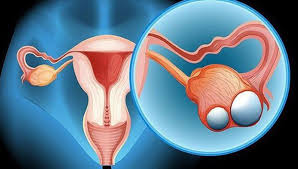
Ovarian cancer is a malignancy that originates in the ovaries, fallopian tubes, or the peritoneal surface of the pelvis. These three anatomical sites are grouped together in modern clinical practice because they share a common cell type (serous epithelium), common molecular biology, common risk factors, and are treated identically. Ovarian cancer is the fifth leading cause of cancer death among women in the United States, responsible for approximately 13,000 deaths per year — more than any other gynecological cancer. Despite its serious prognosis when diagnosed at advanced stages, ovarian cancer is highly responsive to treatment when detected at Stage I, where five-year survival exceeds 90%.
The central challenge of ovarian cancer is that it typically does not cause recognizable symptoms in its early stages, and no effective screening test has been validated for the general population. By the time symptoms prompt medical attention, approximately 75–80% of ovarian cancers have already spread beyond the ovary to involve the pelvis, abdomen, or distant organs. This late-stage predominance is the primary reason ovarian cancer accounts for such a disproportionate share of gynecological cancer deaths: Stage III and Stage IV cancers, which represent the majority of diagnoses, have five-year survival rates of 41% and 29% respectively, compared to 93% for Stage I disease.
Understanding the symptoms, risk factors, diagnostic approach, and treatment options for ovarian cancer is important for women who may be at elevated risk — particularly those with BRCA1 or BRCA2 gene mutations or a strong family history of ovarian, breast, or colorectal cancer — and for any woman who experiences the non-specific but potentially significant symptoms that ovarian cancer can cause.
Types of Ovarian Cancer
Ovarian cancer is not a single disease but a collection of distinct malignancies with different cellular origins, molecular biology, prognoses, and treatment approaches:
Epithelial ovarian cancer (EOC): The most common category, comprising approximately 90% of all ovarian cancers. EOC originates from the epithelial cells lining the surface of the ovary or the fallopian tube. The most common and most lethal subtype is high-grade serous carcinoma (HGSC), which accounts for approximately 70% of EOC. HGSC is frequently associated with BRCA1 or BRCA2 mutations and is characterized by widespread peritoneal spread at diagnosis, TP53 mutations in virtually all cases, and initial sensitivity to platinum-based chemotherapy followed by frequent platinum-resistant relapse. Other epithelial subtypes include: low-grade serous carcinoma (more indolent, less chemosensitive, associated with KRAS/BRAF mutations rather than BRCA mutations), endometrioid carcinoma (associated with endometriosis and Lynch syndrome), clear cell carcinoma (also endometriosis-associated, less chemosensitive), and mucinous carcinoma (least common, often diagnosed at early stage).
Germ cell tumors: Account for approximately 5% of ovarian cancers and occur predominantly in girls and young women (ages 10–30). The most common malignant germ cell tumor is the dysgerminoma, followed by immature teratoma, endodermal sinus tumor (yolk sac tumor), and embryonal carcinoma. Germ cell tumors are highly chemosensitive (treated with bleomycin, etoposide, and cisplatin — BEP chemotherapy) and associated with excellent survival rates even in advanced disease. Many can be treated with fertility-sparing surgery.
Sex cord-stromal tumors: Account for approximately 5% of ovarian cancers. These tumors arise from the stromal cells of the ovary and often produce hormones — estrogen (granulosa cell tumors, which may present with abnormal uterine bleeding or precocious puberty), androgens (Sertoli-Leydig cell tumors, which may cause virilization), or inhibin. Granulosa cell tumors are the most common sex cord-stromal malignancy; they are often diagnosed at Stage I and have a favorable prognosis, though late recurrences are known. FOXL2 mutations are characteristic of adult granulosa cell tumors.
Symptoms of Ovarian Cancer
Ovarian cancer is historically characterized as a “silent” disease, but research — including a landmark study published in the journal Cancer in 2007 — has established that most women with ovarian cancer do experience symptoms before diagnosis. The symptoms are not silent; they are non-specific — vague, common, and easily attributable to more common and benign conditions such as irritable bowel syndrome, constipation, urinary tract infection, or dietary intolerance.
The four key symptoms most commonly associated with ovarian cancer are:
- Bloating: Persistent abdominal bloating or distension that does not resolve with dietary changes, bowel movements, or over-the-counter remedies. The bloating of ovarian cancer may be caused by a mass within the abdomen, accumulation of ascitic fluid (fluid in the peritoneal cavity), or a combination of both.
- Pelvic or abdominal pain: Persistent pelvic pain, abdominal discomfort, or pressure that is present most days and is new or changing from prior patterns. This differs from the familiar premenstrual or menstrual pelvic discomfort that many women experience periodically.
- Difficulty eating or feeling full quickly: Reduced appetite, early satiety, or difficulty eating a normal portion that is new and persistent. This symptom may reflect a mass compressing the stomach, ascites, or decreased bowel motility associated with peritoneal disease.
- Urinary symptoms: Urinary urgency or frequency — feeling the need to urinate more often or more urgently than usual — that is new and persistent. These symptoms may result from a pelvic mass compressing the bladder.
When to see a doctor: Any of the four key ovarian cancer symptoms — bloating, pelvic/abdominal pain, difficulty eating, urinary urgency/frequency — that occurs more than 12 times per month and represents a change from your normal pattern warrants evaluation by a healthcare provider. The Ovarian Cancer Research Alliance recommends that women note the frequency, severity, and duration of these symptoms and report them to their provider specifically in the context of ovarian cancer concern, so that appropriate evaluation (which may include pelvic examination, transvaginal ultrasound, and CA-125) is ordered rather than empirical treatment for presumed benign conditions.
Risk Factors for Ovarian Cancer
Several factors are associated with substantially increased ovarian cancer risk:
BRCA1 and BRCA2 gene mutations: The most significant ovarian cancer risk factor is a germline mutation in BRCA1 or BRCA2. Women with a BRCA1 mutation have a lifetime ovarian cancer risk of approximately 40–46% (compared to ~1–2% in the general population). Women with a BRCA2 mutation have a lifetime risk of approximately 10–27%. Importantly, BRCA1/2 mutations account for approximately 15–20% of all epithelial ovarian cancers. All women diagnosed with epithelial ovarian cancer should undergo BRCA germline testing, both to inform treatment decisions (PARP inhibitors are most beneficial in BRCA-mutant ovarian cancer) and to identify family members who may benefit from genetic counseling and preventive measures.
Lynch syndrome: Lynch syndrome (caused by germline mutations in DNA mismatch repair genes MLH1, MSH2, MSH6, PMS2, or EPCAM) confers an elevated lifetime ovarian cancer risk of approximately 10–20%, depending on the specific gene mutation. Women with Lynch syndrome also face elevated risks of colorectal cancer, endometrial cancer, and other cancers. Universal MMR testing of ovarian cancer tumor tissue (as is recommended for colorectal cancer) helps identify Lynch syndrome cases.
Age: Ovarian cancer risk increases with age, with the median age at diagnosis approximately 63 years. Less than 15% of cases are diagnosed in women under age 45.
Reproductive history: Nulliparity (never having been pregnant) is associated with increased ovarian cancer risk. Women who have had multiple pregnancies have lower risk. This association is thought to relate to the number of lifetime ovulatory cycles — each ovulation involves disruption and repair of the ovarian surface epithelium, a process that creates opportunities for the mutations that drive malignancy.
Endometriosis: Women with endometriosis have an approximately 1.5–2-fold increased risk of ovarian cancer, particularly endometrioid and clear cell carcinoma — the two EOC subtypes most associated with endometriosis origin.
Hormone replacement therapy (HRT): Long-term use of estrogen-only HRT (particularly in women who have had a hysterectomy) is associated with a modestly increased ovarian cancer risk. Combined estrogen-progestogen HRT carries a lower risk than estrogen-only therapy. The risk elevation appears to dissipate after stopping HRT.
Protective Factors
Several factors are associated with reduced ovarian cancer risk:
- Oral contraceptive pill (OCP) use: OCP use is one of the most powerful protective factors against ovarian cancer. Using OCPs for 5 or more years is associated with approximately 50% reduction in ovarian cancer risk. Importantly, the protective effect persists for decades after stopping OCP use. OCPs suppress ovulation, reducing the repetitive ovulation-related trauma to the ovarian surface epithelium.
- Pregnancy: Each full-term pregnancy is associated with a modest reduction in ovarian cancer risk, with the first pregnancy conferring the most protection.
- Breastfeeding: Breastfeeding, which suppresses ovulation, is associated with a modest reduction in ovarian cancer risk.
- Tubal ligation: Surgical sterilization via fallopian tube occlusion or removal is associated with approximately 35–40% reduction in ovarian cancer risk. Bilateral salpingectomy (removal of both fallopian tubes) at the time of hysterectomy or elective pelvic surgery is increasingly recommended for women who no longer desire future fertility, as it is now believed that many high-grade serous ovarian cancers actually originate in the fallopian tube rather than the ovary.
Ovarian Cancer Screening: Why There Is No Standard Test
Unlike cervical cancer, which has highly effective screening tests (Pap smear, HPV test), or breast cancer (mammography), or colorectal cancer (colonoscopy, FIT), ovarian cancer has no validated screening test recommended for the general population. Understanding why this is the case helps women understand the current state of ovarian cancer early detection:
The two most commonly proposed screening approaches — CA-125 blood testing and transvaginal ultrasound (TVUS) — were evaluated in the largest prospective ovarian cancer screening trial, the PLCO (Prostate, Lung, Colorectal, and Ovarian) Cancer Screening Trial, which enrolled over 78,000 women. The PLCO trial found that annual screening with CA-125 and TVUS did not reduce ovarian cancer mortality compared to usual care. More concerning, screening was associated with significant harm: over 3,000 women underwent surgical follow-up for false-positive results, and approximately 15% of these surgeries resulted in serious complications — all without any mortality benefit. Similar results were observed in the UK UKCTOCS trial with a more sophisticated longitudinal CA-125 algorithm.
The reasons screening is challenging for ovarian cancer include: (1) CA-125 is elevated in only ~50% of Stage I ovarian cancers (where it would be most beneficial to detect), making it insufficiently sensitive for early detection; (2) CA-125 is elevated in many benign conditions including endometriosis, uterine fibroids, pelvic inflammatory disease, and other cancers, making it insufficiently specific; (3) even with a positive screening result, surgery is required to confirm or exclude ovarian cancer, and surgery carries significant risks.
Research is ongoing to develop better early detection approaches — including multimarker blood tests, liquid biopsy approaches (ctDNA), and risk-stratification models — but as of the current date, no approach has demonstrated sufficient sensitivity, specificity, and mortality benefit to warrant recommendation for general population screening.
Diagnosis
Ovarian cancer is diagnosed through a combination of imaging, blood tests, and ultimately surgical evaluation with pathological examination of tissue:
- Pelvic examination: A bimanual pelvic exam may detect a pelvic mass, but most ovarian cancers are not palpable until they are large. Pelvic examination has low sensitivity for early ovarian cancer.
- Transvaginal ultrasound (TVUS): TVUS is the primary imaging modality for evaluating an adnexal (ovarian) mass. Features that increase concern for malignancy include: complex mass with solid and cystic components, internal septations, papillary projections within a cystic mass, increased vascularity on Doppler imaging, and large size.
- CA-125: A blood test measuring CA-125 (cancer antigen 125), a glycoprotein elevated in many epithelial ovarian cancers. CA-125 is most useful when combined with TVUS and clinical assessment, and is used for monitoring treatment response and recurrence rather than primary diagnosis.
- CT scan of the abdomen and pelvis: Used to assess the extent of disease, including peritoneal spread, lymph node involvement, and distant metastases. CT does not diagnose ovarian cancer histologically but is essential for surgical planning.
- Surgery and pathology: The definitive diagnosis of ovarian cancer requires surgical removal of the tumor (or biopsy in cases where surgery would be delayed) and pathological examination of the tissue. In most cases, diagnostic surgery and therapeutic surgery (debulking) are performed simultaneously.
Treatment of Ovarian Cancer
The primary treatment for ovarian cancer combines surgery and chemotherapy, with the sequence and intensity depending on stage and tumor biology:
Surgery (cytoreductive surgery / debulking): The goal of surgery is to remove as much tumor as possible — ideally achieving complete gross resection (no visible residual disease), which is the strongest predictor of survival in advanced ovarian cancer. The standard surgical procedure for advanced EOC includes: total abdominal hysterectomy, bilateral salpingo-oophorectomy, omentectomy, pelvic and para-aortic lymph node dissection, and resection of any peritoneal implants. Achieving optimal debulking (residual disease <1cm) or complete debulking (no visible disease) requires a skilled gynecologic oncologist operating at a high-volume center. Surgery may be performed before chemotherapy (primary debulking surgery, PDS) or after three cycles of neoadjuvant chemotherapy (interval debulking surgery, IDS) for patients in whom complete PDS is not feasible.
Chemotherapy: The standard first-line chemotherapy for advanced EOC is carboplatin plus paclitaxel (6 cycles). Intraperitoneal (IP) chemotherapy — delivered directly into the peritoneal cavity through a port — was shown in the GOG 172 trial to improve survival in optimally debulked Stage III ovarian cancer but is associated with substantially higher toxicity and is now largely supplanted by hyperthermic intraperitoneal chemotherapy (HIPEC) in selected centers. Bevacizumab, an anti-angiogenic antibody, is approved in combination with chemotherapy and as maintenance therapy in advanced ovarian cancer.
PARP inhibitors: The most significant recent advance in ovarian cancer treatment is the development of PARP (poly ADP-ribose polymerase) inhibitors for maintenance therapy after response to platinum-based chemotherapy. PARP inhibitors — olaparib (Lynparza), rucaparib (Rubraca), niraparib (Zejula) — exploit homologous recombination deficiency (HRD), a DNA repair defect present in BRCA1/2-mutant and some BRCA-wildtype tumors, to selectively kill tumor cells. In BRCA-mutant ovarian cancer, olaparib maintenance therapy after complete or partial response to first-line platinum chemotherapy (SOLO-1 trial) prolonged progression-free survival from 13.8 months with placebo to 56 months — a landmark improvement that has transformed the management of BRCA-mutant advanced ovarian cancer.
Hereditary Ovarian Cancer: BRCA Testing and Risk Reduction
Because BRCA1 and BRCA2 mutations account for approximately 15–20% of all ovarian cancers, germline BRCA testing is now recommended for all women diagnosed with epithelial ovarian cancer, regardless of age, family history, or histological subtype. This recommendation serves two purposes: it helps guide treatment (olaparib maintenance is most effective in BRCA-mutant disease) and it identifies women whose family members may benefit from cascade testing and genetic counseling.
For women known to carry a BRCA1 or BRCA2 mutation who have not yet been diagnosed with cancer, risk reduction options include:
- Risk-reducing bilateral salpingo-oophorectomy (RRBSO): Surgical removal of the fallopian tubes and ovaries, recommended for BRCA1 carriers by age 35–40 and BRCA2 carriers by age 40–45, after completion of childbearing. RRBSO reduces ovarian cancer risk by approximately 80–95% and breast cancer risk (for premenopausal women) by approximately 50%. The surgery induces surgical menopause, which carries its own health implications that should be discussed with a gynecologic oncologist and menopause specialist.
- Enhanced surveillance: For BRCA carriers who have not yet had RRBSO, annual or semi-annual TVUS and CA-125 surveillance may be offered, though evidence for mortality benefit from surveillance is limited. This is typically recommended from age 30–35 until RRBSO is performed.
- Chemoprevention: Oral contraceptive use reduces ovarian cancer risk in BRCA carriers but also has potential implications for breast cancer risk — the risk-benefit calculation should be individualized.
For authoritative information on ovarian cancer diagnosis, treatment, and hereditary risk, the American Cancer Society’s ovarian cancer resource and the National Cancer Institute’s ovarian cancer PDQ provide comprehensive, evidence-based information. The NCCN Ovarian Cancer Guidelines represent the most comprehensive clinical practice standards for ovarian cancer management in the United States, covering surgery, systemic therapy, and surveillance in detail. Women with a personal or family history suggesting hereditary ovarian cancer risk should be referred to a certified genetic counselor for evaluation and counseling about germline testing and risk reduction options.
Frequently Asked Questions
Is there a blood test that can detect ovarian cancer early?
The CA-125 blood test can be elevated in ovarian cancer, but it is not a reliable screening test because it is elevated in only about 50% of Stage I ovarian cancers and is also elevated in many benign conditions. Large clinical trials (PLCO, UKCTOCS) have shown that CA-125-based screening does not reduce ovarian cancer mortality in the general population. Research is ongoing to develop better blood-based early detection tests, including multimarker panels and ctDNA (liquid biopsy) assays, but none have yet been validated for routine clinical use.
Does ovarian cancer run in families?
Yes. Women with a first-degree relative (mother, sister, or daughter) who had ovarian cancer have approximately 5% lifetime risk, compared to ~1–2% for women with no family history. This family history risk can reflect shared environmental exposures, polygenic risk, or — importantly — inherited germline mutations in BRCA1, BRCA2, or Lynch syndrome genes. Women with a family history of ovarian cancer should consider genetic counseling to determine whether germline testing is appropriate.
Can the Pap smear detect ovarian cancer?
No. The Pap smear samples cells from the cervix and screens only for cervical cancer and pre-cancerous cervical changes. It provides no information about the ovaries, fallopian tubes, endometrium, or other pelvic structures. A normal Pap smear does not rule out ovarian cancer. Women with symptoms suggestive of ovarian cancer should discuss appropriate evaluation (pelvic examination, transvaginal ultrasound, CA-125) with their healthcare provider, regardless of recent normal Pap smear results.
Sources
- American Cancer Society. Ovarian Cancer. ACS, 2023.
- National Cancer Institute. Ovarian, Fallopian Tube, and Primary Peritoneal Cancer. NCI PDQ.
- Buys SS, et al. Effect of screening on ovarian cancer mortality: the PLCO randomized controlled trial. JAMA. 2011;305(22):2295–2303.
- Moore K, et al. Maintenance olaparib in patients with newly diagnosed advanced ovarian cancer (SOLO-1). N Engl J Med. 2018;379:2495–2505.
- American College of Obstetricians and Gynecologists. Hereditary Breast and Ovarian Cancer Syndrome (ACOG Practice Bulletin).
As someone dealing with this personally, the ovarian cancer: symptoms, risk factors, and section was very helpful. What I liked most was that the article didn’t just say what to avoid — it also gave alternatives. Thank you for making complex medical information accessible without dumbing it down.
I shared this article on ovarian cancer: symptoms, risk factors, and with my doctor and they appreciated the level of detail. It is refreshing to see an article that acknowledges individual variation rather than giving one-size-fits-all advice. Appreciate the effort that went into researching and writing this — it shows.
As someone dealing with this personally, the ovarian cancer: symptoms, risk factors, and section was very helpful. I have tried following advice from several sources but this is the most consistent with what my specialist told me. Exactly the kind of evidence-based information that is hard to find in one place.
This breakdown of ovarian cancer: symptoms, risk factors, and is exactly what patients need before a specialist appointment. I especially valued the explanation of why these recommendations exist, not just what they are. Thank you for making complex medical information accessible without dumbing it down.
Thank you for covering ovarian cancer: symptoms, risk factors, and so thoroughly without being overly technical. I especially valued the explanation of why these recommendations exist, not just what they are. Looking forward to reading more articles from this website.
I have been reading about ovarian cancer: symptoms, risk factors, and for weeks and this is the most thorough guide I found. The article answered questions I didn’t even know I had until I started reading. Shared this with three friends who are dealing with related issues. Very useful resource.