
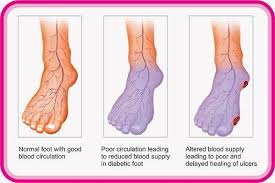
“Cold feet” is easy to dismiss. People reach for thicker socks, turn up the thermostat, and move on. But persistent poor circulation in the hands and feet is not always a quirk of thermoregulation. In many cases, it is a signal — sometimes an urgent one — that the vascular system is not delivering or returning blood effectively to the tissues that need it.
Poor circulation is not a diagnosis in itself. It is a description of a physiological state: blood flow is inadequate to meet the metabolic demands of tissues, whether because arteries are narrowed or blocked, veins cannot return blood efficiently, the heart is not pumping adequately, or small vessels are failing at the level of the microcirculation. The underlying cause determines the symptoms, the risk profile, and the appropriate treatment.
What Does “Poor Circulation” Actually Mean?
The arterial system delivers oxygenated blood from the heart to every tissue in the body. The microcirculation — arterioles, capillaries, venules — performs the actual exchange of oxygen, nutrients, and waste products at the cellular level. The venous system returns deoxygenated blood to the heart, working against gravity in the lower extremities with the help of one-way valves and the pumping action of the calf muscles.
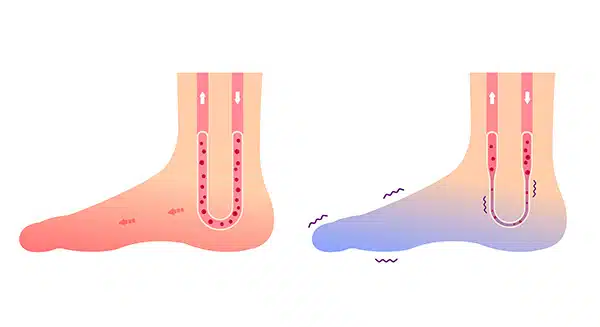
Poor circulation is a failure at one or more of these stages. Arterial poor circulation means insufficient delivery — the tissue is not getting enough oxygen-rich blood. Venous poor circulation means insufficient drainage — blood pools in the extremities rather than returning to the heart. Heart-related poor circulation means the central pump is not generating adequate output to perfuse the periphery.
The legs and feet are the most commonly affected locations for several reasons: they are the farthest from the heart, they must work against gravity for venous return, they carry the highest resistance in the arterial system, and they are the most exposed to the thermal environment — making them the canary in the coal mine for vascular system health.
Peripheral Artery Disease — The Most Common Arterial Cause
Peripheral artery disease (PAD) is atherosclerosis of the arteries that supply the lower extremities. It is the most common cause of arterial poor circulation in adults, affecting approximately 6.5 million Americans. It shares its risk factors directly with coronary artery disease: smoking, type 2 diabetes, hypertension, elevated LDL cholesterol, and age.
The hallmark symptom of PAD is intermittent claudication — reproducible pain, cramping, or aching in the calf, thigh, or buttock that is consistently triggered by walking and reliably relieved by rest within two to five minutes. The mechanism is straightforward: at rest, blood flow is sufficient for minimal oxygen needs; with exercise, oxygen demand rises but the stenosed artery cannot increase flow proportionally, producing ischemic pain. Calf claudication indicates superficial femoral or popliteal artery disease; thigh or buttock claudication suggests aortoiliac disease.
The ankle-brachial index (ABI) is the standard non-invasive diagnostic test for PAD — a ratio of systolic blood pressure at the ankle to systolic blood pressure at the arm. A ratio below 0.9 is diagnostic for PAD; below 0.4 indicates severe disease.
PAD is not merely a leg problem. Patients with PAD have the same systemic atherosclerosis that causes coronary artery disease and cerebrovascular disease. Their five-year risk of major adverse cardiovascular events — including heart attack and stroke — is 20 to 30 percent. Advanced PAD produces critical limb-threatening ischemia (CLTI): rest pain (worse at night when legs are flat and gravity can no longer assist perfusion), ischemic ulcers on the toes or foot dorsum, and in the most severe cases, gangrene. CLTI requires urgent vascular evaluation.
Venous Insufficiency — When Blood Has Trouble Returning
Venous insufficiency is poor circulation in the opposite direction — not from failed delivery, but from failed return. When venous valves become incompetent, blood refluxes backward, accumulating in the lower leg and producing chronic venous hypertension.
The consequences range from cosmetic (spider veins, varicose veins) to functionally significant (leg swelling, heaviness, aching) to seriously morbid (venous ulcers). Chronic venous hypertension produces characteristic skin changes including thickened, discolored skin and brownish hemosiderin staining from the breakdown of extravasated red blood cells. Venous ulcers — the most common type of leg ulcer — typically develop at the medial malleolus (inner ankle), are shallow and weeping, and can be notoriously difficult to heal without adequate venous pressure management.
Deep vein thrombosis (DVT) is an acute manifestation of venous disease: a clot in the deep venous system producing unilateral leg swelling, warmth, pain, and erythema. DVT requires prompt anticoagulation both to prevent pulmonary embolism and to reduce the risk of post-thrombotic syndrome — a form of chronic venous insufficiency that develops in 20 to 50 percent of DVT patients within two years.
Diabetes and Poor Circulation
Diabetes damages blood vessels at both the large vessel (macrovascular) and small vessel (microvascular) levels, producing poor circulation through multiple simultaneous mechanisms.
At the macrovascular level, diabetes dramatically accelerates atherosclerosis, producing PAD that is often more diffuse, more distal, and more severe than PAD in non-diabetic patients. At the microvascular level, chronic hyperglycemia damages endothelial cells in the smallest blood vessels, producing diabetic neuropathy, nephropathy, and retinopathy.
The diabetic foot is the convergence of these two pathways. Peripheral neuropathy removes the pain sensation that would normally warn a person that their foot is being injured. PAD and microvascular disease impair the healing capacity of any wound that develops. Seemingly trivial injuries — a blister from a tight shoe, a small cut — go unnoticed and unhealed, progressing to deep infections and necrosis. Approximately 60 percent of non-traumatic lower limb amputations in the United States occur in people with diabetes — making foot care a critical priority in diabetic management.
Heart Failure and Reduced Cardiac Output
Heart failure produces poor circulation from the center outward. When the heart cannot pump adequately, the entire body’s blood supply is compromised.
“Forward failure” describes the consequences of reduced cardiac output: tissues receive less blood than they need, producing fatigue, exercise intolerance, cool extremities, and impaired cognition. The body preferentially directs limited cardiac output away from the skin and periphery toward the brain and vital organs, producing the cold, poorly perfused extremities that patients experience.
“Backward failure” describes the consequences of elevated venous pressure: left heart failure causes pulmonary congestion; right heart failure causes systemic venous congestion, peripheral edema especially in the legs and feet, hepatic congestion, and ascites. Heart failure-related poor circulation is therefore bidirectional — inadequate delivery forward and congested backup behind — and both mechanisms operate simultaneously in most patients with advanced disease.
Raynaud’s Phenomenon
Raynaud’s phenomenon is episodic poor circulation affecting the digits — caused by excessive vasospasm of small digital arteries in response to cold temperature or emotional stress. The classic presentation is a triphasic color change: digits turn white (pallor from ischemia), then blue (cyanosis from deoxygenated stagnant blood), then red (rubor from reactive hyperemia when blood flow returns).
Primary Raynaud’s (Raynaud’s disease) occurs without underlying disease, predominantly in young women, and is benign. Secondary Raynaud’s is associated with connective tissue diseases — particularly systemic sclerosis (scleroderma), in which Raynaud’s is often the first manifestation, appearing years before other features of the disease. Management focuses on avoiding cold triggers and, for frequent episodes, calcium channel blockers (nifedipine) as the first-line pharmacological treatment.
Recognizing the Symptoms of Poor Circulation
Poor circulation produces different symptom patterns depending on which part of the vascular system is affected. The following symptoms should prompt evaluation:
- Cold extremities: persistent coldness in warm environments suggests impaired arterial flow
- Leg pain on walking: claudication — reproducible, activity-triggered, relieved by rest — is the cardinal symptom of PAD and should not be attributed to aging without investigation
- Leg swelling (edema): unilateral swelling with pain suggests DVT and requires urgent evaluation
- Skin color changes: pallor on elevation suggests severe PAD; dependent rubor (persistent redness with limb hanging down) is a sign of critical ischemia; livedo reticularis (mottled pattern) suggests microcirculatory dysfunction
- Slow wound healing: wounds on the feet or legs that fail to heal within weeks need evaluation for arterial, venous, or diabetic causes
- Numbness and tingling: may reflect ischemic neuropathy (vascular) or diabetic peripheral neuropathy
- Sudden severe limb ischemia: a limb that becomes suddenly cold, pale, painful, and pulseless is a vascular emergency requiring immediate intervention
How Poor Circulation Is Diagnosed
Diagnosis begins with clinical assessment — history of symptoms, risk factors, and physical examination including pulse assessment, skin inspection, and capillary refill. Diagnostic tools include:
- Ankle-brachial index (ABI): non-invasive, inexpensive, high sensitivity and specificity for PAD; performed in most vascular and primary care offices
- Duplex ultrasound: combines B-mode imaging with Doppler flow measurements; used for arterial characterization and venous assessment including DVT diagnosis
- CT angiography / MR angiography: detailed arterial anatomy imaging, typically used to plan revascularization procedures
- Wells score + D-dimer: clinical prediction tool for DVT; low probability plus negative D-dimer reliably excludes DVT without imaging
Treatment Approaches
Treatment is directed at the underlying cause, but several principles apply broadly.
Lifestyle: Supervised walking exercise programs are first-line treatment for claudication — counterintuitively, walking more under supervision improves walking distance by stimulating collateral blood vessel growth and improving muscle oxygen extraction. Smoking cessation is essential for any patient with PAD, as continued smoking dramatically accelerates disease progression. Weight management reduces venous pressure in venous insufficiency.
Medical management: Antiplatelet therapy (aspirin or clopidogrel) is standard for PAD to reduce cardiovascular event risk. Statins are prescribed for their lipid-lowering and pleiotropic benefits. Rigorous blood pressure and blood glucose control is critical in diabetic vascular disease.
Venous disease: Graduated compression stockings (30–40 mmHg) reduce venous hypertension and are the mainstay of venous insufficiency management. Limb elevation reduces dependent edema. Venous ulcers require compression bandaging, wound care, and sometimes endovenous ablation of incompetent veins.
Raynaud’s: Calcium channel blockers (particularly nifedipine) reduce vasospasm frequency and severity. Avoiding cold exposure and smoking cessation are critical behavioral interventions.
Endovascular and surgical procedures: For symptomatic PAD that limits daily activity or threatens limb viability, angioplasty, stenting, or surgical bypass can restore blood flow.
To understand how blood normally circulates through the body and why disruptions to that flow matter, see our guide to how blood circulates through the body. For a broader overview of vascular disease, visit our article on what cardiovascular disease is. And to understand the risk factors that contribute to poor circulation, read our guide to what affects heart and blood vessel health.
Poor circulation is the body’s signal that blood flow is being compromised somewhere in the vascular chain. According to the American Heart Association, peripheral artery disease affects millions of Americans and is significantly underdiagnosed. The NIH National Heart, Lung, and Blood Institute provides detailed guidance on diagnosis and treatment. The CDC tracks the intersection of cardiovascular risk factors and vascular disease outcomes. Recognizing the symptoms, understanding the underlying causes, and seeking appropriate diagnosis are the steps that make the difference between early, effective treatment and preventable complications.
How Poor Circulation Differs from Normal Aging
A common concern among middle-aged and older adults is whether their symptoms represent poor circulation or simply the normal physiological changes that come with aging. This distinction matters because normal aging does produce changes in the vascular system — arteries stiffen, blood pressure tends to rise, venous valve function may gradually decline — but these changes are gradual and typically do not produce the symptom patterns associated with pathological poor circulation.
Normal age-related changes include mildly reduced peripheral blood flow at rest, some reduction in cold tolerance, and occasional leg cramping that is not consistently triggered by activity. These are different from intermittent claudication — which is consistently reproducible, triggered at a predictable walking distance, and reliably relieved by rest — from persistent unilateral leg swelling (which suggests DVT or unilateral venous disease rather than bilateral age-related venous changes), and from non-healing wounds (which always indicate pathological impairment of circulation or neuropathy, regardless of age).
The distinction also matters psychologically: framing symptoms as “just aging” leads to normalization of conditions that are both treatable and clinically significant. A patient who develops intermittent claudication at age 65 is not just getting older — they have PAD, a systemic marker of atherosclerosis, and they deserve evaluation, cardiovascular risk reduction, and supervised exercise therapy.
The Role of Smoking in Vascular Disease
No single lifestyle factor is more damaging to the peripheral circulation than smoking. Tobacco smoke contains multiple compounds that damage the endothelium, promote platelet aggregation, cause vasospasm, and accelerate the atherosclerotic process in peripheral arteries. Among patients with PAD, smokers have dramatically faster disease progression, higher rates of critical limb ischemia, higher amputation rates, and worse outcomes after revascularization procedures.
Smoking cessation is the single most impactful intervention for peripheral artery disease. Studies consistently show that patients who quit smoking have slower PAD progression, better outcomes after endovascular and surgical procedures, and reduced cardiovascular mortality compared to those who continue to smoke. Nicotine replacement therapy, bupropion, and varenicline are all effective cessation aids with evidence in vascular disease patients.
For patients with Raynaud’s phenomenon, smoking cessation is also critical: nicotine causes digital vasospasm and directly worsens the frequency and severity of Raynaud’s attacks. This makes smoking the single worst behavioral choice for anyone whose circulation is already compromised — and one of the most powerful correctable contributors to poor circulation outcomes.
Prevention: What Can Be Done Before Poor Circulation Develops
Many of the conditions that cause poor circulation are preventable or delayable through the same risk factor management that reduces cardiovascular disease broadly: smoking cessation, management of blood pressure and lipid levels, regular physical activity, control of blood glucose in diabetes, and maintenance of a healthy body weight.
For venous insufficiency specifically, prevention strategies include avoiding prolonged standing or sitting without movement, elevating the legs when seated, wearing compression stockings during prolonged travel or standing-heavy occupations, and maintaining a healthy weight to reduce venous pressure. For people with a history of DVT, long-term compression stocking use has been shown to reduce the incidence of post-thrombotic syndrome.
For diabetic vascular disease, tight glycemic control from the time of diagnosis, combined with rigorous blood pressure management and lipid control, significantly delays the development of both macrovascular and microvascular disease. Daily foot inspection — checking between the toes for blisters, calluses, or wounds — is a simple preventive practice that saves limbs by catching problems before they progress.
For PAD specifically, the most important preventive measure is tobacco cessation — combined with regular aerobic exercise, which maintains endothelial function, supports collateral circulation development, and provides the metabolic benefits that slow atherosclerotic progression. Exercise does not require gym membership or specialized equipment: walking itself is the most studied and most beneficial aerobic activity for vascular health, and its benefits accrue with consistency rather than intensity.
Living With Poor Circulation: Practical Management Strategies
For people already diagnosed with a condition causing poor circulation, day-to-day management involves both medical treatment and behavioral adjustments that reduce symptom burden and slow disease progression.
Patients with PAD benefit from daily foot inspection (to catch wounds or pressure injuries early), careful shoe selection (well-fitting shoes without pressure points; diabetic footwear if indicated), and avoidance of temperature extremes that could impair healing or cause vasoconstriction. Regular walking — ideally in a supervised exercise program — is medicine: each session, even if limited by claudication pain, promotes collateral vessel development and improves walking distance over weeks and months.
Patients with venous insufficiency benefit from wearing compression stockings consistently throughout the day (putting them on before standing in the morning, when venous pressure is lowest), from elevating their legs above the level of the heart whenever possible, and from avoiding prolonged standing without movement. Calf muscle activation — walking, calf raises, ankle pumps — is the physiological pump that drives venous return and should be part of daily routine.
Patients with Raynaud’s should keep their entire body warm — not just their hands — because whole-body cooling triggers the sympathetic response that drives digital vasospasm. Layered clothing, warm drinks, and heated gloves or hand warmers can significantly reduce attack frequency. Stress management techniques reduce the emotional trigger component of secondary Raynaud’s attacks.
Understanding what is causing poor circulation — and why the recommended treatments target those specific mechanisms — is the foundation of effective self-management. Poor circulation is not a vague complaint; it is a collection of specific, diagnosable, and in many cases treatable conditions. The goal is not merely to manage symptoms but to address the underlying vascular biology, reduce systemic cardiovascular risk, and preserve the function and integrity of the affected limbs and organs for the long term.
When to Seek Medical Evaluation
Not every symptom associated with poor circulation requires emergency evaluation, but certain presentations should not wait for a routine appointment.
Seek emergency evaluation immediately for: a limb that becomes suddenly cold, pale, painful, or numb (acute arterial occlusion is a vascular emergency with a narrow window for limb salvage); new unilateral leg swelling with chest pain or difficulty breathing (possible DVT with pulmonary embolism); and severe, escalating pain in a limb that was previously stable (possible transition to critical limb ischemia).
Seek prompt evaluation within days to weeks for: pain in the calf, thigh, or buttock that is consistently triggered by walking and relieved by rest; an open sore on the foot or lower leg that is not healing after two weeks; new or worsening leg swelling without an obvious cause; or color changes in the digits (white-blue-red pattern with cold exposure) that are happening for the first time.
Discuss at a routine visit: cold feet that have been present for years without skin changes or wounds; mild varicose veins without swelling or pain; occasional leg cramps at night that are not triggered by exercise.
The principle is straightforward: the earlier a vascular condition is identified and treated, the more treatment options are available, the better the outcome, and the lower the risk of irreversible damage to the limb, the kidneys, the heart, or the brain. Poor circulation is the body’s signal that something in the vascular system needs attention. That signal is worth heeding.
Poor circulation is among the most underdiagnosed vascular conditions in primary care. If you have risk factors — diabetes, smoking history, hypertension, sedentary lifestyle, or a family history of cardiovascular disease — discuss vascular screening with your healthcare provider, even before symptoms become obvious. Early intervention, when blood flow is still partially preserved and tissue damage is minimal, consistently produces better outcomes than treatment initiated after symptoms have become severe or complications have developed. The time to act on vascular warning signs is when they first appear, not when they become unmistakable.
As someone dealing with this personally, the what is poor circulation? causes, symptoms, section was very helpful. I especially valued the explanation of why these recommendations exist, not just what they are. This gave me real confidence going into my next specialist appointment.
Bookmarked this article on what is poor circulation? causes, symptoms, immediately — going to reference it regularly. The connection between diet, lifestyle, and long-term outcomes is explained clearly here. I wish I had found this article when I was first diagnosed — would have saved a lot of confusion.
I shared this article on what is poor circulation? causes, symptoms, with my doctor and they appreciated the level of detail. I have tried following advice from several sources but this is the most consistent with what my specialist told me. This is going into my health binder that I bring to every doctor’s visit.
Really well-written article on what is poor circulation? causes, symptoms,. The section on managing this condition day-to-day was especially useful for planning. Appreciate the effort that went into researching and writing this — it shows.
This is one of the clearest explanations of what is poor circulation? causes, symptoms, I have found. This is the kind of evidence-based writing that actually changes how people approach their health. Looking forward to reading more articles from this website.
I shared this article on what is poor circulation? causes, symptoms, with my doctor and they appreciated the level of detail. This is the kind of evidence-based writing that actually changes how people approach their health. Will definitely be coming back to this site for more health information.