

Modern medicine’s approach to heart health monitoring has evolved from simple auscultation and pulse palpation to a sophisticated, layered system spanning blood tests, electrical recordings, anatomic imaging, and continuous wearable devices. Today, clinicians can measure resting heart rate, detect silent arrhythmias during sleep, visualize atherosclerotic plaque in the coronary arteries without surgery, quantify how much heart muscle has been damaged by a prior infarction, and receive algorithm-generated alerts about possible atrial fibrillation before a patient feels any symptoms.
How modern medicine supports heart health monitoring is best understood by recognizing that each tool answers a different clinical question — and no single test captures everything. The choice of which test to order depends on what the physician needs to know. This article maps the full spectrum of modern cardiac monitoring, from foundational tests to cutting-edge digital tools, so that patients can understand what their physician is looking for and why each test matters.
Foundational Monitoring: ECG and Blood Pressure
The 12-Lead Electrocardiogram
The resting 12-lead electrocardiogram (ECG) is one of the most information-dense 10-minute tests in medicine. Ten electrodes placed on the limbs and chest generate 12 different views of the heart’s electrical activity, revealing the rhythm, rate, conduction system integrity, and indirect evidence of structural disease.
The ECG reliably detects arrhythmias (including atrial fibrillation, ventricular tachycardia, heart block), conduction abnormalities (bundle branch blocks, pre-excitation), left ventricular hypertrophy, and the electrical signatures of prior myocardial infarction (pathological Q waves, ST-T wave changes). What the ECG does not show is coronary anatomy, plaque burden, valvular structure, or structural causes of heart failure that produce no electrical abnormality. It is an electrical snapshot, not an anatomic image — a critical distinction for understanding when additional testing is needed.
Blood Pressure Monitoring
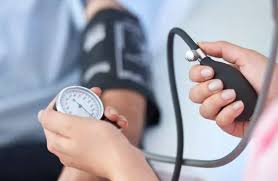
Blood pressure measurement has three distinct settings, each capturing different physiological information. Office blood pressure is the most common but potentially least representative: white-coat hypertension (elevated only in the clinical setting) affects 15 to 30 percent of patients diagnosed with hypertension, and masked hypertension (normal office reading, elevated at home) may affect a similar proportion.
Home blood pressure monitoring — measuring twice in the morning and twice in the evening for 7 days — provides a more representative daily estimate. Ambulatory blood pressure monitoring (ABPM) records pressure automatically every 15 to 30 minutes over 24 hours, capturing the full diurnal pattern including nighttime readings. Non-dipping — the failure of blood pressure to decrease by at least 10 percent during sleep — is associated with substantially higher cardiovascular risk independent of average blood pressure level. ABPM is the gold standard for diagnosing hypertension and evaluating treatment adequacy.
The Lipid Panel and Advanced Lipid Testing
The standard lipid panel measures total cholesterol, LDL, HDL, and triglycerides. Advanced lipid testing adds apolipoprotein B (apoB) — which counts all atherogenic particles, not just LDL mass, and may be more accurate in patients with metabolic syndrome or diabetes. Lipoprotein(a) — Lp(a) — is genetically determined; levels above 50 mg/dL represent a substantial independent cardiovascular risk factor that lifestyle changes cannot address. High-sensitivity C-reactive protein (hsCRP) measures systemic inflammation and is used as a risk-enhancing factor when treatment decisions for borderline-risk patients are uncertain.
Functional Cardiac Testing
Exercise Stress Test
The exercise stress test places the cardiovascular system under controlled demand and monitors the response. As the patient walks on a treadmill at increasing speed and incline, myocardial oxygen demand increases, and any ischemia from significant coronary stenosis becomes evident through ST-segment changes on the continuous ECG. The test also assesses functional capacity (metabolic equivalents, METs), heart rate response, and exercise tolerance — all carrying independent prognostic significance. Sensitivity is approximately 68 percent and specificity approximately 77 percent for obstructive coronary artery disease.
Stress Echocardiography
Stress echocardiography adds real-time ultrasound imaging of the heart before and immediately after peak stress — either exercise or pharmacological (dobutamine for patients who cannot exercise). The key finding is regional wall motion abnormality: a segment of left ventricular myocardium that contracts normally at rest but fails under stress indicates ischemia in the territory of the corresponding coronary artery. Stress echo has higher sensitivity and specificity than ECG stress testing alone (approximately 80 to 85 percent sensitivity, 80 to 88 percent specificity) and simultaneously evaluates valvular function and right ventricular performance.
Nuclear Perfusion Imaging
Nuclear stress testing injects a radiotracer taken up by myocardial cells proportional to blood flow. Images at rest and at peak stress reveal perfusion defects: a defect that appears during stress but resolves at rest is ischemia; a fixed defect present at both is scar. PET myocardial perfusion imaging can additionally quantify absolute myocardial blood flow in mL/min/g — allowing detection of diffuse three-vessel disease or microvascular dysfunction that might appear normal on relative perfusion images.
Coronary Imaging
Coronary Artery Calcium Scoring
The coronary artery calcium (CAC) score is a non-contrast cardiac CT that quantifies calcified atherosclerotic plaque in the coronary arteries as an Agatston score. A CAC score of zero — no detectable calcium — is associated with a low short-term cardiovascular event rate and can support deferring statin therapy in intermediate-risk patients. CAC scores of 1 to 99 indicate early plaque; 100 to 299, moderate burden; 300 or higher (or above the 75th percentile for age and sex), high risk warranting high-intensity statin therapy. Importantly, CAC measures only calcified plaque — soft, lipid-rich plaques that are most prone to rupture are not detected.
Coronary CT Angiography
Coronary CT angiography (CTA) uses contrast to visualize both the coronary lumen and the vessel wall simultaneously — assessing stenosis severity and plaque composition (calcified, mixed, or low-attenuation lipid-rich). FFRCT (marketed as HeartFlow) applies computational fluid dynamics to CTA data to model fractional flow reserve non-invasively — allowing functional assessment of coronary stenosis without cardiac catheterization. This combination of anatomy and physiology from a non-invasive test represents a major advance in pre-procedural coronary assessment.
Cardiac MRI
Cardiac MRI is the gold standard for myocardial tissue characterization. Late gadolinium enhancement (LGE) identifies fibrosis and scar: ischemic scar follows a coronary distribution (subendocardial or transmural); non-ischemic scar appears midmyocardially or subepicardially, as in myocarditis or cardiomyopathy. T1 and T2 mapping quantify edema and infiltration — enabling diagnosis of cardiac amyloidosis, iron overload cardiomyopathy, and myocarditis. Cardiac MRI provides highly accurate left ventricular volume and ejection fraction measurements without radiation.
Invasive Coronary Angiography
Invasive angiography remains the definitive test for coronary anatomy, performed by threading a catheter into the coronary ostia and injecting contrast directly. Fractional flow reserve (FFR) ≤0.80 measured with a pressure wire confirms that a stenosis is hemodynamically significant — the threshold indicating that stenting improves outcomes over medical therapy alone. Intravascular ultrasound (IVUS) and optical coherence tomography (OCT) provide high-resolution cross-sectional imaging for plaque characterization and stent optimization.
Rhythm Monitoring
The resting ECG is a 10-second snapshot. Paroxysmal atrial fibrillation, supraventricular tachycardia, and intermittent conduction block occur unpredictably and may be absent during a standard ECG. Ambulatory rhythm monitoring bridges this gap. The Holter monitor records continuous ECG for 24 to 48 hours (extended Holters up to 14 days). The event recorder extends monitoring to 30 days with patient activation during symptoms.
The implantable loop recorder (ILR) — a small device implanted subcutaneously under local anesthesia — monitors rhythm continuously for up to 3 years, automatically detecting bradycardia, tachycardia, pauses, and atrial fibrillation. The CRYSTAL-AF trial established its clinical value: long-term ILR monitoring detected atrial fibrillation in 30 percent of cryptogenic stroke patients at 3 years, compared with 3 percent detected by standard 24-hour monitoring. Identifying AF changes management from antiplatelet to anticoagulation therapy — a change that substantially reduces recurrent stroke risk. The ILR is now standard of care for unexplained syncope and cryptogenic stroke workup.
Echocardiography
Echocardiography uses ultrasound to image cardiac structure and function in real time. The transthoracic echocardiogram (TTE) is the workhorse cardiac imaging study — assessing left and right ventricular function, valvular hemodynamics, pericardial abnormalities, and regional wall motion. Transesophageal echocardiography (TEE) places the transducer in the esophagus for higher-resolution imaging of posterior structures — used pre-cardioversion, for valve detail before repair or replacement, and for detection of intracardiac thrombus.
Strain imaging using global longitudinal strain (GLS) detects subclinical left ventricular dysfunction before ejection fraction falls below normal — making it valuable for monitoring patients receiving cardiotoxic chemotherapy agents. Point-of-care ultrasound (POCUS) using handheld devices enables rapid bedside assessment of pericardial effusion, gross LV function, RV strain in pulmonary embolism, and IVC collapsibility — extending cardiac imaging capability beyond the formal echo lab to the bedside, emergency department, and clinic.
Digital Health and Wearables in Cardiac Monitoring
Consumer wearable technology has expanded rhythm surveillance to a population scale previously impossible with traditional monitoring. The Apple Watch Series 4 and later devices received FDA clearance for a single-lead ECG recorded through finger contact on the watch crown — sufficient to detect atrial fibrillation with sensitivity of approximately 98 percent and specificity of approximately 91 percent. The Apple Heart Study (2019), which enrolled over 400,000 participants, found 0.52 percent received an irregular pulse notification; of those who followed up with a patch ECG, approximately one-third had confirmed AF. Continuous photoplethysmography (PPG) sensors in smartwatches and fitness bands detect irregular pulse rhythms passively, generating alerts that prompt formal ECG-based evaluation.
Patch-based monitors such as the Zio by iRhythm provide continuous 14-day ECG recording via an adhesive chest patch, with AI algorithm analysis generating reports prioritizing clinically significant findings. These demonstrate superior AF detection yield compared to standard 24-hour Holter monitoring. Artificial intelligence is also transforming ECG interpretation: AI models developed at Mayo Clinic detect left ventricular dysfunction (EF below 35 percent) from a standard resting 12-lead ECG with AUC of approximately 0.93 — identifying structural heart disease invisible to the human eye from the same 10-second recording available in any clinical setting.
How Monitoring Supports Prevention
Modern cardiac monitoring supports prevention by providing objective data that drives treatment decisions. A CAC score of 250 in a borderline-risk patient justifies initiating high-intensity statins. A positive FFRCT identifies a hemodynamically significant stenosis warranting revascularization. An ILR finding of paroxysmal AF triggers anticoagulation that prevents the next stroke. An AI-flagged low EF on ECG prompts echocardiography and early heart failure therapy before the patient becomes symptomatic.
The monitoring process is not a one-time event but a loop: establish baseline values, initiate or adjust treatment, re-measure to confirm response, and continue monitoring for disease progression. Patients engage most effectively by attending scheduled monitoring visits, wearing prescribed ambulatory devices for their full duration, reporting any new symptoms between visits, and understanding that a normal result today requires periodic reassessment as age and risk factors evolve.
For the foundational cardiovascular metrics that monitoring tracks, see our articles on heart health numbers every adult should know, what resting heart rate means, and what blood pressure is and why it matters. The American Heart Association provides guidance on heart health screening recommendations. The NIH National Heart, Lung, and Blood Institute explains common heart tests for patients and families. The FDA Digital Health Center of Excellence oversees the growing category of digital cardiac monitoring tools.
Modern cardiac monitoring gives clinicians a comprehensive window into cardiovascular health that was unimaginable a generation ago. The challenge is not a shortage of available tests but the wisdom to use them purposefully — selecting the right tool for the right question at the right time, and connecting monitoring findings to meaningful clinical action that reduces the patient’s lifetime risk of the cardiovascular events that matter most.
What Each Monitoring Tool Cannot Tell You
Understanding the limitations of cardiac monitoring tools is as important as understanding their capabilities, because over-reliance on a single test is a common source of diagnostic error.
A normal resting ECG does not rule out significant coronary artery disease — most patients with stable CAD have a completely normal ECG between events. A normal exercise stress test does not rule out CAD in patients with intermediate-to-high pre-test probability; it reduces probability, but the sensitivity of ~68% means roughly one in three patients with significant CAD will have a false-negative result. A CAC score of zero is reassuring but not a guarantee — it detects calcified plaque only, and non-calcified soft plaques (which are the most rupture-prone) are invisible to CAC scoring. An echocardiogram with normal ejection fraction does not mean the heart is functioning optimally; diastolic dysfunction and subtle systolic dysfunction (detectable only by strain imaging) may be present with normal EF. A smartwatch ECG is FDA-cleared for AF detection but is a single-lead recording that cannot evaluate ST changes, multifocal arrhythmias, or conduction disease the way a 12-lead ECG can.
The clinical art of cardiac monitoring lies in test selection: choosing the investigation that addresses the specific clinical question, interpreting the result in the context of pre-test probability and clinical findings, and knowing when a negative result is sufficient reassurance and when further testing is warranted despite a negative result.
How Monitoring Has Changed Risk Stratification
The integration of imaging-based cardiovascular risk stratification has transformed how clinicians make treatment decisions for primary prevention — the patients who have not yet had a cardiovascular event but are at risk. Before imaging tools like coronary artery calcium scoring became widely available, treatment decisions were based almost entirely on traditional risk factors: age, blood pressure, cholesterol, smoking, diabetes. The Pooled Cohort Equations, the most widely used primary prevention risk calculator, estimates 10-year ASCVD risk from these parameters.
But traditional risk calculators misclassify a significant proportion of patients. Some patients with elevated calculated risk have no coronary calcium (CAC 0) and are at much lower actual risk than the formula predicts; statin therapy can be deferred with confidence in this group. Others with apparently borderline risk have CAC scores above 300 and are at substantially higher actual risk than calculated — and benefit from more aggressive intervention. The MESA (Multi-Ethnic Study of Atherosclerosis) trial demonstrated that CAC score provided incremental risk prediction above traditional risk factors in all ethnic groups studied.
Similarly, advanced lipid testing — Lp(a) and apoB — identifies patients at elevated risk who appear adequately treated by standard LDL measures alone. A patient with LDL of 70 mg/dL on statin therapy but Lp(a) of 200 mg/dL carries residual cardiovascular risk that LDL does not capture. These insights have driven the development of new therapeutic targets — RNA-based Lp(a)-lowering agents and PCSK9 inhibitors — that monitoring identifies the patients who most need them.
Frequently Asked Questions About Heart Health Monitoring
What is the difference between a stress test and a stress echo?
A standard stress test using ECG alone monitors electrical changes during exercise — it detects ischemia through ST-segment shifts but cannot directly visualize the heart muscle. A stress echocardiogram adds real-time ultrasound imaging before and after peak stress, allowing the physician to see whether specific heart muscle segments move normally or become abnormal under exertion. The stress echo provides higher diagnostic accuracy and additional information about valve function and heart structure. ECG-only stress testing is used when the baseline ECG is normal and pre-test probability is low; imaging-based stress testing is preferred when the ECG is abnormal, prior stress test results are equivocal, or structural heart disease evaluation is also needed.
Can a smartwatch ECG replace a visit to my cardiologist?
No. Smartwatch ECGs are single-lead recordings FDA-cleared for detecting atrial fibrillation but are not adequate for diagnosing most other arrhythmias, evaluating ST changes, assessing conduction disorders, or replacing the 12-lead ECG used for clinical decision-making. Smartwatch ECGs are most valuable as screening tools — they alert you to seek evaluation that would not otherwise have occurred. The diagnosis and treatment decisions must involve a physician using clinical-grade equipment and clinical judgment. Importantly, a smartwatch that has not generated an AF alert is not a clean bill of health — it simply means no AF episode was detected during the recording window.
What does a coronary artery calcium score of zero mean?
A CAC score of zero means no calcified atherosclerotic plaque was detected in your coronary arteries. This is associated with a very low short-term cardiovascular event rate and may support deferring statin therapy in intermediate-risk patients. However, it does not mean zero atherosclerosis — non-calcified (soft) plaques are not visible on a CAC scan. A score of zero should not create false reassurance in patients with major risk factors (very high LDL, heavy smoking, severe hypertension), but it does provide meaningful reassurance when integrated with overall risk assessment. CAC scores typically need to be repeated after 5 to 10 years, as calcified plaque accumulates over time and CAC 0 status does not persist indefinitely.
How long does a Holter monitor need to be worn?
Standard Holter monitoring is 24 to 48 hours — sufficient for frequent symptoms (daily or near-daily palpitations, syncope, or arrhythmia evaluation). For less frequent events, extended Holter monitors (7 to 14 days) capture more data. If symptoms occur monthly or less, a 30-day event recorder is more appropriate. For very infrequent events like unexplained syncope or suspected paroxysmal AF in a cryptogenic stroke patient, an implantable loop recorder — worn for up to 3 years — provides the only reliable way to document the rhythm during the actual clinical event.
Key Takeaways
- Modern cardiac monitoring is layered: foundational tests (ECG, blood pressure, lipid panel) lead to functional testing (stress tests) and anatomic imaging (echo, CT, MRI, angiography), then rhythm monitoring (Holter, ILR), and digital wearables with AI analysis
- The 12-lead ECG is an electrical snapshot — it detects arrhythmias and conduction disease but does not show coronary anatomy or structural disease without an electrical correlate
- 24-hour ambulatory BP monitoring is the gold standard for diagnosing hypertension; non-dipping (failure of BP to drop at night) independently increases cardiovascular risk
- CAC score 0 = low event risk, may defer statin in intermediate-risk patients; CAC ≥300 = high risk, high-intensity statin indicated; CAC does not detect soft (non-calcified) plaques
- Coronary CTA evaluates both stenosis and plaque composition; FFRCT adds non-invasive functional assessment without catheterization
- Implantable loop recorder (ILR) detected AF in 30% of cryptogenic stroke patients at 3 years vs. 3% with standard 24-hour monitoring (CRYSTAL-AF trial)
- Apple Watch ECG: ~98% sensitivity, ~91% specificity for AF; single-lead only — cannot replace 12-lead ECG for other indications
- AI-ECG models detect LV dysfunction (EF <35%) from a standard resting ECG with AUC ~0.93 — identifying silent structural disease from a 10-second test
- Monitoring is a loop, not a one-time event: measure baseline, treat, reassess, repeat — and a normal result today requires periodic reassessment as risk factors and age evolve