
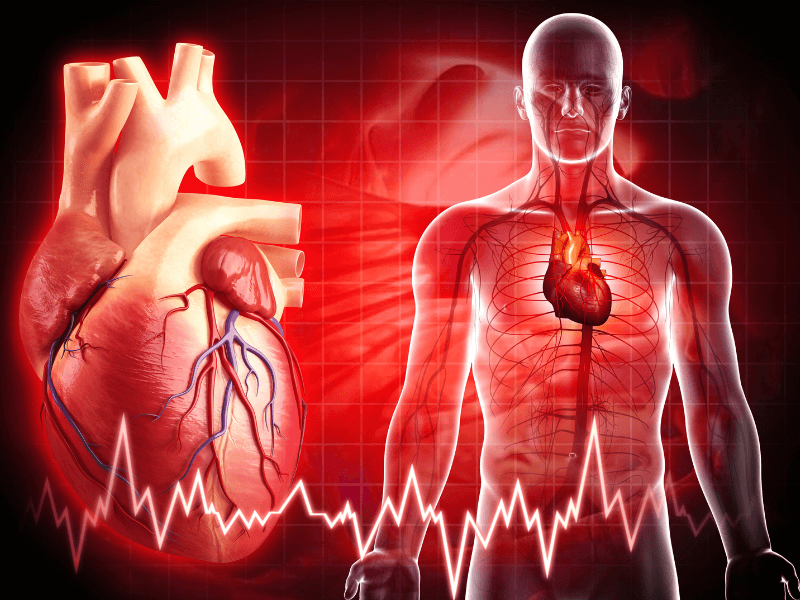
An irregular heartbeat is one of the most anxiety-provoking sensations a person can experience. The heart, which normally beats with the quiet predictability of a metronome, suddenly seems to skip, flutter, pound at odd intervals, or race and stumble in ways that feel profoundly abnormal. The medical term for any abnormality in heart rhythm is arrhythmia, and the term covers an enormous range — from the completely benign premature beat that most adults experience occasionally to atrial fibrillation, the most common sustained arrhythmia in the developed world, to ventricular fibrillation, which causes cardiac arrest. Understanding the spectrum of causes, symptoms, and clinical implications of irregular heartbeat helps patients navigate what is one of the most common presentations in cardiology practice.
What Does an Irregular Heartbeat Feel Like?
The subjective experience of an irregular heartbeat varies considerably depending on the underlying rhythm disturbance. The most common descriptions include fluttering, skipping, pounding, thumping, racing with irregularity, and a sensation of the heart “missing a beat” followed by a stronger beat. Common associated symptoms include fatigue and reduced exercise tolerance (particularly when the ventricular rate is fast or very irregular), dizziness or lightheadedness, shortness of breath, near-syncope, and chest discomfort.
Critically, many patients with clinically important arrhythmias — including atrial fibrillation — are entirely asymptomatic. Their irregular rhythm is detected incidentally on a routine ECG or during evaluation for an unrelated condition. An estimated 20 to 30 percent of patients with AF experience no symptoms from their arrhythmia, which is why a physician who finds an irregular pulse on examination always investigates further, even in patients who feel well.
Atrial Fibrillation: The Most Common Sustained Cause
Atrial fibrillation (AF) is the most common sustained cardiac arrhythmia, affecting more than 6 million Americans, with prevalence rising to approximately 10 percent of those over 80 years old. In AF, multiple wandering reentrant circuits fire chaotically throughout the atria at 350 to 600 impulses per minute. The AV node conducts only a fraction of these impulses to the ventricles — but the ones that do conduct arrive at irregular intervals, producing the hallmark irregularly irregular ventricular rhythm.
AF is classified by its temporal pattern: paroxysmal (self-terminating within 7 days), persistent (sustained beyond 7 days requiring cardioversion), long-standing persistent (more than a year), and permanent (clinical decision to abandon rhythm control). The clinical importance of AF extends beyond the irregular rhythm: AF increases stroke risk five-fold by promoting thrombus formation in the left atrial appendage, and prolonged rapid AF can cause AF-induced cardiomyopathy — a reversible reduction in left ventricular function.
Atrial Flutter
Atrial flutter is caused by a single organized macro-reentrant circuit in the right atrium, typically traveling around the tricuspid valve annulus at 250 to 350 beats per minute. The AV node typically conducts every second flutter wave (2:1 block), producing a regular ventricular rate of approximately 150 beats per minute. The ECG pattern shows characteristic “sawtooth” flutter waves. Flutter carries stroke risk similar to AF and requires the same anticoagulation assessment. Catheter ablation targeting the cavo-tricuspid isthmus — the critical corridor of the reentrant circuit — is curative in more than 95 percent of cases of typical atrial flutter.
Premature Beats and Other Irregular Patterns
Premature atrial contractions (PACs) and premature ventricular contractions (PVCs) are the most common cause of perceived irregular heartbeat in everyday clinical practice. These early beats interrupt the regular sinus rhythm, followed by a compensatory pause, then a stronger beat — felt by patients as “the heart skips a beat.” PACs and PVCs are extremely common — up to 70 percent of adults will have occasional PVCs on extended Holter monitoring — and are almost always benign in structurally normal hearts. High-burden PVCs (more than 10 to 15 percent of total beats) can cause cardiomyopathy over time.
Multifocal atrial tachycardia (MAT) is an irregular tachycardia caused by multiple ectopic atrial foci firing simultaneously, producing P waves of at least three different morphologies at rates of 100 to 150 beats per minute. It is particularly associated with severe pulmonary disease, hypoxia, and electrolyte abnormalities. Ventricular fibrillation (VF) represents the extreme end of the arrhythmia spectrum — chaotic ventricular activation with no effective cardiac output, causing cardiac arrest within seconds and requiring immediate CPR and defibrillation.
What Causes an Irregular Heartbeat?
Structural and cardiac causes include coronary artery disease (myocardial scarring from prior infarction creates reentrant circuits), heart failure (elevated filling pressures and neurohormonal activation promote AF and ventricular arrhythmias), cardiomyopathies, and valvular heart disease. Mitral stenosis is particularly strongly associated with AF because left atrial enlargement from the obstructed valve provides the substrate for reentrant circuits.
Medical conditions include hyperthyroidism (which causes AF in 10 to 15 percent of affected patients), obstructive sleep apnea (strongly associated with AF through intermittent hypoxia and sympathetic activation), hypertension (the most common modifiable risk factor for AF), diabetes, and obesity. Lifestyle factors include alcohol — the holiday heart phenomenon — and stimulants. Genetic causes include long QT syndrome (predisposes to torsades de pointes), Brugada syndrome (predisposes to VF particularly during fever or sleep), and familial AF.

When Is an Irregular Heartbeat Dangerous?
An irregular heartbeat accompanied by syncope or near-syncope represents potentially life-threatening hemodynamic compromise and requires emergency evaluation. An irregular heartbeat in a patient with known structural heart disease carries substantially higher risk than the same rhythm in a healthy young person. New AF of unknown duration requires immediate anticoagulation assessment — the stroke risk is present from the moment AF starts, even if the patient feels well.
Silent AF deserves particular emphasis. Cryptogenic stroke — ischemic stroke with no identifiable cause on standard workup — has been attributed to paroxysmal AF in up to 25 to 30 percent of cases when prolonged cardiac monitoring is performed. This is why prolonged ambulatory monitoring is now standard practice after cryptogenic stroke.
Stroke Prevention in Atrial Fibrillation
The CHA2DS2-VASc score assesses AF stroke risk by assigning points for congestive heart failure, hypertension, age 75 or older (2 points), diabetes, prior stroke or TIA (2 points), vascular disease, age 65 to 74, and female sex. A score of 2 or higher in men, or 3 or higher in women, generally warrants anticoagulation. Direct oral anticoagulants (DOACs) — apixaban, rivaroxaban, dabigatran, and edoxaban — are preferred over warfarin for most patients with non-valvular AF. Aspirin is not an adequate substitute for anticoagulation in AF — it does not meaningfully reduce AF-related stroke risk. For patients who cannot safely take long-term anticoagulation, left atrial appendage occlusion with the Watchman device is an established alternative.
Treatment Options for Irregular Heartbeat
For AF and atrial flutter, management involves both ventricular rate control and rhythm control. Rate control uses AV nodal blocking agents — beta-blockers, diltiazem, verapamil, or digoxin — to reduce the ventricular response rate to below 110 beats per minute at rest. Rhythm control aims to restore and maintain sinus rhythm using antiarrhythmic medications (flecainide, propafenone for structurally normal hearts; sotalol, dofetilide, amiodarone for structural disease) or catheter ablation. Pulmonary vein isolation — catheter ablation targeting the pulmonary vein ostia where most AF triggers originate — is the most effective rhythm control strategy. The EAST-AFNET 4 trial demonstrated that early rhythm control in newly diagnosed AF improves cardiovascular outcomes compared to rate control alone.
How an Irregular Heartbeat Is Evaluated
Evaluation begins with a 12-lead ECG, which may capture the arrhythmia in real time or show baseline abnormalities that inform risk stratification. For intermittent arrhythmias, ambulatory monitoring — Holter (24 to 48 hours), event recorder (30 days), or implantable loop recorder (up to 3 years) — documents rhythm during symptom episodes. An echocardiogram evaluates structural heart disease and left atrial size. TSH screens for hyperthyroidism; sleep study evaluates for OSA. When catheter ablation is planned, electrophysiology study characterizes the arrhythmia mechanism and guides ablation strategy.
For resting heart rate context and normal rhythm patterns, see our article on what resting heart rate is. For palpitations from ectopic beats, see our article on heart palpitations: common causes and warning signs. For the tachycardia side of irregular heartbeats, see fast heartbeat: when is it a concern.
The American Heart Association provides comprehensive patient resources on atrial fibrillation and arrhythmia. The NIH National Heart, Lung, and Blood Institute explains atrial fibrillation causes, symptoms, and treatment. The CDC tracks the epidemiology of atrial fibrillation as a major cardiovascular condition.
An irregular heartbeat deserves attention — not panic, but not dismissal either. Most episodic irregularity from ectopic beats is benign and manageable. Persistent or new-onset irregular heartbeat, particularly when accompanied by other symptoms or occurring in patients with cardiac risk factors, warrants systematic evaluation. The tools to diagnose and effectively treat the full range of arrhythmias are well-established and, for many patients, curative.
Living With an Irregular Heartbeat
For patients with AF, the adjustment to living with a chronic arrhythmia involves several practical dimensions. Anticoagulation management — whether with a DOAC or, for patients with mechanical valves or mitral stenosis, warfarin — requires understanding the medication purpose (stroke prevention), adherence to dosing schedules, and awareness of bleeding precautions. Most patients on DOACs can continue most activities without restriction, though contact sports and activities with high fall risk deserve a conversation with the treating physician.
Symptom monitoring is important, particularly for patients with paroxysmal AF. Many patients develop the ability to recognize when they are in AF — the characteristic irregular fluttering is often distinctive enough to distinguish from sinus rhythm — and knowing how to record the heart rate (using a pulse oximeter, smartwatch, or single-lead ECG device) during episodes helps the medical team assess the rate and rhythm. A heart rate above 110 to 120 bpm during an AF episode, or any AF episode accompanied by chest pain, severe dyspnea, or near-syncope, warrants prompt medical evaluation.
Modifiable risk factor management substantially reduces AF burden and improves rhythm control outcomes. Weight loss in obese patients with AF has been shown to reduce AF episode frequency and duration significantly — the LEGACY and ARREST-AF trials both demonstrated that structured weight loss programs reduced AF burden comparably to antiarrhythmic medications. CPAP treatment for OSA reduces AF recurrence rates. Blood pressure control, regular exercise, and alcohol reduction all contribute meaningfully to the management of AF beyond whatever medication or procedural strategy is chosen.
Frequently Asked Questions About Irregular Heartbeat
Can an irregular heartbeat go away on its own?
Paroxysmal AF frequently terminates spontaneously — episodes may last minutes to hours and then revert to sinus rhythm without treatment. PACs and PVCs come and go with lifestyle factors (caffeine, stress, alcohol, sleep) and often improve with trigger modification. However, the underlying tendency to develop AF typically progresses over time — paroxysmal AF becomes persistent in a proportion of patients without effective rhythm control or risk factor management. The arrhythmia itself may terminate; the substrate that enables it usually does not resolve without intervention.
Is it safe to exercise with an irregular heartbeat?
For most patients with well-controlled AF on anticoagulation, moderate exercise is not only safe but beneficial. Regular aerobic exercise reduces AF burden, improves cardiovascular fitness, and supports weight management — all of which reduce AF symptoms and frequency. The exercise heart rate during AF may be more variable and harder to track than in sinus rhythm, which can make perceived exertion a more reliable guide than heart rate monitoring. Vigorous exercise during a rapid AF episode (uncontrolled ventricular rate above 150 bpm) should be deferred until the rate is better controlled.
Will I need a pacemaker for an irregular heartbeat?
Most patients with AF do not need a pacemaker. Pacemakers are sometimes implanted in AF patients who develop symptomatic bradycardia during rate control therapy (the medications slow the rate so much that the patient becomes symptomatic), or in patients with tachy-brady syndrome who need rate-lowering therapy but also experience symptomatic pauses. The vast majority of AF patients are managed with anticoagulation, rate control, and/or rhythm control strategies that do not require pacemakers.
How effective is catheter ablation for AF?
Catheter ablation (pulmonary vein isolation) is the most effective rhythm control strategy for paroxysmal and early persistent AF. Published trials and meta-analyses report freedom from AF recurrence at one year in approximately 60 to 80 percent of patients after a single ablation procedure, with higher success rates for paroxysmal AF and lower success rates for long-standing persistent AF. Many patients undergo one to two ablation procedures to achieve durable rhythm control. Compared to antiarrhythmic medications, ablation is superior at maintaining sinus rhythm and improving quality of life.
Atrial Fibrillation and Heart Failure: A Bidirectional Relationship
AF and heart failure frequently coexist and each worsens the other through several mechanisms. Rapid, irregular AF reduces diastolic filling time, decreasing the volume of blood the heart has time to receive before each contraction — reducing stroke volume and cardiac output. In patients with existing heart failure and reduced ejection fraction (HFrEF), this produces immediate hemodynamic deterioration. In patients with diastolic dysfunction (HFpEF), rapid AF triggers acute pulmonary edema. Over time, persistently fast AF causes AF-induced cardiomyopathy even in previously normal hearts.
Conversely, heart failure promotes AF by elevating left atrial pressure, causing atrial remodeling and electrical instability. The CASTLE-AF trial demonstrated that catheter ablation of AF in patients with heart failure and reduced ejection fraction significantly reduced mortality and hospitalizations compared to rate/rhythm control with medications alone — one of the more striking demonstrations of the importance of rhythm control in this population. For patients with heart failure and AF, the decision between rate and rhythm control has direct implications for long-term cardiac function, not merely symptom management.
The Role of Remote Monitoring in Irregular Heartbeat Management
Consumer cardiac monitoring technology has transformed patient access to rhythm information. Single-lead ECG devices — built into smartwatches from major manufacturers, or available as standalone devices — allow patients to record a 30-second rhythm strip during a symptomatic episode and immediately share it with their physician. Photoplethysmography (PPG)-based heart rate sensing provides continuous rate monitoring that can detect rhythm irregularity patterns consistent with AF even without a dedicated ECG recording.
For patients with known AF, continuous monitoring allows tracking of AF burden (the percentage of time spent in AF) — a metric that correlates with symptom impact and may eventually guide anticoagulation decisions in patients with very low AF burden. For patients with unexplained palpitations or a suspected but unconfirmed diagnosis of AF, a consumer ECG device has real clinical utility: capturing the rhythm during a symptomatic episode is often the key diagnostic event that would otherwise require prolonged Holter or event monitoring. Physicians increasingly incorporate patient-generated cardiac monitoring data into clinical decision-making, though the interpretation of consumer device recordings requires appropriate clinical context to avoid over-diagnosis or unnecessary treatment.
Inherited Arrhythmia Syndromes
A subset of patients with irregular or dangerous heartbeats have inherited channelopathies — genetic defects in the ion channels that control cardiac electrical activity. These syndromes often affect young, structurally normal hearts and can cause sudden cardiac death without warning.
Long QT syndrome (LQTS) is characterized by prolonged ventricular repolarization (QTc > 480 ms in symptomatic patients), predisposing to torsades de pointes — a polymorphic ventricular tachycardia that manifests as rapid, irregular palpitations, syncope, or sudden cardiac arrest. Multiple genetic subtypes exist; triggers vary by subtype and include exercise (LQTS1), sudden sounds or emotion (LQTS2), and sleep or bradycardia (LQTS3). Beta-blockers are the cornerstone of medical therapy; ICDs are recommended for high-risk patients.
Brugada syndrome causes a characteristic coved-type ST elevation in the right precordial leads (V1-V3) and predisposes to ventricular fibrillation, particularly at night, during fever, or with vagal predominance. It affects approximately 1 in 2,000 individuals and is more penetrant in men. QT-prolonging medications and sodium channel blockers are contraindicated; ICD implantation is recommended for symptomatic patients, and catheter ablation over the right ventricular outflow tract epicardium is an emerging treatment for VF storm.
Catecholaminergic polymorphic ventricular tachycardia (CPVT) is triggered by exercise or emotional stress, causing bidirectional or polymorphic VT in patients with structurally normal hearts and normal baseline ECGs. It is often diagnosed in young patients who present with exertional syncope or sudden cardiac arrest. Beta-blockers are first-line therapy; flecainide has demonstrated efficacy in CPVT; ICD implantation is recommended for high-risk patients.
For all patients with inherited arrhythmia syndromes, genetic testing and cascade screening of first-degree relatives — siblings, parents, and children — is recommended because these conditions are autosomal dominant in most cases. Family screening identifies affected relatives before they experience a sentinel cardiac event, allowing preventive treatment.
Advancing Treatments and the Future of Arrhythmia Care
Catheter ablation technology has advanced rapidly, improving outcomes and expanding the range of arrhythmias amenable to curative catheter-based treatment. Pulsed-field ablation (PFA) — a newer energy source that uses brief, high-intensity electrical pulses to selectively destroy cardiac tissue — has shown results comparable to thermal ablation (radiofrequency or cryoablation) for pulmonary vein isolation while substantially reducing procedure time and the risk of collateral damage to adjacent structures including the esophagus and phrenic nerve. PFA was approved for clinical use in the United States in 2023 and has rapidly become an important part of electrophysiology practice.
For patients who have failed antiarrhythmic medications and catheter ablation, the convergent procedure — a combined epicardial (surgical) and endocardial (catheter) ablation approach — allows more extensive ablation of the posterior left atrial wall, which is particularly important in long-standing persistent AF where the arrhythmia substrate has spread beyond the pulmonary vein ostia. Surgical MAZE procedure, now performed in minimally invasive forms, creates a specific pattern of lesions that interrupt the potential reentrant pathways of AF and achieves high rates of sinus rhythm restoration in patients undergoing concurrent cardiac surgery.
Wearable and implantable monitoring continues to evolve, with newer devices offering longer battery life, improved AF detection algorithms with fewer false positives, and integration with clinical decision support tools that can alert patients and physicians to episodes requiring attention. The combination of better diagnostic technology, improved catheter-based treatments, and growing evidence supporting earlier rhythm control intervention has significantly improved the management outlook for patients with irregular heartbeats over the past decade.
An irregular heartbeat is not a single diagnosis — it is a finding that spans an enormous range of clinical significance. The same three-word description — “my heart skips” — can describe a benign PAC in a healthy 30-year-old or paroxysmal AF in a 68-year-old at high stroke risk. Systematic evaluation — starting with an ECG, adding laboratory screening and ambulatory monitoring as appropriate — is what transforms the symptom into an accurate diagnosis and a treatment plan tailored to the patient’s actual risk and values.
Finally a resource that explains irregular heartbeat: symptoms and possible causes in plain language. The article answered questions I didn’t even know I had until I started reading. Appreciate the effort that went into researching and writing this — it shows.
This is one of the clearest explanations of irregular heartbeat: symptoms and possible causes I have found. What I liked most was that the article didn’t just say what to avoid — it also gave alternatives. I wish I had found this article when I was first diagnosed — would have saved a lot of confusion.
Came across this while researching irregular heartbeat: symptoms and possible causes for a family member. The section on managing this condition day-to-day was especially useful for meal planning. Will definitely be coming back to this site for more health information.
This is one of the clearest explanations of irregular heartbeat: symptoms and possible causes I have found. The connection between lifestyle choices and long-term outcomes is explained clearly here. This is exactly why I prefer this website over generic health platforms.
I never fully understood irregular heartbeat: symptoms and possible causes until I read this. I appreciate that the article is careful about distinguishing between what is known and what is still being researched. I wish I had found this article earlier — would have saved a lot of confusion.
This is one of the clearest explanations of irregular heartbeat: symptoms and possible causes I have found. I appreciate that the article is careful about distinguishing between what is known and what is still being researched. Appreciate the effort that went into researching and writing this — it shows.