
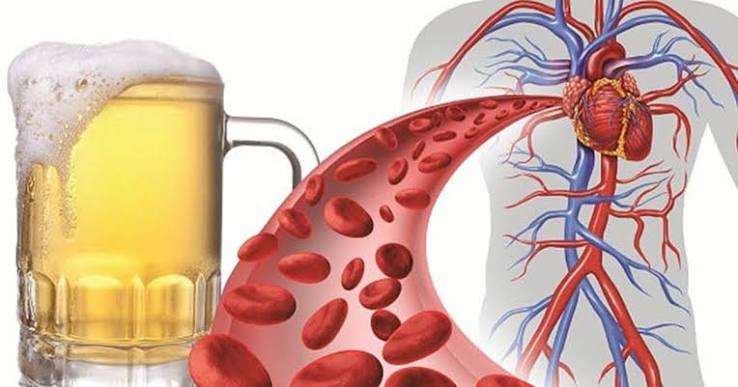
Alcohol is one of the most common and reversible causes of elevated blood pressure. Unlike some cardiovascular risk factors that accumulate over decades and cannot be undone, the blood pressure effects of alcohol respond relatively quickly when intake is reduced — often within two to four weeks.
Research estimates that alcohol consumption contributes to approximately 16 percent of hypertension cases in men and a significant proportion in women. Yet many people who drink regularly are unaware that their habit may be one of the primary drivers of elevated readings. Understanding the relationship between alcohol and blood pressure — including how much is too much, why the effect occurs, and what reducing intake can do — gives people concrete information to act on.
How Alcohol Raises Blood Pressure
Alcohol raises blood pressure through several simultaneous pathways, which is part of why the effect is both significant and consistent across populations.
Sympathetic nervous system activation. Alcohol stimulates the release of adrenaline and noradrenaline, the same stress hormones released during a fight-or-flight response. These hormones increase heart rate and constrict blood vessels, raising blood pressure directly.
Cortisol elevation and sodium retention. Alcohol raises cortisol levels, which prompts the kidneys to retain sodium. More sodium in the bloodstream draws in more fluid, increasing blood volume and pressure.
Baroreceptor blunting. Baroreceptors are sensors in major arteries that detect blood pressure changes and signal the body to self-correct. Chronic heavy drinking desensitizes these sensors, reducing the body’s ability to regulate blood pressure automatically.
Endothelial dysfunction. The inner lining of blood vessels produces nitric oxide, which causes vessels to relax and widen. Chronic alcohol use reduces nitric oxide availability, impairing vasodilation and keeping vessels in a more constricted state.
Weight gain. Alcohol contains 7 calories per gram — almost as many as fat. Regular drinking contributes to weight gain, and excess weight is itself a major independent driver of elevated blood pressure.
The Dose-Response: How Much Matters
The relationship between alcohol and blood pressure is dose-dependent — the more alcohol consumed, the greater the blood pressure effect. This relationship has been documented across dozens of studies.
Light drinking (less than one drink per day): The blood pressure effect at this level is minimal and debated. Some earlier studies suggested light drinking might slightly lower blood pressure, but more recent analyses have cast doubt on this finding.
Moderate drinking (one to two drinks per day): Associated with a systolic blood pressure elevation of 2 to 4 mmHg on average. While this may seem small for an individual, it represents a meaningful effect when sustained over months and years.
Heavy drinking (three or more drinks per day): Produces consistent systolic BP increases of 5 to 10 mmHg and diastolic increases of 3 to 4 mmHg. This level of elevation is comparable to what many antihypertensive medications are prescribed to address.
Binge drinking (four or more drinks for women, five or more for men within two hours): Causes acute blood pressure spikes that can be dangerous. Research links binge drinking to substantially elevated stroke risk in the 24 hours following the episode.
A standard drink is defined as 14 grams of pure alcohol, equivalent to a 12-ounce regular beer, a 5-ounce glass of wine, or 1.5 ounces of distilled spirits.
Short-Term vs. Long-Term Effects on Blood Pressure
The timing of alcohol’s effects on blood pressure is more complex than a simple summary captures.
During and just after drinking: Blood pressure actually drops initially in the first few hours after drinking, as alcohol causes peripheral vasodilation — blood vessels widen temporarily. This is sometimes mistaken as evidence that alcohol is beneficial for blood pressure. However, this effect is short-lived.
Six to twelve hours after drinking: As alcohol is metabolized, the sympathetic nervous system response takes over, and blood pressure rises above pre-drinking baseline. This rebound effect explains why people who drink heavily in the evening often wake with elevated blood pressure readings the next morning.
Morning-after effect: Morning blood pressure measurements taken after a night of heavy drinking are often significantly elevated. This explains why some people feel their blood pressure is “fine” when measured at a clinic in the afternoon but have high readings at home in the morning.
Chronic effect: With regular heavy drinking, the sustained elevation becomes the new baseline. The body’s regulatory systems adapt to the chronic presence of alcohol and blood pressure rises accordingly.
Alcohol withdrawal: For people who have been drinking heavily for extended periods, stopping abruptly can cause severe and dangerous blood pressure spikes. Alcohol withdrawal is a medical condition that can include hypertensive crisis, seizures, and cardiovascular events. Anyone who has been drinking heavily should discuss cessation with a doctor before stopping suddenly.
Does Moderate Drinking Protect the Heart?
For decades, public health messaging included a nuanced point: moderate drinking — particularly red wine — might benefit cardiovascular health. This view shaped the perception that a glass or two per day could be acceptable or even protective. The science behind this claim has been substantially revised.
The J-curve hypothesis. Earlier observational studies found that light drinkers had lower rates of heart disease than both abstainers and heavy drinkers, producing a J-shaped curve when graphed. This was interpreted as evidence for a protective effect of moderate alcohol.
The abstainer bias problem. Later researchers identified a significant flaw in these studies: the non-drinker comparison group included former drinkers who had quit — often because of poor health. This made non-drinkers appear sicker than they actually were, artificially making light drinkers look healthier by comparison.
Updated consensus. The World Health Organization issued a statement in 2023 stating that there is no safe level of alcohol consumption. The American Heart Association’s updated advisory noted that the previous perception of cardiovascular benefit from light drinking was not supported by the strongest available evidence.
For blood pressure specifically, there is no established threshold of alcohol intake known to be safe. The safest blood pressure strategy is to minimize alcohol intake.
Who Is Most at Risk?
While heavy drinking raises blood pressure risk for everyone, certain groups are more vulnerable to the effects of alcohol on cardiovascular health.
Heavy regular drinkers. People drinking three or more drinks daily are at the highest risk of alcohol-related hypertension. The blood pressure effect is cumulative with years of heavy drinking.
Older adults. As the body ages, the liver metabolizes alcohol more slowly. The same amount of alcohol produces higher blood alcohol concentrations in a 65-year-old than in a 35-year-old, meaning the blood pressure effect is proportionally greater. Older adults are also more likely to be on medications that interact with alcohol.
Women. Women have proportionally less body water than men of similar weight, meaning alcohol is less diluted in the bloodstream. A woman drinking the same number of drinks as a man will have a higher blood alcohol concentration and a greater blood pressure response.
People on blood pressure medication. Alcohol interacts with virtually every class of antihypertensive medication. These interactions can cause unpredictable blood pressure changes — both dangerous drops and paradoxical spikes.
People with obstructive sleep apnea. Alcohol relaxes the throat muscles, worsening airway obstruction during sleep. Sleep apnea independently raises blood pressure through nocturnal oxygen desaturation. In people with both conditions, the combined effect is additive.
What Happens When You Cut Back
The blood pressure effect of alcohol is substantially reversible with reduction or cessation. This is one of the clearest examples of a lifestyle intervention with a predictable, measurable, and relatively rapid response.
Timeline of improvement. Most of the blood pressure benefit from reducing heavy drinking appears within two to four weeks. Blood pressure monitoring during this period shows a consistent downward trend in most people.
Magnitude of reduction. In people drinking three to six drinks per day who reduce to one to two drinks daily, average systolic blood pressure falls by 3 to 6 mmHg. In people who stop completely after heavy use, reductions of 5 to 8 mmHg systolic are typical within one month.
Complete abstinence vs. reduction. Complete cessation produces the largest blood pressure benefit, but even a reduction in heavy drinking without full abstinence yields meaningful improvement. Any reduction in intake from a heavy baseline is beneficial.
Limits of reversibility. Blood pressure elevation from heavy drinking is largely reversible in the short term. However, structural changes to arteries from decades of heavy use do not fully reverse with cessation. This is why early intervention matters more than later.
Practical Strategies for Reducing Alcohol Intake
Knowing that alcohol raises blood pressure is valuable; translating that knowledge into change is where many people find the difficulty.
Track intake honestly first. Many people underestimate how much they drink because social drinking norms normalize volume. A drink diary — even kept informally for one week — often reveals patterns that are not apparent otherwise.
Set a weekly limit before the week begins. Rather than trying to control intake one drink at a time in the moment, set a weekly maximum in advance and allocate it across planned occasions. Deciding in advance — when judgment is unimpaired — produces better outcomes than in-the-moment decisions.
Use alcohol-free substitutes strategically. Sparkling water with citrus, non-alcoholic beer, and mocktails address the social and habitual aspects of drinking without the blood pressure consequences. These work particularly well for situations where the habit of holding a drink is part of the social appeal.
Identify and modify trigger situations. Many people drink in response to specific contexts — after work, with certain friends, at sporting events. Modifying the context is often more effective than relying on willpower in the presence of the original cue.
Seek medical support for heavy drinking. For people drinking five or more drinks per day regularly, reducing alcohol is a medical process. Alcohol dependence requires proper management because withdrawal can cause dangerous blood pressure spikes, seizures, and other cardiovascular events. A doctor can provide medication-assisted withdrawal management and referral to appropriate support resources.
Alcohol and Blood Pressure Medications
Alcohol interacts with antihypertensive medications in ways that are both common and underappreciated. These interactions do not simply cancel each other out — they produce unpredictable effects that can be dangerous.
Diuretics. Diuretics lower blood pressure by increasing the kidneys’ excretion of sodium and fluid. Alcohol also has a diuretic effect. Combined, the two can produce significant dehydration and sudden blood pressure drops (orthostatic hypotension), particularly when standing up quickly. Falls and fainting are real risks, especially in older adults.
Beta blockers. Both alcohol and beta blockers slow the heart rate. Combining them can produce excessive slowing and significant hypotension. Beta blockers also mask some warning signs of hypoglycemia that alcohol can cause in people who have not eaten.
Calcium channel blockers. This class of medication works by relaxing blood vessel walls. Alcohol similarly dilates peripheral blood vessels. The combined vasodilation can cause a sharp and potentially dangerous drop in blood pressure, producing dizziness, flushing, and fainting.
ACE inhibitors and ARBs. These medications affect the renin-angiotensin system. The combination with alcohol can amplify dizziness and orthostatic hypotension — a sudden drop in blood pressure when moving from a seated or lying position to standing.
The practical implication is straightforward: if you are on any blood pressure medication, alcohol should be approached with caution, not treated as a neutral addition. Adjusting medication timing around drinking does not reliably prevent these interactions. Discuss your intake honestly with your prescribing physician.
The connection between alcohol and blood pressure is one of the clearest and most actionable relationships in cardiovascular risk management. Alcohol raises blood pressure through multiple mechanisms, the dose-response is well-established, and the effect is largely reversible when intake is reduced. Even a modest reduction from heavy drinking to moderate levels produces measurable blood pressure benefits within weeks. If your alcohol intake has been significant and you are considering stopping, talk with your doctor before doing so.
For related reading, see our articles on sleep and high blood pressure, stress and blood pressure, weight and blood pressure, and common causes of high blood pressure.
Alcohol and Sleep: A Hidden Blood Pressure Connection
Many people use alcohol as a sleep aid, believing it helps them fall asleep faster. While alcohol does reduce the time it takes to fall asleep initially, it significantly disrupts sleep quality in the second half of the night — and this sleep disruption is itself a driver of elevated blood pressure.
When alcohol is metabolized during the night, it causes a rebound arousal effect. Sleep becomes fragmented, REM sleep is suppressed, and the deeper restorative stages of sleep are shortened. People who drink in the evening often experience lighter, more disrupted sleep in the hours before waking — even if they do not remember waking fully.
This matters for blood pressure for several reasons:
- During normal deep sleep, blood pressure naturally drops 10 to 20 percent — a process called nocturnal dipping. Disrupted sleep blunts or eliminates this dip, meaning the cardiovascular system does not get its normal nightly recovery period.
- Poor sleep independently increases sympathetic nervous system activity, which raises daytime blood pressure.
- Sleep deprivation increases cortisol, which promotes sodium retention and raises blood pressure through the same mechanism alcohol does directly.
In people with obstructive sleep apnea — a condition where the airway partially collapses during sleep — alcohol worsens the obstruction by relaxing throat muscles. Sleep apnea already raises blood pressure significantly through repeated overnight oxygen desaturation episodes. Alcohol amplifies this effect.
The practical implication: alcohol consumed in the evening contributes to elevated blood pressure not just through its direct physiological effects, but also through the sleep disruption it causes. Reducing evening alcohol use often improves both sleep quality and morning blood pressure simultaneously.
Alcohol and Weight: The Indirect Blood Pressure Effect
Beyond its direct effects on vascular tone and the nervous system, alcohol raises blood pressure through its impact on body weight. This indirect pathway is often overlooked because the connection is less immediate and less visible than the acute effects.
Alcohol is calorie-dense at 7 calories per gram, higher than carbohydrates or protein (4 calories per gram) and approaching the density of fat (9 calories per gram). Regular alcohol consumption adds substantial calories without providing nutrients that contribute to satiety:
- A 12-ounce beer: approximately 150 calories
- A 5-ounce glass of wine: approximately 125 calories
- A margarita or mixed drink: 200 to 350 calories
Two drinks per day add 250 to 500 extra calories to daily intake. Over one year without compensatory reduction in food, this can translate to 20 to 50 pounds of weight gain — and each additional 10 pounds of body weight raises systolic blood pressure by approximately 4 to 5 mmHg independently.
Alcohol also specifically promotes visceral fat accumulation — fat stored around the abdominal organs — which is the most metabolically active and cardiovascularly harmful form of body fat. Visceral fat promotes insulin resistance and systemic inflammation, both of which contribute to higher blood pressure independently of total body weight.
When people reduce alcohol intake significantly, two benefits often occur simultaneously: the direct blood pressure effects of alcohol decrease, and body weight falls as caloric intake drops. These effects reinforce each other, producing blood pressure reductions larger than either effect alone would suggest.
Monitoring Blood Pressure During Alcohol Reduction
For people reducing alcohol intake as part of blood pressure management, home blood pressure monitoring provides valuable feedback on how quickly and how much the change is working.
The recommended approach is to measure blood pressure at a consistent time each day — ideally in the morning before food or drink, after five minutes of seated rest. Morning readings are the most informative because they reflect the overnight recovery period rather than recent activity or meal-related changes.
When reducing alcohol, most people see the most pronounced changes in their morning blood pressure. Readings taken the morning after a night with no drinking will typically be noticeably lower than readings taken after a night of heavy drinking. Tracking these over weeks shows the cumulative trend.
Keep a simple log: date, time of measurement, and reading. Bring this log to medical appointments. It provides far more useful information than a single clinic measurement and helps your doctor understand how your blood pressure responds to lifestyle changes over time.
If blood pressure remains elevated after four to six weeks of significant alcohol reduction, other causes — including medication effectiveness, salt intake, weight, sleep quality, and stress — should be assessed alongside the dietary change. Blood pressure management is rarely a single-variable problem, and alcohol reduction works best as part of a broader lifestyle approach. For more on lifestyle factors, see our article on common causes of high blood pressure and stress and blood pressure.
How Alcohol Compares to Other Blood Pressure Risk Factors
Understanding where alcohol ranks among blood pressure risk factors helps prioritize lifestyle changes. For heavy drinkers, alcohol reduction is often the single highest-yield modification available — yielding reductions comparable to starting a first-line antihypertensive medication.
Consider the typical blood pressure impact of common modifiable factors:
- Sodium reduction (from 3,400 mg to 1,500 mg/day): approximately 5 to 8 mmHg systolic reduction
- DASH diet: approximately 8 to 11 mmHg systolic reduction
- Regular aerobic exercise (30 min, 5 days/week): approximately 4 to 8 mmHg systolic reduction
- Weight loss (10 lbs): approximately 4 to 5 mmHg systolic reduction
- Alcohol reduction (from heavy to moderate): approximately 3 to 6 mmHg systolic reduction
- Complete alcohol cessation (from heavy use): approximately 5 to 8 mmHg systolic reduction
For heavy drinkers, alcohol reduction competes with or exceeds the effect of sodium reduction or weight loss. In people who are also obese, smoking, and sedentary, addressing multiple factors simultaneously produces additive effects — each intervention contributing its own reduction to the total.
The ACC/AHA 2017 hypertension guidelines recommend that patients with high blood pressure limit alcohol to no more than two drinks per day for men and one drink per day for women. For patients already on antihypertensive medication, reducing alcohol may improve medication effectiveness by removing a competing pressor stimulus.
Special Situations: Social Drinking, Cultural Norms, and Blood Pressure
For many people, alcohol consumption is deeply embedded in social and cultural contexts — work events, family celebrations, restaurant meals, or weekend relaxation routines. Acknowledging this reality is important because purely medical recommendations that ignore the social dimensions of drinking behavior have limited practical impact.
Several approaches help people manage alcohol intake in social settings without complete abstinence:
Alternate alcoholic and non-alcoholic drinks. Having a sparkling water between each alcoholic drink slows consumption rate, reduces total intake, and avoids conspicuousness at social events. Most people around you will not notice or care what is in your glass.
Choose lower-alcohol options. Light beers, wines with lower ABV (alcohol by volume), and spirits with larger mixers reduce total alcohol content per glass. Many restaurants now offer lower-alcohol wine options and non-alcoholic cocktail menus.
Eat before and during drinking. Food slows alcohol absorption and reduces peak blood alcohol concentration. Drinking on an empty stomach magnifies both the BP rebound effect and the overall physiological impact.
Communicate your choices simply. People are rarely as attentive to others’ drinking choices as social anxiety suggests. “I’m trying to cut back” or “I’m driving tonight” are socially accepted and rarely require further explanation.
Separate the habit from the value. Often what is valued is the social connection, the relaxation, or the ritual — not the alcohol itself. Identifying which part of the experience matters most helps redirect toward alternatives that provide the same benefit without the blood pressure cost.
These strategies are not about eliminating social drinking overnight but about reducing the blood pressure burden while maintaining a realistic relationship with alcohol in daily life. Even a reduction of one to two drinks per occasion, sustained over months, translates to a meaningful cumulative improvement in blood pressure and cardiovascular risk.
Really well-written article on alcohol and blood pressure: what the. The article answered questions I didn’t even know I had until I started reading. This is going into my health binder that I bring to every doctor’s visit.
Bookmarked this article on alcohol and blood pressure: what the immediately — going to reference it regularly. I have tried following advice from several sources but this is the most consistent with what my specialist told me. Looking forward to reading more articles from this website.
This is one of the clearest explanations of alcohol and blood pressure: what the I have found. The article answered questions I didn’t even know I had until I started reading. Looking forward to reading more articles from this website.
This breakdown of alcohol and blood pressure: what the is exactly what patients need before a specialist appointment. I appreciated how the article addressed both the clinical side and the practical adjustments. Forwarding this to others in my support group who are dealing with similar issues.
Bookmarked this article on alcohol and blood pressure: what the immediately — going to reference it regularly. The practical tips made this immediately actionable, not just theoretical. Thank you for making complex medical information accessible without dumbing it down.
Really well-written article on alcohol and blood pressure: what the. I especially valued the explanation of why these recommendations exist, not just what they are. Shared this with three friends who are dealing with related issues. Very useful resource.