
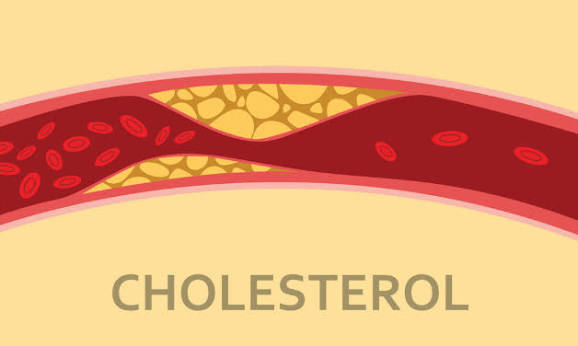
Cholesterol is one of the most commonly discussed topics in preventive health, yet most people have only a vague sense of what it actually is. The word carries an almost universally negative connotation — something to be avoided, reduced, feared. But that framing misses the essential picture.
What is cholesterol? It is a waxy, fat-like substance that your body produces and absolutely requires to function. Without cholesterol, you could not make cell membranes, produce hormones like estrogen and testosterone, synthesize vitamin D, or digest the fats in food. The problem is not cholesterol itself — it is what happens when certain types accumulate in the wrong places in amounts the body cannot manage.
This article explains what cholesterol is, what it does in the body, how it is measured, what pushes levels in the wrong direction, and what to do about it.
What Is Cholesterol?
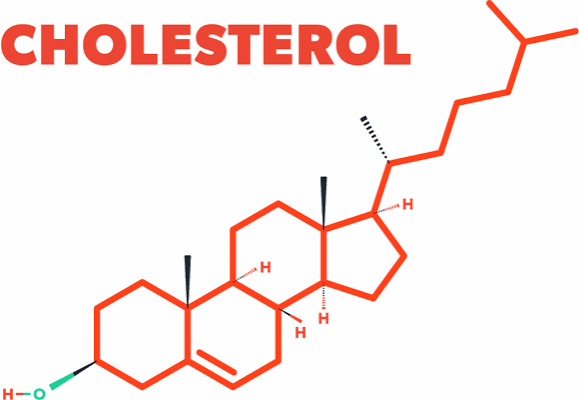
Cholesterol is a type of lipid — a fat-like molecule — that belongs to a family of compounds called sterols. It is found in every cell of the human body, embedded in cell membranes and circulating through the bloodstream as part of complex particles called lipoproteins.
Your liver produces roughly 75 percent of the cholesterol in your body. The remaining 25 percent comes from the food you eat — primarily animal products such as meat, dairy, and eggs. Plant foods contain no cholesterol, though they can contain saturated and trans fats that affect how much cholesterol the liver produces.
Cholesterol cannot dissolve in water or blood, which creates a transportation problem. To move through the bloodstream, cholesterol is packaged into lipoprotein particles — protein-coated spheres that carry lipids through the watery environment of blood. The type and balance of these lipoproteins is what determines whether cholesterol causes harm or not.
What Does Cholesterol Do in the Body?
Cholesterol is involved in several fundamental biological processes, which is why the body manufactures most of it internally regardless of diet.
Cell membrane structure. Every cell in your body is enclosed by a membrane made partly of cholesterol. Cholesterol molecules sit between the fatty acid chains in the membrane’s lipid bilayer, regulating how fluid and permeable the membrane is. Without adequate cholesterol, cell membranes become too rigid or too fluid to function correctly.
Hormone production. All steroid hormones are derived from cholesterol. This includes cortisol (the stress hormone), aldosterone (which regulates blood pressure and sodium balance), estrogen and progesterone (female sex hormones), and testosterone (male sex hormone). Remove cholesterol from the body and endocrine function collapses.
Vitamin D synthesis. When ultraviolet light from the sun hits the skin, it converts a cholesterol derivative (7-dehydrocholesterol) into vitamin D precursors. These are then processed by the liver and kidneys into active vitamin D, which is essential for calcium absorption, bone health, and immune function.
Bile acid production. The liver converts cholesterol into bile acids, which are stored in the gallbladder and released into the small intestine when fat is consumed. Bile acids emulsify dietary fat — breaking it into smaller droplets that digestive enzymes can process. This is how fat-soluble vitamins (A, D, E, K) are absorbed.
Myelin sheath. Cholesterol is a major component of myelin, the insulating layer wrapped around nerve fibers. Myelin allows nerve signals to travel quickly and efficiently — adequate cholesterol is particularly important in the developing brain.
LDL and HDL — The Two Types You Hear About Most
Because cholesterol cannot travel alone through the blood, it is packaged with proteins into lipoprotein particles. Different types of lipoproteins carry different proportions of cholesterol, triglycerides, and protein, and their behavior in the body differs significantly.
LDL (Low-Density Lipoprotein) carries cholesterol from the liver out to cells throughout the body. Most cells have LDL receptors that pull LDL particles in to extract cholesterol when needed. When LDL levels are too high, however, excess LDL particles circulate longer, penetrate artery walls, and trigger an inflammatory process that leads to atherosclerosis — a buildup of plaques inside the arteries.
LDL is commonly called “bad” cholesterol, though the label is an oversimplification. LDL serves a necessary function; the problem is excess quantity, particularly small dense LDL particles that penetrate artery walls more easily.
HDL (High-Density Lipoprotein) does the opposite. It collects cholesterol from tissues and arterial walls and transports it back to the liver, where it is recycled or excreted via bile. This reverse cholesterol transport process is protective — HDL essentially cleans up excess cholesterol from places where it would otherwise cause harm. High HDL levels are associated with lower cardiovascular risk; low HDL is an independent risk factor even when LDL is not dramatically elevated.
A useful mental model: LDL acts like a delivery truck bringing cholesterol to cells; HDL acts like a garbage truck picking up excess and returning it for disposal.
VLDL (Very Low-Density Lipoprotein) primarily carries triglycerides rather than cholesterol. As VLDL particles deliver triglycerides to tissues, they convert to LDL. Elevated VLDL (reflected in high triglyceride levels) contributes to cardiovascular risk independently and also increases the proportion of small dense LDL particles.
What Cholesterol Numbers Mean
Cholesterol is measured in milligrams per deciliter (mg/dL) through a blood test called a lipid panel. A standard lipid panel measures total cholesterol, LDL, HDL, and triglycerides.
LDL: <100 optimal | 100–129 near optimal | 130–159 borderline high | ≥190 very high
HDL: <40 mg/dL (men) / <50 mg/dL (women) = low | ≥60 mg/dL = protective
Triglycerides: <150 normal | 150–199 borderline | ≥200 high
These ranges are guidelines, not absolute thresholds. A person’s ideal LDL target depends on their overall cardiovascular risk — someone with diabetes, prior heart disease, or multiple risk factors has a stricter target than a low-risk individual. Non-HDL cholesterol — total cholesterol minus HDL — captures both LDL and VLDL and is increasingly recognized as a better predictor of cardiovascular risk than LDL alone.
What Raises Cholesterol Levels?
Multiple factors influence cholesterol levels, with diet and genetics being the most significant.
Saturated fat. Dietary saturated fat is the most powerful nutritional driver of elevated LDL cholesterol. Saturated fat reduces LDL receptor activity in the liver, meaning the liver clears less LDL from the blood. Major sources include fatty cuts of red meat, butter, full-fat dairy products, coconut oil, and palm oil.
Trans fat. Partially hydrogenated vegetable oils raise LDL and simultaneously lower HDL, making them particularly harmful. The FDA largely eliminated trans fats from the US food supply after 2018, but trace amounts persist in some processed foods.
Genetics. Familial hypercholesterolemia (FH) is a genetic condition caused by mutations in the LDL receptor gene that prevent the liver from adequately clearing LDL from the blood. It affects approximately 1 in 250 people and can cause LDL levels of 190 mg/dL or higher regardless of diet. FH is significantly underdiagnosed but responds well to statin therapy.
Medical conditions. Hypothyroidism slows LDL receptor activity. Chronic kidney disease disrupts lipid metabolism. Type 2 diabetes reduces HDL and increases small dense LDL. Obesity, particularly abdominal fat, impairs the liver’s lipid processing.
Lifestyle factors. Physical inactivity lowers HDL. Smoking directly lowers HDL and may oxidize LDL particles, making them more likely to cause arterial damage. Excess alcohol raises triglycerides.
What Lowers Cholesterol?
The same factors that raise cholesterol can be reversed, and several additional strategies have strong evidence for lowering LDL or raising HDL.
Soluble fiber. Soluble fiber — found in oats, barley, beans, lentils, apples, and psyllium husk — forms a gel in the digestive tract that binds bile acids and prevents them from being reabsorbed. The liver must convert more cholesterol into new bile acids to replace them, drawing LDL out of the blood. Consuming 5 to 10 grams of soluble fiber daily produces an LDL reduction of approximately 5 percent.
Unsaturated fats. Replacing saturated fat with monounsaturated (olive oil, avocados, almonds) or polyunsaturated fats (sunflower oil, walnuts, fatty fish) lowers LDL without reducing HDL. This substitution — not simply reducing total fat — is the dietary change with the strongest evidence for LDL reduction.
Plant sterols and stanols. These naturally occurring plant compounds compete with cholesterol for absorption in the intestine. Consuming 2 grams per day can reduce LDL by 5 to 15 percent.
Exercise. Regular aerobic exercise — even 30 minutes of moderate-intensity activity most days — raises HDL by 5 to 10 percent and modestly reduces LDL and triglycerides.
Weight loss. For overweight individuals, losing 5 to 10 percent of body weight improves the entire lipid profile — lowering LDL, triglycerides, and VLDL while raising HDL.
Medication. For people with significantly elevated LDL that does not respond adequately to lifestyle changes, statins are the most effective and best-evidenced pharmacological option. Statins block the enzyme used by the liver to produce cholesterol, causing liver cells to increase LDL receptor activity and pull more LDL out of the blood. Other medication options include ezetimibe (blocks intestinal cholesterol absorption) and PCSK9 inhibitors (greatly increase LDL receptor recycling).
How Is Cholesterol Measured?
Cholesterol is measured through a blood test called a lipid panel or lipid profile. Most clinical guidelines recommend a fasting sample — no food or caloric beverages for 9 to 12 hours before the test — because dietary fat temporarily raises triglyceride levels. However, non-fasting lipid panels are increasingly accepted for total cholesterol, LDL, and HDL measurements, which are less affected by recent food intake.
The American Heart Association recommends that adults have their cholesterol checked starting at age 20 and every four to six years if results are in the desirable range. After age 40, more frequent testing is recommended. People with known risk factors — diabetes, hypertension, family history of early heart disease, obesity — may need more frequent testing at any age.
Results are reported as a standard table with each lipoprotein type, total cholesterol, and triglycerides. The numbers are interpreted in the context of age, sex, blood pressure, smoking status, and other cardiovascular risk factors — not in isolation.
Why High Cholesterol Is a Silent Risk
High cholesterol does not cause symptoms. There is no headache, no chest tightness, no warning sign that your LDL is 190 mg/dL and atherosclerotic plaque is slowly accumulating in your coronary arteries. The process is slow, silent, and continuous — and the first clinical sign of significant arterial disease can be a heart attack or stroke.
This is why cholesterol testing is considered a preventive tool rather than a diagnostic one. By the time symptoms arise, the underlying disease is already advanced. Identifying elevated cholesterol through routine blood work — and addressing it through lifestyle change or medication — prevents the endpoint events that cholesterol management is designed to avoid.
The 94 million American adults with total cholesterol above 200 mg/dL include many who are unaware of their status. Closing the gap between elevated cholesterol and treatment is one of the most impactful goals in preventive cardiovascular medicine.
Cholesterol is not the villain it is often made out to be. It is a fundamental biological molecule that your body manufactures deliberately and uses for dozens of essential functions. The health concern is not the presence of cholesterol but the imbalance — too much LDL, too little HDL, and the plaque-building cascade that follows sustained elevation. Knowing your numbers through a simple lipid panel is where intelligent management begins.
For related reading, see our articles on LDL vs HDL cholesterol, total cholesterol: how to understand your results, what is a lipid panel, triglycerides and heart health, and causes of high cholesterol.
Cholesterol Across Life Stages
Cholesterol levels are not static — they shift predictably with age, sex, and hormonal status. Understanding these patterns helps interpret lab results in context rather than comparing a 55-year-old woman’s numbers to a 25-year-old man’s.
Children and adolescents. Elevated cholesterol is not exclusively an adult problem. The American Academy of Pediatrics recommends universal cholesterol screening between ages 9 and 11, and again between 17 and 21. Children with a family history of early cardiovascular disease or familial hypercholesterolemia should be screened earlier. Atherosclerosis begins in childhood — fatty streaks in artery walls have been observed in autopsies of adolescents, though overt disease typically does not manifest for decades.
Young adults. LDL tends to rise gradually through the twenties and thirties. For many people, the first cholesterol test in this period reveals levels that are already in the borderline range without any symptoms or awareness. Establishing baseline cholesterol levels early allows trend-tracking over time, which is more informative than a single measurement.
Middle age. After 40, cardiovascular risk accelerates and cholesterol management becomes more consequential. LDL levels in men tend to peak around ages 50 to 60. For women, estrogen provides some protection against LDL elevation before menopause — HDL tends to be higher and LDL lower in premenopausal women compared to age-matched men. After menopause, however, LDL rises significantly and the cardiovascular risk gap between men and women narrows substantially.
Older adults. In people over 75, the relationship between cholesterol and cardiovascular risk becomes less straightforward. Very low cholesterol in elderly individuals may reflect underlying frailty or malnutrition rather than a protective state. Treatment decisions in this population require nuanced individualized assessment rather than application of standard thresholds.
The Role of Diet in Cholesterol Management
The relationship between diet and cholesterol is more nuanced than the “avoid cholesterol-rich foods” advice that dominated for decades. Research since the 1990s has substantially refined the picture.
Dietary cholesterol is less important than once thought. For most people, consuming dietary cholesterol — the cholesterol found in foods like eggs, shellfish, and organ meats — has a relatively modest effect on blood cholesterol levels. The liver compensates by adjusting its own cholesterol production when dietary intake rises or falls. The 2015–2020 Dietary Guidelines for Americans removed the previous recommendation to limit dietary cholesterol to 300 mg per day because the evidence base did not support this specific threshold.
The exception is individuals classified as “hyper-responders” — roughly one-quarter of the population whose LDL levels rise more substantially in response to dietary cholesterol intake. For these individuals, limiting egg yolks, organ meats, and shellfish has more impact. Standard cholesterol testing cannot identify hyper-responders; it requires repeated testing across different dietary conditions.
Saturated fat matters more. The clearest dietary driver of LDL elevation is saturated fat, not dietary cholesterol itself. A diet high in saturated fat raises LDL by reducing liver LDL receptor activity — the mechanism by which the liver clears LDL from the blood. This is the strongest and most consistent finding in nutritional epidemiology related to cardiovascular risk.
Replacing, not just removing. The critical insight from decades of nutrition research is that what replaces saturated fat in the diet matters as much as the reduction itself. Replacing saturated fat with refined carbohydrates — white bread, sugar, white rice — does not improve cardiovascular risk and may worsen it by raising triglycerides and lowering HDL. Replacing saturated fat with unsaturated fats (olive oil, nuts, seeds, avocados, fatty fish) consistently reduces cardiovascular risk. This is the basis of the Mediterranean dietary pattern, which has among the strongest evidence of any dietary approach for cardiovascular disease prevention.
Fiber’s mechanism explained. Soluble fiber deserves additional detail because its cholesterol-lowering mechanism is both well-established and underappreciated. Oats contain beta-glucan, a particularly effective soluble fiber. In the intestine, beta-glucan dissolves into a viscous gel that traps bile acids — the cholesterol-derived detergents the liver produces to emulsify fat. Instead of being reabsorbed in the colon and recycled back to the liver, these bile acids are excreted. The liver must then synthesize new bile acids, pulling LDL cholesterol from the blood to do so. This is a direct, mechanistic LDL reduction that does not require any change in caloric intake or macronutrient balance.
Understanding Cholesterol Test Results: Beyond the Basic Numbers
A standard lipid panel provides four numbers — total cholesterol, LDL, HDL, and triglycerides. But cardiovascular risk assessment has grown more sophisticated, and additional measurements can add important context.
Non-HDL cholesterol is total cholesterol minus HDL, and it captures all cholesterol carried in atherogenic (artery-damaging) lipoproteins — not just LDL but also VLDL, IDL (intermediate-density lipoprotein), and Lp(a). Because non-HDL requires no special calculation and is available from a standard lipid panel, many guidelines now recommend it as the primary treatment target, particularly for people with high triglycerides where LDL calculation may be unreliable.
Apolipoprotein B (ApoB) measures the total number of atherogenic lipoprotein particles rather than their cholesterol content. Each atherogenic particle (LDL, VLDL, IDL) contains exactly one ApoB molecule, so ApoB directly counts the number of potentially harmful particles. This matters because particle number is often a better predictor of cardiovascular risk than particle cholesterol content — a person can have normal LDL cholesterol but an elevated number of small dense LDL particles, a pattern ApoB captures but standard LDL measurement misses.
Lipoprotein(a) — Lp(a) is a specific type of LDL particle with an additional protein (apolipoprotein(a)) attached. It is largely determined by genetics and is not substantially modified by diet or exercise. Elevated Lp(a) is an independent cardiovascular risk factor that affects approximately 20 percent of the global population. Current guidelines recommend measuring Lp(a) at least once in adult life, particularly in people with premature cardiovascular disease or a family history of it, since it can drive risk even when other cholesterol numbers appear normal.
Coronary artery calcium (CAC) score is not a cholesterol test, but it provides direct evidence of atherosclerosis by measuring calcified plaque in the coronary arteries. A non-zero CAC score indicates that arterial disease is already present regardless of cholesterol levels. Cardiologists increasingly use CAC scoring to refine treatment decisions in intermediate-risk patients for whom the benefit of statin therapy is uncertain.
Statins: What They Do and Don’t Do
Statins are among the most studied medications in the history of medicine. Decades of clinical trials involving hundreds of thousands of participants have established their efficacy and safety profile with unusual clarity.
What they do. Statins block HMG-CoA reductase, the enzyme responsible for the rate-limiting step in cholesterol synthesis in liver cells. When cholesterol production inside the liver cell falls, the cell compensates by producing more LDL receptors on its surface — increasing the liver’s capacity to pull LDL from the bloodstream. This mechanism explains both why statins lower LDL (more LDL cleared from blood) and why the effect is sustained (the cell’s compensatory response is ongoing).
Anti-inflammatory effects. Beyond lowering LDL, statins have pleiotropic (multi-target) effects including reduction of C-reactive protein and other inflammatory markers. This anti-inflammatory benefit contributes to cardiovascular risk reduction independently of LDL lowering, which is one reason statins reduce cardiovascular events somewhat more than would be predicted from LDL reduction alone.
Who benefits. The benefit of statins is greatest in people with established cardiovascular disease (secondary prevention) — those who have already had a heart attack, stroke, or have coronary artery disease. In this population, statins reduce the risk of recurrent events by approximately 25 to 35 percent over five years. In people without established cardiovascular disease (primary prevention), the benefit is real but smaller and must be weighed against the absolute risk level — treating someone with a low 10-year risk provides little benefit while treating someone with a high 10-year risk provides substantial benefit.
Common concerns. Muscle aches are the most frequently reported side effect, occurring in 5 to 10 percent of patients. Severe statin-induced myopathy (rhabdomyolysis) is rare. Statins modestly increase the risk of developing type 2 diabetes, particularly in people already predisposed — this risk is outweighed by cardiovascular benefits in most at-risk populations but factors into individualized decision-making. Liver toxicity from statins is exceedingly rare at doses used clinically, and routine liver enzyme monitoring is no longer recommended.
I shared this article on what is cholesterol? a clear guide with my doctor and they appreciated the level of detail. I have tried following advice from several sources but this is the most consistent with what my specialist told me. Looking forward to reading more articles from this website.
My cardiologist recommended I look into what is cholesterol? a clear guide and this article covered it perfectly. It is refreshing to see an article that acknowledges individual variation rather than giving one-size-fits-all advice. Appreciate the effort that went into researching and writing this — it shows.
Thank you for covering what is cholesterol? a clear guide so thoroughly without being overly technical. The article answered questions I didn’t even know I had until I started reading. Looking forward to reading more articles from this website.
I have been reading about what is cholesterol? a clear guide for weeks and this is the most thorough guide I found. I especially valued the explanation of why these recommendations exist, not just what they are. Thank you for making complex medical information accessible without dumbing it down.
Came across this while researching what is cholesterol? a clear guide for a family member. The specific numbers and thresholds mentioned are exactly what I needed to understand my results. Forwarding this to others in my support group who are dealing with similar issues.
I have been reading about what is cholesterol? a clear guide for weeks and this is the most thorough guide I found. I especially valued the explanation of why these recommendations exist, not just what they are. This is going into my health folder that I bring to every doctor’s visit.