
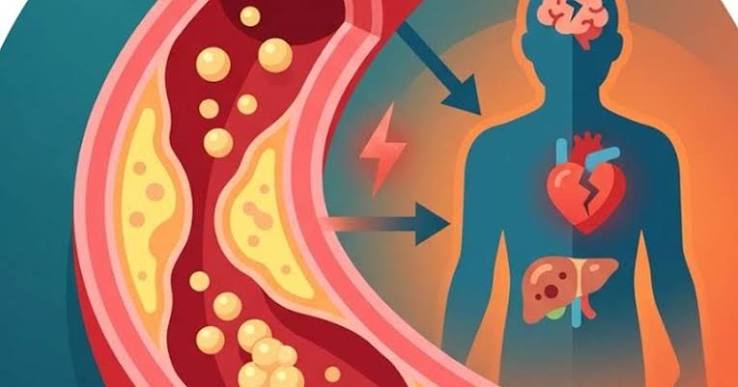
When people talk about cholesterol, they rarely mention triglycerides in the same breath. Yet every standard lipid panel includes a triglyceride measurement, and for good reason. Elevated triglycerides are a recognized independent risk factor for cardiovascular disease, closely linked to the same cluster of metabolic problems — insulin resistance, abdominal obesity, low HDL — that drives a significant portion of heart disease in adults.
Triglycerides and heart health are connected in ways that are both direct and indirect. Directly, high triglyceride levels signal that excess lipids are circulating in the blood in a form that can accumulate in artery walls. Indirectly, elevated triglycerides are often a reliable marker of metabolic dysfunction that worsens cholesterol composition and promotes atherosclerosis through multiple pathways simultaneously.
This article explains what triglycerides are, what your numbers mean, what drives them up, and what actually brings them down.
What Are Triglycerides?
Triglycerides are the most abundant fat in the human body and in food. The name describes their chemical structure: a glycerol molecule with three (tri) fatty acid chains attached. This compact structure makes triglycerides an efficient way to store energy — far more energy-dense than carbohydrates or protein.
After you eat, your digestive system breaks down dietary fat into fatty acids and glycerol, which are absorbed through the intestinal wall, reassembled into triglycerides, and packaged into large lipoprotein particles called chylomicrons. These chylomicrons deliver fatty acids to cells for immediate energy or to adipose tissue for storage.
The liver also produces triglycerides independently. When you consume more calories than your body currently needs — from carbohydrates, protein, fat, or alcohol — the liver converts the excess into triglycerides and packages them into VLDL (very low-density lipoprotein) particles. VLDL delivers triglycerides to tissues and, in the process, gets converted to smaller, denser particles — eventually becoming LDL. This is why very high triglyceride levels are often accompanied by elevated LDL and why controlling triglycerides is part of comprehensive cardiovascular risk management. For more on LDL’s role in cardiovascular disease, see our article on LDL vs HDL cholesterol.
Triglycerides circulating in the blood are measured after fasting because a meal can temporarily raise triglyceride levels by 50 to 100 mg/dL, which would distort the result.
Triglyceride Reference Ranges
Borderline high: 150–199 mg/dL
High: 200–499 mg/dL
Very high: ≥500 mg/dL — risk of acute pancreatitis
These categories reflect cardiovascular risk escalation as well as a distinct concern at the very high end. When triglycerides exceed approximately 500 to 1000 mg/dL, the risk of acute pancreatitis — inflammation of the pancreas that can be life-threatening — rises substantially. At levels above 1000 mg/dL, pancreatitis risk becomes the primary medical concern regardless of cardiovascular risk.
Cardiovascular risk associated with elevated triglycerides is meaningful in the borderline-to-high range (150 to 499 mg/dL), though the relationship is less direct than with LDL because triglycerides partly serve as a marker for other metabolic derangements.
How Triglycerides Affect Heart Health
The relationship between triglycerides and cardiovascular disease is real but mechanistically more complex than the LDL story.
Triglycerides as an independent risk factor. Large epidemiological studies — including the Framingham Heart Study — consistently show that elevated fasting triglycerides are associated with increased cardiovascular event rates, even after accounting for other risk factors. The association is particularly strong in women.
The LDL composition effect. The most mechanistically clear way that elevated triglycerides worsen cardiovascular risk is through their effect on LDL composition. When triglycerides are high, cholesterol ester transfer protein (CETP) exchanges triglycerides from VLDL for cholesterol esters from LDL. This produces LDL particles enriched in triglycerides and depleted of cholesterol — which are then processed into small, dense LDL particles that penetrate artery walls more easily and are more susceptible to oxidation. High triglycerides are therefore one of the primary drivers of atherogenic dyslipidemia.
Low HDL interaction. Triglycerides and HDL levels are inversely related — as triglycerides rise, HDL tends to fall through the same CETP-mediated exchange mechanism. The combination of high triglycerides with low HDL is considered particularly unfavorable from a cardiovascular risk perspective.
Non-HDL cholesterol captures triglyceride risk. Because elevated triglycerides increase VLDL-cholesterol levels, non-HDL cholesterol (total cholesterol minus HDL) captures both LDL and VLDL cholesterol — and is a better risk marker than LDL alone when triglycerides are elevated. This is one reason non-HDL has become a preferred treatment target for people with high triglycerides. To understand how all these numbers appear on a test, see our guide on what is a lipid panel.
What Causes High Triglycerides?
Multiple factors drive triglyceride elevation, and in most people it is a combination rather than a single cause.
Refined carbohydrates and added sugars. This is the most common and most underappreciated dietary driver. When you consume more carbohydrates than your body needs for immediate energy — particularly rapidly digested carbohydrates like white bread, rice, pasta, sugary beverages, and sweets — the liver converts the excess glucose to triglycerides via de novo lipogenesis. High-fructose corn syrup is particularly effective at stimulating hepatic triglyceride synthesis. This is why low-carbohydrate diets produce dramatic triglyceride reductions.
Alcohol. Even moderate alcohol consumption raises triglycerides in many people. When the liver metabolizes alcohol, it preferentially processes ethanol, producing byproducts that redirect fatty acid metabolism toward triglyceride synthesis rather than oxidation.
Physical inactivity. Regular aerobic exercise activates lipoprotein lipase — the enzyme that clears triglycerides from the blood — and improves insulin sensitivity, both of which lower circulating triglycerides.
Obesity and insulin resistance. Abdominal fat releases fatty acids directly into the portal circulation, promoting hepatic triglyceride synthesis. Insulin resistance impairs the suppression of VLDL production, meaning the liver continues releasing excess triglycerides even in a fasting state.
Medical conditions. Type 2 diabetes, hypothyroidism, chronic kidney disease, and liver disease all disrupt triglyceride metabolism. Several common medications also raise triglycerides: some beta-blockers, thiazide diuretics, oral estrogen (not transdermal), corticosteroids, and some antipsychotics.
Genetic factors. Familial hypertriglyceridemia and familial combined hyperlipidemia are inherited conditions that cause elevated triglycerides regardless of diet and typically require medication in addition to lifestyle modification.
What Lowers Triglycerides?
Triglycerides are among the most diet- and lifestyle-responsive lipid values — often more so than LDL — which means effective interventions are available and frequently produce meaningful results within weeks.
Reduce refined carbohydrates and added sugars. For most people with elevated triglycerides, this is the highest-impact single dietary change. Switching from white bread, rice, pasta, sugary snacks, and sweetened beverages to whole foods, vegetables, and legumes can reduce triglycerides by 30 to 50 percent or more in people with sugar-driven elevation.
Reduce or eliminate alcohol. In people whose elevated triglycerides are partly driven by alcohol, even significantly reducing intake produces noticeable improvement. Some people see triglyceride reductions of 50 percent or more from eliminating alcohol alone.
Omega-3 fatty acids. EPA and DHA suppress hepatic triglyceride synthesis and enhance clearance. Eating fatty fish two to three times per week provides meaningful amounts. Fish oil supplements at 2 to 4 grams of EPA + DHA daily produce triglyceride reductions of 20 to 50 percent. Prescription-strength EPA (icosapentaenoic acid, 4g daily — brand name Vascepa) was studied in the landmark REDUCE-IT trial and reduced major cardiovascular events by 25 percent in high-risk patients already on statins with triglycerides between 135 and 500 mg/dL.
Exercise. Aerobic exercise consistently reduces triglycerides by 20 to 30 percent through direct activation of lipoprotein lipase and improved insulin sensitivity. Even a single bout of moderate-intensity aerobic exercise produces measurable triglyceride reduction.
Weight loss. Losing 5 to 10 percent of body weight reliably reduces triglycerides by 20 to 30 percent through multiple mechanisms: reduced caloric surplus, improved insulin sensitivity, decreased hepatic fat, and increased lipoprotein lipase activity.
Medications. When lifestyle modifications are insufficient or triglycerides are very high: fibrates (fenofibrate, gemfibrozil) reduce triglycerides by 30 to 50 percent. Prescription omega-3 provides pharmaceutical-grade doses. Statins offer modest TG reduction (10–20%) in addition to their primary LDL-lowering effect.
The Alcohol-Triglyceride Connection
The relationship between alcohol and triglycerides deserves specific attention because it is commonly underestimated. Many people with moderately elevated triglycerides are consuming alcohol at levels — one to two drinks per day — considered “moderate” by cultural standards but that can substantially raise triglycerides in metabolically susceptible individuals.
The liver has no storage capacity for alcohol and must metabolize it immediately when present. This metabolic priority displaces normal fat oxidation. The byproducts of alcohol metabolism promote fat storage by shifting fatty acid metabolism away from burning and toward triglyceride synthesis. For someone with already elevated triglycerides due to insulin resistance, genetic predisposition, or diet, alcohol adds substantially to the burden.
Triglycerides in Metabolic Syndrome
Elevated triglycerides are one of the five defining criteria of metabolic syndrome — a cluster of interconnected metabolic abnormalities that substantially increase cardiovascular and diabetes risk. The five criteria are:
- Waist circumference ≥40 inches (men) or ≥35 inches (women)
- Triglycerides ≥150 mg/dL
- HDL <40 mg/dL (men) or <50 mg/dL (women)
- Blood pressure ≥130/85 mmHg
- Fasting glucose ≥100 mg/dL
Three or more of these criteria define metabolic syndrome. Elevated triglycerides combined with low HDL is the most common lipid pattern in metabolic syndrome and the pattern most strongly linked to the atherogenic small-dense LDL phenotype. A person with triglycerides of 180 mg/dL alongside otherwise normal metabolic markers faces a very different risk profile than someone with the same triglycerides plus all four other metabolic syndrome criteria.
When Triglycerides Require Medical Attention
Most people with borderline or mildly elevated triglycerides (150 to 300 mg/dL) can address the problem through lifestyle modification — reduced refined carbohydrates, less alcohol, more exercise, weight loss. Results are typically visible within four to eight weeks of consistent change.
When triglycerides persistently remain above 300 to 400 mg/dL despite lifestyle modification, medical evaluation and pharmacological treatment become more important. At levels above 500 mg/dL, the risk of acute pancreatitis becomes the primary concern, and levels in this range typically require prompt medication along with aggressive dietary intervention.
Any person with unexplained triglyceride elevation — particularly without an obvious dietary or lifestyle driver — should be evaluated for secondary causes: hypothyroidism, diabetes, kidney disease, liver disease, or medications. Treating the underlying condition often normalizes triglycerides without specific lipid-lowering intervention.
Triglycerides are not a footnote on a cholesterol panel — they are a meaningful window into how your body is handling energy, carbohydrates, and fat metabolism. Triglyceride improvement is often one of the earliest and most visible markers that lifestyle changes are working. For the complete picture of how triglycerides fit into your cholesterol results, see our articles on what is cholesterol, total cholesterol: how to understand your results, and causes of high cholesterol.
How the Body Regulates Triglycerides
Triglyceride metabolism involves a tightly regulated system that balances fat storage, energy release, and transport. Understanding the key players in this system helps explain why certain interventions work so effectively and why disruptions in one area cascade into problems in others.
Lipoprotein lipase (LPL). This enzyme sits on the inner surface of capillary walls in adipose tissue, muscle, and the heart. When VLDL or chylomicron particles pass by, LPL cleaves the triglycerides into fatty acids, which are then taken up by surrounding cells for energy or storage. LPL activity is the primary mechanism by which triglycerides are cleared from the blood after a meal or between meals. Insulin activates LPL in fat tissue, directing fatty acids into storage. Aerobic exercise dramatically increases LPL activity in muscle, which is why a single workout measurably reduces post-meal triglycerides within 24 hours.
Insulin and hepatic VLDL production. Insulin normally suppresses the liver’s production and secretion of VLDL. When insulin resistance develops — in type 2 diabetes, obesity, or metabolic syndrome — the liver loses this suppression signal and continues secreting VLDL at a high rate even during fasting. This is why people with insulin resistance can have elevated triglycerides even without eating a particularly high-fat or high-sugar diet on a given day.
Apolipoprotein C-III (ApoC-III). ApoC-III is a protein on the surface of triglyceride-rich lipoproteins that inhibits LPL activity and delays the clearance of VLDL and chylomicrons from the blood. People with genetic variants that result in lower ApoC-III levels have notably lower triglycerides and reduced cardiovascular risk. ApoC-III is emerging as a potential therapeutic target — drugs that inhibit ApoC-III production (including RNA-targeting therapies) are in development for treatment of very high triglycerides.
The postprandial state. After any meal containing fat, triglycerides rise in the blood as chylomicrons enter the circulation. In healthy individuals, these post-meal (postprandial) triglyceride peaks are cleared within four to six hours as LPL processes them. In people with metabolic syndrome, diabetes, or obesity, postprandial triglycerides rise higher and clear more slowly — meaning they spend more hours elevated after each meal. Since most people are in a postprandial state for the majority of waking hours, prolonged postprandial triglyceridemia represents a significant cumulative exposure that contributes to cardiovascular risk beyond what fasting measurements capture.
Reading Your Triglyceride Results in Context
A single triglyceride measurement tells only part of the story. Several contextual factors determine how to interpret a triglyceride result — and what to do about it.
Fasting versus non-fasting. Triglycerides fluctuate significantly with meals. A fasting triglyceride (9 to 12 hours without food or caloric beverages) is the standard for clinical decision-making. Non-fasting samples are acceptable for initial cholesterol screening that focuses on total cholesterol, HDL, and LDL, but a non-fasting triglyceride can easily read 100 to 200 mg/dL higher than a fasting measurement in the same person. If you have a non-fasting result that appears elevated, a fasting retest is appropriate before acting on it.
Recent diet and alcohol. A single night of heavy eating or drinking can substantially elevate fasting triglycerides the next morning. For accurate results, avoid alcohol for at least 24 to 48 hours before testing and avoid unusually large meals or high-fat foods the night before. Results taken after normal eating behavior are more representative of your usual metabolic state.
Trend over time versus a single value. Triglycerides respond to short-term changes in diet and activity more than other lipid values. A single elevated reading should prompt lifestyle evaluation but not necessarily alarm. Multiple elevated readings on separate occasions provide more meaningful information about the underlying metabolic state. Following triglycerides over time — as diet, exercise, weight, and health conditions change — is more informative than reacting to any one data point.
The other numbers on the panel. Triglycerides should always be interpreted alongside HDL, LDL, and total cholesterol. Triglycerides of 180 mg/dL in a person with HDL of 65 mg/dL and normal LDL is a different clinical picture than triglycerides of 180 mg/dL with HDL of 35 mg/dL, small dense LDL, and fasting glucose of 105 mg/dL. The constellation matters, not the single number. For a guide to interpreting the complete lipid panel, see our article on what is a lipid panel.
Triglycerides in Special Populations
Pregnancy. Triglycerides naturally rise substantially during pregnancy, typically reaching two to four times the pre-pregnancy baseline by the third trimester. This is a normal physiological process that provides fuel for fetal development. However, women with pre-existing hypertriglyceridemia before pregnancy may reach dangerously high levels that require monitoring. Pregnant women with triglycerides above 500 mg/dL face elevated pancreatitis risk and require specialist management.
Older adults. Triglyceride levels tend to rise with age, partly reflecting the increased prevalence of insulin resistance, reduced physical activity, and metabolic syndrome in older populations. In people over 75, the independent cardiovascular contribution of mildly elevated triglycerides is less certain, and treatment decisions should focus on overall cardiovascular risk reduction rather than aggressive triglyceride-specific interventions.
Women with polycystic ovary syndrome (PCOS). PCOS is associated with insulin resistance and elevated triglycerides at rates higher than age-matched controls. Because PCOS also increases the risk of type 2 diabetes and metabolic syndrome, women with PCOS often benefit from early lipid assessment and proactive lifestyle management targeting triglycerides alongside blood sugar and weight.
Children and adolescents. Elevated triglycerides in young people almost always reflect diet and lifestyle factors — particularly high sugar intake and physical inactivity — rather than genetic conditions, though familial hypertriglyceridemia does occur. Pediatric guidelines recommend triglyceride screening as part of universal lipid assessment between ages 9 and 11. Lifestyle modification through dietary change and increased exercise is the primary and highly effective intervention in this age group.
The REDUCE-IT Trial and Omega-3 for Cardiovascular Prevention
The 2018 REDUCE-IT trial deserves more than a passing mention because it significantly changed practice guidelines for people with elevated triglycerides despite statin therapy.
The trial enrolled over 8,000 patients who had either established cardiovascular disease or diabetes plus at least one additional risk factor, were taking statins, and had triglycerides between 135 and 499 mg/dL. Participants were randomized to either icosapentaenoic acid (EPA-only omega-3, 4 grams daily — brand name Vascepa/Epanova) or a mineral oil placebo.
After a median follow-up of 4.9 years, the EPA group had a 25 percent relative risk reduction in major cardiovascular events (heart attack, stroke, cardiovascular death, hospitalization for unstable angina or revascularization). The absolute risk reduction was 4.8 percentage points — a number needed to treat of 21 to prevent one major cardiovascular event over five years, which is comparable to or better than many widely used medications.
The mechanism of benefit in REDUCE-IT may not be solely through triglyceride lowering — the LDL-C in the EPA group actually rose slightly, while events fell. Anti-inflammatory effects of EPA, membrane stabilization effects, and other mechanisms may contribute. The trial used pure EPA, not a combination of EPA and DHA, and it remains uncertain whether DHA-containing fish oil preparations produce the same cardiovascular benefit at the same dose — a matter of ongoing research and debate.
What REDUCE-IT confirmed is that for people with elevated triglycerides on statins who remain at high cardiovascular risk, high-dose prescription EPA is a meaningful additional option beyond lifestyle modification. This finding elevated the clinical importance of triglyceride measurement and management from a secondary consideration to a primary treatment target in high-risk patients.
Putting Triglycerides in Perspective
Triglycerides are not a single isolated risk factor — they are part of a metabolic web that includes LDL composition, HDL function, blood sugar regulation, blood pressure, and body weight. The interventions that lower triglycerides — reducing refined carbohydrates, eliminating excess alcohol, exercising regularly, and losing weight — are the same interventions that improve every other component of this web simultaneously. They work together because they address the same root cause: excess caloric load that overwhelms the body’s ability to process and store energy normally.
This is the practical message to take from understanding triglycerides and heart health. You do not need separate strategies for each lipid value. A Mediterranean-style dietary pattern that is low in added sugar, high in vegetables and legumes, rich in unsaturated fats, and includes fatty fish two to three times per week consistently improves triglycerides, LDL composition, HDL levels, blood pressure, and blood sugar simultaneously. Regular aerobic exercise and modest weight loss amplify every one of these benefits.
A lipid panel that includes a triglyceride result is giving you information about the entire metabolic system — not just one number. Using that information to guide targeted lifestyle change, and discussing medication when lifestyle alone is not enough, is how the triglyceride measurement translates into meaningful cardiovascular risk reduction.