
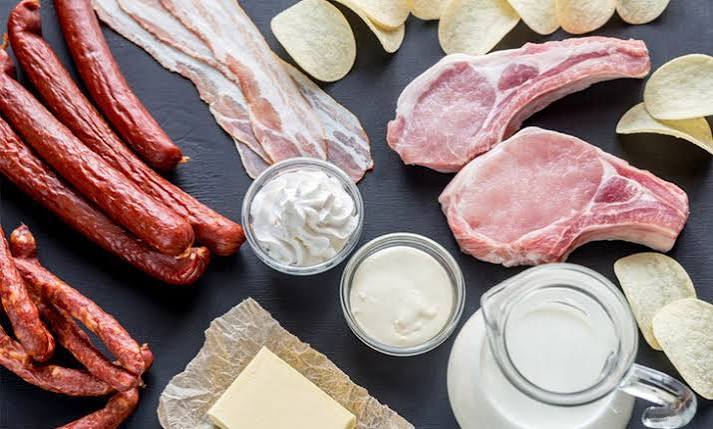
Of all the dietary factors that influence LDL cholesterol, saturated fat has the largest and most consistent effect in clinical research. More than dietary cholesterol (from eggs or shellfish). More than total fat intake. More than specific foods that are often demonized or promoted in popular nutrition coverage. When it comes to what you eat and how it affects your LDL, the relationship between saturated fat and cholesterol is the most evidence-backed connection in nutritional cardiology.
This matters practically because it means that reducing saturated fat intake is the most impactful single dietary change most people can make to lower LDL. It also matters conceptually because understanding why saturated fat raises LDL — the molecular mechanism, not just the correlation — helps make sense of why certain dietary changes work and others don’t.
This article explains what saturated fat is, how it raises LDL at the cellular level, which foods contribute the most, how much intake is considered problematic, and — critically — what the evidence says about what to replace saturated fat with for cardiovascular benefit.
What Is Saturated Fat?
Fatty acids are the building blocks of dietary fats. They consist of chains of carbon atoms bonded to hydrogen atoms, with a carboxyl group at one end. What distinguishes saturated from unsaturated fats is the presence or absence of double bonds between carbon atoms.
Saturated fatty acids have no double bonds — every carbon in the chain is bonded to the maximum number of hydrogen atoms (“saturated” with hydrogen). This gives them a straight, rigid molecular structure that allows them to pack tightly together — which is why saturated fats are typically solid at room temperature (butter, lard, coconut oil).
Unsaturated fatty acids have one (monounsaturated) or more (polyunsaturated) double bonds, creating kinks in the carbon chain that prevent tight packing — which is why unsaturated fats are liquid at room temperature (olive oil, sunflower oil, fish oil).
The major dietary sources of saturated fat are:
- Animal sources: fatty red meat (beef, lamb, pork), processed meat (bacon, sausage, salami, hot dogs), butter, lard, tallow, full-fat dairy products (hard cheese, whole milk, cream, ice cream, full-fat yogurt), and skin-on poultry
- Plant sources: coconut oil (~90% of fat content is saturated — the highest of any common cooking fat), palm kernel oil (~80%), palm oil (~50%)
Not all saturated fatty acids are identical in their biological effects. The most LDL-raising saturated fats are palmitic acid (C16, the most abundant SFA in the Western diet, found in palm oil and red meat) and myristic acid (C14, found in butter and coconut oil). Stearic acid (C18, the dominant SFA in beef tallow and cocoa butter) is an important exception — it is relatively neutral with respect to LDL because the liver rapidly converts it to oleic acid (the monounsaturated fatty acid dominant in olive oil). This is one reason why dark chocolate, despite being high in total saturated fat, has a more benign effect on LDL than its saturated fat content might suggest.
Saturated Fat and Cholesterol — How Saturated Fat Raises LDL
The relationship between saturated fat and cholesterol is not merely an association — it is a well-characterized molecular mechanism.
The liver’s primary means of clearing LDL from the bloodstream is through LDL receptors (LDLRs) — membrane proteins on hepatocytes (liver cells) that bind LDL particles, internalize them, and remove them from circulation. The number of functional LDLRs on hepatocyte surfaces directly determines how efficiently the liver clears LDL: more LDLRs → faster clearance → lower circulating LDL.
Saturated fatty acids — particularly palmitic and myristic acids — suppress the expression of LDL receptors in the liver. Specifically, they reduce the transcriptional activity of SREBP-2 (sterol regulatory element-binding protein 2), the key transcription factor that drives LDLR gene expression. With fewer LDLRs expressed on hepatocyte surfaces, the liver clears LDL from the blood more slowly — and circulating LDL levels rise.
This mechanism is the same pathway that statins exploit in the opposite direction. Statins inhibit HMG-CoA reductase (the rate-limiting enzyme in cholesterol synthesis), reducing endogenous cholesterol production. The liver, sensing lower intracellular cholesterol, upregulates SREBP-2 and increases LDLR expression — clearing more LDL from the blood. Saturated fat suppresses this same pathway, working in opposition to the liver’s LDL-clearing machinery.
The quantitative relationship was characterized by Ancel Keys and Mark Hegsted in the 1960s through carefully controlled metabolic feeding studies. Their equations predict that approximately each 1 percent of total dietary calories shifted from saturated fat to unsaturated fat reduces LDL cholesterol by approximately 2 mg/dL. This prediction has been replicated in modern metabolic ward studies and is consistent across most clinical dietary intervention data.
For context: the average American consumes approximately 11 to 12 percent of total calories from saturated fat. The AHA recommends less than 6 percent of total calories from saturated fat for people with elevated cardiovascular risk (and less than 10 percent for healthy adults). Closing the gap from 12 percent to 6 percent of calories — a reduction of 6 percentage points — would predict approximately a 12 mg/dL LDL reduction in someone at average US intake, all else equal.
Which Foods Are Highest in Saturated Fat?
Understanding the saturated fat content of common foods helps identify where the most impactful reductions can be made. The major contributors in the average Western diet are:
Red meat and processed meat. A 3-ounce serving of 80% lean ground beef contains approximately 7 grams of saturated fat; the same size serving of fatty ribeye steak contains approximately 10 to 12 grams. Processed meats — bacon, sausage, salami, pepperoni, hot dogs — are simultaneously high in saturated fat, sodium, and other compounds associated with cardiovascular risk. Two strips of cooked bacon contain approximately 4 grams of saturated fat; two ounces of salami contain approximately 7 to 8 grams.
Full-fat dairy products. This category includes some of the most concentrated saturated fat sources in the typical diet. One ounce of cheddar cheese contains approximately 6 grams of saturated fat; a tablespoon of butter contains approximately 7 grams; one cup of whole milk contains approximately 5 grams; one cup of ice cream contains approximately 9 grams. Because dairy products are consumed frequently and in quantity, they often represent the single largest category of saturated fat in a person’s diet — larger than red meat for many Americans.
Tropical plant oils. Coconut oil contains approximately 12 grams of saturated fat per tablespoon — more than butter — making it one of the most concentrated dietary sources of saturated fat by volume. Palm kernel oil is similarly high at approximately 11 grams per tablespoon. Palm oil (used extensively in processed foods and commercially produced baked goods) contains approximately 6.7 grams of saturated fat per tablespoon. Unlike animal fats, these tropical oils contain no cholesterol — but their saturated fatty acids still raise LDL through the receptor-suppression mechanism described above.
Poultry with skin. Removing the skin from chicken or turkey dramatically reduces saturated fat content: a 3-ounce serving of roasted chicken breast with skin contains approximately 3.3 grams of saturated fat; without skin, approximately 1 gram.
Commercial baked goods and processed snacks. Crackers, cookies, pastries, croissants, and similar products made with butter, palm oil, or (historically) partially hydrogenated oils contain significant saturated fat. Reading nutrition labels for saturated fat per serving — rather than relying on general food category assumptions — is important in this category.
The Coconut Oil Question
Coconut oil has been promoted in wellness communities as a “heart-healthy” fat — a claim based primarily on its MCT (medium-chain triglyceride) content and its effect on HDL cholesterol. The scientific evidence tells a more complicated and less favorable story.
Coconut oil is approximately 90 percent saturated fat by fatty acid content — the highest of any commonly used cooking fat. Its dominant fatty acid is lauric acid (C12), which comprises approximately 47 percent of coconut oil’s fat content. Lauric acid is classified as a medium-chain saturated fatty acid and has distinct metabolic behavior compared to long-chain SFAs — it is absorbed more rapidly and is partly used for immediate energy rather than storage.
In terms of its effect on LDL cholesterol, lauric acid behaves similarly to other LDL-raising saturated fatty acids: it increases LDL. It also increases HDL. The net effect on LDL has been quantified in meta-analyses: compared to liquid vegetable oils, coconut oil raises LDL cholesterol by approximately 10 mg/dL on average.
The argument that coconut oil is protective because it raises HDL misses a critical distinction: raising HDL pharmacologically — including with niacin and CETP inhibitors — has consistently failed to reduce cardiovascular events in large randomized trials. This suggests that HDL concentration is a risk marker, not a causal protective factor that benefits from being artificially elevated. The same logic applies to coconut oil’s HDL-raising effect.
The American Heart Association’s 2017 Presidential Advisory on dietary fats explicitly stated that it does not recommend replacing unsaturated plant oils with coconut oil for cardiovascular risk reduction, based on its LDL-raising effects and the absence of evidence of cardiovascular benefit. The current scientific consensus: coconut oil raises LDL and should not be marketed as a substitute for unsaturated fats from a cardiovascular standpoint.
How Much Saturated Fat Is Too Much?
The answer depends on your overall cardiovascular risk profile and — critically — what you replace the saturated fat with.
American Heart Association guidelines:
- For people with high cardiovascular risk (elevated LDL, existing heart disease, diabetes, high blood pressure): aim for saturated fat below 6 percent of total calories
- For healthy adults without elevated cardiovascular risk: below 10 percent of total calories
- The 2020–2025 Dietary Guidelines for Americans: limit saturated fat to less than 10 percent of total calories
On a 2,000-calorie diet:
- 6% = approximately 13 grams of saturated fat per day
- 10% = approximately 22 grams per day
The average American consumes approximately 26 to 27 grams of saturated fat per day — exceeding both thresholds.
A practical way to interpret these numbers: a single tablespoon of butter (7g), plus one ounce of cheddar cheese (6g), plus a small serving of ground beef (7g) already totals 20 grams of saturated fat — close to the maximum for healthy adults and approaching twice the recommended limit for high-risk individuals.
What the Evidence Shows About Replacing Saturated Fat
Perhaps the most important and frequently misunderstood aspect of the saturated fat and cholesterol relationship is that what you replace saturated fat with matters as much as how much you reduce it.
This was the critical nuance missing from some high-profile meta-analyses (most notably Siri-Tarino 2010 and Chowdhury 2014) that initially suggested saturated fat intake was not associated with cardiovascular events. These studies were comparing saturated fat intake to whatever else people ate — which, in the typical Western diet, is largely refined carbohydrates and sugar. When saturated fat is replaced with refined carbohydrates (white bread, sugary beverages, white rice), there is no cardiovascular benefit and potentially harm through raised triglycerides and small dense LDL.
When the comparison is appropriately structured — saturated fat replaced with polyunsaturated or monounsaturated fat — the benefit is robust:
Saturated fat → polyunsaturated fat (PUFA): Replacing saturated fat with polyunsaturated fat (vegetable oils, nuts, fatty fish) reduces LDL cholesterol and reduces cardiovascular events. A meta-analysis of randomized controlled trials found approximately a 17 percent reduction in cardiovascular events for each 5 percentage points of calories shifted from SFA to PUFA. This is one of the most consistent findings in nutritional epidemiology.
Saturated fat → monounsaturated fat (MUFA): Replacing saturated fat with monounsaturated fat (olive oil, avocado, most nuts) reduces LDL cholesterol. The cardiovascular event reduction data are less definitive from randomized trials, but the PREDIMED trial — which specifically promoted extra-virgin olive oil as the primary fat source — showed a 30 percent reduction in major cardiovascular events compared to a low-fat control diet.
Saturated fat → refined carbohydrates: No benefit; potential harm through increased triglycerides and small dense LDL. Low-fat diets that replace fat with refined carbohydrates do not reduce cardiovascular risk.
Saturated fat → whole grain carbohydrates: Modest benefit, primarily through the fiber content of whole grains reducing LDL via bile acid binding.
Practical Steps to Reduce Saturated Fat and Improve Cholesterol
Translating the science into daily food decisions is where most people need the most help. The following practical changes address the highest-saturated-fat contributors for most people and replace them with foods that provide cardiovascular benefit.
Dairy substitutions. Switching from full-fat to lower-fat dairy products is one of the simplest changes with meaningful saturated fat impact. Whole milk to low-fat (1%) or skim: saves approximately 3 to 4 grams of saturated fat per cup. Full-fat cheddar to part-skim mozzarella: saves approximately 2 to 3 grams per ounce. Full-fat Greek yogurt to low-fat: saves 4 to 5 grams per 200g serving. Replacing butter with extra-virgin olive oil in cooking is one of the most impactful single changes: each tablespoon saves approximately 6 grams of saturated fat while adding beneficial oleic acid and polyphenols.
Meat choices. Choosing leaner cuts of beef (sirloin, tenderloin, 93% lean ground beef) reduces saturated fat substantially compared to ribeye, T-bone, or 80% lean ground beef. Removing skin from poultry eliminates most of the poultry’s saturated fat. Replacing some red meat servings with fatty fish (salmon, mackerel) simultaneously reduces saturated fat and adds omega-3 fatty acids with triglyceride-lowering benefits. Replacing other meat servings with legumes (beans, lentils) reduces saturated fat while adding cholesterol-lowering soluble fiber — a doubly beneficial substitution.
Cooking oil switches. Replacing butter and coconut oil with extra-virgin olive oil, canola oil, or avocado oil for cooking eliminates high-saturated-fat cooking fats and substitutes unsaturated fat. This change is particularly impactful for people who use significant amounts of added fat in cooking.
Processed food awareness. Commercial baked goods, crackers, pastries, and many processed foods contain palm oil or butter as primary fat sources. Reading nutrition labels for saturated fat content per serving and choosing alternatives with lower saturated fat (or making home versions with olive oil) reduces unnoticed saturated fat consumption.
For more on the dietary pattern that integrates these changes most effectively, see our guide to foods that help lower cholesterol. For the other dietary fat that negatively affects cholesterol — trans fat — see trans fat and heart health. For the broader context of what raises LDL beyond diet, see causes of high cholesterol. For understanding what your cholesterol numbers mean, see LDL vs HDL cholesterol and what is cholesterol.
Sources
American Heart Association — Dietary Fats (heart.org) | National Heart, Lung, and Blood Institute — Heart-Healthy Eating (nhlbi.nih.gov) | Centers for Disease Control and Prevention — Preventing Heart Disease (cdc.gov) | Sacks FM et al. (AHA Presidential Advisory on Dietary Fats). Circulation 2017;136:e1–e23 | Estruch R et al. (PREDIMED). NEJM 2013/2018 | Hooper L et al. (Cochrane Review: Reduction in Saturated Fat). Cochrane Database 2020
Saturated Fat vs. Dietary Cholesterol — Two Different Things
Saturated fat and dietary cholesterol are frequently conflated in public health messaging — and that conflation has caused considerable confusion about which foods actually raise LDL and by how much. They are distinct compounds with different effects on cholesterol metabolism, and understanding the distinction changes how you think about certain foods.
Dietary cholesterol (found in egg yolks, shellfish, organ meats, and fatty meats) is a sterol consumed directly from food. Saturated fat is a fatty acid that does not contain cholesterol itself. Both can influence LDL cholesterol, but through different mechanisms and with different magnitudes of effect.
The effect of dietary cholesterol on blood LDL is highly variable between individuals. Approximately 25 percent of people are “hyper-responders” — their LDL rises meaningfully when dietary cholesterol intake increases. The other 75 percent show minimal LDL change because the liver compensates by reducing endogenous cholesterol synthesis when dietary cholesterol is high. This compensatory mechanism is why the 2020–2025 Dietary Guidelines for Americans removed the previous “300 mg/day” limit on dietary cholesterol — recognizing that for most people, dietary cholesterol (particularly from eggs) does not raise LDL as substantially as saturated fat does.
Saturated fat, by contrast, raises LDL through the LDLR suppression mechanism described earlier, and this effect is consistent across most people — not just 25 percent of the population. This is why the current scientific evidence considers saturated fat reduction more impactful than dietary cholesterol restriction for most people.
The practical implication: an egg fried in butter is more of a cholesterol concern than a plain egg, because the butter’s saturated fat suppresses LDL receptor expression while the egg’s dietary cholesterol adds a smaller, variable effect on top. A person with high LDL benefits more from switching from butter to olive oil than from eliminating eggs entirely.
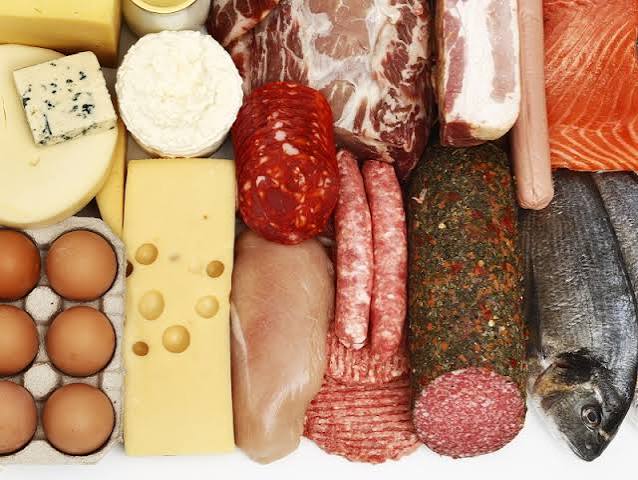
This also explains why whole-food animal protein sources (lean chicken, fish, even lean beef) can be included in a cholesterol-lowering diet if their saturated fat content is controlled — the animal protein and dietary cholesterol they contain are less problematic than the saturated fat that accompanies fattier preparations and cuts.
Individual Variation, Genetics, and Saturated Fat Response
While the average LDL response to saturated fat reduction is predictable from the Keys equation, individual responses vary considerably. Understanding why helps explain why two people can eat the same diet and have dramatically different cholesterol levels.
Familial hypercholesterolemia (FH) is the most important genetic factor in LDL response. FH is caused by mutations in the LDLR gene itself (or related genes including APOB and PCSK9) that reduce LDL receptor function even in the absence of dietary saturated fat. People with FH have LDL levels 2 to 4 times the population average and respond less robustly to dietary saturated fat reduction — because their LDL is elevated primarily by genetics, not diet alone. Dietary change is still beneficial but insufficient as a sole treatment. FH affects approximately 1 in 250 people and is significantly underdiagnosed. If your LDL remains very high (above 190 mg/dL) despite a genuinely low-saturated-fat diet, FH should be ruled out with genetic testing.
APOE genotype is the most studied common genetic variant affecting LDL response to dietary fat. The APOE e4 allele (carried by approximately 25 percent of the population) is associated with greater LDL elevation in response to saturated fat intake — people with APOE e4 tend to benefit more from saturated fat reduction than those with APOE e3 or e2 genotypes. APOE e4 is also associated with increased Alzheimer’s disease risk, which has prompted research into dietary modification as a potential neuroprotective strategy in carriers. Genetic testing can identify APOE genotype, though routine clinical testing is not yet standard.
Baseline LDL and insulin sensitivity also modulate the response to saturated fat reduction. People with higher baseline LDL and those with insulin resistance tend to show larger absolute LDL reductions from saturated fat restriction — in part because higher starting LDL reflects greater dependence on LDLR for clearance, and in part because insulin resistance amplifies the metabolic consequences of saturated fat intake through altered hepatic fat metabolism.
For most people without identified genetic factors, the dietary interventions described in this article — reducing saturated fat to below 10 percent of calories and replacing it with unsaturated fats — represent the most evidence-backed dietary approach to LDL management. For those with FH or particularly high LDL despite dietary adherence, these dietary changes remain valuable but are typically combined with statin therapy, which powerfully upregulates LDLR expression and complements dietary strategies rather than replacing them.