
Frequent Urination and Blood Sugar: What to Know
The connection between frequent urination and blood sugar is one of the most direct and mechanistically clear relationships in metabolic medicine. When blood glucose rises above a specific threshold, the kidneys — which normally reclaim all of the glucose that filters through them — can no longer keep up, and glucose begins to spill into the urine. Glucose in the urine acts as an osmotic agent, pulling water with it and dramatically increasing urine volume and frequency. This process, called osmotic diuresis or polyuria, is both one of the earliest detectable symptoms of elevated blood sugar and one of the most informative signals the body sends about its glucose status. Understanding exactly how this connection works, what pattern of urinary frequency is caused by blood sugar (as distinct from other common causes), and what to do about it is practical knowledge for anyone who notices increased urinary frequency — particularly alongside other signs of glucose dysregulation.
The Mechanism: Why High Blood Sugar Causes Frequent Urination
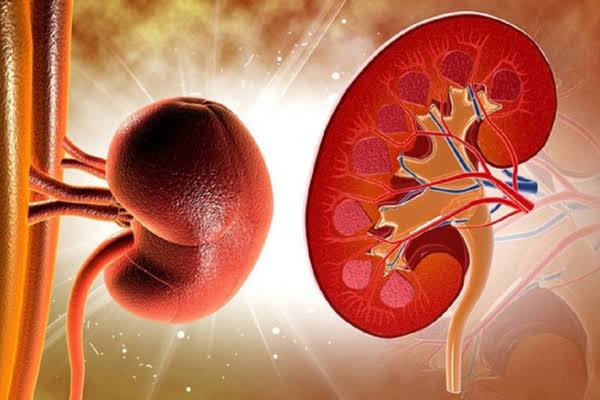
To understand why blood sugar elevation causes frequent urination, it helps to know how the kidneys normally handle glucose. The kidneys filter approximately 180 liters of blood per day, and in doing so, filter a large amount of glucose. Under normal blood sugar conditions — below approximately 180 mg/dL — the kidneys reabsorb virtually all of this filtered glucose back into the bloodstream through specialized transporters (primarily SGLT2 transporters in the proximal tubule), so that essentially no glucose appears in the urine.
When blood glucose rises above this threshold — called the renal glucose threshold — the SGLT2 transporters become saturated and can no longer reabsorb all the glucose that filters through. Glucose begins to spill into the urine. This spilled glucose acts as an osmotic agent: it draws water from the surrounding tissues and tubular cells into the urine through osmosis, dramatically increasing the volume of urine produced per unit of time. This is the process called osmotic diuresis.
The kidneys do not produce large volumes of dilute urine in response to high blood sugar because they are trying to get rid of the glucose (though that is an incidental effect); they do so because the osmotic force of glucose in the urine pulls water unavoidably. A person with blood glucose of 300 mg/dL may produce three to five liters or more of urine per day — three to five times more than the one to two liters typical of normal glucose regulation. This excess urine production is what drives the frequent urination of hyperglycemia, and it does not relent until blood sugar falls back below the renal threshold.
At What Blood Sugar Level Does Frequent Urination Start
The conventional teaching that the renal glucose threshold is approximately 180 mg/dL is an average; the actual threshold varies significantly between individuals. In young, healthy adults, the threshold is typically 160 to 180 mg/dL. In older adults and in people with long-standing diabetes who have developed some kidney changes, the threshold may be higher — 200 mg/dL or above — meaning that glucose can be significantly elevated without necessarily appearing in the urine or causing marked urinary frequency. In pregnant women, the threshold is lower (around 130-140 mg/dL), which is why glycosuria (glucose in the urine) is more common in pregnancy and why gestational diabetes screening is conducted earlier in pregnancy.
This variability has practical implications. A person whose renal threshold is 200 mg/dL may have blood glucose consistently running at 180-190 mg/dL — significantly elevated and causing ongoing vascular damage — without experiencing the urinary symptoms that would prompt them to seek evaluation. Conversely, a person with a lower-than-average threshold (160 mg/dL) might notice urinary frequency at blood sugar levels that would not yet be classified as diabetic. This is why blood glucose testing — rather than waiting for urinary symptoms — is the reliable way to detect elevated blood sugar, particularly in the prediabetes range where glucose elevation is real but may fall below the renal threshold.
Understanding how the body controls blood sugar in detail — including the role of the kidneys in glucose regulation — provides context for understanding why frequent urination emerges at the specific glucose levels it does, and why the relationship between symptoms and blood glucose values is not always perfectly predictable.
Nocturia: The Nighttime Expression of High Blood Sugar
Among the symptoms of frequent urination related to blood sugar, nocturia — waking from sleep to urinate, typically more than once per night — is often the symptom that most effectively prompts people to seek medical attention. Daytime urinary frequency can be managed by proximity to bathrooms and planning; nighttime urination interrupts sleep, impairs restoration, and produces the kind of persistent, noticeable quality-of-life disruption that motivates doctor’s visits.
Nocturia from high blood sugar has a specific pattern that distinguishes it from other common causes (prostate enlargement in men, overactive bladder, or sleep apnea-related nocturia). The key features are: large volume of urine with each void (pale, dilute urine rather than small amounts of concentrated urine), absence of urgency symptoms during the day that would suggest overactive bladder, and concurrent daytime polydipsia — the increased thirst that accompanies osmotic diuresis. Nocturia from overactive bladder typically involves small, urgent voids with minimal urine volume; nocturia from high blood sugar involves large-volume voids and is accompanied by daytime symptoms as well.
The practical significance of nocturia from high blood sugar extends beyond sleep disruption. Poor sleep independently worsens insulin resistance and blood sugar regulation — creating a vicious cycle in which high blood sugar causes nocturia, nocturia disrupts sleep, and poor sleep worsens blood sugar the following day. Breaking this cycle requires addressing the blood glucose elevation rather than just managing the sleep disruption, which is why recognizing nocturia as a blood sugar symptom rather than a purely urological problem is clinically important. For a comprehensive overview of the many ways blood sugar affects health beyond just the obvious metabolic markers, see our guide on why blood sugar matters for long-term health.
- Renal glucose threshold: ~180 mg/dL — above this, glucose spills into urine and pulls water with it
- Normal urine output: 1–2 liters per day; with high blood sugar, can rise to 3–5+ liters
- Polyuria definition: Urinating more than 2.5 liters per day
- Nocturia: Waking to urinate 1 or more times per night; 2+ times is a significant symptom
- Urine appearance: High blood sugar urine is pale, clear, and large-volume (contrast with UTI: dark, small-volume)
- Resolution: Urinary frequency typically resolves within days to weeks of blood sugar normalization
Distinguishing Blood Sugar-Related Urination from Other Causes
Frequent urination has many causes, and identifying blood sugar as the specific cause requires recognizing the pattern that osmotic diuresis produces and distinguishing it from the patterns of other common conditions. This distinction matters because each cause has a different appropriate response.
Urinary tract infection (UTI) produces frequent urination with a characteristically different profile: burning or pain with urination, urgency (a sudden compelling need to urinate immediately), small volumes of urine despite the urgency, and often cloudy or foul-smelling urine. Blood sugar-related frequent urination produces large-volume, pale, clear urine without burning or pain. A fever and UTI symptoms together warrant immediate medical evaluation, including urine culture.
Overactive bladder produces urgency and frequency but again with smaller urine volumes, often without the significant nighttime component and without accompanying thirst. Overactive bladder is not associated with increased total daily urine output — it reflects abnormal bladder muscle behavior rather than increased urine production.
Benign prostatic hyperplasia (BPH) in men can cause frequent urination, particularly with a weak stream, straining to start urination, and a feeling of incomplete emptying — features not typically associated with glucose-driven polyuria. BPH-related urination is often most frequent at the end of the day and at night, while glucose-related polyuria is distributed throughout the day.
Diuretic medications (water pills) increase urine production by design. People taking diuretics who notice increased urination should not assume this explains all of their symptoms if they also have concurrent thirst, fatigue, or other signs of high blood sugar.
High fluid intake — simply drinking large amounts of water or other beverages — increases urine output. The key question is which came first: if increased drinking preceded the increased urination, the cause may simply be high intake. If increased urination preceded increased drinking (or if the thirst seems compulsive rather than chosen), blood sugar is more likely the driver. In blood sugar-related polyuria, osmotic dehydration causes the thirst, which drives the drinking — so thirst and urination increase together, with the osmotic process as the root cause of both.
Polyuria Across Different Blood Sugar Conditions
Frequent urination from elevated blood sugar occurs across all the conditions associated with hyperglycemia, with differences in severity and clinical context:
In Type 1 diabetes, polyuria can be extreme and rapid in onset — developing over days as blood glucose rises to very high levels in the absence of insulin. Children with new-onset Type 1 diabetes may wet the bed after having been dry for years, drink water from taps and fountains insatiably, and wake multiple times each night. This dramatic presentation is one of the most recognizable signals of Type 1 diabetes and should prompt immediate medical evaluation and same-day glucose testing.
In Type 2 diabetes, the onset of polyuria is more gradual, reflecting the slower rise of blood glucose as insulin resistance and beta cell decline progress over months to years. Many people with early Type 2 diabetes attribute mildly increased urinary frequency to aging, caffeine intake, or prostate changes, and the symptom may escalate over years without being connected to blood sugar. Understanding the full picture of symptoms of type 2 diabetes helps contextualize frequent urination within the broader clinical picture.
In prediabetes, blood glucose is typically below the renal threshold consistently, so significant polyuria is uncommon. However, people with prediabetes whose post-meal glucose occasionally spikes above 180 mg/dL may notice intermittent mild urinary frequency particularly in the hours after meals. This intermittent pattern may go unnoticed or be attributed to caffeine or post-meal water consumption. See our guide on prediabetes symptoms and why testing matters for a fuller discussion of the subtle and often absent symptoms of prediabetes.
In diabetic ketoacidosis (DKA) — the serious complication of Type 1 diabetes — polyuria can be so severe that dehydration progresses rapidly. The urine in DKA contains both glucose and ketones, and the combined osmotic load accelerates fluid loss. DKA-related urinary frequency is accompanied by extreme thirst, nausea and vomiting, fruity breath, and confusion — a medical emergency requiring immediate treatment.
How Frequent Urination Leads to Dehydration and Thirst
The osmotic diuresis that drives frequent urination in high blood sugar does not simply remove extra fluid from the body — it creates a specific pattern of dehydration that affects cells throughout the body. As glucose draws water from tissues into the urine, intracellular fluid volume decreases: cells throughout the body, from brain cells to muscle cells, lose water as the osmotic gradient created by high blood glucose pulls fluid toward the extracellular space and ultimately into the urine.
The hypothalamus in the brain detects this intracellular dehydration through osmoreceptors — specialized neurons that sense the concentration of the blood — and triggers intense thirst to motivate water intake as compensation. This is why polydipsia (extreme thirst) and polyuria (frequent urination) almost always occur together in blood sugar-related symptom clusters: they are both driven by the same osmotic process, the thirst arising as the body’s attempt to compensate for the fluid being lost through the kidneys.
The practical consequence is that drinking more water does not resolve the underlying problem. It provides temporary symptom relief — the osmoreceptors are satisfied until the next round of osmotic fluid loss — but the cycle of excessive urine production continues as long as blood sugar remains elevated. People with untreated high blood sugar may find themselves in a perpetual cycle of drinking large volumes of water, producing large volumes of urine, feeling dehydrated again, and drinking more — a cycle that resolves only when blood glucose is brought below the renal threshold. This is the mechanistic basis of the classic diabetic symptom triad of polydipsia, polyuria, and the dehydration that accompanies both. Understanding the connection between these symptoms and the underlying glucose problem is the first step toward addressing the root cause rather than just managing the symptoms.
When to Seek Medical Evaluation for Frequent Urination
Frequent urination that has developed alongside any other signs of blood sugar dysregulation — increased thirst, unusual fatigue, blurry vision, unexplained weight loss, or slow wound healing — warrants medical evaluation including blood glucose testing. This is true regardless of age, body weight, or absence of known diabetes risk factors, because blood sugar elevation can occur in people who don’t “look like” typical diabetes patients.
If frequent urination is accompanied by nocturia (particularly waking more than twice per night), large urine volumes (pale, clear, high-flow urination), and persistent thirst, blood glucose testing should be a priority evaluation — ideally a same-day or next-day fasting glucose or A1C rather than waiting for a routine appointment. A random blood glucose of 200 mg/dL or above in the context of classic symptoms is diagnostic of diabetes; below 200 mg/dL warrants a fasting test and A1C. For practical guidance on understanding your A1C results and what they mean for your metabolic health, see our comprehensive guide on the A1C test.
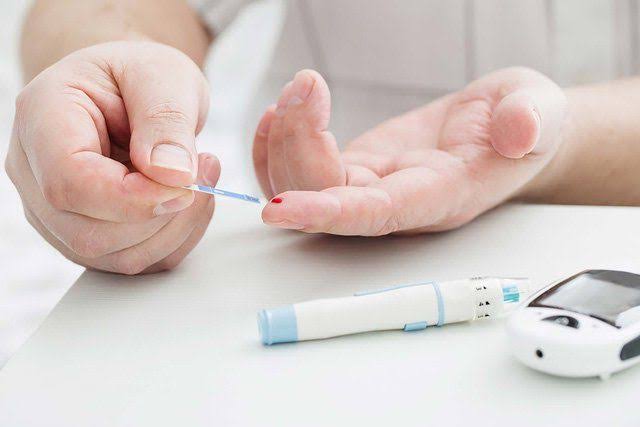
Seek emergency care if frequent urination is accompanied by vomiting, abdominal pain, rapid breathing, fruity breath odor, or confusion — these are signs of diabetic ketoacidosis (DKA), which is a life-threatening emergency requiring immediate hospital treatment. In people with known diabetes who are ill and experiencing increased urination, checking blood glucose and urine or blood ketones is essential before concluding that the urinary change is benign. For a foundational understanding of the full range of early signs of high blood sugar and how frequent urination fits within the broader clinical picture, see our dedicated guide. At home, using a glucose meter to check blood sugar when urinary symptoms increase provides actionable information — our guide on home blood sugar monitoring covers how to use these tools effectively to track your metabolic health between clinic visits.
How SGLT2 Inhibitors Work by Increasing Urinary Glucose
One of the most important recent developments in diabetes pharmacology directly exploits the renal glucose threshold mechanism. A class of medications called SGLT2 inhibitors — including empagliflozin, dapagliflozin, and canagliflozin — work by blocking the SGLT2 transporters in the kidney that normally reabsorb glucose from the urine. By inhibiting these transporters, the medications deliberately lower the renal glucose threshold, causing glucose to spill into the urine at lower blood glucose levels than normal. The result is intentional, pharmacologically induced glycosuria — glucose loss through the urine — that reduces blood glucose, reduces body weight (as glucose calories are literally excreted rather than absorbed), and produces a predictable increase in urinary frequency as a side effect of the treatment.
Understanding this mechanism helps explain why increased urination is a known side effect of SGLT2 inhibitors and why people taking them should drink adequate fluids to compensate for the increased urinary glucose excretion. It also illustrates, in reverse, the same osmotic diuresis mechanism that causes symptoms in uncontrolled diabetes: the same renal glucose threshold that is exploited therapeutically by SGLT2 inhibitors is the threshold whose natural exceedance by high blood glucose produces the frequent urination of hyperglycemia.
The SGLT2 inhibitor class also carries cardiovascular and renal protective benefits that have made it one of the most important advances in diabetes pharmacology of the past decade — a remarkable example of a symptom mechanism (urinary glucose excretion) being converted into a therapeutic tool. People diagnosed with diabetes or at high cardiovascular risk should discuss SGLT2 inhibitor options with their healthcare provider, as the evidence base for both glycemic control and organ protection is substantial.
The Role of Blood Sugar Control in Resolving Frequent Urination
The most direct evidence for the connection between blood sugar and frequent urination is the speed with which urinary frequency resolves when blood glucose is brought under control. In people with Type 2 diabetes who begin effective treatment — whether through lifestyle modification, oral medication, or insulin — the polyuria and nocturia that may have been disrupting their lives for years typically begins to improve within days to weeks of glucose normalization, before other diabetes complications have begun to resolve.
This rapid resolution reflects the direct, mechanical nature of the connection: as soon as blood glucose falls below the renal threshold, glucose stops spilling into the urine and the osmotic driver of excess urine production stops. The kidneys revert to normal urine production volumes almost immediately. Nocturia diminishes, daytime frequency normalizes, and the associated thirst subsides as cellular dehydration resolves. People who have been disrupted by multiple nightly bathroom trips often report that their sleep quality and daytime energy improve dramatically in the first weeks of effective diabetes treatment — simply because the osmotic cycle is broken.
This rapid, measurable improvement in a very concrete quality-of-life symptom is one of the most motivating aspects of early diabetes treatment and lifestyle change. Unlike some diabetes improvements (reduced A1C, lower cardiovascular risk) which are statistical and long-term, the resolution of urinary symptoms is experienced directly and quickly — providing tangible, early reinforcement of the behavioral and pharmaceutical changes that produce it. For anyone motivated to monitor whether lifestyle changes are having an effect, tracking urinary frequency alongside home blood sugar monitoring provides one of the most immediate and satisfying feedback loops available in metabolic health management. Understanding the connection between what diabetes is at the physiological level and what it feels like in daily life — including the urinary symptoms that so often drive people to finally seek evaluation — helps bridge the gap between abstract metabolic education and the lived experience of blood sugar dysregulation that motivates action.
Sources: American Diabetes Association. Standards of Medical Care in Diabetes — 2024. Diabetes Care. 2024;47(Suppl 1):S20–S42. • National Institute of Diabetes and Digestive and Kidney Diseases. Symptoms and Causes of Diabetes. NIDDK; 2023. • Levey AS, et al. The Definition, Classification, and Prognosis of Chronic Kidney Disease. Am J Kidney Dis. 2011;57(3 Suppl 2):S1–S145.
My doctor recommended I look into frequent urination and blood sugar and this article covered it perfectly. The article answered questions I didn’t even know I had until I started reading. This gave me real confidence going into my next specialist appointment.
I shared this article on frequent urination and blood sugar with my doctor and they appreciated the level of detail. The section on managing this condition day-to-day was especially useful for planning. This is exactly why I prefer this website over generic health platforms.
Thank you for covering frequent urination and blood sugar so thoroughly without being overly technical. What I liked most was that the article didn’t just say what to avoid — it also gave alternatives. Will definitely be coming back to this site for more health information.